

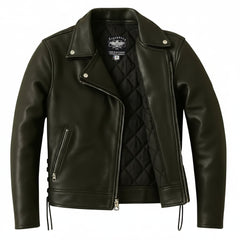
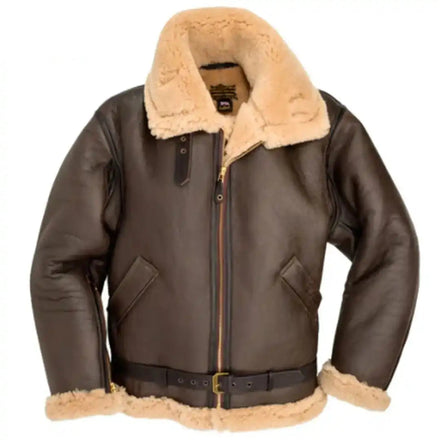
How to Break In a Horsehide Leather Jacket the Right Way
You put on a new horsehide jacket and it's stiff. Not uncomfortable, exactly, but noticeably structured — like the jacket hasn't decided whether it likes you yet. If you've only ever worn cowhide or synthetic leather, this can feel wrong. It isn't. It's the nature of the material, and understanding it changes how you approach the whole break-in process.
Horsehide leather is denser than cowhide. That's why it's better protection in a crash, why it develops a deeper patina, and why it lasts significantly longer. That density is also why it takes more time to conform to your body. The break-in isn't a flaw — it's the leather doing what good leather does.
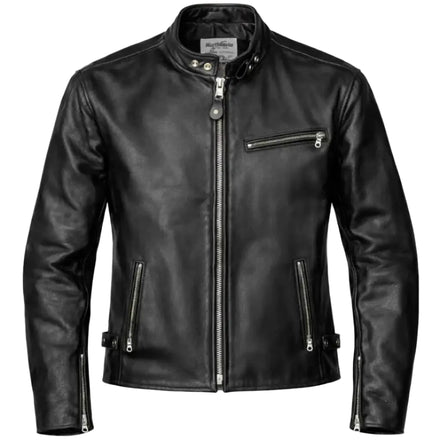
Quick Answer: To break in a horsehide leather jacket like a BECK Northeaster, wear it as much as possible, condition it lightly with a quality leather conditioner or neatsfoot oil, and let your body heat and movement do the work over several weeks. Avoid saturating the leather — gradual wear is the primary mechanism, and patience produces the best result.
Why Horsehide Takes Longer to Break In Than Cowhide
Understanding the material makes the process make more sense. Cowhide leather is widely available and relatively inexpensive. Most manufacturers soften cowhide further during tanning and finishing to make the final product feel immediately comfortable. This is part of why a cowhide jacket feels softer right out of the box — but it's also part of why cowhide doesn't hold up as well over time.
Horsehide has a tighter, more uniform fiber structure. Less processing is applied during tanning because the hide doesn't need it for the final quality to be excellent. This means the jacket you receive from BECK Northeaster Flying Togs, available through Legendary USA, is closer to the natural state of the leather — which is exactly why it protects better and lasts longer, and why it needs more time to conform to your specific body shape.
When you're holding a stiff new BECK jacket, you're holding decades of future wearability. The stiffness isn't a defect. It's a feature that hasn't fully revealed itself yet.
The Right Way to Break In Horsehide: Wear It
This sounds too simple, but the primary mechanism for breaking in horsehide leather is wearing it. Your body heat softens the leather from inside. Your movements — arm raises, shoulder rolls, reaching forward over handlebars — work the leather at its natural flex points. The jacket learns your shape because your body literally teaches it.
For the first few weeks, wear the jacket every time you ride. Wear it around the house. Wear it to the grocery store. The more hours you put into it, the faster it conforms. An hour a week will take six months to do what daily wear accomplishes in three weeks.
When wearing it in, pay attention to how the jacket moves. The flex points — elbows, shoulders, across the back — are where you want break-in to happen first. If an area feels particularly stiff, work it manually: flex your arms through their full range of motion, roll your shoulders, reach forward and back. You're not forcing anything. You're accelerating what the leather will do anyway.
Conditioning: What to Use and What to Avoid
Conditioning supports the break-in process but doesn't replace it. A quality leather conditioner or neatsfoot oil applied sparingly helps maintain the leather's suppleness and prevents cracking during the break-in period. The key word is sparingly. Horsehide is a dense leather, and over-conditioning can reduce its protective qualities by saturating the fibers.
Apply a small amount with a clean cloth, work it into the leather with circular motions, and let it absorb completely before applying more. Less is more, and more frequent light applications are better than occasional heavy ones.
What to avoid: petroleum-based products, silicone sprays, and anything labeled as "waterproofing spray" using a silicone or wax-heavy formula. These can clog the leather's natural pores, affect how the patina develops, and create uneven coloring. Stick to leather-specific conditioners: neatsfoot oil, lanolin-based conditioners, or products from reputable leather care brands.
Water is another thing to manage carefully. Light rain is fine. But don't deliberately soak the jacket, and if it gets significantly wet, let it dry naturally at room temperature away from direct heat. Heat sources like radiators dry leather unevenly and can cause cracking.
What the Break-In Period Actually Looks Like
In the first week or two, you'll notice the jacket starting to relax at the main flex points. The collar will settle. The sleeves will begin to feel less restrictive when you reach forward in riding position. This is the beginning.
By the end of the first month of regular wear, the jacket will be noticeably more comfortable. The areas of heaviest movement will have started developing their first crease lines — those lines are the horsehide recording your movements. They're not damage. They're what makes a well-worn horsehide jacket look so good.
By three to six months of regular wear, the jacket will fit like it was made for you. The leather will have darkened slightly at crease points and lightened at high-wear areas. This is the beginning of the patina, and it only gets better from here. A BECK horsehide jacket properly broken in and cared for is something you'll wear for the rest of your riding life.
Frequently Asked Questions
How long does it take to break in a horsehide leather jacket?
With regular daily wear, a horsehide jacket will be noticeably broken in within a month and fully conformed to your body within three to six months. The timeline depends on how frequently you wear it — more wear means faster break-in.
What oil or conditioner should I use on a horsehide jacket?
Neatsfoot oil and lanolin-based leather conditioners work well on horsehide. Apply sparingly with a clean cloth and let it absorb fully. Avoid silicone sprays, petroleum-based products, and heavy waterproofing sprays, which can clog the leather's pores and affect patina development.
Can I speed up breaking in a horsehide jacket with water?
Intentionally wetting horsehide to speed break-in is not recommended. Light rain during normal riding is fine, but deliberate soaking can cause uneven drying and cracking. Consistent wear with light conditioning is the correct method.
Is a stiff horsehide jacket a sign of poor quality?
No. Stiffness in a new horsehide jacket is a sign of quality. Horsehide has a tighter, denser fiber structure than cowhide, and quality horsehide tanning doesn't involve heavy softening treatments. The stiffness breaks down into a superior fit over time.
Will a BECK horsehide jacket last longer than a cowhide jacket?
Yes, significantly. Horsehide's denser fiber structure makes it more abrasion-resistant and durable over the long term than cowhide. A well-cared-for BECK horsehide jacket can last decades, developing a better appearance over time.