



How to Break In and Care for Your A-2 Flight Jacket
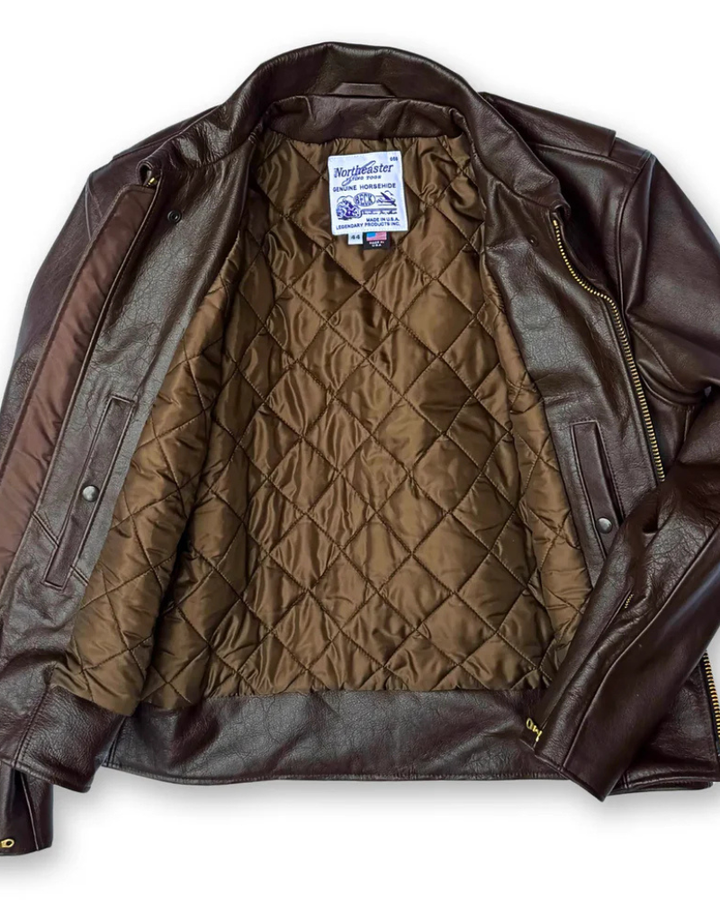
A horsehide or lambskin flight jacket arrives stiff. That's not a defect — it's the nature of premium, unprocessed leather that hasn't been broken down with softeners. The break-in process is how the leather conforms to your specific body, and a correctly broken-in flight jacket is one of the most comfortable garments you'll ever own. Here's how to do it right.
Understanding Why Break-In Matters
Flight jackets built to military specification — like those in the Cockpit USA lineup — use leather that hasn't been chemically softened or tumbled to artificiality. The stiffness you feel when your jacket arrives reflects the actual quality of the leather. Mass-market jackets feel soft immediately because they've been treated to simulate break-in. The result is leather that's already lost much of its structural integrity before you've worn it once.
The goal of break-in is to let the leather's natural fiber structure relax and conform to your body through wear — not to force it open, not to soak it, and not to use products that accelerate softening at the cost of durability.
Week One: The First Wears
Put the jacket on and wear it around the house for an hour or two before you take it outside. This lets the leather warm to your body temperature, which makes it more pliable. Move naturally — reach forward, rotate your shoulders, sit down and stand up. You're helping the leather start to map the stress points of your movement.
Don't force the sleeves back or aggressively flex the chest panels. The leather will crease where it needs to crease as you wear it. Forced creasing creates unnatural break lines that can weaken the grain over time.
For horsehide specifically — like the Cockpit USA A-2 and the G-1's tougher cousins — expect the first two to three weeks to feel noticeably stiff. Horsehide has a tighter grain structure than cowhide or lambskin. This is why it lasts longer; it also means it takes longer to relax.
The Correct Conditioning Approach
After your first week of wear, apply a thin coat of quality leather conditioner. A few products that work well on horsehide and lambskin flight jackets:
- Leather Honey — penetrates deeply, doesn't leave a greasy surface residue
- Bick 4 — light conditioner safe for finished and unfinished leathers
- Chamberlain's Leather Milk — gentle, works on lambskin without over-softening
Apply with a soft cloth in a thin, even layer. Work it into the leather with circular motions. Let it absorb for at least two hours before wearing. Buff lightly with a clean cloth to remove any surface residue.
What to avoid: Mink oil. Mink oil over-softens leather and can permanently reduce its structural integrity. It also darkens many leathers more than intended and can turn rancid over time. Neatsfoot oil carries similar risks. These products have legitimate uses on work boots and saddles — they're not appropriate for a flight jacket.
Weeks Two Through Six: Building the Break-In
Wear the jacket progressively longer sessions — a few hours, then half a day, then full days. The break-in happens through accumulated wear time and body heat, not through any product or technique. By week four on a horsehide jacket, you'll notice the shoulders have relaxed noticeably and the chest panel moves more freely. Lambskin (like the G-1's lambskin) breaks in faster — typically within two to three weeks of regular wear.
Repeat the conditioning treatment once per month during the active break-in period. After the jacket is fully broken in, quarterly conditioning is sufficient.
Handling Rain and Moisture
Your flight jacket will get rained on. Here's the correct response:
- Shake off excess water immediately
- Hang the jacket on a wide, padded hanger — not a wire hanger, which distorts the shoulders
- Let it dry naturally at room temperature, away from radiators, heat vents, or direct sunlight
- Once fully dry (this takes at least 24 hours for heavy leather), apply a light coat of conditioner
Never dry a leather jacket near a heat source. Heat causes the leather to dry out and crack at the grain. A jacket dried too fast near a radiator can develop permanent surface cracking that conditioning cannot repair.
Long-Term Storage
If you're storing your jacket for more than a month:
- Condition it before storage
- Hang it on a wide, padded hanger — never fold or compress the leather
- Cover it with a breathable fabric garment bag, not plastic (plastic traps moisture)
- Store in a cool, dry location out of direct light
Cedar blocks or sachets in the storage area help deter insects without introducing harsh chemicals to the leather.
Frequently Asked Questions
How long does it take to fully break in a horsehide flight jacket?
For most riders and wearers, a horsehide flight jacket reaches full break-in after 30 to 50 hours of actual wear — roughly 6 to 10 weeks of regular weekend and occasional weekday use. Lambskin jackets break in faster, typically within 3 to 4 weeks of regular wear. The timeline depends on how much you wear it, your body heat, and ambient climate. Wearing it in moderate warmth accelerates the process. Wearing it only occasionally extends it.
Can I use mink oil on my flight jacket to speed up the break-in?
No. Mink oil over-softens leather by breaking down its fiber structure prematurely. On a military-spec flight jacket, this can cause the leather to lose the firm drape that makes these jackets distinctive, and can darken the leather more than intended. Use a balanced conditioner like Leather Honey or Bick 4 instead. These products hydrate the leather without compromising its structural integrity.
How should I store my flight jacket during the off-season?
Condition the jacket thoroughly before storing. Hang it on a wide padded hanger inside a breathable fabric garment bag — never plastic, which traps moisture and can cause mildew. Store in a cool, dry area out of direct sunlight. Avoid folding or compressing the leather, which can create permanent crease marks. A light application of conditioner when you bring it back out of storage will restore suppleness after months of hanging.
The Payoff
A flight jacket that's been properly broken in and maintained is one of the most durable leather garments made. Military-spec horsehide and lambskin, maintained correctly, will outlast synthetic alternatives by decades. The patina — the darkening, the crease lines, the way the leather polishes at the contact points — is the record of your actual use. No two jackets age the same way.
Browse the full military leather jacket collection at Legendary USA or go deeper on Cockpit USA with the complete Cockpit USA buyer's guide.