



American manufacturing in leather goods did not disappear. It contracted. What remained after decades of offshore competition is a smaller, more deliberate set of workshops — operations that stayed domestic because they were competing on something that couldn't be replicated cheaply elsewhere: material quality, construction knowledge, and the kind of accountability that comes from a workshop with a name and an address.
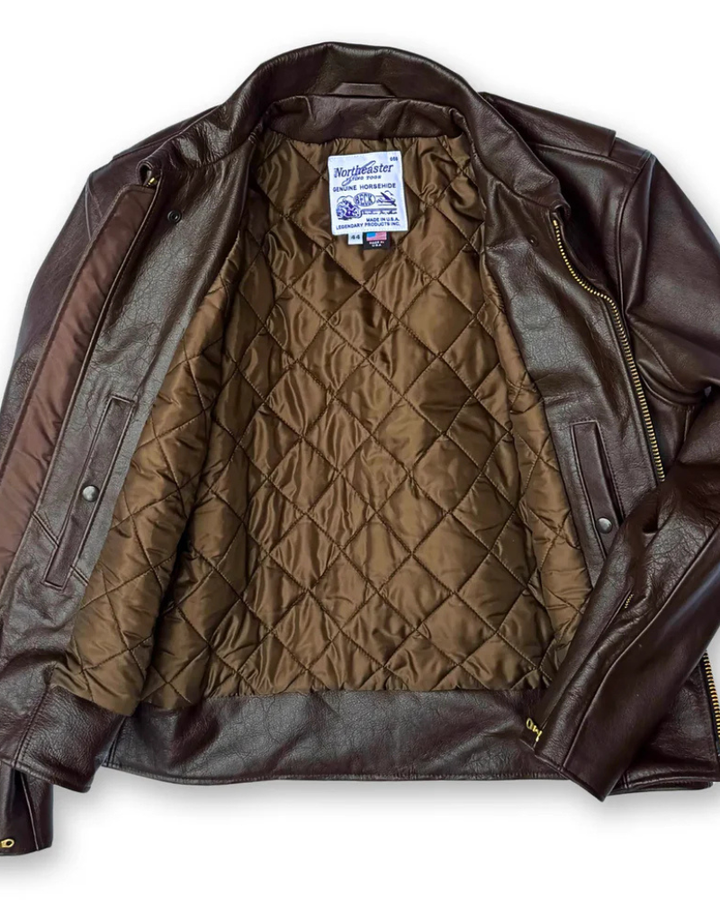
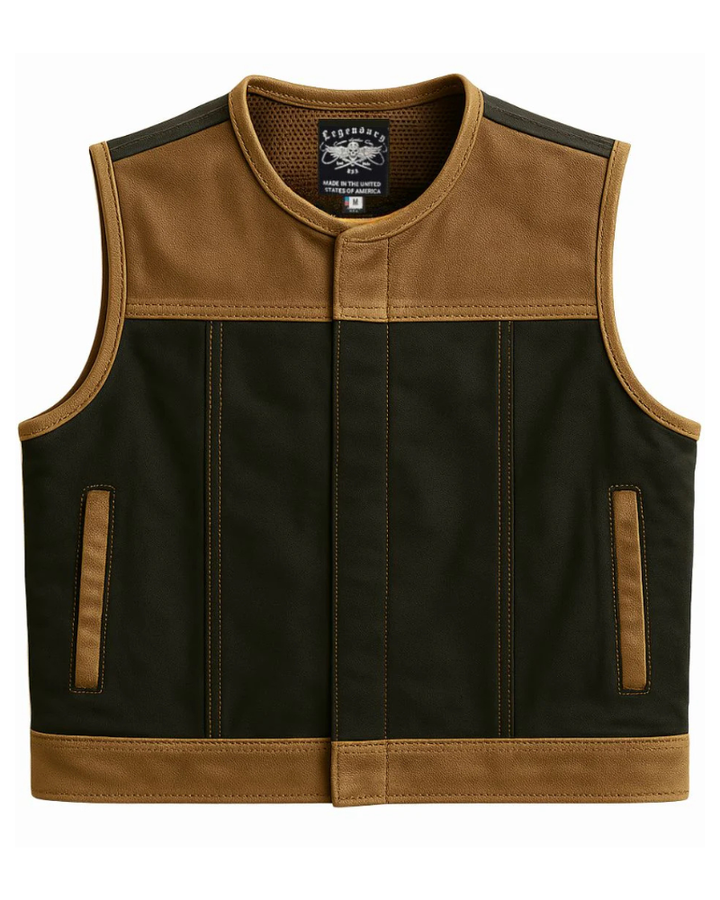
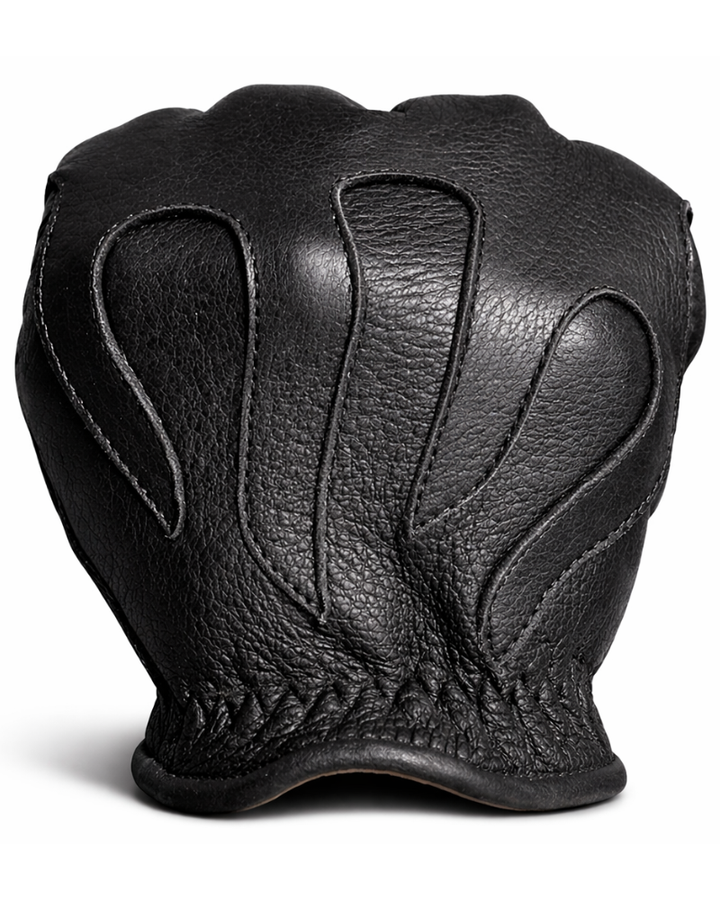
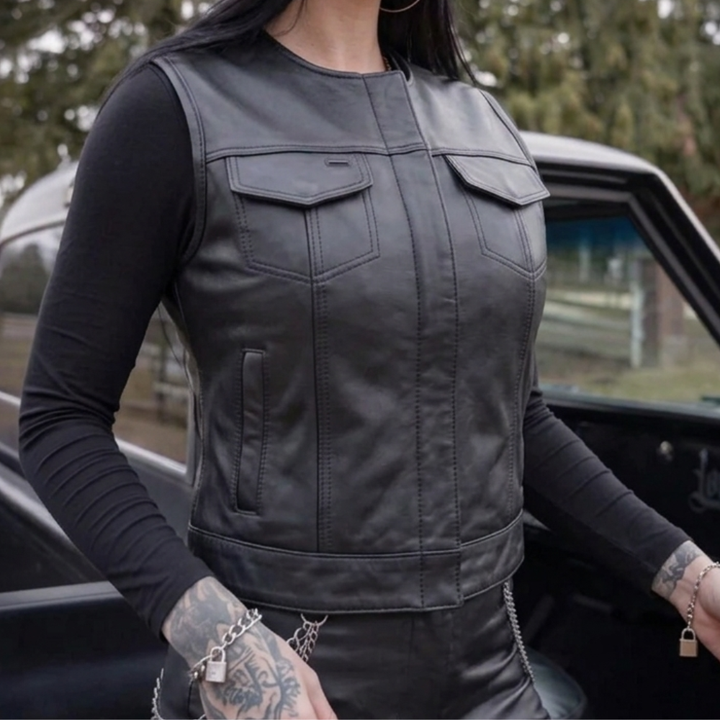
Legendary USA's gear comes from that tradition. The deerskin gloves are American-made. The vests are American-made. The BECK horsehide jackets available through Legendary USA are built in the United States from American horsehide. Understanding where these products come from changes how you think about what you're buying.
The Workshop vs. the Factory
There's a meaningful difference between a workshop and a factory. A factory optimizes for output per hour. A workshop optimizes for the quality of each piece. American leather goods workshops that have survived into 2026 did so because they made a choice, at some point in their history, to go the other direction — to do less, better, rather than more, faster.
What that looks like in practice is a smaller team of cutters and sewers who know the materials they work with and can make judgment calls that a production line cannot. When a piece of deerskin has a flaw in the grain, a workshop cutter routes around it. When a seam needs extra reinforcement at a stress point, a workshop sewer adds it without being instructed to. That kind of institutional knowledge does not cross an ocean easily.

American Deerskin and Where It Comes From
The deerskin in the Legendary USA glove lineup comes from American deer processed through domestic tanneries. American deerskin tanning is a trade that dates back to the earliest days of the country. Deerskin was used for work gloves, military gear, and riding gear long before the motorcycle existed. The tanning process that produces the soft, tight-grained hide used in the Legendary USA gloves is a continuation of that tradition, refined over generations.
The key characteristic of properly tanned American deerskin — the natural lanolin retention, the suppleness from the first wear, the way the grain tightens rather than cracking under flex — comes from the combination of the hide itself and the tanning process. These are not things that can be replicated by substituting a cheaper hide processed under a different method.
BECK and the Horsehide Tradition
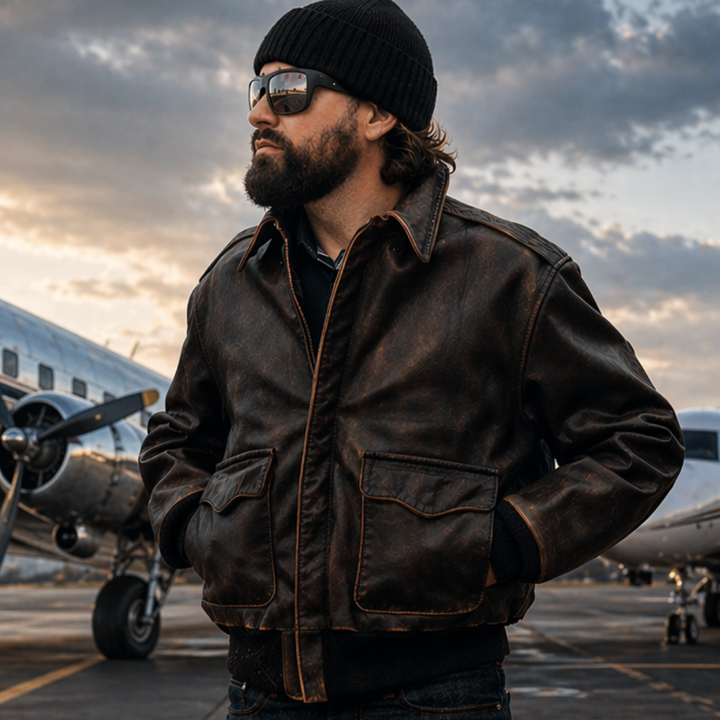
The BECK horsehide jackets available through Legendary USA — including the BECK TM-732 Northeaster Flying Togs Horsehide Jacket — come from a manufacturer that has been building horsehide leather goods in the United States for decades. Horsehide is a denser, tighter-grained leather than cowhide. American horsehide tanning preserves those qualities in a way that distinguishes the finished product from both cowhide alternatives and offshore horsehide imitations.
BECK builds in the United States because the material and the method are inseparable for them. The result is a jacket that behaves differently from anything made offshore — stiffer initially, more resistant over time, and aging into a patina that reflects actual riding history rather than artificial distressing.

Why This Still Matters
The case for American workshop manufacturing is not nostalgia. It's a material argument about where quality comes from. The leather goods workshops that remain operating domestically in 2026 have survived because they produce something that their customers can feel the difference in. Not in a commercial, not in a product description, but in the hand on a cold morning when a deerskin glove slides on and feels right from the first mile.
That's the practical output of the American workshop. It's available in the Legendary USA gear lineup — in the gloves, in the vests, and in the BECK and Cockpit USA jackets that carry genuine domestic manufacturing behind them.