



Route lists are everywhere; route lists that tell you what to wear are rare. That matters, because America's best summer roads run through wildly different climates, and the kit that makes the Blue Ridge Parkway perfect will leave you cooked in the Ozarks and frozen on the Pacific coast. Here are four of the country's great summer riding regions, each with the gear logic the road itself enforces.
Pacific Coast Highway, California
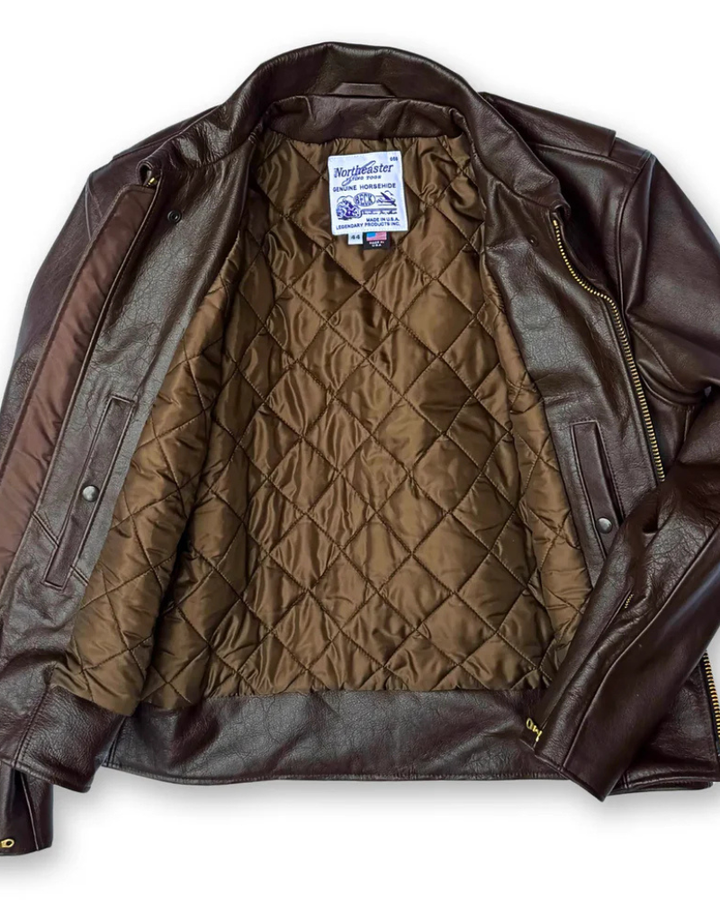
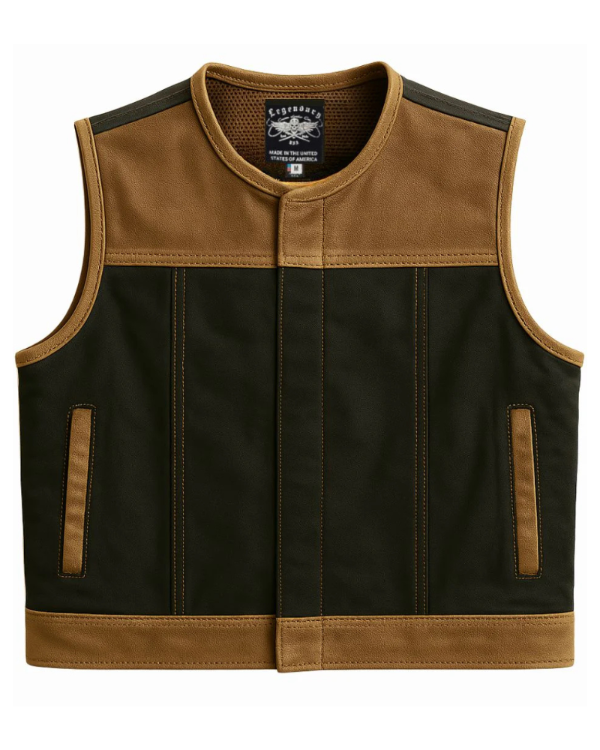
The PCH's secret is that it is cold. Marine fog, 58-degree air off the water, and wind that never stops — in July. Riders who pack for "California summer" shiver from Monterey to Morro Bay. The route rewards a full leather jacket worn, not packed, plus full-coverage gloves; the inland detours through Paso Robles wine country can spike 40 degrees warmer, which is where a vest under the jacket lets you shed the outer layer and keep riding. The PCH kit: jacket, vest, full gloves, and no fingerless anything.

Blue Ridge Parkway, Virginia and North Carolina
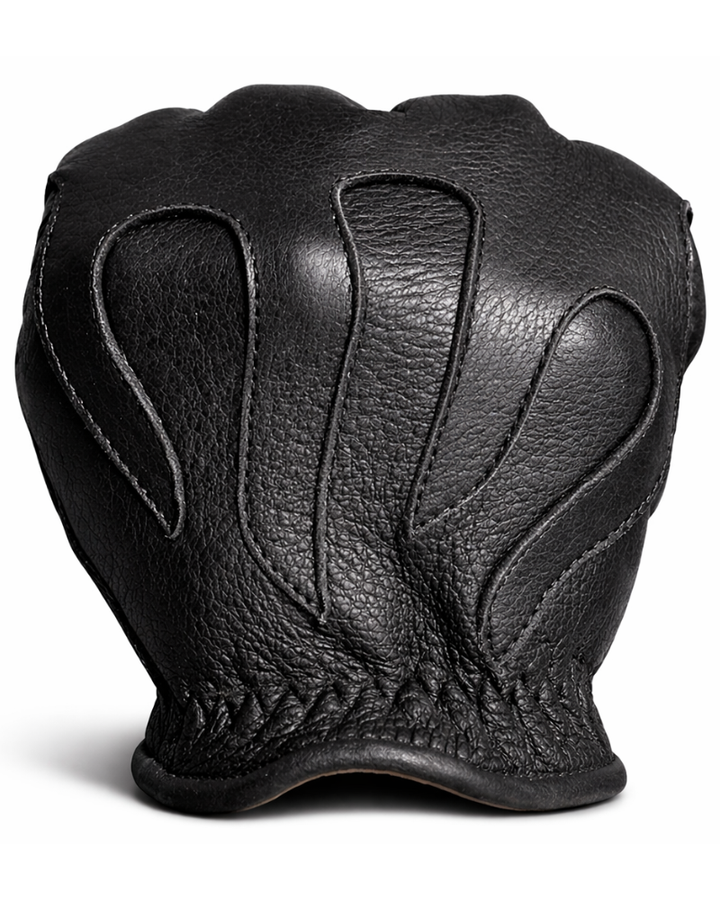
469 miles of curves with no commercial traffic, and an elevation game: the Parkway crosses 6,000 feet, where summer mornings run in the 50s while the valleys below bake in the 90s. Humidity is the second opponent — Appalachian air is wet, so breathable gear matters more than light gear. The Parkway kit: vest over a wicking base, breathable deerskin gloves, and a packed jacket for the high-elevation mornings. Afternoon thunderstorms are a schedule item, not a surprise; plan fuel stops around them.
The Ozarks, Arkansas and Missouri
The Pig Trail and Push Mountain Road offer the best technical riding between the Rockies and the Appalachians — tight, shaded, relentless. Summer here is heat plus humidity, with tree cover trading sun for still air. Sweat management is the whole game: unlined deerskin gloves — the fingerless model earns its keep here — a light vest with laced sides, and double the water you think the mileage requires. Distances between services are short, so pack light and stop often.
The Southwest: Utah 12 and Arizona's High Country
Scenic Byway 12 across southern Utah may be the most beautiful road in America, and it is a high-desert trap: 100 degrees in the canyons at Escalante, low 60s on the 9,600-foot summit of Boulder Mountain an hour later. The Southwest kit is the full system: wicking base, vest, breathable full-coverage gloves, jacket strapped and ready, and serious water discipline. Sun exposure at elevation is fiercer than the temperature suggests — full coverage beats bare arms every hour of the day out here.
The Pattern Across All Four
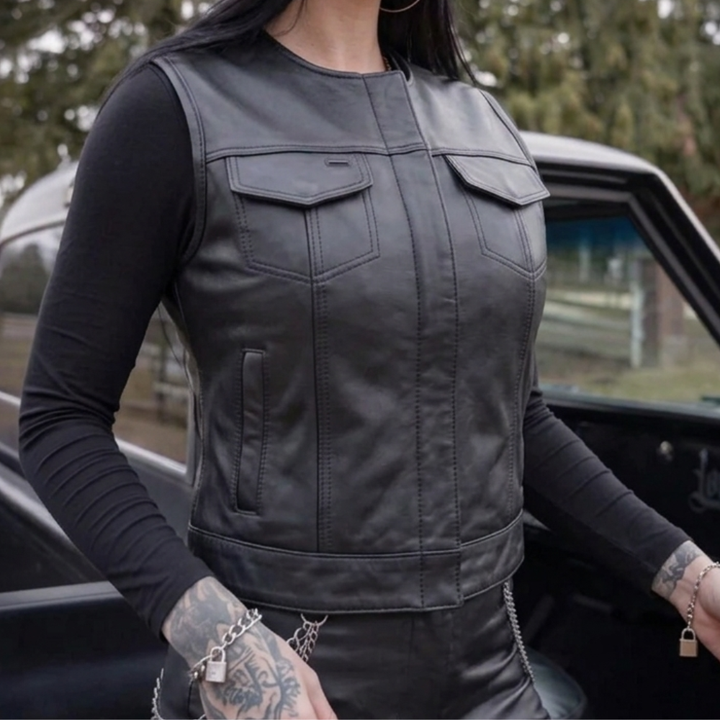
Every great summer road in America swings temperature harder than the forecast at your starting point. The kit that handles all of them is the same five pieces: wicking base layer, leather vest from the vest collection, breathable deerskin gloves from the USA-made glove lineup, a real leather jacket packed or worn by conditions, and water. Build it once from the full gear collection and every route on this list is open to you, whatever the thermometer does.
Frequently Asked Questions
What is the single best summer motorcycle route in America?
By consensus among long-distance riders, the Blue Ridge Parkway for flow and scenery density, with Utah's Scenic Byway 12 as the wild-card answer for riders who want drama. The honest answer is the one within two days' ride of your garage — frequency beats distance.
Do I really need a jacket on a summer road trip?
Yes — packed if not worn. Coastal fog, mountain summits, and post-sunset descents on every route above run cold enough to end a ride early without one. A leather jacket strapped to the bike costs nothing until the moment it is the most important thing you own.
How much water should I carry on hot routes?
A liter per hour of riding in dry heat is the working rule, more in the Southwest. Carry it on the bike, not just in your stomach — and treat every fuel stop as a drinking stop whether you feel thirsty or not.