

Fingerless Motorcycle Gloves: A Fixture of American Riding
Fingerless motorcycle gloves do not require justification to most American riders. They have been part of the riding landscape long enough that riders who grew up watching older brothers or fathers suit up for a run know exactly what they are for. What is less common is an honest accounting of where they came from, what they actually provide, and why Legendary USA still builds them the way they do.
Where Fingerless Gloves Entered American Riding Culture
The fingerless work glove predates motorcycles. Dock workers, laborers, and tradesmen wore cut-off gloves for grip and palm protection while leaving fingers free for dexterity. When postwar American riders began building a distinct motorcycle culture through the 1950s, the gear they adopted was largely workwear repurposed for the road — denim, leather, boots built for work rather than fashion. Fingerless gloves fit naturally into that vocabulary.
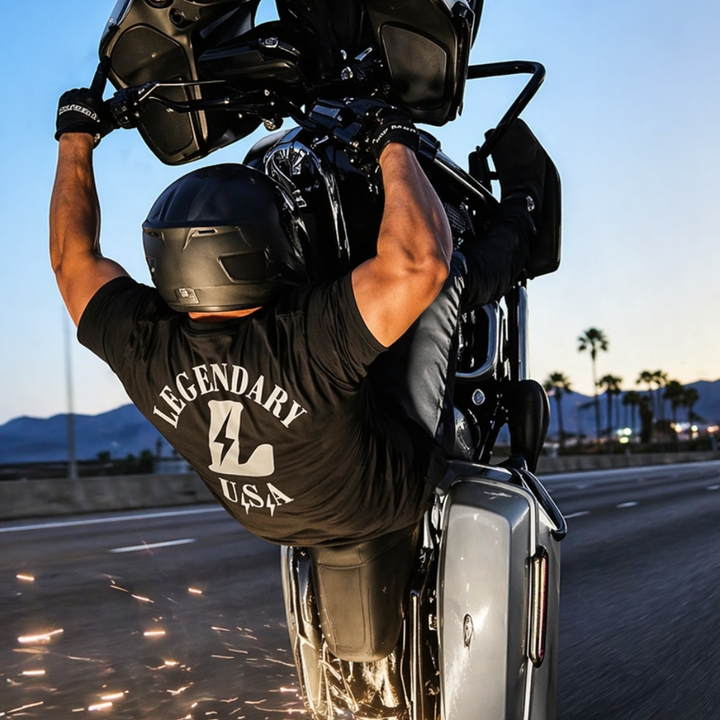
By the time custom and cruiser culture took its modern shape in the 1960s and 1970s, fingerless gloves were already established. They were not a trend imported from racing or from Europe — they grew from the American working tradition of taking what worked and putting it to a different use. The Harley crowd adopted them early and held on. Club riders, solo tourers, and daily commuters all ran fingerless because the tradeoff made sense in warm weather: real palm coverage, bare fingers, nothing between your hand and the controls.
What Fingerless Gloves Actually Provide
Fingerless gloves solve a specific problem. They are not a compromise position between riding bare-handed and wearing full gloves — they are the right tool for warm-weather riding when palm coverage matters more than finger coverage.
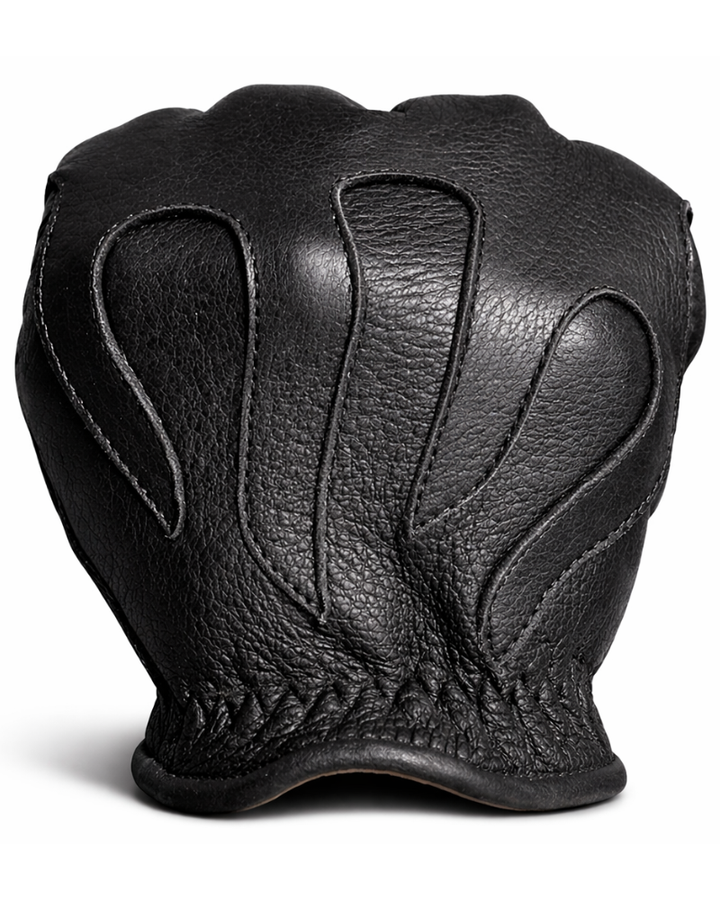
Palm protection. In most rider contact events, the palm hits first. A leather-covered palm between your hand and asphalt, gravel, or pavement is meaningfully different from bare skin. The Legendary Deerskin Fingerless Motorcycle Gloves cover that zone directly without adding the heat load of a full-finger glove.
Grip consistency. Leather provides a stable grip on handlebars regardless of hand sweat. Bare hands on long summer rides lose that consistency as perspiration builds — leather handles it without the slickness that bare palms can develop in direct heat.
Vibration absorption. Road vibration transfers through the bars to your hands. Even a thin leather palm absorbs some of that over a long day in the saddle. It is not dramatic, but riders who have switched from bare-hand summer riding to fingerless leather notice the difference by hour three.
What fingerless gloves do not provide is finger protection. That is not a design flaw — it is the stated tradeoff, and American riders have been making it consciously for over seventy years.
Why Deerskin Works for Fingerless Construction
Legendary USA builds its fingerless gloves in American whitetail deerskin, the same hide that runs through most of the company's glove lineup. For fingerless construction specifically, deerskin is the right call for several reasons.
Deerskin is soft from the first wear. Fingerless gloves have less leather overall than a full-finger or gauntlet cut, which means less material requiring break-in. With deerskin, these gloves are comfortable from the first ride rather than needing a season to soften up. For a summer glove, that immediate comfort matters.
Deerskin breathes. A fingerless glove is a warm-weather tool, and a leather that traps heat defeats the purpose. American whitetail deerskin has an open grain structure that does not seal against your palm the way denser hides do. The result is a glove that keeps the palm covered without adding noticeable heat.
Deerskin ages honestly. As our American deerskin riding gloves heritage piece covers, this hide develops character over real use — softening to your grip pattern, showing the wear of actual miles. Imported synthetic alternatives replicate the shape but not the material history. For a glove that connects to the American riding tradition, that matters.
Fingerless vs. Short-Wrist Full-Finger in Summer
The practical question for summer riding is not whether fingerless gloves are legitimate — they are — but whether they are the right choice for your riding conditions on a given day.
Fingerless gloves make the most sense for shorter daily rides, hot-day urban riding, and situations where direct control feel at the fingertips is a priority. For longer summer highway miles where sun exposure and heat build over hours, a perforated full-finger glove sometimes makes better sense — the Legendary Deerskin Short Wrist Ventilated Touchscreen Gloves cover the full hand in perforated leather that breathes considerably better than a standard unperforated cut. Our summer riding glove guide breaks down the conditions where each choice makes sense.
The fingerless glove is not the only warm-weather answer. It is one answer with a clear set of advantages and one clear tradeoff, and American riders have understood that tradeoff for a long time.
The Simple Case for Keeping Them Around
American motorcycle culture has never been about maximizing gear specifications. It has been about riding the way you want to, with what you need, built to last. Fingerless gloves fit that ethos directly — practical, proven, and stripped to what matters. Legendary USA has been building them in deerskin in the USA for over two decades for the same reason riders keep buying them: they work, they hold up, and they connect to something real about how this country rides.
The Legendary Deerskin Fingerless Motorcycle Gloves are available now. Browse the full Men's Made in USA Motorcycle Gloves collection to see every cut in the lineup.
Frequently Asked Questions
- Why do bikers wear fingerless gloves?
- Fingerless gloves give riders palm protection and grip consistency without the heat load of full-finger gloves. They grew from American workwear culture — dock workers and tradesmen used cut-off gloves for palm coverage with full finger dexterity. For motorcycle riders, that tradeoff makes sense in warm weather. The style has been part of American riding culture for over seventy years.
- Are fingerless motorcycle gloves safe?
- Fingerless gloves provide meaningful palm protection, which is where most rider contact with pavement happens first. They do not protect the fingers. That is the stated tradeoff, not a design flaw. A leather-covered palm is meaningfully better than bare skin in a contact event, even without finger coverage.
- What are fingerless motorcycle gloves good for?
- Best for warm-weather riding, shorter daily rides, and urban riding where direct fingertip feel on controls matters. They provide palm protection, grip consistency, and vibration absorption without the heat load of a full-finger glove. Not ideal for long highway days or cold weather.
- What is the difference between fingerless and full-finger motorcycle gloves?
- Fingerless gloves cover the palm and base of the fingers, leaving the fingertips exposed. Full-finger gloves cover the entire hand. Fingerless run cooler and give more direct control feel. Full-finger provides complete coverage — better for highway miles, cold weather, and situations where finger protection is a priority.
- Are deerskin fingerless gloves good for summer motorcycle riding?
- Yes. Deerskin is particularly suited for fingerless summer gloves because it breathes without sealing against the palm. American whitetail deerskin has an open grain structure that does not trap heat. Legendary USA's fingerless deerskin gloves are comfortable from the first ride with no break-in required.
- How do Legendary USA fingerless gloves compare to their full-finger deerskin gloves?
- Both use the same American whitetail deerskin. The fingerless run cooler and give more direct feel at the controls. The full-finger and perforated models cover the complete hand and are better for longer rides where vibration and sun exposure build over hours.