





How to Care for Deerskin Motorcycle Gloves So They Last 20 Years
Twenty years sounds like a long time for motorcycle gear. For most gear — helmets, textile jackets, synthetic gloves — twenty years is a fantasy. These materials age out, deteriorate, and eventually fail whether you use them or not. Real leather is different. A quality pair of deerskin motorcycle gloves, maintained properly, can outlast most riders' enthusiasm for the bikes they were riding when they bought the gloves. This isn't marketing language — it's the practical reality of a well-made natural material that responds to care.
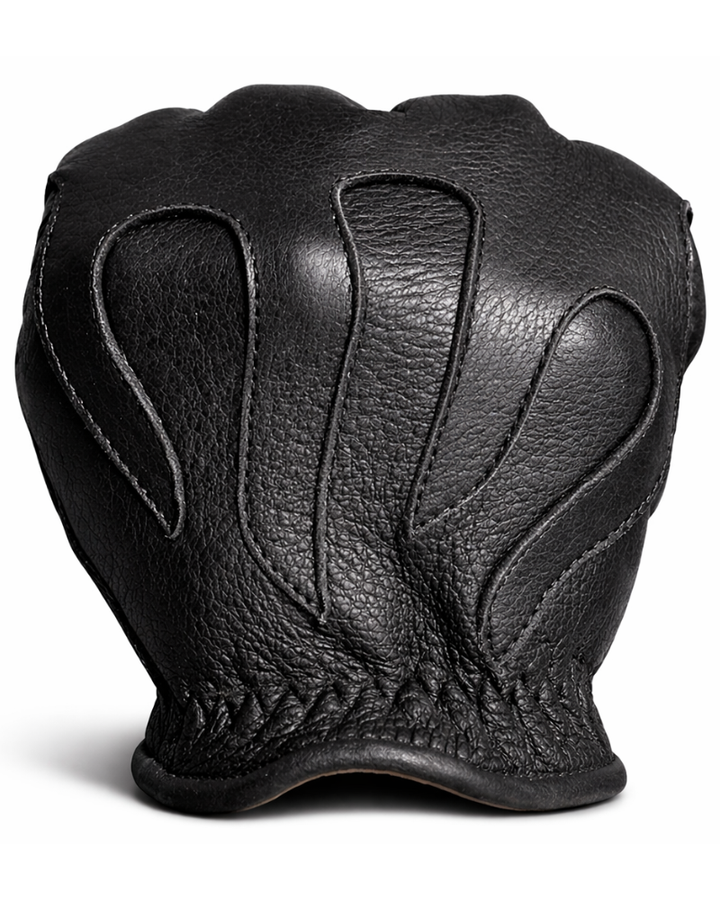
The Legendary USA ILL DOZER, Haymaker, and Spitfire gloves are built to this standard. The deerskin they use is genuine, American-sourced, and selected for quality. Whether these gloves reach five years or twenty depends largely on how you treat them. This guide covers everything you need to know.
Quick Answer: To make deerskin motorcycle gloves last 20 years: clean with a damp cloth and mild soap as needed, condition every 3 to 4 months with a quality leather conditioner, dry slowly at room temperature after rain exposure, store flat or stuffed away from direct sunlight, and have seams repaired at the first sign of thread wear. Avoid heat drying, harsh chemicals, and prolonged moisture. These steps take about 20 minutes per year and will extend glove life by decades.
Understanding What Deerskin Needs (and What Kills It)
Before getting into specific maintenance steps, it helps to understand what deerskin leather actually is and what causes it to fail prematurely. Leather — deerskin included — is a network of collagen fibers that have been stabilized through tanning. Those fibers need to remain flexible and lubricated to stay intact. When they dry out, they become brittle, and brittle fibers crack and break under the flexing stress of normal use. That's what leather failure looks like: surface cracking, seam areas stiffening and cracking, the glove progressively losing structural integrity.
The enemies of deerskin are drying agents: excessive heat, prolonged direct sunlight, sustained moisture exposure without subsequent conditioning, and harsh detergents that strip the natural oils from the leather. Avoid all of these and you've eliminated most of the causes of premature leather failure.
The allies of deerskin are moisture and appropriate fats: conditioning products that replace the natural oils that gradually leave leather through use and evaporation. A well-conditioned deerskin glove stays flexible, resists cracking, and continues to conform to your hand as it ages rather than stiffening up.
The Cleaning Protocol
For routine cleaning — road grime, sweat, minor scuffs — a damp cloth is usually sufficient. Wring a soft cloth almost dry and wipe down the exterior with light pressure. For stubborn grime in stitching channels or around hardware, a soft-bristle toothbrush with a small amount of mild soap (saddle soap is ideal, or a gentle unscented bar soap) works well. Scrub lightly, wipe clean with a damp cloth, and allow to air dry.
Never submerge deerskin gloves in water for cleaning. Never put them in a washing machine. Never use dish detergent, bleach, or any solvent-based cleaner. These don't just clean the leather — they strip the protective oils out of the fiber structure and accelerate deterioration dramatically. One washing machine cycle can do months' worth of damage to leather in five minutes.
How often should you clean? For most riders doing regular weekend riding, a wipe-down every 20 to 30 rides is appropriate, followed by conditioning. After a particularly dirty ride — through rain and road debris, for instance — clean before putting the gloves away. Allowing mud or road contaminants to sit on leather for extended periods can cause staining and accelerated surface wear.
Conditioning: The Most Important Step
If there's one maintenance task that separates riders who get ten years from their deerskin gloves from riders who get twenty, it's conditioning. Conditioning replaces the natural oils that evaporate from leather over time, keeping the fiber network lubricated and flexible.
A good conditioning schedule for regularly ridden deerskin gloves is every three to four months during riding season. If you live in a dry climate — the American Southwest, for instance — condition more frequently. Dry air pulls moisture from leather faster than humid climates, and gloves ridden in arid conditions can dry out noticeably in a single season without conditioning.
Product selection matters. Choose a conditioner designed for fine or smooth leather: Leather Honey, Bickmore Bick 4, and similar quality leather conditioners work well on deerskin. Avoid waterproofing sprays (these can darken deerskin and change its texture), shoe polish (wrong product category entirely), and petroleum-based products (can degrade natural leather over time). A small amount goes a long way. Work the conditioner in with your fingertips, allow it to absorb for an hour, then buff off any excess with a clean dry cloth.
After conditioning, your deerskin gloves should look slightly darker temporarily — this is the conditioner absorbing. Within a few hours, the color will normalize and the leather will feel noticeably more supple. If the gloves feel dry and the conditioner absorbs very quickly, condition again — the leather was thirsty and needed more than a single application.
Wet Weather: What to Do After Rain
Getting caught in rain while wearing your deerskin gloves is inevitable if you ride regularly. The protocol afterward is important. Do not put the gloves on a heater, under a hair dryer, or in direct sunlight to dry. Rapid drying is the worst thing you can do to leather — it causes the fibers to contract unevenly, which results in stiffening and potential surface cracking.
Instead: stuff the gloves loosely with newspaper or paper towels to maintain their shape, then leave them in a cool, ventilated area at room temperature. Allow 24 to 48 hours for complete drying. Once fully dry, condition immediately. Rain removes oils from leather through dilution, and leather that's been wet and dried without conditioning will feel stiffer than before. Condition within 24 hours of drying and the rain will have had zero lasting negative effect.
Storage and Long-Term Care
If you're storing your deerskin gloves for winter or an extended period, store them in a cool, dry location away from direct light. A clean paper bag or breathable fabric pouch works well — breathable materials prevent condensation, which is preferable to sealed plastic bags that can trap moisture against the leather.
Before long-term storage, condition once. After bringing gloves out of storage for a new season, condition again before the first ride. Check stitching annually — run your fingers along all seam lines and feel for loosening thread. Seam failure is the first maintenance issue to appear in quality leather gloves, and catching it early means a simple repair rather than a failing glove. Any competent leather repair shop can resew a seam for minimal cost. Do not wait until the seam is fully open to get it fixed.
With this protocol in place — cleaning as needed, conditioning quarterly, proper wet-weather handling, appropriate storage — a pair of Legendary USA deerskin gloves will serve you for decades. That's not a bold claim; it's the natural outcome of a natural material being treated the way it was designed to be treated. Buy once. Maintain consistently. Ride with the best gloves on the market for twenty years.
Frequently Asked Questions
How often should I condition deerskin motorcycle gloves?
Condition deerskin motorcycle gloves every three to four months during riding season. Riders in dry climates should condition every six to eight weeks during active use. Always condition after the gloves have been soaked by rain, once they are fully dry. Conditioning is the single most important maintenance step for maximizing deerskin glove longevity.
Can I wash deerskin motorcycle gloves in the washing machine?
No. Never machine wash deerskin motorcycle gloves. The combination of water submersion, detergent, and mechanical agitation strips the natural oils from the leather fiber structure and causes irreversible stiffening and cracking. Clean deerskin gloves with a damp cloth and mild soap only, then allow to air dry at room temperature.
What leather conditioner is best for deerskin motorcycle gloves?
Quality leather conditioners designed for smooth or fine leather work well on deerskin. Products like Leather Honey and Bickmore Bick 4 are appropriate. Avoid waterproofing sprays (can darken deerskin and change its texture), petroleum-based products, and shoe polish. Apply a small amount with fingertips and buff off any excess after an hour.
How do I dry deerskin gloves after riding in rain?
Stuff the wet gloves loosely with newspaper or paper towels to maintain shape, then leave them at room temperature in a ventilated area for 24 to 48 hours. Do not use heat sources — heaters, hair dryers, direct sunlight — as rapid drying causes uneven fiber contraction and cracking. Once fully dry, condition immediately to replace oils removed by the rain.
How long do deerskin motorcycle gloves last with proper care?
With proper care — regular conditioning, gentle cleaning, appropriate drying after rain, and seam repair as needed — quality deerskin motorcycle gloves like the Legendary USA ILL DOZER and Haymaker can last 15 to 20 years or more. Neglected or improperly cared for deerskin can degrade in three to five years. The full maintenance protocol takes approximately 20 minutes per year.