





How to Clean and Condition Deerskin Motorcycle Gloves
Deerskin behaves differently from cowhide in almost every way that matters for maintenance — and most of what riders know about leather care from jackets and vests doesn't apply. Deerskin is minimally processed, naturally soft, and tolerates water in a way that cowhide doesn't. That changes the cleaning approach, the conditioning frequency, and what products are safe to use. If you're maintaining a pair of American Whitetail deerskin gloves, this is what you need to know.
What Makes Deerskin Different
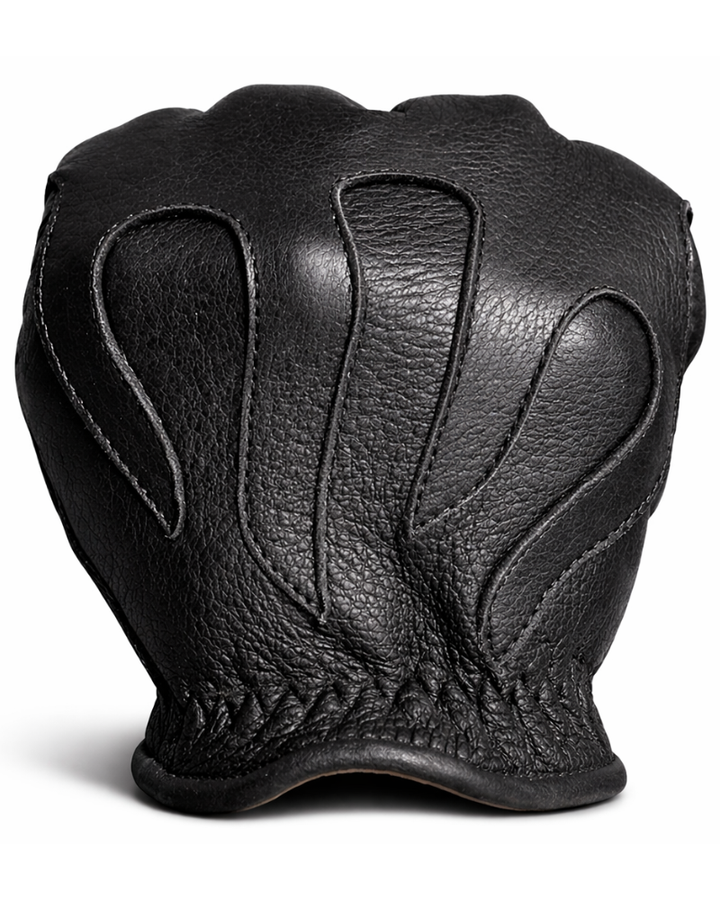
American Whitetail deerskin is a naturally soft, pliable leather that's closer in character to chamois than to full-grain cowhide. It's produced with a minimal chemical tanning process compared to most commercial leathers, which means it retains more of the hide's natural properties — including a softness that doesn't require conditioning to maintain in normal use. Cowhide leather stiffens after repeated wetting and drying unless it's reconditioned afterward. Deerskin doesn't behave the same way; it retains its softness through multiple wet/dry cycles without intervention.
This matters for riders because gloves get wet — from rain, from sweat, from morning dew on the bars. A cowhide glove that gets soaked on a long ride and dries unconditioned can stiffen significantly. A deerskin glove dried correctly after the same soaking will come back close to its original feel without any product applied. The Churchill Deerskin Classic Motorcycle Gloves are built around this material property — the Churchill Classic gloves are made from domestic American Whitetail deerskin at the Churchill family's USA facility, the same material and construction the family has used since 1897.
Cleaning Deerskin Motorcycle Gloves
Routine cleaning after riding requires nothing more than wiping the surface with a slightly damp cloth to remove road grime, exhaust residue, and surface oils. Let the gloves air dry at room temperature. Do this regularly rather than waiting for a full wash — light surface cleaning extends the time between full washes and keeps the leather from developing ground-in grime at the seams and finger creases.
For a full wash — which deerskin can handle in a way cowhide can't — use cool water and a very small amount of mild liquid soap. Work it into the leather with your fingers or a soft cloth, covering the entire surface including seams and finger joints. Rinse thoroughly with cool water until no soap remains. This is where the reshape step matters most: while the gloves are still wet, push each finger fully into shape from the inside, reshape the cuff, and pull the overall glove back to its riding silhouette. Lay them flat or hang them fingertip-down at room temperature. Do not use a dryer, a hair dryer, or direct heat of any kind — heat damages deerskin permanently.
Drying: The Step Most Riders Get Wrong
How you dry deerskin gloves determines how they feel when you put them back on. The most common mistake is drying too fast — on a heat vent, in a warm car, or in direct sun. Fast drying with heat sets the leather into whatever shape it's in at that moment. If the gloves were bunched up or compressed, they'll hold that shape once dry.
The correct method is to reshape first — while still wet — and then let them dry slowly at room temperature with airflow. Propping them open with your fingers or using a glove stretcher helps if you have one. If you don't, balling up a paper towel and pressing it into each finger while the glove is drying maintains the finger shape. Full drying at room temperature takes twelve to twenty-four hours depending on how saturated the leather is. Don't rush it.
Conditioning: How Much Is Enough
Deerskin is one of the leathers that's most commonly over-conditioned. Because riders are used to cowhide jackets and vests that need regular conditioning to stay supple, they apply the same schedule to deerskin gloves — and end up with gloves that are greasy, have darkened permanently, or have had their hand changed by product buildup.
In three-season riding use, deerskin motorcycle gloves need conditioning once or twice a year at most. If you're riding in heavy rain regularly and washing the gloves multiple times per season, you might condition after every few washes. But if the leather feels soft and pliable when dry, it doesn't need conditioning. The signal to condition is stiffness or visible dryness at the flex points — particularly at the finger knuckles and palm crease — not a fixed calendar schedule.
Pure lanolin is the safest conditioning agent for deerskin. Apply a very small amount with a clean cloth, work it into the leather in a circular motion, and let it absorb at room temperature. Avoid mink oil, neatsfoot oil, silicone-based products, and heavy wax conditioners — they can darken deerskin permanently and change its texture. If you're using a commercial leather conditioner, test it on an inside seam before applying it to the main surface.
Storage Between Seasons
Deerskin gloves stored for the off-season should be clean and dry before going into storage. Store them flat or in a breathable bag at room temperature away from direct light. Don't seal them in plastic — leather needs airflow to stay in good condition. If you're storing them for more than a few months, a very light lanolin application before storage keeps the leather from drying out.
For riders who want to round out their kit with gear that holds up the same way, the men's made in USA motorcycle gloves collection has the full Churchill lineup and other American-made riding gloves. The leather jacket care guide covers maintenance for cowhide jackets and vests — the conditioning and cleaning approaches differ meaningfully from deerskin, so don't apply those methods here.
Deerskin motorcycle gloves are low-maintenance by nature, not by accident — the material's properties make most of the work unnecessary if you dry correctly and condition sparingly. Clean the surface after riding, reshape when wet, dry slowly at room temperature, and apply lanolin only when the leather tells you it needs it. That's the full routine for gloves that hold up for years of riding.
Frequently Asked Questions
Can deerskin motorcycle gloves be washed with water?
Yes. Deerskin is one of the few leathers that tolerates water washing well — it's part of what makes it unusual as a material. The key is to wash gently with cool water and mild soap, reshape the gloves while they're still damp, and dry them at room temperature away from direct heat. Never machine wash or use hot water. Once dry, a light application of pure lanolin or a leather conditioner formulated for deerskin restores any oils the wash removes.
How often should I condition deerskin motorcycle gloves?
Deerskin needs conditioning far less frequently than cowhide. In normal three-season riding use, once or twice a year is sufficient unless you're riding in heavy rain regularly. Deerskin naturally retains softness after wet/dry cycles — over-conditioning is more of a risk than under-conditioning. If the leather starts to feel stiff or look dry at the flex points, that's the signal to condition, not a fixed calendar schedule.
What conditioner is safe to use on deerskin motorcycle gloves?
Pure lanolin is the safest option for deerskin. Apply a very small amount with a clean cloth, work it into the leather in a circular motion, and let it absorb at room temperature. Avoid mink oil, silicone-based conditioners, and heavy wax products — they can darken deerskin permanently and change its hand. Products marketed specifically for deerskin or for natural, unfinished leather are the next best option after pure lanolin. Test any product on an inside seam before applying it to the main surface.
My deerskin gloves got soaked on a ride. What do I do?
Remove them and reshape the fingers while they're still wet — push each finger out to its full shape from the inside. Lay them flat or hang them fingertips-down at room temperature away from direct sun, heat vents, or forced air. Don't use a dryer, a heat gun, or a radiator. Once fully dry, check if the leather feels stiff at the flex points. If it does, apply a small amount of pure lanolin and work it in gently. Deerskin is more forgiving of repeated wetting than cowhide, but the reshape step is critical — if you let them dry bunched up or compressed, they'll hold that shape.
Why do my deerskin gloves smell after riding in rain?
Deerskin is a natural, minimally processed leather that retains some of the hide's inherent organic compounds. When wet, those compounds can produce a mild odor that dissipates as the leather dries. This is normal and more noticeable in new gloves. Drying them fully at room temperature between rides eliminates most of it. If the smell persists on older gloves, a light surface wipe with a slightly damp cloth followed by full drying and a small amount of lanolin conditioning typically resolves it.