



"Made in USA" is a regulated claim with a specific meaning under Federal Trade Commission standards, but the motorcycle gear market applies it loosely. Some products that carry the label meet the FTC's full standard. Others use qualified or aspirational language that references American design, American assembly, or American values without the product meeting the strict domestic manufacturing requirement. Understanding the difference is worth the effort if you're paying a premium for domestic gear.
The FTC Standard Explained
The FTC's standard for an unqualified "Made in USA" claim requires that a product be "all or virtually all" made in the United States. This means the final assembly and substantially all of the significant parts, materials, and processing that went into the product must be domestic. For a leather motorcycle jacket, this means the hide must be American-sourced and American-tanned, the hardware must be domestic, and the cutting and sewing must happen in the US. For a leather glove, where the hide is effectively the entire product, the sourcing standard is even more directly tied to the claim's accuracy.
Qualified claims are legal. "Assembled in USA from imported components" is accurate language for a product where some manufacturing steps occur domestically. "Designed in USA" describes origin of design, not manufacturing. "American craftsmanship" is not a specific claim at all — it describes a tradition, not a supply chain. Knowing which type of language a manufacturer is using tells you a lot about what you're actually buying.
For Motorcycle Gloves: The Hide Is the Product
In motorcycle gloves, the leather is the product. A glove manufacturer who buys offshore-tanned deerskin and sews it in the US is doing domestic assembly, not domestic manufacturing in the full sense. The quality of the glove is almost entirely determined by the quality of the hide, which was determined before the domestic workshop touched it.
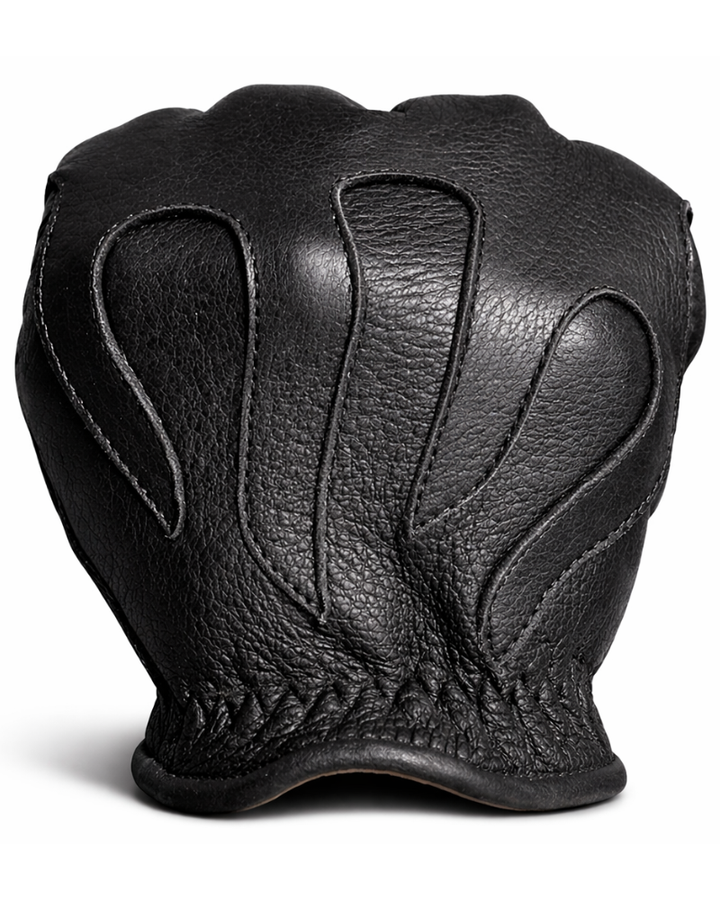
The Legendary USA American-made motorcycle gloves use American deerskin from domestic supply chains. When Legendary USA labels these gloves as American-made, the claim covers the origin of the hide, the tanning process, the cutting, and the construction. That's the complete product — not just the final assembly step.
Specific models in the lineup that carry this full domestic credential include the Short Wrist Touchscreen Deerskin Gloves, the Aramid-Lined variant, and the Classic Touchscreen Deerskin Gloves.

For Motorcycle Jackets: More Variables
Jackets are more complex than gloves. A jacket involves multiple materials: the outer leather shell, the lining, the hardware (zippers, snaps, buckles), and often a quilted or insulated inner layer. A product that is "all or virtually all" American-made must source all of these inputs domestically, not just the leather shell.
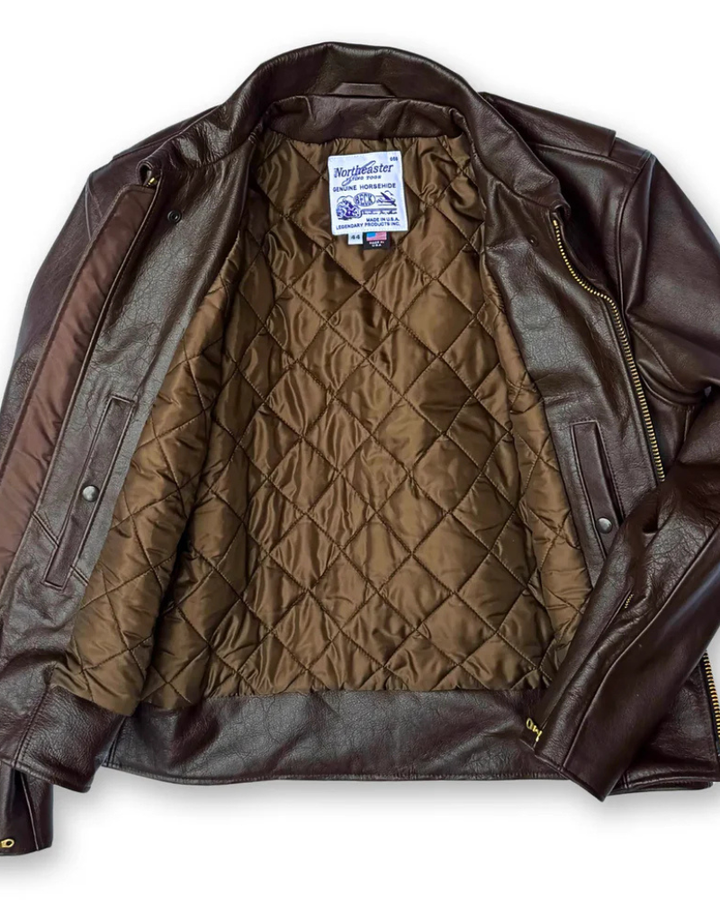
BECK horsehide jackets, available through Legendary USA — including the BECK TM-732 Northeaster Horsehide Jacket — are American-made in the full sense. The horsehide is domestic. The hardware is American-sourced. The cutting and construction happen in BECK's American workshop. This is a manufacturer with decades of documented domestic production behind it.
Cockpit USA, sold through Legendary USA's Cockpit USA collection, manufactures military-heritage flight jackets in the United States using domestic materials. Their G-1, B-3, and A-2 jackets carry the same full domestic manufacturing standard — not assembly of imported components, but domestic production from the hide forward.
Red Flags in American-Made Claims
Certain phrases signal that a "Made in USA" claim may not meet the FTC standard:
- "American design" — describes origin of creative work, not manufacturing
- "Crafted with American values" — not a factual claim
- "Assembled in USA" — a qualified claim; significant components may be offshore
- "Finished in USA" — the most minimal domestic step possible
- No mention of hide sourcing or tannery — a gap in information for leather goods
None of these phrases are illegal, but none of them constitute a full domestic manufacturing claim either. A product that uses only these phrases to describe its American-made status has told you that it doesn't want to make the stronger claim.

Why the Distinction Matters for Performance
The performance case for genuine American manufacturing in leather gear comes down to material traceability and construction quality. A jacket where every significant input is domestic is a jacket where the manufacturer can be held accountable for every quality failure. They know where the hide came from. They know who tanned it. They know who cut it and who sewed it. That accountability tends to produce better gear, because every failure in the supply chain is a failure that comes back to someone with a name and an address.
Offshore manufacturing — or domestic assembly of offshore components — distributes accountability across a supply chain that the end consumer cannot trace. When gear fails, the failure is often untraceable. When American-made gear from an established domestic manufacturer fails, the failure is legible and the manufacturer has an incentive to address it.
Browse the full Legendary USA gear lineup for products that carry genuine domestic manufacturing credentials across gloves, vests, and jackets.
Frequently Asked Questions
Is it illegal to put "Made in USA" on a product that isn't fully domestic?
Unqualified "Made in USA" claims that do not meet the FTC's "all or virtually all" standard can be actionable under FTC regulations. Manufacturers who use qualified language ("Assembled in USA," "Designed in USA") are generally complying with the letter of the regulations. The issue is when manufacturers use the unqualified phrase on products that don't meet the standard. Consumers who believe they've been misled can report claims to the FTC.
Does the country where the hide is tanned affect the quality of the finished leather?
Yes, significantly. The tanning process and the expertise of the tannery determine most of the finished leather's performance characteristics: softness, grain tightness, aging behavior, and how the hide responds to conditioning. American tanneries that specialize in deerskin or horsehide have developed process expertise over decades that directly affects the quality of the leather they produce. Offshore tanneries optimizing for cost produce more variable results.
Are BECK and Cockpit USA fully made in the USA?
Yes. BECK has been manufacturing horsehide jackets in the United States from domestic horsehide for decades. Cockpit USA has been manufacturing military-heritage flight jackets in the United States since 1975. Both manufacturers carry genuine unqualified American-made credentials, not assembled-from-imports alternatives. They are available through Legendary USA as authorized dealers for both brands.