



The most dangerous thing about heat on a motorcycle is not discomfort — it is what heat quietly does to your judgment. Dehydration measurably degrades reaction time and decision-making before you feel impaired, and a motorcycle is an unforgiving place to find that out. This guide covers the physiology in plain terms, the early warnings riders miss, and the habits that keep a hot ride an ordinary one.
What Heat Actually Does to a Rider
Riding in heat is a slow withdrawal from a small account. Wind across your skin evaporates sweat at a tremendous rate — far faster than standing in the same temperature — and the airflow that keeps you comfortable also hides how much water you are losing. A rider in dry 95-degree air can lose more than a liter an hour without ever feeling sweaty, because the evaporation is instant. Lose two percent of your body's water and concentration measurably drops; the checks you run mirror-shoulder-blind spot start arriving a half-beat late. At highway speed, that half-beat is real distance.
The Warning Signs, In Order
Heat trouble announces itself in a sequence. First: thirst, a dry mouth, and a headache behind the eyes — you are already behind on water. Next: fatigue out of proportion to the day, irritability, and the tell riders know as target fixation creep — your eyes stop scanning and start staring. Then the serious tier: chills or goosebumps in the heat, nausea, cramping, and confusion. Goosebumps at 95 degrees are not a quirk; they signal your cooling system failing, and the only correct response is off the bike, into shade, water and rest immediately. Heat exhaustion caught there ends the day. Pushed past there, it can end much more.

The Hydration Schedule
Drink on the clock, not on thirst — thirst lags need by an hour on a motorcycle. The working rule: drink before you leave, then roughly half a liter at every stop, with stops every 60 to 90 minutes in real heat. On desert stretches, carry water on the bike and sip at speed if you have a bladder system. Alternate in an electrolyte mix on multi-hour days — plain water alone, in large volume, flushes the salts your muscles and brain run on. Coffee counts toward your total less than it costs; alcohol the night before starts you in deficit.
Gear as a Cooling System
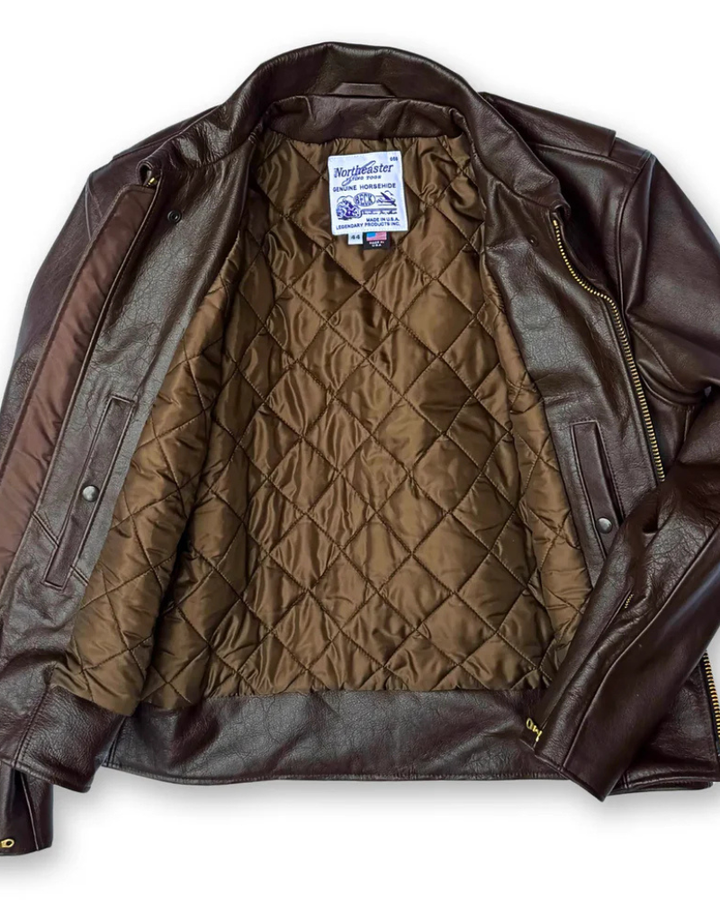
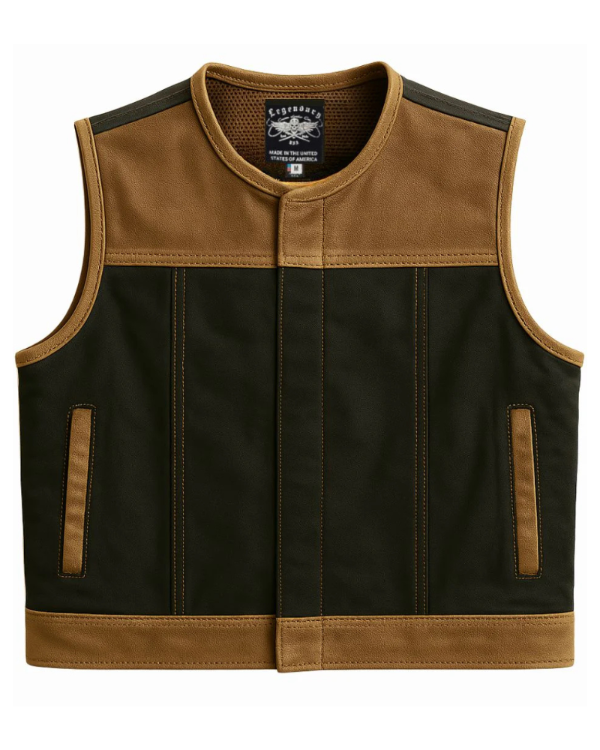
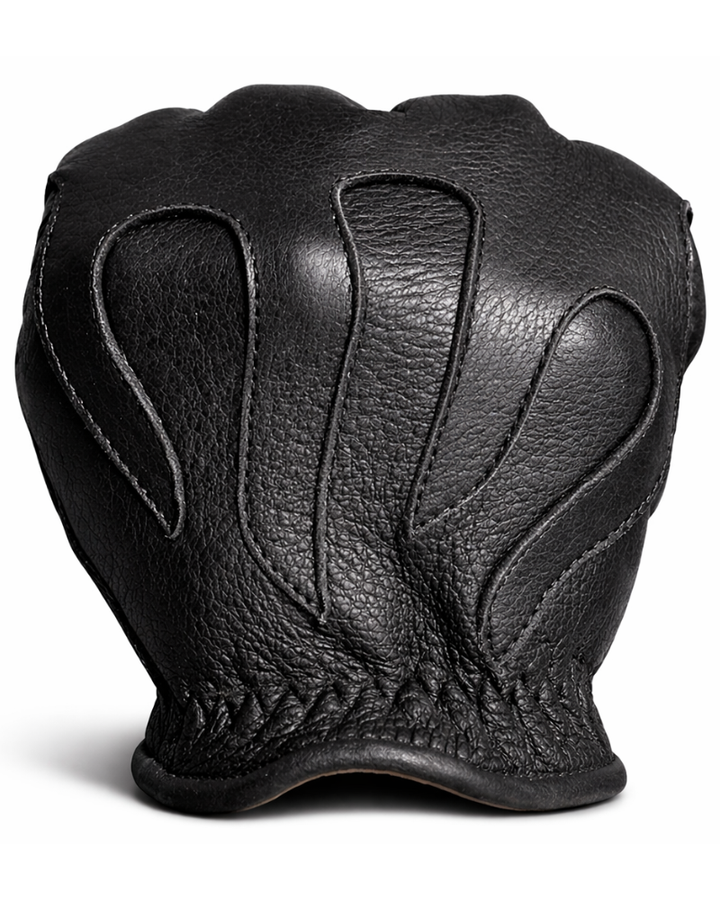
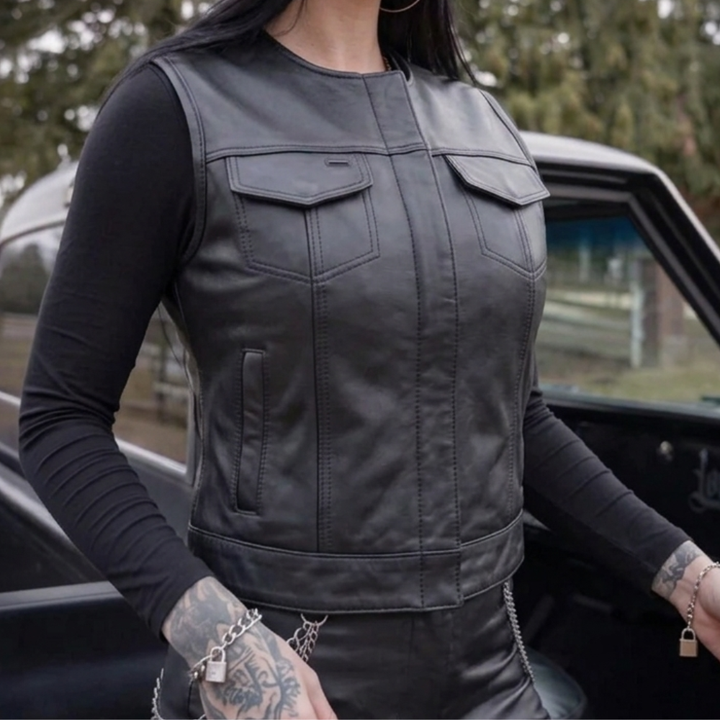
Counterintuitive but proven: covered riders dehydrate slower than bare-skinned ones, because skin in direct sun and wind loses water fastest of all. The heat-smart kit is breathable coverage — thin deerskin gloves like the short wrist touchscreen model or fingerless deerskin for town work, a vest over a wicking base layer, and a wet neck wrap refreshed at every stop. Every piece is in the glove collection and broader gear lineup; the bandana is the cheapest cooling device in motorcycling.
Ride Planning for Heat
Start at dawn and bank the cool hours. Plan the day's hardest, most technical riding before noon, when your concentration budget is full. Route through elevation or shade where the map allows, treat 3-to-6 p.m. pavement as the enemy, and build in a real midday stop — food, shade, thirty minutes — on century-plus days. None of this is weakness; it is the same discipline the long-distance community has run for decades, and it is why their safety record embarrasses the bravado crowd.
Frequently Asked Questions
How much water should I drink while riding in summer heat?
Roughly half a liter every hour of riding in temperatures above 90, taken at scheduled stops — more in dry desert air. If your stops do not include urination at normal intervals, you are under-drinking regardless of how you feel.
What are the first signs of heat exhaustion on a motorcycle?
Headache, unusual fatigue, irritability, and a narrowing of attention — you stop scanning and start staring. Chills, goosebumps, or nausea in hot weather are advanced signs: stop riding, find shade, and rehydrate before continuing or calling the day.
Does wearing gear make heat dehydration better or worse?
Better, if the gear breathes. Covered skin loses water more slowly than bare skin in direct sun and wind. Thin breathable leather and a vest over a wicking layer reduce total water loss compared to riding in a T-shirt.