

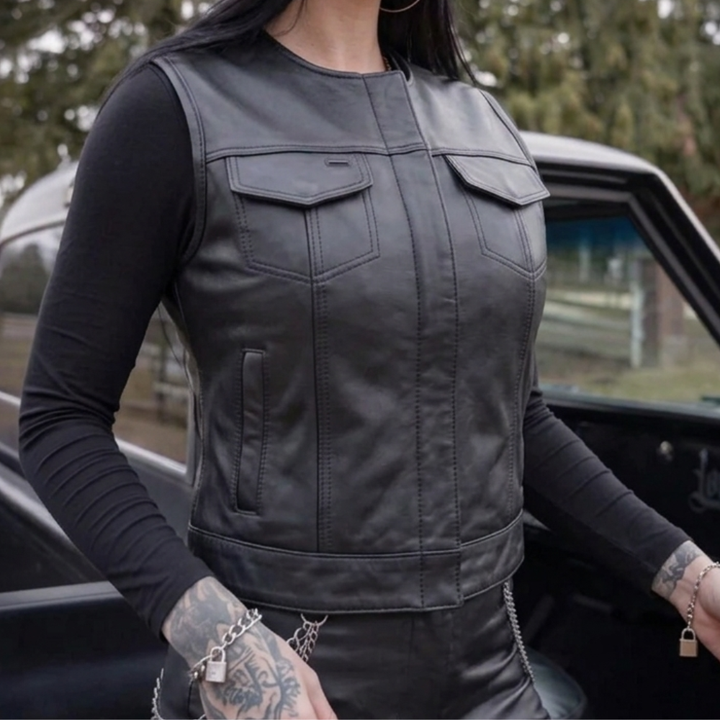


The vest is summer's signature garment, and the first decision a buyer faces is material: traditional leather or modern textile. Both have a case. Textile is lighter and cheaper; leather is tougher and ages instead of wearing out. The right answer depends on what you ask a vest to do — so this comparison goes trait by trait, honestly, and ends with a clear recommendation by rider type.
Heat Behavior
The common assumption — textile cool, leather hot — oversimplifies. A vest of either material leaves your arms fully exposed, and arms are where most of your cooling happens on a moving motorcycle. On the torso, a thin leather vest over a wicking base layer performs close to a textile one at speed, because the open armholes and waist drive the airflow. Where textile pulls ahead is at a standstill in direct sun: it absorbs less heat and sheds it faster. Where leather pulls back ahead is wind: on a cool morning leg or a long descent, leather blocks windchill that thin textile lets straight through, which is why the leather vest is the better three-season piece.

Durability and Aging
This category is not close. A quality leather vest is a decades-long purchase: the hide resists abrasion, the seams outlast fashion cycles, and the leather improves cosmetically with every season of sun and wear. Textile vests fade, fray at the edges, and typically need replacement within a few seasons of regular use. If you amortize cost over service life, the leather vest is routinely the cheaper garment — it just collects its payment up front.
Weight, Packability, and Pockets
Textile wins weight and packability: it rolls into a saddlebag corner and weighs nothing. Leather wins carrying capacity — a leather vest's pockets hold real weight (wallet, phone, tools) without sagging or bouncing, and concealed-carry style interior pockets keep their shape for years. For riders who treat the vest as their luggage system, leather's structure is the feature.
The Patch and Club Question
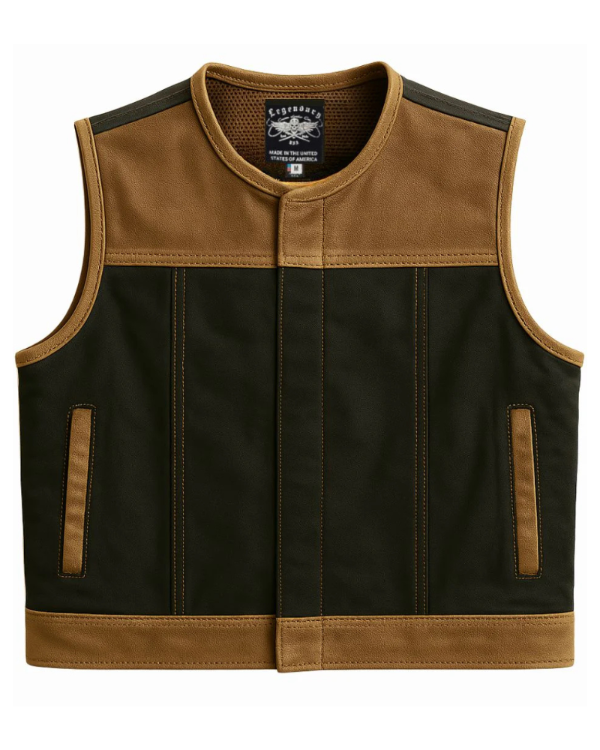
If your vest will carry patches, leather settles the argument. Patches sewn to leather sit flat, stay put, and survive weather that puckers and curls them on textile. The back panel of a leather vest is effectively a permanent canvas — one reason the club tradition has never migrated off leather. Cuts like those in the USA-made vest collection are built with clean, uninterrupted back panels for exactly this purpose.
The Verdict by Rider
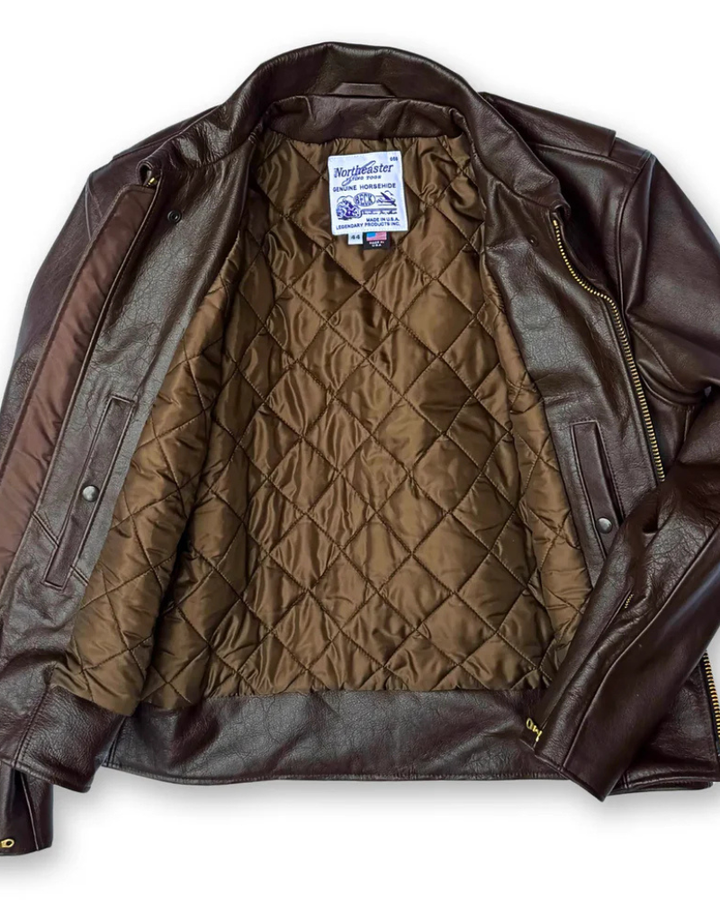
Choose textile if you ride exclusively in extreme heat, prioritize packability, and treat gear as replaceable. Choose leather if you ride three seasons, carry your essentials in your vest, fly patches, or simply want one vest this decade instead of four. For most cruiser and touring riders, the leather vest is the answer — and within leather, hide matters: standard cowhide builds cover most needs, while the BECK 566 horsehide vest brings the densest, most weather-resistant hide in the lineup for riders who want the buy-once option.
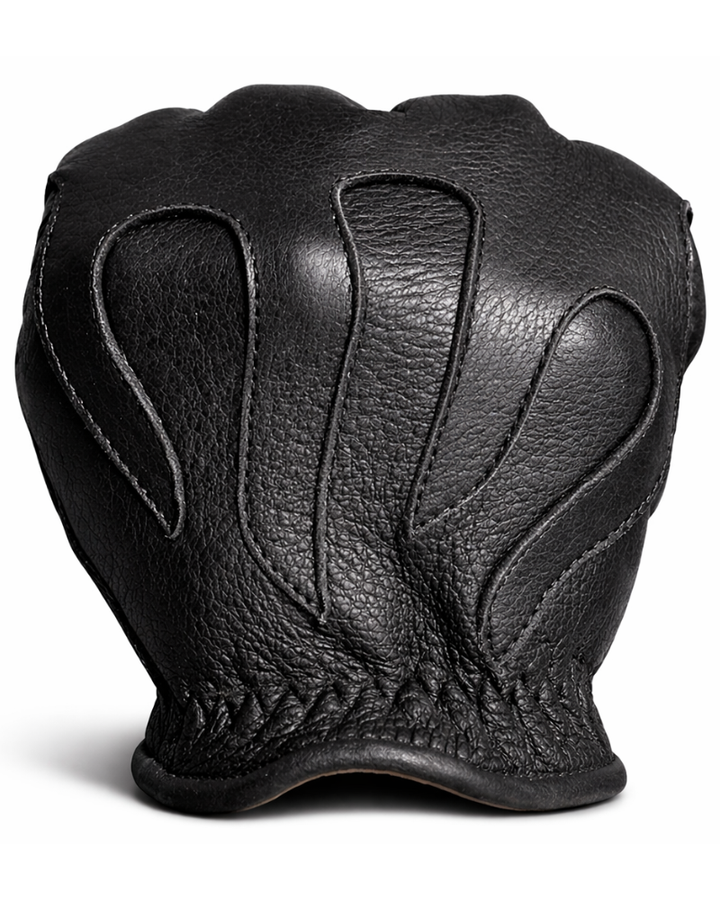
Pair either choice with breathable gloves from the glove collection and browse the broader gear lineup to complete the summer kit.
Frequently Asked Questions
Is a leather vest too hot to wear in summer?
No — the vest's open arms, armholes, and waist drive constant airflow at riding speed. Over a wicking base layer, a leather vest stays comfortable in most summer conditions and earns its keep blocking windchill on cool mornings and evening rides.
What leather is best for a summer motorcycle vest?
Lighter-weight cowhide breathes well and balances cost and durability for most riders. Horsehide, like the BECK 566, runs denser and more weather-resistant and lasts longest. Avoid heavy winter-weight hides with full insulation linings for summer use.
Do textile vests protect as well as leather?
Quality leather offers substantially better abrasion resistance than lightweight summer textile. Neither vest style covers the arms, so for both materials the vest is a core-coverage and utility garment, not a substitute for a riding jacket when conditions call for one.