

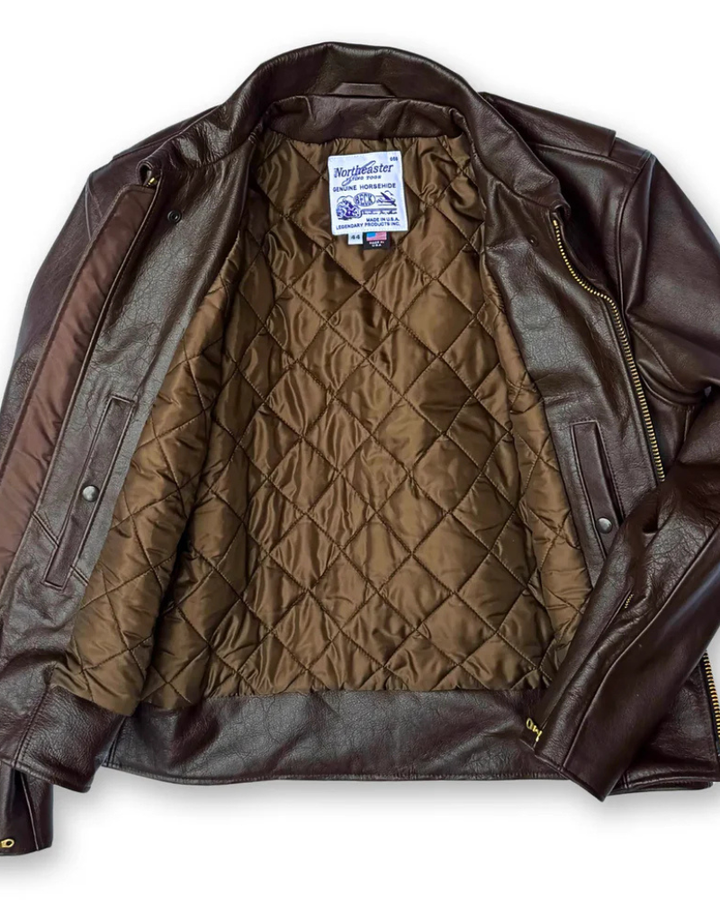
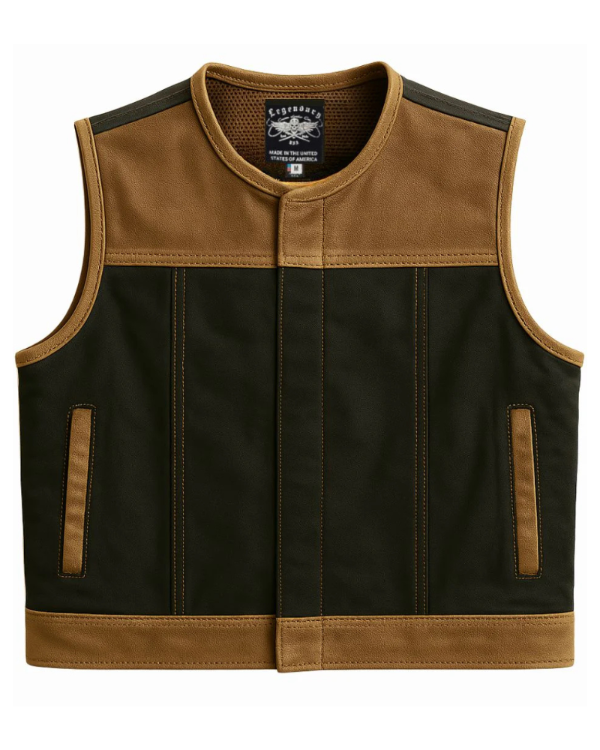
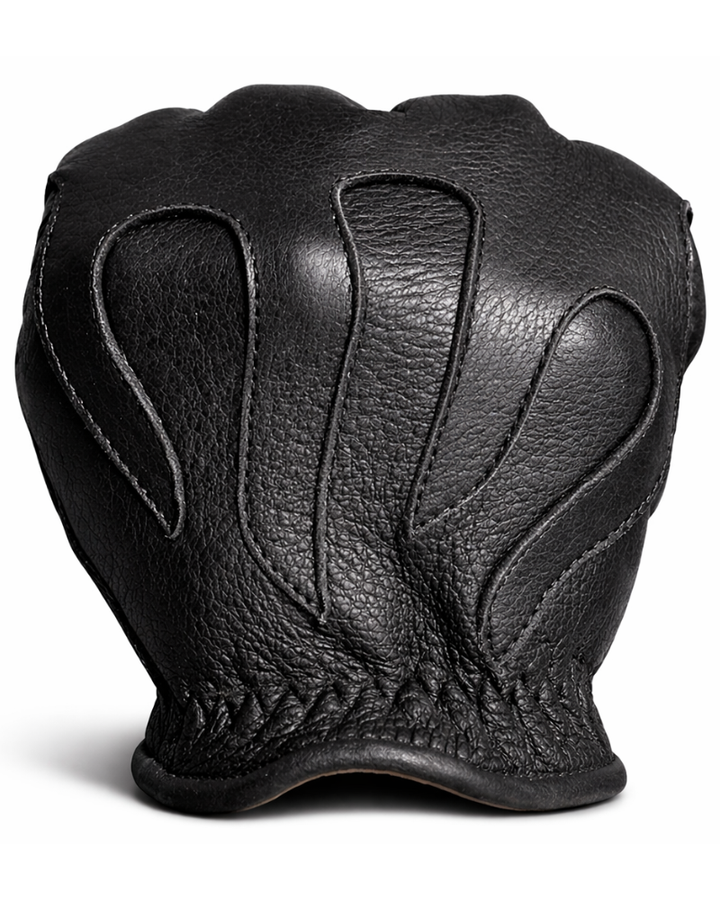

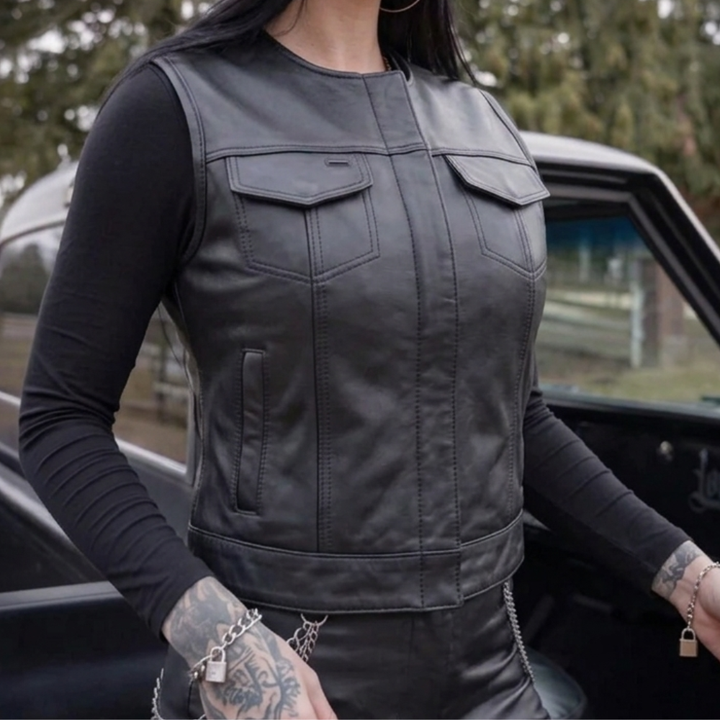


Leather jackets and vests are heritage pieces — built to outlast trends, weather, and rough wear. But even the best American-made leather needs upkeep. Skip the basics for a few seasons and you’ll see the difference: stiff panels, dull surface, cracked elbows, faded patina. Stay on top of five simple habits and the same jacket or vest will look better at twenty years old than it did the day you bought it.
Here are the five essentials we recommend to every customer caring for a Made in USA jacket or vest from our heritage leather lineup.
1. Regular Cleaning and Dusting
Leather garments collect dust, road grit, and skin oils whether you notice it or not. The fix is dead simple: wipe the jacket or vest down with a soft, slightly damp cloth every few weeks of regular wear. For deeper grime — bug splatter, fuel spots, set-in dust — use a barely-damp cloth with a small amount of mild soap, working in small circles. Always test on a hidden area first. Skip household cleaners, alcohol wipes, and saddle soap unless it’s specifically labeled for garment leather.
2. Proper Storage Is Half the Battle
When the jacket or vest isn’t in rotation, hang it on a wide wooden or padded hanger in a cool, dry, ventilated closet. We recommend our heavy-duty 17-inch outerwear hangers for proper shoulder support — thin wire hangers distort the silhouette of a quality jacket within months.
Avoid:
- Plastic garment bags — they trap moisture and grow mildew
- Damp basements, hot attics, or unconditioned storage units
- Direct sunlight, which fades the leather and dries it out
- Compressed storage with other heavy garments squeezing the panels
For long-term seasonal storage, condition the leather first, then use a breathable cotton garment bag instead of plastic.
3. Condition for Suppleness and Longevity

Leather is skin. Like skin, it dries out without moisture. We use and recommend Obenauf’s Heavy Duty LP Conditioner — an all-natural, beeswax-based preservative made in the USA that’s been the standard for hard-worn leather goods for decades. Apply a thin coat with a clean cotton cloth two to four times per year (more often for daily-wear jackets or pieces that see weather). Let it sit overnight before wearing.
Always test on a hidden patch first. Lighter and unfinished leathers may darken slightly with conditioning — that’s normal and even, but worth previewing.
4. Handle Water With Care
Leather is naturally durable but not waterproof. If your jacket or vest gets caught in rain:
- Blot moisture gently with a clean, dry towel — don’t rub
- Hang it on a wide wooden hanger
- Let it air dry at room temperature, away from heat
- Once fully dry, apply leather conditioner to replace the natural oils that water leaches out
Never use direct heat — hair dryers, radiators, car defrosters, or heaters — to speed up drying. Heat pulls moisture out faster than the leather’s natural oils can compensate, which is what causes long-term cracking.
5. Protect from Scratches, Abrasions, and Sharp Objects
Leather scratches. Patches, pin backings, belt buckles, jewelry, and rough seat materials all leave marks. For minor surface scratches, you can often work them out by gently rubbing the area with your fingertips — the natural oils from your hands help blend the abrasion into the surrounding leather. For deeper damage, ripped seams, broken zippers, or worn cuffs, see our guide to professional leather gear repair.
Vest-Specific Care Notes
Leather vests are exposed differently than jackets — less fabric coverage means more direct sun, more sweat absorption around the armholes, and more wear on the front panels from belt buckles and tank bags. A few vest-specific habits we recommend:
- Condition the armhole edges and shoulder seams more often than the rest of the vest — that’s where breakdown starts
- Rotate vests in summer if you wear one daily; back-to-back wear builds up sweat that the leather can’t fully evaporate
- Inspect snap closures monthly — club-style vests get heavy snap use, and a loose snap is much easier to fix than a torn panel
- Add patches with care — sewn patches outlast iron-ons and don’t damage the leather
Frequently Asked Questions
How often should I clean my leather jacket or vest?
Light dust-off every couple of weeks of regular wear; deeper spot-cleaning only when needed. Over-cleaning is worse than under-cleaning — it strips the natural oils.
Can I use the same conditioner on my jacket and vest?
Yes, in most cases. Quality all-natural conditioners like Obenauf’s LP work across full-grain American leather — horsehide, steerhide, deerskin, and bison. Always test on a hidden spot first, especially with vegetable-tanned or unfinished leathers.
What’s the difference between conditioning and waterproofing?
Conditioning replaces natural oils to keep the leather supple. Waterproofing adds a surface barrier (often beeswax-based) to repel water. Heavy-duty conditioners like Obenauf’s do some of both. For seriously wet riding, a dedicated leather waterproofer adds extra protection on top.
Should I dry-clean a leather jacket?
Only with a leather specialist — never a regular dry cleaner. Standard dry-cleaning solvents strip the leather and damage the finish. Most maintenance can be handled at home with the basics above.
How long should a quality leather jacket last with proper care?
Decades. Customers regularly send us photos of jackets they bought from us in the 1990s and 2000s that are still in active rotation, just better broken in. Quality American leather rewards consistent care.
Are jacket and vest care routines really the same?
Mostly — the leather is the same, so the cleaning, conditioning, and storage rules carry over. Vests just need a bit more attention at the armhole edges and front panels, and they tolerate sweat differently. See our jacket-specific care guide for more depth on heavy outerwear.
Quality Care Products We Trust
Browse our full leather care products lineup — conditioners, cleaners, and storage essentials we use ourselves on the gear we sell.
Article originally published August 2023. Updated May 2026 with vest-specific care guidance, expanded conditioning detail, and FAQ.