



Most riders who buy American-made leather motorcycle gear focus on the finished product. Fewer think about what happened to the hide before it reached the workshop. The tannery is where the quality of a leather product is largely determined — before a single stitch is placed, before a pattern is cut, before any construction begins. Understanding what American tanneries do differently explains a lot about why domestic leather gear performs the way it does.
What a Tannery Does
A tannery converts raw animal hide into stable, workable leather. The raw hide, if not processed, would decay. Tanning preserves the collagen structure of the hide while making it supple, durable, and resistant to water and rot. The specific method used to tan a hide determines the character of the finished leather: its softness, grain tightness, color depth, aging behavior, and how it responds to conditioning over time.
There are two primary tanning methods that matter for motorcycle leather: vegetable tanning and chrome tanning. Vegetable tanning uses plant-derived tannins and produces a firmer, denser leather that ages distinctively and responds well to conditioning. Chrome tanning uses chromium salts, is faster, and produces a softer, more uniform leather. American tanneries use both methods, but domestic operations that specialize in performance leathers — deerskin, horsehide, heavy cowhide — tend to use vegetable tanning or hybrid processes that produce leather with more character over time.
Deerskin Tanneries in the United States
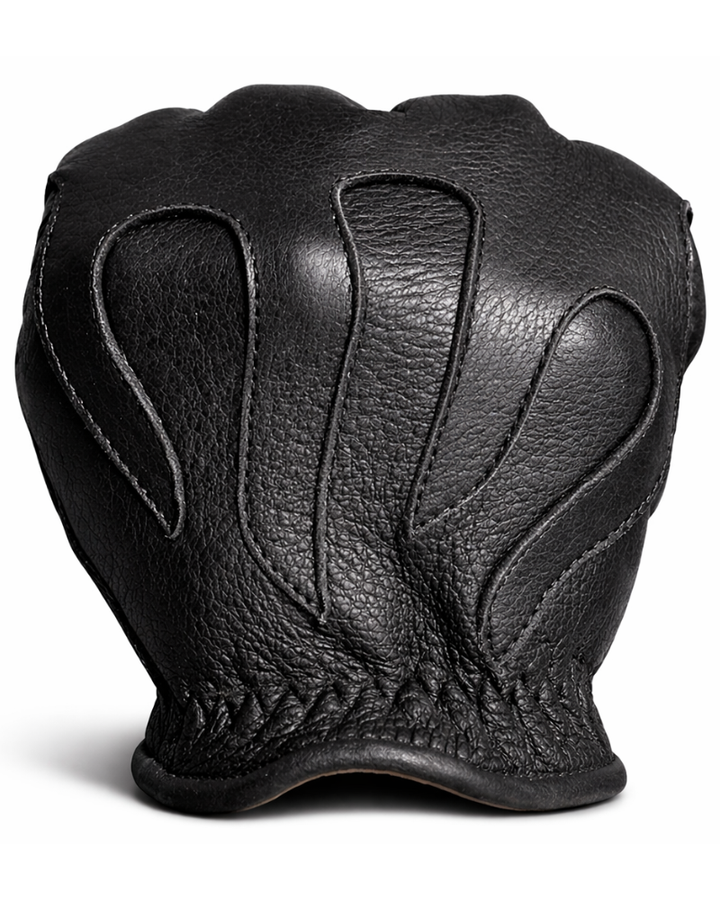
American deerskin has been tanned domestically for centuries. The process preserves the naturally occurring lanolin in the hide — an oil that makes deerskin soft from the first wear and keeps it supple without constant conditioning. The deerskin used in the Legendary USA American-made motorcycle gloves comes from domestic supply chains that have been processing this specific hide type through consistent methods for generations.
The lanolin retention in properly tanned domestic deerskin is not a feature that can be specified in an offshore order and reliably delivered. It is a function of the hide's origin, the feed and habitat of the animal, and the tanning process applied to that specific type of hide. American tanneries that specialize in deerskin know this and work with it. The result is leather that is noticeably different from offshore deerskin alternatives, even when the price difference is modest.

Horsehide and the Domestic Supply Chain
Horsehide is a denser, tighter-grained leather than cowhide. It is also rarer, because horses are not raised primarily for their hides. Domestic horsehide comes from a limited number of American supply sources and is processed through tanneries that have developed specific expertise with this hide type over decades.
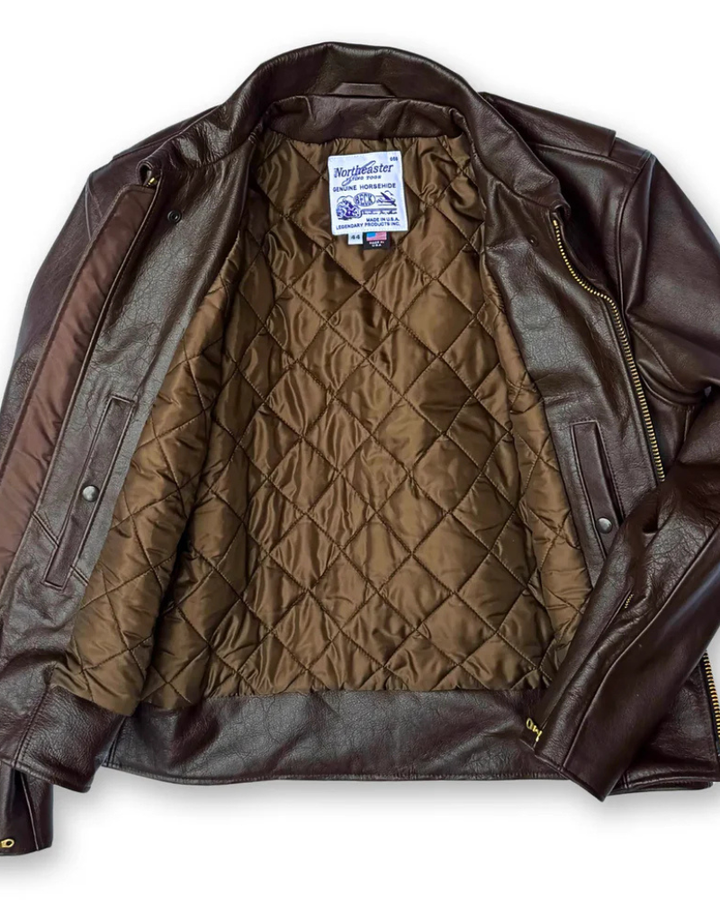
BECK, whose horsehide jackets are available through Legendary USA — including the BECK TM-732 Northeaster Flying Togs Horsehide Jacket — sources American horsehide through domestic supply chains. The tanning process used for BECK horsehide produces leather that is stiffer initially and more resistant over time than cowhide alternatives. The grain tightness that makes horsehide distinctive — the way it resists surface abrasion and holds its shape through decades of use — comes from the combination of the horse's naturally denser skin structure and the domestic tanning process applied to it.
Why the Tannery Matters for the Workshop
A workshop that cuts and sews leather can only work with what the tannery gives them. Inconsistent hide thickness produces gloves with uneven feel across the palm. Hide that was tanned too quickly produces leather that looks good on day one and cracks at fold points by year two. Hide that was under-tanned produces leather that doesn't hold a stitch well and fails at seams under stress.
American workshops that have long-term relationships with specific domestic tanneries have solved these problems through continuity. They know the hide they're working with, they know how it behaves under a needle, and they know how it ages. That knowledge produces better products than a workshop that sources from whatever tannery offers the best price on a given order.

What This Means for Your Gear
When you buy American-made leather gear from an established domestic manufacturer, you're buying the output of an entire supply chain, not just a finished product. The deerskin in your Legendary USA gloves was selected at the tannery before it was cut at the workshop. The horsehide in your BECK jacket went through a domestic tanning process developed over decades. The full gear lineup at Legendary USA reflects that supply chain discipline in every product it carries.
The tannery is not visible in the finished product. But it is present in every ride, in the way the leather feels against your hand on a cold morning and the way it holds up after five hundred miles in the rain.
Frequently Asked Questions
What is the difference between vegetable-tanned and chrome-tanned leather for motorcycle gear?
Vegetable-tanned leather uses plant-derived tannins and produces a firmer, denser hide that develops a patina over time and responds well to conditioning. Chrome-tanned leather uses chromium salts, processes faster, and produces softer, more uniform leather with less aging character. For motorcycle gloves and jackets where longevity and break-in development matter, vegetable tanning or hybrid processes tend to produce better long-term results. Most premium American motorcycle leather uses these methods.
Can I tell which tannery supplied the hide in a leather product?
Not from the finished product alone. The best approach is to ask the manufacturer directly. Established domestic manufacturers often have long-term relationships with specific tanneries and can name them. A manufacturer that can tell you where their hide comes from and which tannery processed it is providing verifiable information. One that cannot may be sourcing from commodity markets without consistent quality control.
Does the tanning method affect how I should care for my leather gear?
Yes, in a meaningful way. Vegetable-tanned leather responds well to natural conditioning products like neatsfoot oil and beeswax-based conditioners. Chrome-tanned leather is less sensitive to conditioning frequency but also develops less character over time. For deerskin specifically — which retains natural lanolin from domestic tanning — the conditioning needs are minimal. Light application of a deerskin-appropriate conditioner once or twice a season is sufficient. Over-conditioning deerskin softens it past its optimal feel and can compromise grip texture.