


The American Motorcycle Tradition: A Century on Two Wheels
The American motorcycle tradition is a century-old thread that runs from the board tracks of the 1910s, through the veterans who came home from World War II and formed riding clubs, to every rider who rolls out on the Fourth of July. The machines changed; the reasons did not. This is the short version of that history, and the gear that carried it.
Board Tracks, Backroads, and the First Riders

American motorcycling began in earnest in the early 1900s, when Harley-Davidson and Indian turned the bicycle-with-a-motor into an industry. Board-track racing packed grandstands through the 1910s and 1920s, and riders crossed the country on dirt roads that punished machines and men equally. Motorcycles were transportation, sport, and rebellion all at once from the very start.
The gear of that era was borrowed from work and war: dense horsehide coats, deerskin gauntlets, wool, and boots that could kick-start a stubborn engine all day. None of it was styled. All of it was earned.
The Veterans Who Built the Culture
The tradition most riders recognize today took shape after 1945. Veterans came home with mechanical skills, surplus bikes were cheap, and the brotherhood of service found a new form in riding clubs. Sturgis had already started in 1938 and the Daytona 200 in 1937; the postwar wave turned them into institutions.
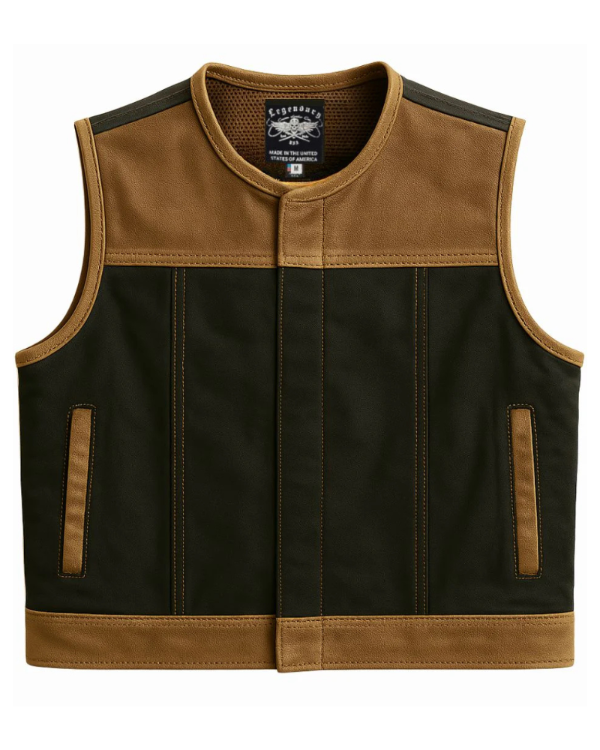
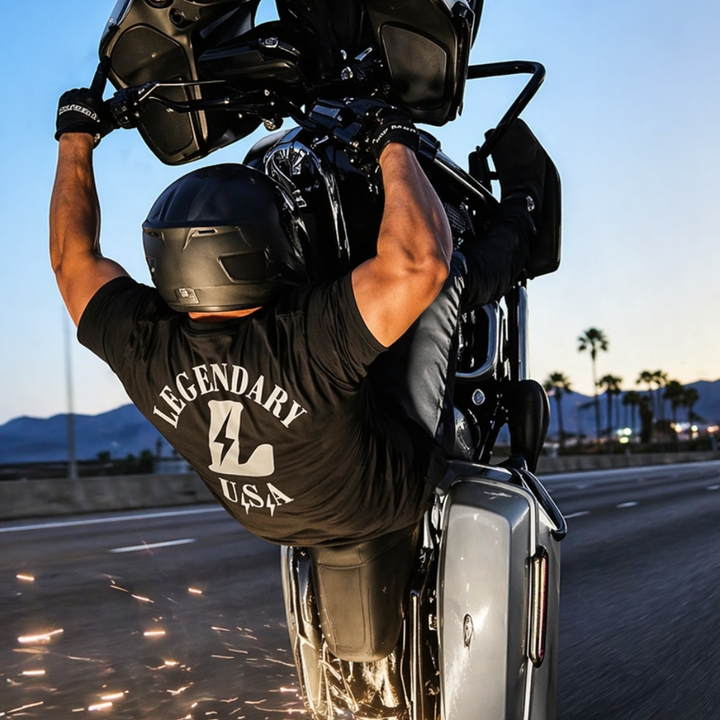
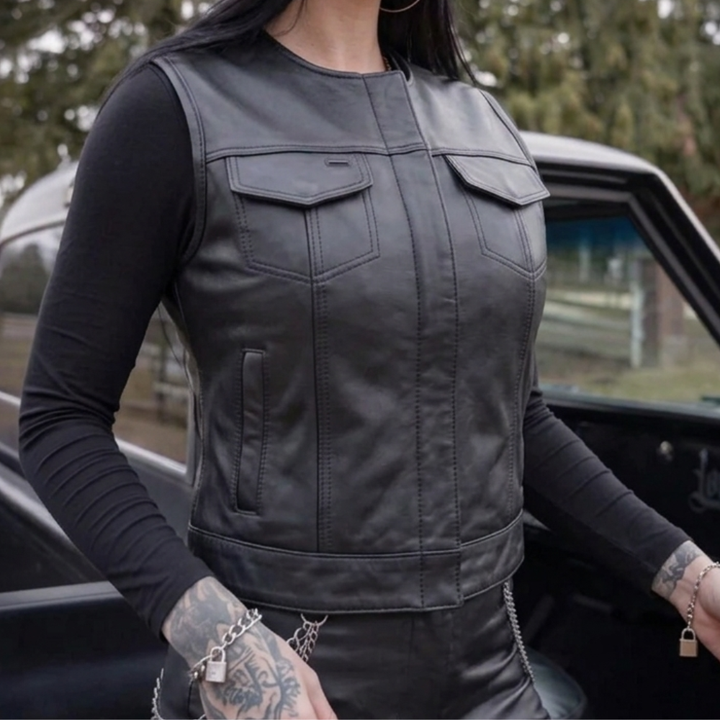
That generation gave American riding its visual language — the club vest, the patch, the broken-in leather jacket. The vest tradition in particular runs unbroken from those clubs to the USA-made motorcycle vests riders wear now.
The Gear That Carried It: Horsehide Then, Deerskin Alongside
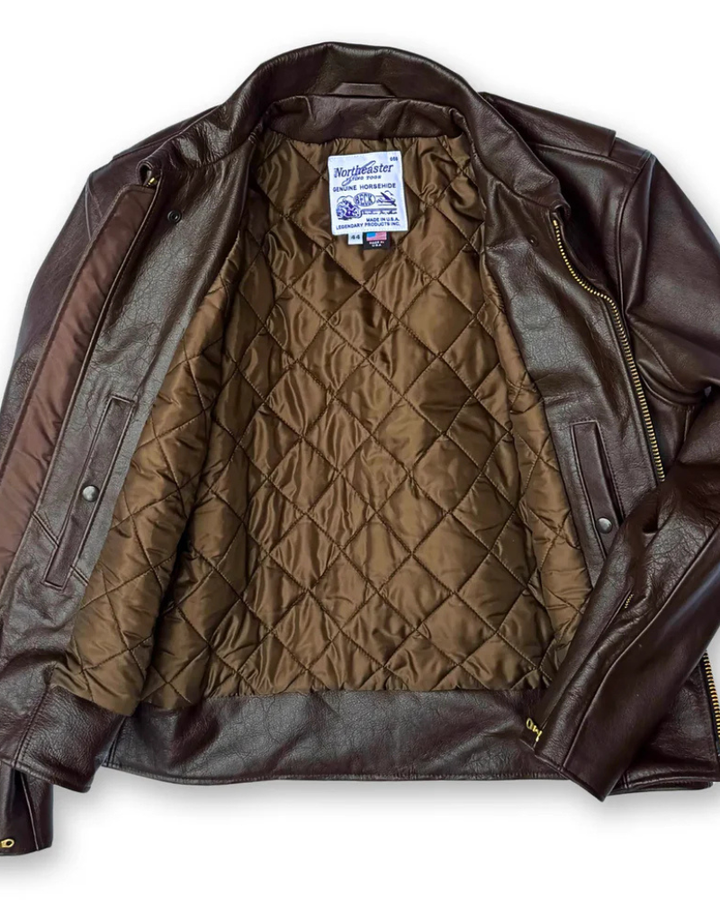
Horsehide was the leather of the golden era — tight-grained, wind-stopping, nearly impossible to wear out. BECK built jackets and vests from it that riders kept for decades, and the story of that name is told in What the BECK: horsehide motorcycle jackets and vests. Deerskin worked the other side of the street: softer, faster to break in, and the natural choice for gloves, where feel at the controls beats stiffness.
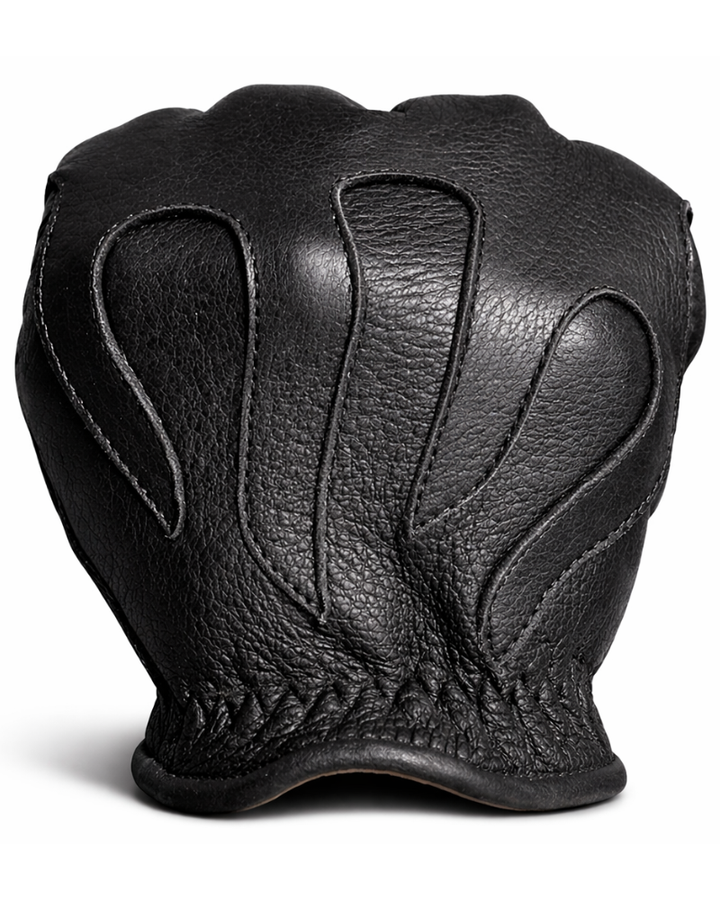
That split still holds. Horsehide remains the heavyweight tradition; deerskin remains the glove leather, and the Classic American Whitetail deerskin gauntlets are cut to the same full-coverage pattern riders wore when fairings did not exist. The story of how that glove work became a business is told in building the Legendary USA glove business.
The Fourth of July and the Open Road
Independence Day sits in the middle of American riding season, and no holiday fits the tradition better. Escort rides for veterans, small-town parades with a motorcycle contingent, and packs of riders on rural highways are as much a part of the day as fireworks. Independence is the whole point of the machine — one rider, one engine, and a road that does not ask permission.
Carrying It Forward
Traditions survive when someone keeps doing the work. Legendary USA opened in 2001 and has spent 25 years hand-cutting gloves and gear in the United States, keeping patterns like the keystone thumb and the outseam stitch in production. Partnering with heritage names like BECK keeps the old leathers on the road instead of behind glass.
Frequently Asked Questions
- When did the American motorcycle tradition start?
- American motorcycling took shape in the early 1900s, when companies like Harley-Davidson and Indian put the country on two wheels and board-track racing drew huge crowds through the 1910s and 1920s. The culture most riders recognize today — clubs, rallies, long-distance touring — grew after World War II, when returning veterans bought surplus bikes and kept riding together. Rallies like Sturgis, founded in 1938, carried it forward.
- Why did returning WWII veterans shape motorcycle culture?
- Veterans came home in 1945 with mechanical training, a taste for speed, and a bond with the men they served with. Motorcycles were cheap, plentiful as surplus, and delivered the intensity civilian life did not. Riding clubs gave that brotherhood a structure, and the vests, patches, and leather that came with club life became the visual language of American riding. Much of today's gear tradition traces straight back to that generation.
- What gear defined early American motorcycle riders?
- Horsehide jackets, deerskin gauntlet gloves, engineer boots, and later the cut-off vest. Horsehide was the working leather of the era — dense, wind-resistant, and tough — and brands like BECK built their name on it. Gauntlet gloves sealed the gap between glove and jacket cuff on bikes with no fairings or wind protection. The patterns worked, which is why makers still cut them today.
- What is the connection between Independence Day and motorcycle riding?
- The Fourth of July sits in the heart of American riding season, and the holiday's themes — independence, self-reliance, the open road — map directly onto why people ride. July 4th rides, veteran escort rides, and small-town parades with motorcycle contingents are fixtures across the country. For many riders it is the one day the whole tradition, from the flag on the back of a vest to the bike itself, points the same direction.
- Is American motorcycle gear still made the traditional way?
- Some of it is. Most motorcycle gear sold in America today is imported, but a small group of makers still cut and sew domestically using the old patterns — outseam stitching, keystone thumbs, horsehide and deerskin panels. Legendary USA has hand-cut gloves in the United States since 2001 and works with heritage names like BECK to keep traditional American patterns in production rather than in museums.
A hundred years in, the American motorcycle tradition is still what it was on day one: a machine, a road, and the decision to go. The gear that survives from each era survives because it worked. Ride the Fourth like the century of riders before you — and wear leather that will outlast the fireworks.