



Why Mass-Produced Motorcycle Gear Falls Short for Serious Riders
Mass-produced motorcycle gear prioritizes speed and margin over substance. When a jacket rolls off a factory line producing thousands per week, corners get cut. Seams aren't reinforced where impact matters. Leather gets thinner to hit a price point. Hardware gets swapped for cheaper alternatives that fail after a season or two.
A real rider notices immediately. You feel the difference in how a jacket sits on your shoulders, how the sleeves align with your wrists, how the leather responds when you move. Mass production doesn't account for the wear patterns you'll actually experience on long rides, during crashes, or over the years of ownership you're planning for.
We've watched riders come to us frustrated because their gear gave up on them. A zipper that wouldn't hold. Stitching that separated at stress points. Leather that cracked instead of aging. That's not what you deserve when you're trusting your safety to the apparel you wear.
What to do next: Before you buy anything, examine the seams under good light. Check stitching at stress points like shoulder seams and sleeve ends. Real gear shows craftsmanship in the details.
The Problem With Import-Heavy Alternatives in Today's Market
Import-heavy manufacturing creates layers of disconnection between the maker and the rider. Quality control gets harder when production happens overseas and oversight is remote. Lead times stretch. Communication gets lost in translation, literally and figuratively. When something goes wrong, accountability becomes murky.
Beyond logistics, imported leather often doesn't meet the standards American riders have come to expect. Environmental regulations differ by country. Tanning practices vary widely. Leather sourced and finished abroad frequently develops issues faster than domestic-sourced hides, especially under the stress conditions riders put gear through.
There's also the practical reality: when you need help or a repair, distance and cost barriers kick in. A rider in New Mexico can't easily ship a jacket overseas for adjustments or fixes. Support gets handled through email chains that take weeks. Our approach is different because we're here, accessible, and accountable for every piece we make.
What to do next: Check where your motorcycle gear is actually made and finished. If you can't find that information easily, there's your answer about how much the company values transparency.
What Sets Truly American-Made Motorcycle Apparel Apart
American-made means we control every variable that matters. We select the leather personally. We oversee tanning and finishing to our standards. Our pattern makers and cutters work in facilities we operate. Our seamstresses know the riders their work protects. When something doesn't meet our spec, we catch it before it ships.
There's an accountability that only exists when you're building in the same country where your customers live. We're subject to the same regulations they are. Environmental standards, labor practices, safety compliance, they're not negotiable. They're the baseline. And our customers can actually reach us if they need something.
American manufacturing also means we invest in skill and training. Our craftspeople learn the trade over years, not months. They understand leather grain variations and how different hides behave. They know the difference between a seam that holds for a season and one that holds for a decade. That knowledge lives in their hands.
What to do next: Ask any gear maker where their leather is sourced, tanned, and where final assembly happens. The level of detail they provide tells you everything about how much they control their process.

Our 25 Years of Craftsmanship in Leather Production
We've been making motorcycle apparel since the mid-1990s. That's a quarter century of learning how leather behaves across different weather conditions, different riding styles, and different body types. We've watched how jackets age in the hands of riders who actually use them.
Twenty-five years means we've sourced from American tanneries long enough to develop real relationships with them. We know the masters who've been working hides for their entire careers. We've learned which tanning methods produce leather that develops character instead of just deteriorating. That's not knowledge you pick up from a supply catalog.
Our longevity also means our patterns have been refined through thousands of riders. We know where jackets crease, where stress concentrates during rides, where reinforcement actually matters. Every detail serves a purpose built on decades of feedback and observation.
What to do next: Look for how long a gear maker has been in business and what they say about their evolution. Ten years is good. Twenty-five years tells you something different about their commitment to the craft.
The Durability Advantage of Genuine American Leather
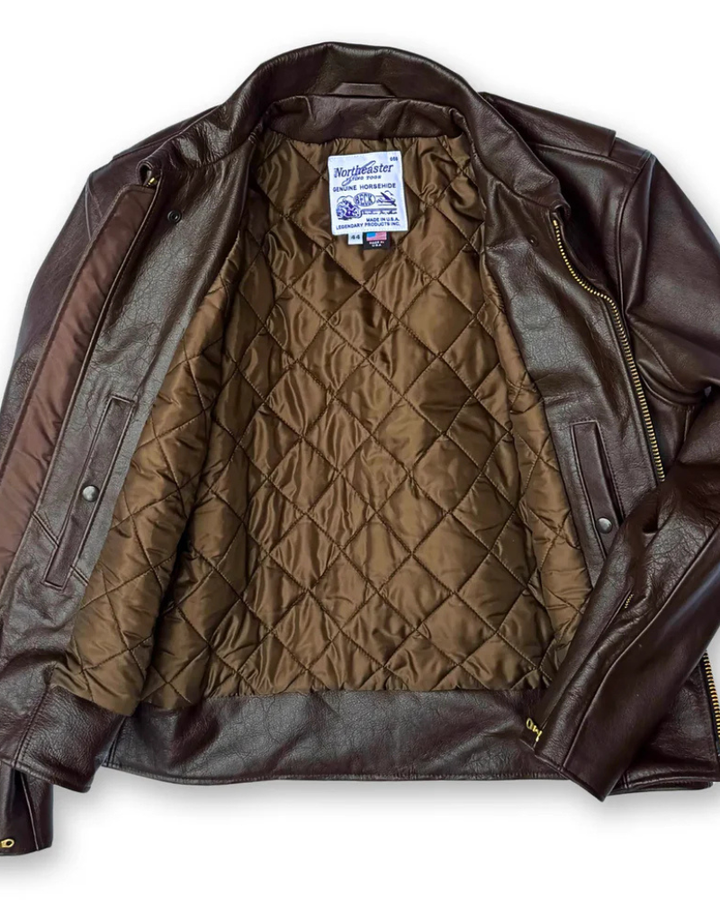
American leather, when sourced and tanned properly, simply lasts longer. It develops a patina instead of peeling. It strengthens over time instead of weakening. We use full-grain cowhide and hand-selected hides for our leather touring jackets because that's what withstands real use.
Full-grain leather retains the natural character of the hide. That means color variation, grain patterns, and marks are genuine. It also means durability. The surface hasn't been sanded away, so you're working with the leather's full protective layer. As you ride and use it, the leather becomes more supple while actually getting tougher.
We also use vegetable-tanned leather where it matters for specific applications. It breaks in properly. It molds to your body instead of staying stiff or stretching unevenly. A jacket made from quality vegetable-tanned leather becomes an extension of you after a season of riding.
The difference shows in longevity. Riders send us jackets they've owned for a decade, asking for repairs or customization. The leather is still intact. The seams still hold. That's the durability advantage you get when quality leather is the starting point, not the compromise.
What to do next: Feel the weight and flexibility of a leather jacket before buying. Good leather feels substantial but supple. It shouldn't feel plastic-like or overly thin.
Safety Standards and Real-World Performance Testing
Safety isn't something we bolt on. It's built into every design decision. Our leather touring jackets incorporate abrasion resistance, impact padding in critical areas, and reinforced seams at stress points. We meet and exceed industry safety standards because that's the bare minimum for gear we're putting on riders.
We test our apparel the way riders actually use it. That means friction testing on asphalt to measure abrasion resistance. Impact testing on shoulders, elbows, and back. Sleeve and torso testing to ensure mobility doesn't compromise safety. We don't rely on computer models alone. Real-world testing tells us what actually works.
Reinforcement is strategic, not random. Abrasion panels go where a crash would likely impact. Stitching gets doubled or triple-stitched at joints where seams fail first. Padding placement responds to actual impact zones, not guesswork.
What to do next: Ask any gear maker about their testing methodology. If they can't explain the safety features with specifics, keep looking.
Our Commitment to Domestic Manufacturing and American Jobs

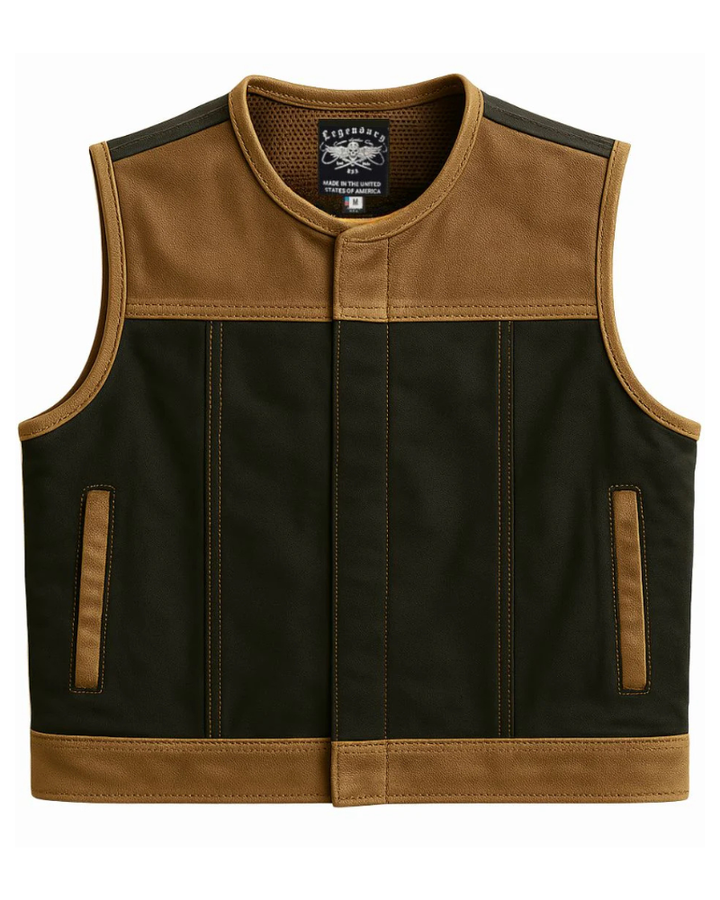
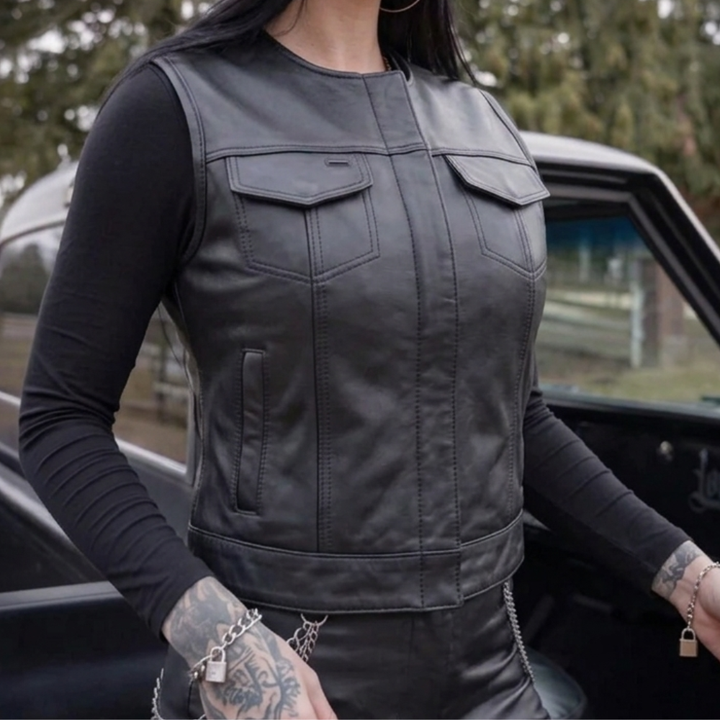
Manufacturing motorcycle apparel in the United States keeps skilled jobs here and ensures consistent quality oversight. Every jacket and cowhide leather vest we make supports craftspeople in American workshops. That's not just principle. It's the foundation of how we maintain control over quality.
We work with American leather suppliers and tanneries because we believe in supporting the domestic leather industry. When you buy from us, you're supporting a supply chain that exists within the United States. The tanner, the cutter, the seamstress, the inspector, they're all here.
This commitment costs more. Domestic labor is more expensive than overseas alternatives. American environmental standards are stricter. But that's what produces gear you can trust. We'd rather make fewer jackets at full quality than flood the market with cheap products made offshore.
What to do next: When comparing gear prices, account for where manufacturing actually happens. American-made typically costs more upfront. The math changes when you account for longevity and repair accessibility.
How We Build Motorcycle Jackets for Long-Term Ownership
We design for decades, not seasons. That means construction methods that can be repaired, not thrown away. Seams are replaceable. Linings can be replaced. Zippers can be swapped. Hardware is sourced to standards that allow for future replacement. A jacket that can only be discarded after one season isn't built for real riders.
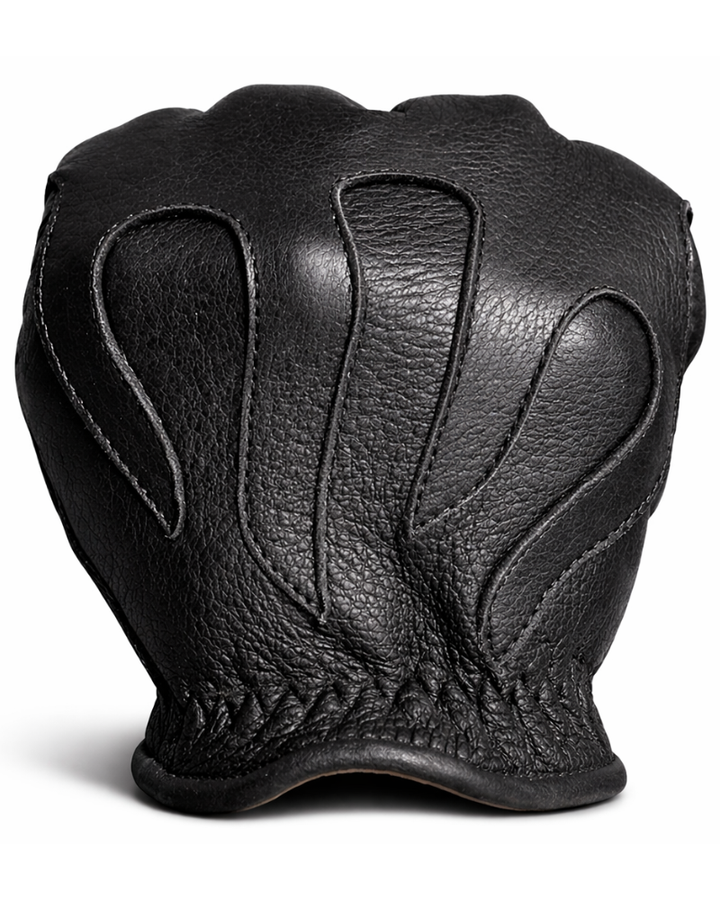
Our made-in-USA gloves use the same philosophy. Stitching is tight enough to last years but accessible enough for repairs. Leather is selected for a break-in period that ends in comfort, not premature wear.
Long-term ownership also shapes how we select leather thickness and construction methods. A jacket should feel better after a year of riding than it does new. Leather should develop character. Seams should stay intact. The fit should improve as leather molds to your body.
What to do next: When you're looking at a jacket, ask the maker what their repair and replacement options are. That tells you whether they're building for one season or a decade.
Authentic Styling That Honors Motorcycle Heritage
Real motorcycle apparel doesn't chase trends. It reflects the actual history of how riders dressed and the functionality that history demands. Our designs respect classic silhouettes because those silhouettes emerged from what works on a motorcycle.
The cut of a jacket isn't arbitrary. The length, the sleeve position, the waist shaping, all of it comes from decades of riders figuring out what doesn't flap in the wind, what protects in a crash, and what moves with your body during long rides. We honor that heritage by maintaining those proportions instead of distorting them for fashion.
Styling choices like hardware, stitching details, and patch placement reference genuine motorcycle culture without overselling it. You get a jacket that looks right because it is right, not because it was designed by someone who watched motorcycle movies.
What to do next: Look at how motorcycle gear was actually worn in the 1950s, 1960s, and 1970s. Real heritage designs feel familiar because they echo that functionality and proportion.
Real Customer Service That Stands Behind Every Piece
We answer our phones. That's not a slogan. You reach an actual person who can talk through sizing, material questions, or repair needs. We stand behind every piece we make, and that means being accessible when you need something.
If a jacket doesn't fit right, we handle it. If you need adjustments, we talk through options. If something fails under normal use, we take care of it. Customer service that requires hours on hold or responses via automated email doesn't work for riders who trust us with their safety.

We also build relationships with riders over years, not transactions. Someone buys a jacket from us in 2020, calls in 2026 because they need repairs or want to order gloves. We remember them. We know their fit. We know what they ride. That continuity matters.
What to do next: Before you buy, call and talk to someone. See how quickly you reach a human. Ask about their repair policies. That conversation tells you everything about how this company actually operates.
Choosing Quality Over Trends: An Investment in Lasting Gear
Quality motorcycle apparel is an investment. A genuine leather jacket costs more than a fast-fashion alternative. But a real jacket worn consistently over a decade costs less per year than cheap replacements purchased every two seasons. The math is simple once you account for longevity.
Beyond economics, there's the performance reality. Gear that lasts through multiple seasons still protects on your fifth ride as much as your first. The leather hasn't degraded. The seams haven't weakened. The padding hasn't compressed. A ten-year-old Legendary USA jacket will protect you better than a three-year-old mass-produced alternative.
You also avoid the hassle of endless replacements. You develop a relationship with your gear. A jacket breaks in to your body. You know how it moves. You trust it. That's only possible when you're keeping the same piece for years, not cycling through disposable options.
Choosing authentic American-made motorcycle apparel means choosing a different philosophy about what gear should be. Not something to consume and replace. Something to own, maintain, and rely on. That's how serious riders approach their equipment.
What to do next: Budget for one quality jacket instead of two cheap ones. Take care of the leather with proper conditioning. Plan for your gear to be with you for years. That shift in mindset changes everything about what you're actually investing in.
Our commitment to craftsmanship, American manufacturing, and real customer service means we're here when you need us. Real riders deserve real gear, made by people who understand what you're actually asking for. That's what we've built over 25 years, and it's what we stand behind every single day.
Join our Legendary VIP newsletter and save 15% OFF your first purchase https://legendaryusa.com/pages/vip-text-club
Frequently Asked Questions (FAQ)
Why do we focus exclusively on American manufacturing instead of outsourcing production?
We believe our customers deserve to know exactly where their gear comes from and who made it. Over our 25 years in business, we've invested in domestic production because it gives us direct control over every stitch, every leather selection, and every safety feature that goes into our jackets and vests. When you buy from us, you're supporting American jobs and getting a product built by craftspeople who take pride in their work.
How do we ensure our leather gear will actually last through years of riding?
We source genuine American leather and use time-tested construction methods that have proven themselves across decades of real-world use. Our jackets aren't designed for one season or one trip—we build them for long-term ownership, which is why we stand behind every piece with genuine customer service that picks up the phone and actually helps you. If something fails, we fix it because our reputation depends on your satisfaction.
What's the difference between our motorcycle apparel and mass-produced alternatives?
Mass-produced gear cuts corners with thinner leather, inconsistent stitching, and safety shortcuts to hit price points. We use full-grain leather, reinforce high-stress areas, and conduct real-world performance testing to ensure our jackets protect you as intended. Our commitment to authenticity means you get vintage-inspired styling combined with modern safety standards, all built right here in America.