


The best motorcycle vests for patches have two things: a back panel with no seam running through patch territory, and a material you or your shop can actually sew. In the Legendary USA line, that means the Outlaw for leather, the Club Style for a budget leather back, and the Revolution, Ole Blue and Black Jack for vests you can patch on a home machine. Veterans Day is when a lot of riders add a unit, memorial or POW/MIA patch, so here is how to pick the vest that will carry it.
What makes a vest good for patches

The back panel decides most of it. A one-piece back gives a center patch and rockers a flat surface, while a seam across the upper back runs through the exact spot a top rocker sits. The second factor is the material, because leather sews differently than denim or Cordura.
Leather vs denim vs Cordura for patching
| Material | Sewing patches | On the bike | Tradeoff |
|---|---|---|---|
| Cowhide leather | Needs a heavy machine and leather needle, or a leather shop | Blocks the most wind | Heavier and warmer in summer |
| Denim | Sews on a standard home machine | Light and comfortable | Lets more wind through than leather |
| Cordura with leather trim | Clean one-piece back for patch installation | Light, built for hot weather | Less traditional look than full leather |
Legendary Outlaw: the leather vest built for a back patch
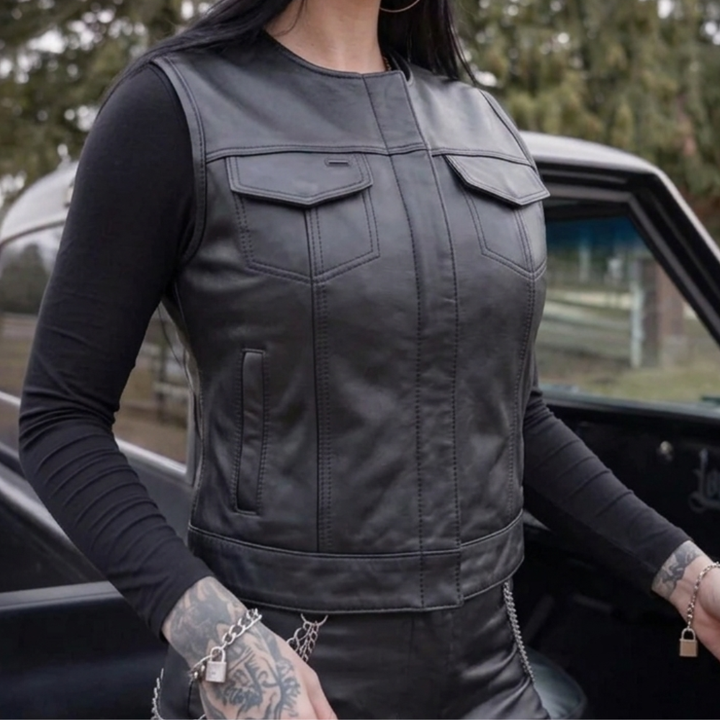
The Legendary Outlaw Leather Motorcycle Vest is the flagship club vest, cut from 3.0 oz Super Premium Deer-Touch cowhide with a clean one-piece back panel. It adds leather armhole binding, a 1 1/4 inch stand-up collar, hidden snaps and Pistola tethered gun pockets. It lists at $215 and is hand-cut and stitched in the USA.
Who should skip it: riders who want to sew their own patches at home. Leather of that weight is a job for a heavy machine or a leather shop, and that is worth budgeting for.
Legendary Club Style: an open lower back for less money
The Legendary Men's Leather Club Motorcycle Vest is top-grain cowhide with side lacing that gives 2 to 4 inches of chest adjustment. Its back uses a chevron yoke over a full lower back panel, which leaves a large open area for a center patch and embroidery. It lists at $115.
The tradeoff is the yoke. A large top rocker sits close to it, so measure your patch set against the back before you commit. For a single memorial or unit patch, it is plenty of room.
Revolution and Ole Blue: denim you can patch yourself
The Legendary Revolution Black Denim Vest and the Legendary Ole Blue Denim Vest are pre-rinsed denim, made in the USA, with features borrowed from the Reaper leather vest. The listing says it plainly: you can sew patches on with a standard home sewing machine. Both list at $57 and carry two large inside pockets.
Denim is the fastest way to a patched vest, and a lot of riders keep one as their patch vest and a leather one for cold days. It does not block wind like leather, so in November it works best over a jacket. Our guide to choosing, sizing and patching a denim vest covers patch placement in detail.
Black Jack: a Cordura vest with a clean back
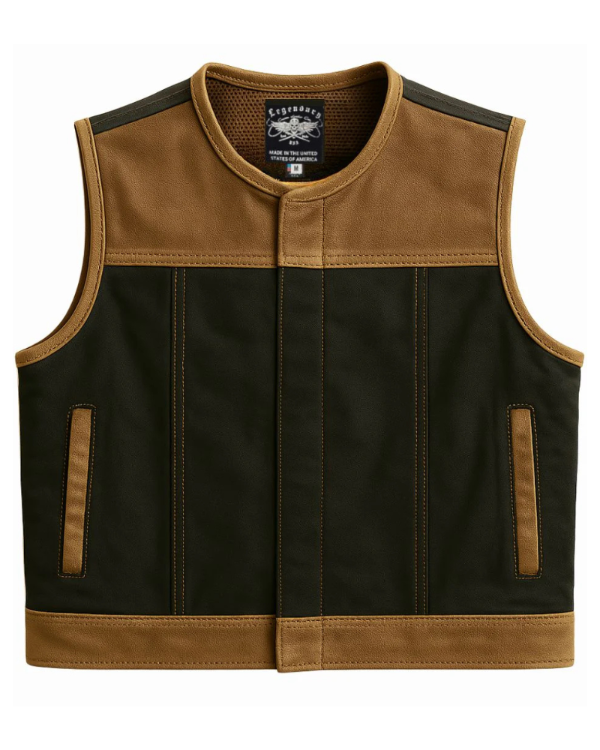
The Legendary Black Jack Lightweight Cordura Vest pairs a water-resistant Cordura nylon shell with leather pocket flaps and leather binding at the neck and armholes. The listing calls out a one-piece main back panel for clean patch installation, plus side lacing and Pistola gun pockets. It lists at $115.
It is built for hot weather, so it is the summer patch vest, not the November one. It is also lighter than any leather vest in the line, which long-distance riders notice by the end of the day.
How to choose and wear a Veterans Day patch
Pick the vest by where you ride and who sews it. Leather if you want wind protection and will use a shop, denim if you sew at home, Cordura for heat. Then plan the patch layout with the vest flat on a table before anything gets stitched.
Wear unit and service insignia only if you earned them, and treat memorial and POW/MIA patches with the same respect. Our heritage post on squadron patches and back patches explains where that rule comes from. Compare every cut in the Made in USA motorcycle vests collection.
For a leather back patch, start with the Outlaw. For a vest you can patch tonight at the kitchen table, pick the Revolution or Ole Blue. Either way, a clean back panel is what keeps the patch flat for years.
For rider training and general riding practice, the Motorcycle Safety Foundation publishes rider training and gear guidance.
Frequently asked questions
- What is the best motorcycle vest for sewing on patches?
- A vest with a one-piece back panel and a material you can sew is best. The Legendary Outlaw has a one-piece leather back for a full patch set, while the Revolution and Ole Blue denim vests can be patched on a standard home sewing machine. The Black Jack Cordura vest also has a one-piece main back panel.
- Can I sew patches on a leather vest with a home sewing machine?
- Usually not well. Medium-weight cowhide like the 3.0 oz leather on the Legendary Outlaw needs a heavy-duty machine and a leather needle, and most home machines struggle with it. Many riders use a leather or patch shop. Denim vests like the Revolution are the easier choice for sewing patches yourself.
- Is a denim or leather vest better for patches?
- Denim is easier to patch because it sews on a standard home machine, and it is lighter and cheaper. Leather blocks more wind, lasts longer and holds the traditional club look, but patching it usually takes a shop. Many riders keep a denim vest for patches and a leather vest for cold riding.
- Where should a Veterans Day or memorial patch go on a vest?
- Smaller memorial, unit or POW/MIA patches usually go on the front chest, where they are easy to see. The back panel is generally reserved for larger center patches and rockers. Lay the vest flat and arrange the patches before stitching, and keep earned service insignia separate from tribute patches.
- Why does a one-piece back panel matter on a motorcycle vest?
- A one-piece back panel gives a large patch a flat surface with no seam running through it. A seam across the upper back sits where a top rocker goes, which makes the patch pucker or sit crooked. Vests like the Legendary Outlaw and the Black Jack are built with a one-piece back for this reason.