

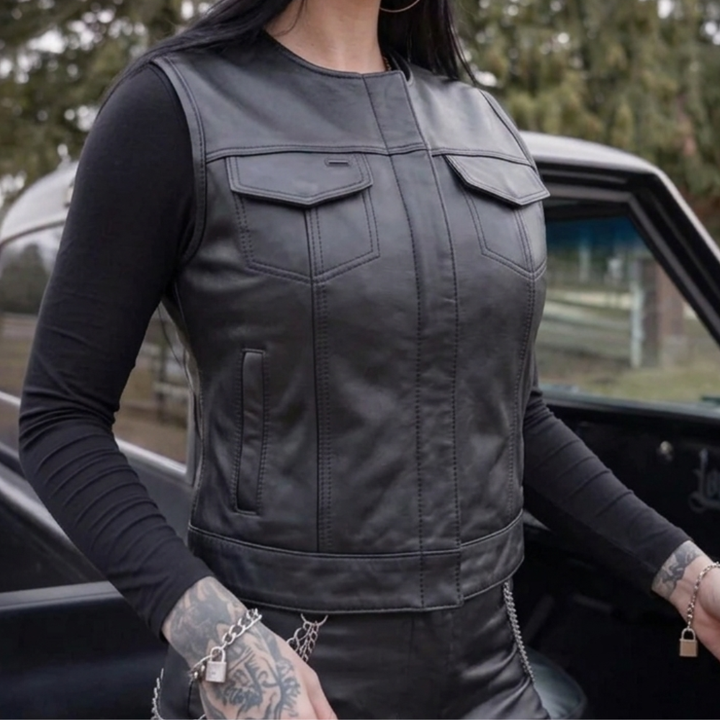


To care for new leather motorcycle gear, mostly leave it alone: wear it, wipe it down after rides, let it dry slowly when it gets wet, and condition only when the leather looks dry. New gloves, jackets and vests leave the tannery already finished. The fastest way to ruin them in the first month is too much conditioner, too much heat, or a plastic storage bag.
What New Leather Already Has

Leather is finished before it is cut. The tannery sets the oils, the dye and the surface, so a new deerskin glove or horsehide jacket does not need a coat of conditioner the day it comes out of the box. Adding oil to leather that is already supple softens it past the point you want and can darken the color.
New gear does need one thing: wear. A horsehide jacket feels stiff on the first ride and softens at the elbows and shoulders with use. Deerskin gloves are soft out of the package but still mold to the hand over the first few weeks of riding. Both come from use, not from products.
So the first month is about avoiding damage while the gear breaks in. That comes down to a short routine.
The First Month, Step by Step
This routine works for leather gloves, leather jackets and the leather trim on vests. It takes a few minutes a week.
- Ride in it. Wear the gear on normal rides from the first week. Leather breaks in to the shape of the body using it, and a jacket left on a hanger stays stiff.
- Wipe it after dirty rides. Bug splatter and road grime come off with a soft cloth dampened with plain water. Do it the same day, before residue dries into the grain.
- Dry it slowly. If the gear gets rained on, blot off surface water and let it air dry at room temperature. Keep it away from heaters, vents, dryers and direct sun, because fast drying is what makes leather stiff and cracked.
- Clean before you condition. When the gear needs more than a wipe, use a leather cleaner first. Obenauf's Cleanit is a non-detergent soap made from linseed oil that lifts dirt so it can be wiped away.
- Condition lightly, and only when it looks dry. A thin coat of a conditioner like Obenauf's Heavy Duty LP is enough. Test it on a hidden spot first, since conditioners can darken leather.
- Store it so it breathes. Hang jackets on a wide hanger and keep gloves flat or in a cotton bag. Plastic traps moisture and invites mildew.
Gloves, Jackets and Vests Need Different Attention
The routine is the same, but each piece of gear has its own weak spot. Know where to look.
Deerskin and Goatskin Gloves
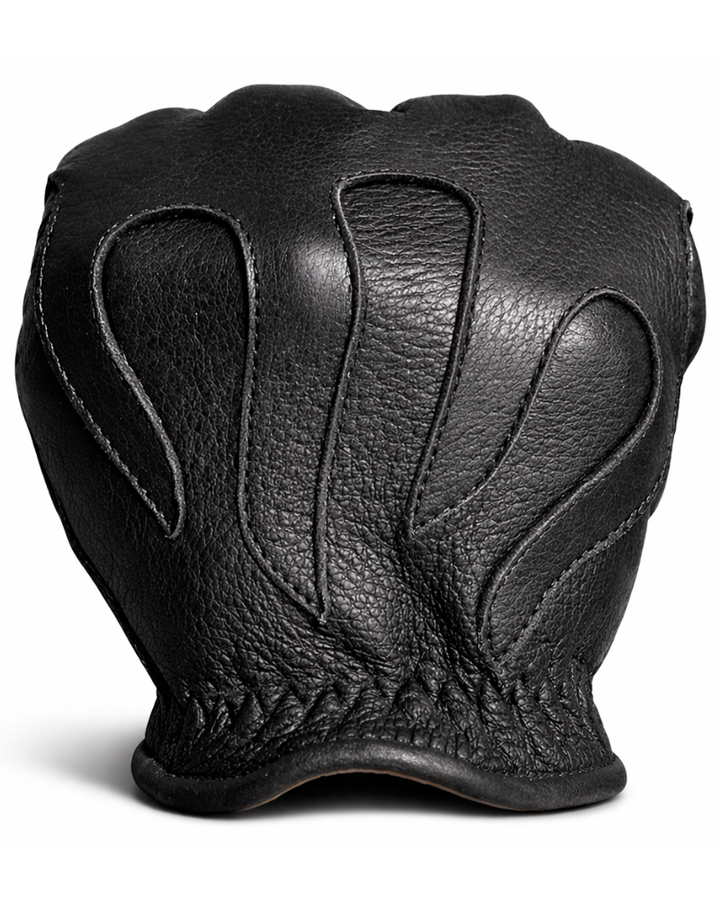
Gloves take sweat, rain and constant flexing, so they show wear first. Deerskin stays pliable after getting wet more than most hides, which is one reason gloves like the ILL DOZER outseam deerskin gloves rarely need conditioning in the first month. Over-oiled gloves feel slick on the grips, so condition the backs of the hand more than the palms. If a glove has a fleece or aramid lining, never soak it; clean the outside and let the lining air out. Our full range lives in the Made in USA motorcycle gloves collection.
Horsehide and Cowhide Jackets
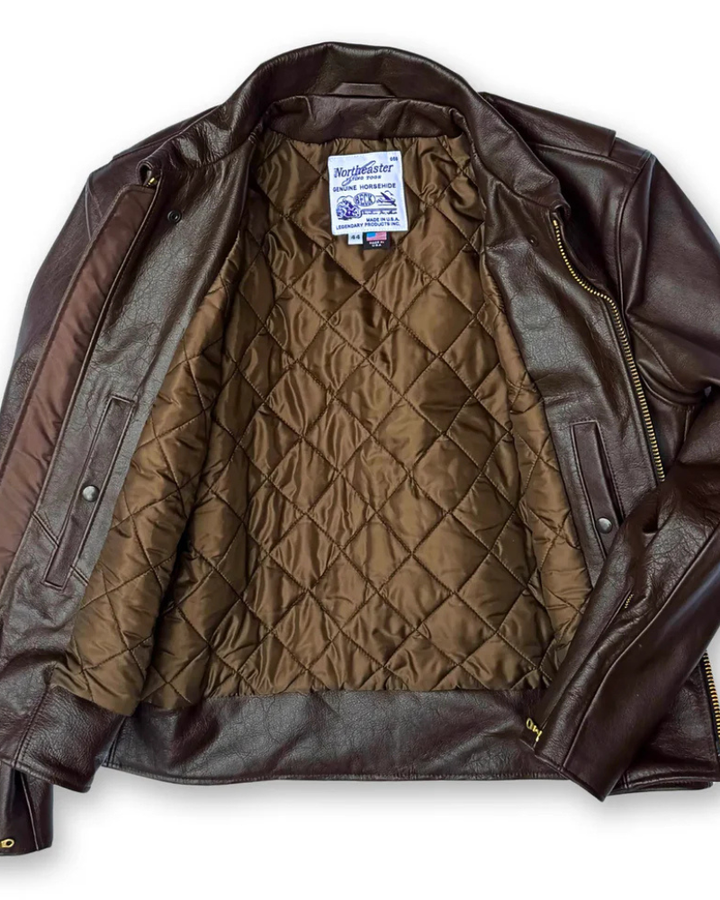
Jackets are slower to break in and slower to dry. After a wet ride, hang the jacket on a wide hanger with the zipper open so air reaches the lining. A new horsehide jacket rarely needs conditioning for months; our guide on breaking in a horsehide jacket explains why wear does more than oil.
Denim and Cordura Vests With Leather Trim
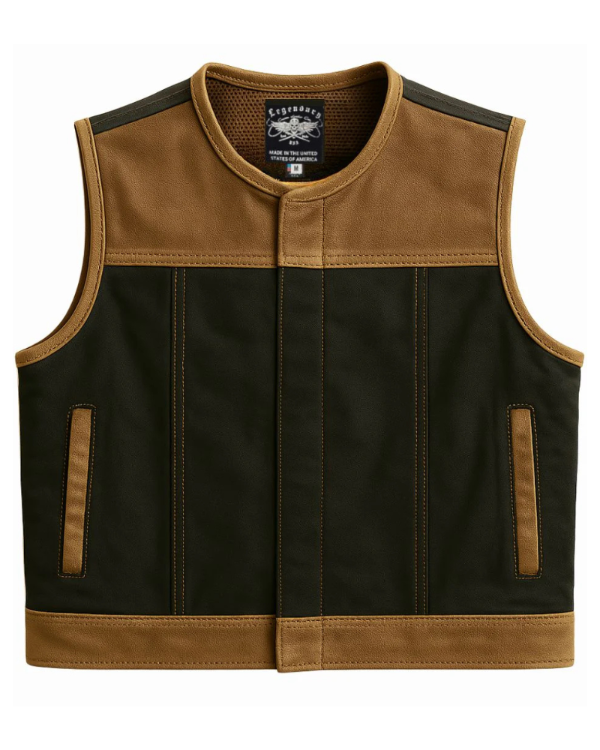
A denim or Cordura vest is not cared for like a leather jacket. Follow the care label on the shell, and keep conditioner on the leather trim only. Spot clean leather binding and pocket flaps rather than soaking them.
Mistakes That Ruin New Leather
Most leather damage in the first month comes from good intentions. These are the ones we see most.
Heat drying is the worst. A glove dried on a heater vent or a jacket hung in front of a space heater comes out stiff, shrunken and sometimes cracked. Room temperature and patience fix almost every wet ride.
Over-conditioning is next. Coating new leather every week clogs the surface, softens it past the point of support and attracts dirt. A conditioner such as Obenauf's Heavy Duty LP leather conditioner holds its oils in a beeswax and propolis base that releases slowly, so a light coat goes a long way.
Expecting waterproofing is the last. Leather resists water but it is not waterproof, and conditioner does not make it so. For a longer look at every stage of leather care, read our complete leather motorcycle gear care guide.
For why the gear matters in the first place, the National Highway Traffic Safety Administration publishes rider safety guidance on motorcycles, including the advice that gloves give better grip and help protect hands.
Frequently Asked Questions
- Should I condition new leather motorcycle gloves before wearing them?
- No, not usually. New leather gloves leave the tannery with their oils already set, so conditioning them right away can make the leather overly soft, slick on the grips and darker in color. Wear them for a few weeks first and let them mold to your hand. Condition only when the leather starts to look dry or feels stiff after drying out from rain.
- How often should I condition a new leather motorcycle jacket?
- Far less often than most people think. A new horsehide or cowhide jacket rarely needs conditioning in its first few months of riding. Condition it when the surface looks dry, after it dries out from a soaking, or at the end of the riding season before storage. A thin coat applied after cleaning is enough, and testing on a hidden spot first avoids surprises with color.
- How do I dry leather motorcycle gear after riding in the rain?
- Blot off surface water with a towel, then let the gear air dry at room temperature. Hang jackets on a wide hanger with the zipper open, and lay gloves flat or put them on your hands briefly to reshape them while damp. Keep wet leather away from heaters, dryers, vents and direct sun. Fast drying pulls oils out and leaves leather stiff or cracked.
- Can I clean new leather gear with soap and water?
- Plain water on a soft cloth handles most road grime and bug splatter on new gear. For heavier dirt, use a leather cleaner rather than dish soap or household cleaners, which can strip oils from the hide. Obenauf's Cleanit is a non-detergent soap made from linseed oil. Clean first, let the leather dry, then condition lightly if it looks dry.
- How should I store new leather motorcycle gear?
- Store leather where it can breathe, at room temperature and away from direct sun. Hang jackets and vests on wide hangers so the shoulders keep their shape, and keep gloves flat or in a cotton bag. Avoid plastic garment bags and sealed bins, which trap moisture and can lead to mildew. Make sure gear is fully dry before it goes into storage.
- Does leather motorcycle gear need waterproofing when it is new?
- Not to stay in good shape, but leather is water-resistant, not waterproof. Riders who regularly commute in rain sometimes add a waterproofing treatment, which changes how the leather looks and breathes, so test it on a hidden spot first. For most new gear, keeping it clean, drying it slowly after a soaking and conditioning lightly when dry does more good than any coating.
The Bottom Line
Caring for new leather motorcycle gear is mostly restraint. Ride in it, wipe it after dirty rides, dry it slowly, clean before you condition and condition only when it needs it. Follow that for the first month and the gear will break in to you instead of breaking down.