

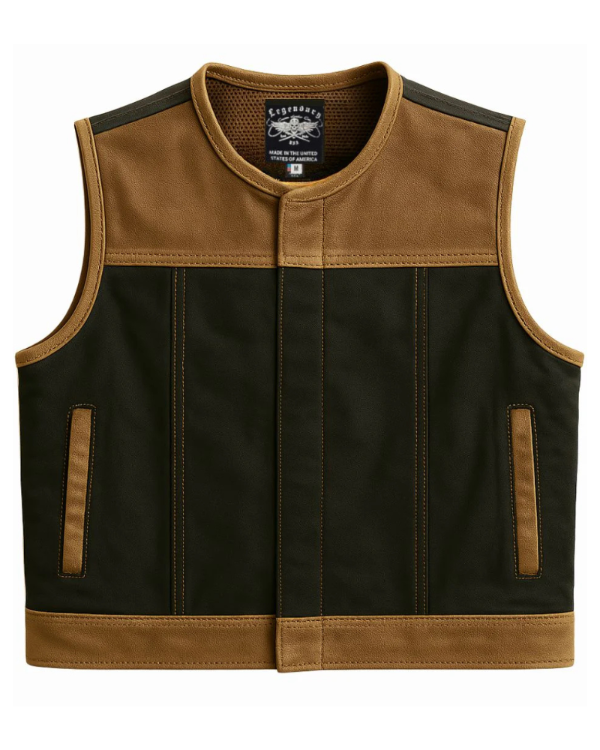
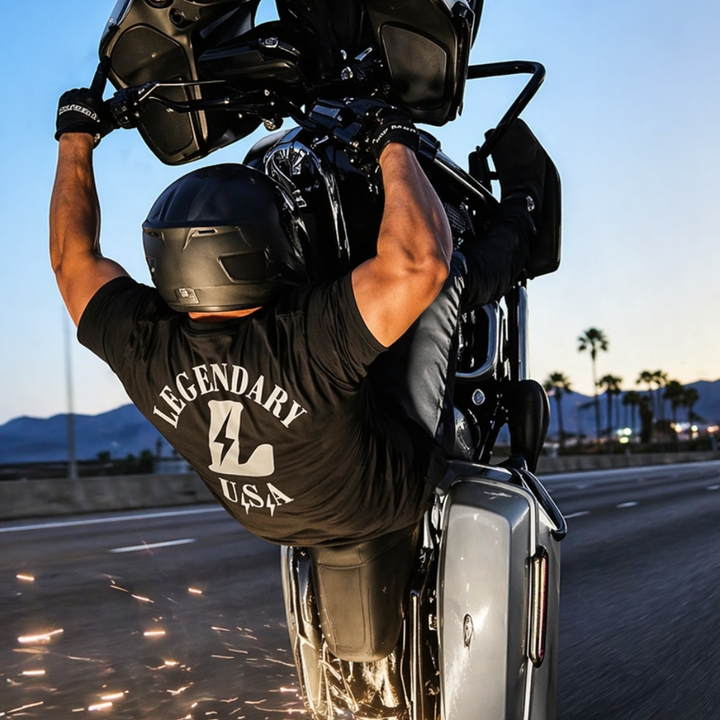
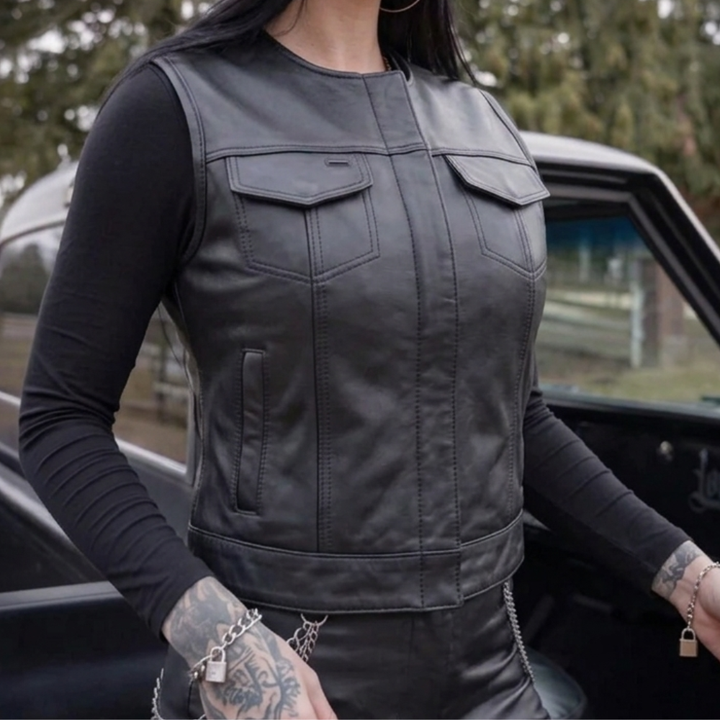


Leather has been worked for thousands of years — for clothing, riding gear, footwear, and the everyday tools of work. The hide hasn’t changed much. What’s changed is who’s making it, where, and how. If you care about a jacket, glove, or vest you’ll wear for the next twenty years, the country stamped inside the lining matters more than most buyers realize.
Here’s why we’ve built Legendary USA around American-made leather, and what you’re actually paying for when you choose U.S.-made gear over imported alternatives.
1. American Craftsmanship You Can Feel

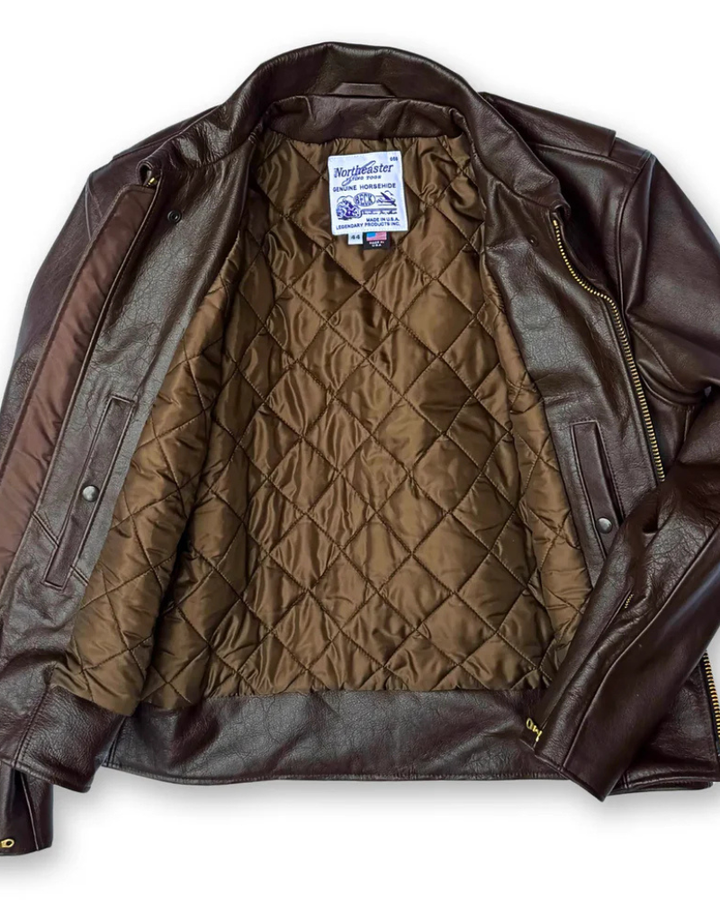
Walk into a small American leather shop — the kind that still makes its own patterns and runs its own sewing lines — and you can spot the difference within thirty seconds. Stitches per inch are tighter. Seams are doubled where the jacket flexes. Hardware is brass or stainless, not pot metal. Linings are full quilted nylon or wool, not glued-in fabric. American leather artisans built their reputation generation by generation, working with U.S. tanneries that produce some of the densest, oiliest, longest-lived leathers in the world — particularly Front Quarter Horsehide, full-grain steerhide, and American deerskin.
Heritage brands like BECK Flying Togs and Cockpit USA have made jackets the same way for decades, often by the same craftspeople. That continuity is hard to fake in a factory overseas.
2. Supporting American Jobs and Local Economies
Every American-made jacket or pair of gloves keeps tanners, cutters, sewers, hardware suppliers, and shippers employed in the United States. The supply chain for U.S.-made leather is local in a way that imports simply aren’t — cattle hides from American ranches, tanned at American tanneries, cut and sewn at American workshops, and shipped from American warehouses. When you buy a Made in USA leather jacket, the dollars circulate through a chain of small American businesses rather than offshore factories.
3. Environmental and Ethical Standards You Can Trust
Leather tanning is chemistry, and chemistry varies wildly by jurisdiction. The U.S. holds tanneries to strict EPA and state-level environmental rules covering effluent treatment, chromium handling, and worker exposure — standards that simply don’t exist in many overseas leather hubs. Buying American doesn’t guarantee a perfect process, but it does guarantee a regulated one. For riders who care where their gear comes from, that’s a meaningful difference.
4. Honest, Original Designs
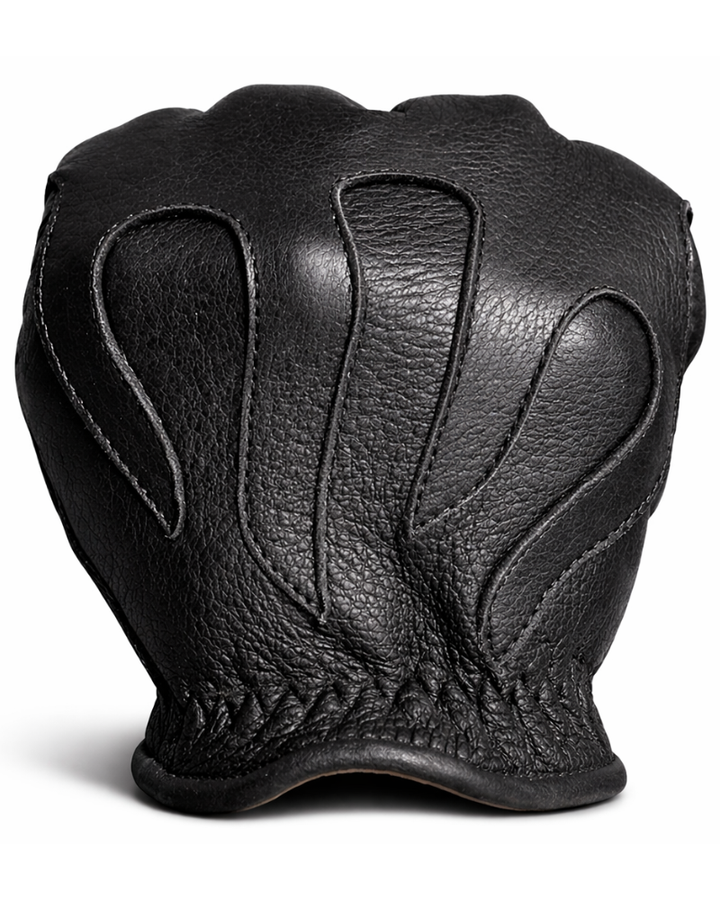
American leather makers tend to design jackets, vests, and gloves around how they’re actually used — on a bike, in a cockpit, in the saddle, in the field. Patterns evolved through real wear, not focus groups. That’s why a Cockpit USA A-2 still looks right after eighty years and why a pair of American deerskin riding gloves still beats almost everything imported on softness, breathability, and break-in. The designs work because they were proven, not styled.
5. Durability That Justifies the Price
The price gap between American-made and imported leather is real, but so is the lifespan gap. A quality U.S. leather jacket, properly cared for, lasts decades — not seasons. Customers regularly send us photos of jackets they bought from us in the early 2000s that are still in rotation. Imported fast-fashion leather, by contrast, often shows cracking, peeling, or split-stitched seams within a few years. Cost per wear, an American leather jacket is almost always cheaper. We break this down in more detail in our U.S. vs. imported leather comparison.
How to Spot Genuine Made in USA Leather
Not every “American” label means American-made. Some imports are merely “designed in the USA,” sewn elsewhere from imported leather. To verify the real thing, look for:
- A clear “Made in USA” label sewn into the lining (FTC-regulated language)
- Specific tannery references — e.g., Texas-tanned shearling, Pennsylvania-tanned steerhide, Front Quarter horsehide
- Heritage brand history with verifiable U.S. manufacturing — BECK, Cockpit USA, Schott NYC, and others
- Tight, even stitch lines with no skipped or wandering stitches near stress points
- Solid hardware — brass YKK zippers, stainless snaps, and no plastic substitutes
For a deeper dive, our companion piece on American-made leather apparel for bikers covers buying signals in detail.
Frequently Asked Questions
Is American-made leather really better than imported?
For garment-grade jackets, vests, and gloves — yes, generally. American tanneries produce denser, more consistent full-grain leather, and U.S. workshops use higher stitch counts and better hardware. The differences compound over the life of the garment.
Why are Made in USA leather products more expensive?
Higher labor costs, stricter environmental rules, better-grade hides, and brass-and-stainless hardware all add up. You’re paying for the materials and the workmanship, not branding. Spread across a 20-year lifespan, U.S. leather is usually cheaper per year than imported alternatives.
What kinds of leather are made in the USA?
The U.S. tans Front Quarter horsehide, steerhide, full-grain cowhide, deerskin, bison, and shearling at scale. Each has different properties — horsehide for abrasion resistance, deerskin for softness and dexterity, shearling for warmth, and cowhide as the all-purpose workhorse.
What does “Made in USA” legally require?
The Federal Trade Commission requires that products labeled “Made in USA” be “all or virtually all” made in the United States — meaning final assembly happens in the U.S. and substantially all components and processing are domestic. Imports may use phrases like “designed in” or “assembled in” the U.S., which don’t carry the same standard.
Are deerskin gloves made in the USA?
Yes — American deerskin gloves are one of the few leather products still routinely cut and sewn in the United States from U.S.-tanned deer hides. Our American deerskin motorcycle gloves are made this way and represent some of the best value in heritage U.S. leather.
The Bottom Line
Choosing American-made leather isn’t just about patriotism. It’s about getting a product built by people who care about it, from materials raised and tanned to a higher standard, designed by craftspeople who actually wear what they make. Whether you’re shopping for a horsehide riding jacket, a pair of deerskin gloves, or a sheepskin bomber, choosing U.S. leather buys you decades of wear — and supports an industry worth keeping alive.
Article originally published February 2023. Updated May 2026 with expanded craftsmanship detail, buying guidance, and FAQ.