

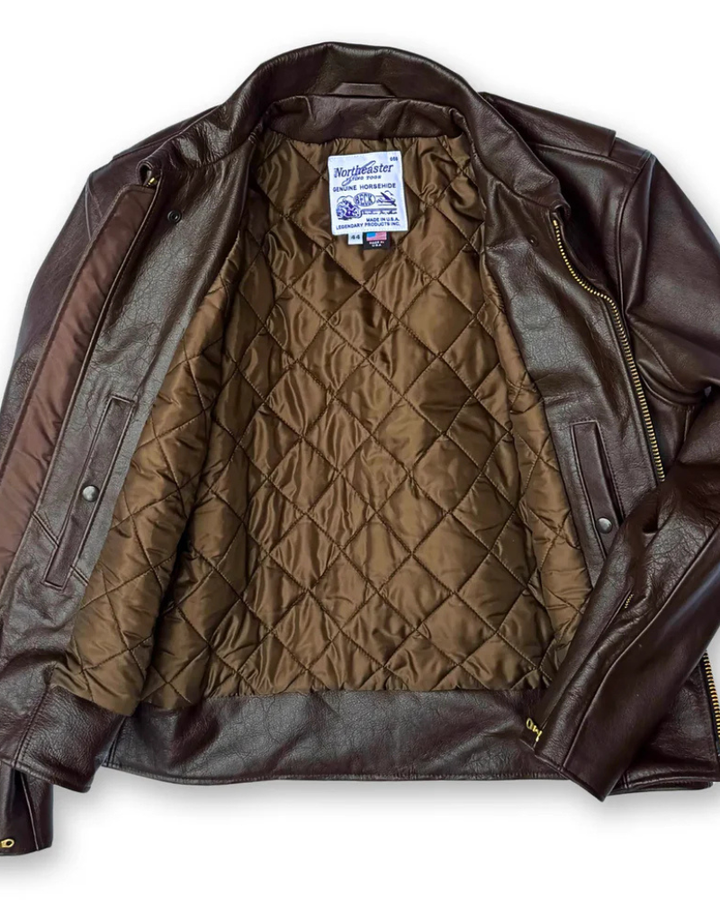
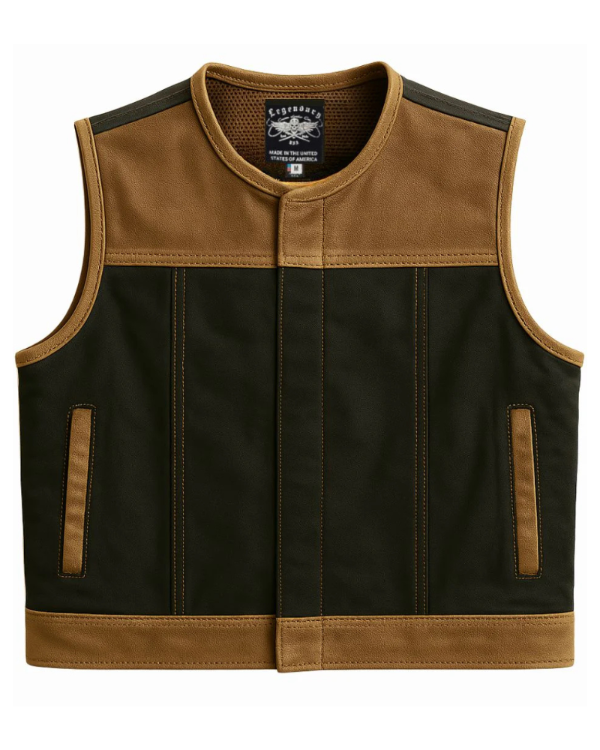
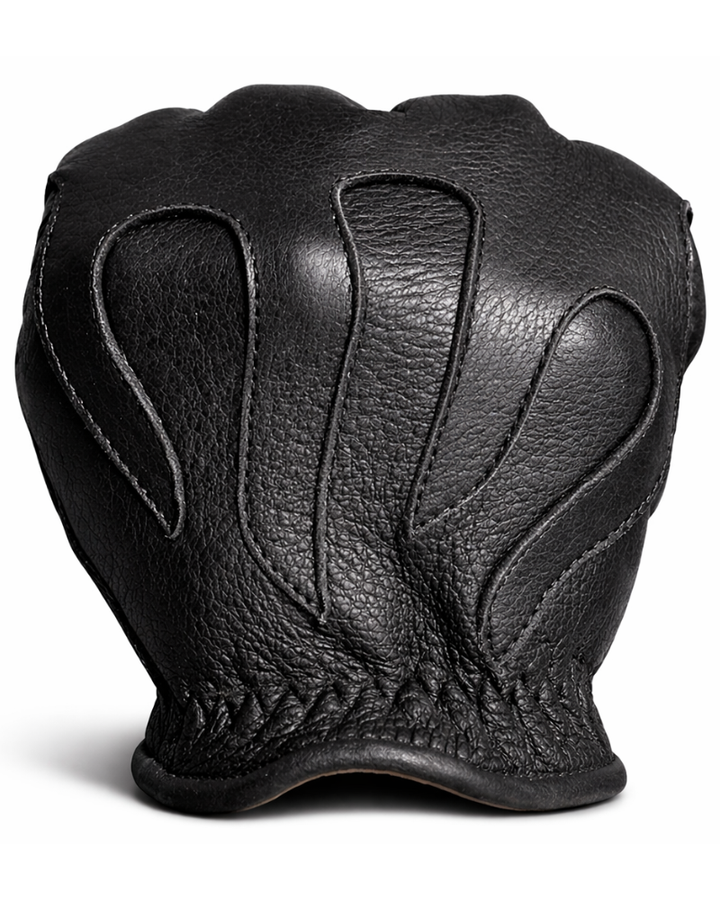




Clean bug splatter off leather motorcycle gear the same day you ride: soften the residue with a damp cloth, lift it with gentle circular strokes, and never scrape it off dry. Bug residue is acidic, and August heat bakes it into a leather finish within days. This guide walks through Legendary USA's method for getting gloves, jackets, and vests clean after a tour without damaging the hide.
Why Bug Residue Is Worse Than Ordinary Dirt
Road dust sits on top of leather. Bug residue bonds to it. The impact spreads acidic material across the finish, and heat dries it into a hard glaze within hours. Leave it a week and it can etch a permanent dull spot into the topcoat, particularly on smooth-finished goatskin and horsehide.
Grime from wet roads adds a second problem: it carries fine grit that acts like sandpaper. Every time a strap moves or a sleeve flexes, embedded grit abrades the finish. That is why a two-minute wipe-down at the end of a riding day saves hours of restoration later.
Step-by-Step: Getting Gear Clean After a Tour

First, soften. Lay a damp — not wet — cloth over dried bug spots for two to three minutes. The moisture releases the residue's grip on the finish so you are wiping it away, not grinding it in.
Second, lift. Work in gentle circles with the damp cloth, rinsing the cloth often. Stubborn spots get a second soak, never a harder scrub. For a full jacket front after a long interstate day, expect to rinse the cloth a dozen times.
Third, treat remaining grime. If plain water leaves ground-in dirt behind, put a small amount of dedicated leather cleaner on the cloth — not directly on the leather — and repeat the circular strokes. Wipe off any cleaner residue with a fresh damp cloth when done.
Fourth, dry and condition. Let everything dry at room temperature, away from sun and heaters. Once the leather is fully dry, apply a thin coat of conditioner. Our guide to conditioning deerskin motorcycle gloves covers products and frequency in detail.
Deerskin, Goatskin, and Horsehide Clean Differently
Deerskin is the most open-grained of the three, which is what makes it soft — and what makes it absorb water fastest. Keep the cloth barely damp, work with the grain, and flex the gloves as they dry so they stay supple. The perforations on gloves like the ILL Dozer perforated deerskin gloves deserve extra attention: bug residue collects in the perforation holes, so run the cloth across them in multiple directions.
Goatskin and horsehide have tighter grain and a smoother finish, so they release grime more easily but show etching more visibly if residue sits. The same damp-cloth method applies — the difference is that these hides tolerate slightly more moisture and need less conditioner afterward. When in doubt, start gentle; you can always do a second pass.
What Never to Use on Leather
Skip dish soap, glass cleaner, alcohol wipes, degreasers, and anything marketed as bug-and-tar remover for paint. All of them strip oils or attack the finish, and solvent damage does not buff out. Pressure washers and stiff brushes are equally off the list — leather is skin, and it responds to force the way skin does.
The safe kit is short: clean cloths, water, a leather-specific cleaner, and a leather conditioner. That kit handles everything a summer of touring throws at your gear. For the full end-of-season routine, see our step-by-step guide to cleaning leather motorcycle gloves.
Make It a Habit, Not a Project
The riders whose gear looks good at 50,000 miles are not doing anything heroic — they wipe things down while the coffee brews. A nightly two-minute pass on a tour, a fuller cleaning when they get home, conditioner a few times a year. Every glove and vest in our Made in USA motorcycle gloves collection is built to take decades of that routine.
Frequently Asked Questions
- How do I get dried bug splatter off a leather motorcycle jacket?
- Soften dried bug residue first — lay a damp cloth over the spot for two to three minutes, then lift the residue with gentle circular strokes. Never scrape dried bugs off dry leather with a fingernail or edge; the impact residue is abrasive and will scratch the finish. If residue remains, repeat the damp-cloth soak rather than scrubbing harder. Finish by drying the area at room temperature and conditioning lightly once the leather is fully dry.
- Does bug splatter damage leather if you leave it on?
- Yes. Bug residue is acidic, and in summer heat it dries fast and bonds to the leather's finish. Left for days, it can etch a dull spot into the topcoat that cleaning will not fully remove, especially on smooth-finished hides like goatskin. Wiping gear down the same day — even just with a damp cloth at the end of a riding day — prevents nearly all of this damage.
- Can I use household cleaners on leather motorcycle gear?
- No. Dish soap, glass cleaner, alcohol wipes, and all-purpose sprays strip the oils and finish out of leather, leaving it dry and prone to cracking. Bug-and-tar removers made for paint are worse — they are solvent-based and will discolor the hide. Use plain water for most cleanups and a dedicated leather cleaner for stubborn grime. If a product does not say it is made for leather, keep it off your gear.
- How do I clean road grime off deerskin motorcycle gloves?
- Deerskin is soft and open-grained, so use a light touch: wipe with a barely damp cloth, working in the direction of the grain, and avoid soaking the hide. For ground-in grime, work a small amount of leather cleaner into a damp cloth first rather than applying it straight to the glove. Let the gloves dry flat at room temperature, then flex them a few times as they dry so the leather stays supple.
- Should I condition leather gear after cleaning it?
- Yes, but lightly and only after the leather is fully dry. Cleaning — even with plain water — lifts some oil out of the hide, and a thin coat of leather conditioner puts it back. Once after a multi-day tour is plenty; over-conditioning leaves leather limp and attracts dust. Deerskin and goatskin gloves need less conditioner than jacket-weight horsehide or cowhide, so start sparing and add only if the leather still feels dry.
Bug season is the price of riding through an American summer, and it costs your gear nothing if you stay ahead of it. A damp cloth the same day, a proper cleaning after the trip, and a light conditioning once the leather is dry — that is the whole job. Do it consistently and the only marks your leather carries will be the ones worth keeping.