

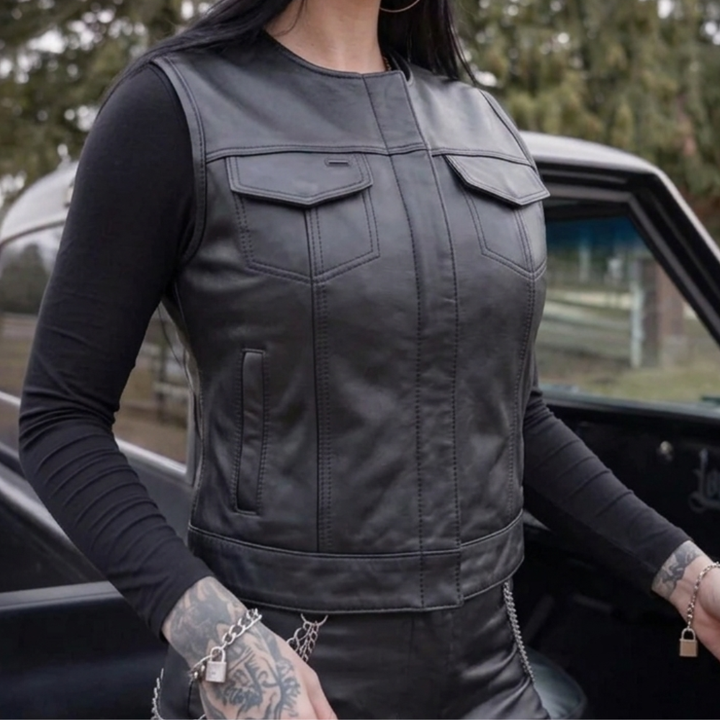


To clean a leather flight jacket, brush and wipe off surface dirt, spot clean with a mild leather soap and a damp cloth, let it dry slowly at room temperature, and then condition lightly. Never soak it, never put it in a washer or dryer, and never dry it near heat. Horsehide, goatskin and lambskin all follow the same order, but they take different amounts of pressure and conditioner.
Before you start: know your leather

Check the label or the listing before you touch the jacket with anything wet. Flight jackets come in three common leathers, and each one handles cleaning differently.
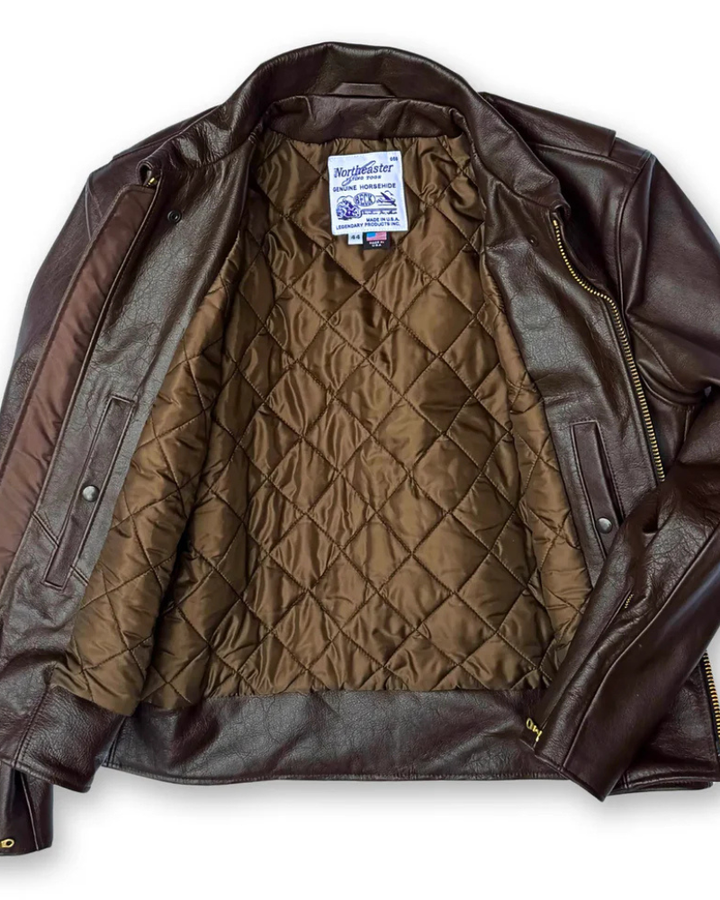
Horsehide is the original A-2 leather. The Cockpit USA Horsehide A-2 listing describes it as leather that breaks in slowly and wears hard, and it tolerates a firmer hand when you clean. Goatskin, used on the Cockpit USA Mil-Spec USN G-1, has a pebbled grain that hides wear and cleans easily. Lambskin is the softest and thinnest of the three, and it marks and darkens the fastest, so it gets the lightest touch.
Leather comparison at a glance
| Leather | Cleaning pressure | Conditioner | Watch for |
|---|---|---|---|
| Horsehide | Firm wipe is fine | Thin coat, worked in well | Darkening on lighter russet browns |
| Goatskin | Moderate, follow the grain | Thin coat | Residue settling in the pebble grain |
| Lambskin | Light, blot more than rub | Very thin, less often | Water spots and stretching when damp |
How to clean a leather flight jacket, step by step
Empty every pocket and lay the jacket flat on a clean towel. Brush the surface with a soft brush or wipe it with a dry microfiber cloth to lift dust before anything wet touches the leather. Road grit rubbed in with a wet cloth scratches the finish.
Test your cleaner on a hidden spot first, such as the inside of the storm flap or under a pocket flap. We carry Obenauf's Cleanit Natural Leather Cleaner, a non-detergent soap made from linseed oil. Mist a cloth, not the jacket, and work one panel at a time in small circles.
Wipe the panel again with a cloth dampened in clean water to lift the soap. The leather should look evenly damp, never soaked. On lambskin, blot instead of rubbing.
Cuffs, waistband and collar
Knit cuffs and the waistband collect the most skin oil. Dab them with a damp cloth and a small amount of mild soap, then press out the water with a dry towel. Do not wring or stretch the knit.
A mouton collar on a G-1 should be brushed, not soaked. Keep leather conditioner off the fur, because it mats the pile and does not come out cleanly.
Drying without damage
Hang the jacket on a wide, shaped hanger at room temperature, away from heaters, vents and direct sun. Let it dry fully, which can take a day for a damp horsehide jacket. Heat dries the outside of the hide faster than the inside, and that is how leather cracks and shrinks.
If the jacket got soaked in rain, stuff the sleeves loosely with towels to hold their shape and swap the towels as they get damp. Do not try to speed it up with a hair dryer.
How to condition a flight jacket
Condition only when the leather is clean and fully dry. Use a small amount on a cloth, rub it in with the grain, and let it sit before buffing off the excess. Obenauf's Heavy Duty LP Conditioner holds natural oils in a beeswax suspension, and a thin coat goes a long way on a jacket.
Conditioner usually darkens leather a shade, and more coats darken it more. Test on a hidden spot, especially on lighter browns and on lambskin. A flight jacket worn in town needs conditioning far less often than a riding glove, so condition when the leather looks dry or feels stiff, not on a calendar.
Mistakes that ruin flight jackets
The most common mistakes are washing machines, dry cleaners who do not specialize in leather, household cleaners with alcohol or ammonia, and heavy coats of oil. Each one strips or swamps the hide. Storing the jacket in a plastic bag is another, because leather needs air.
A flight jacket is a heritage jacket, not an armored riding jacket, so it has no CE armor. Good care makes it last for decades. It does not turn it into riding armor.
For sheepskin jackets, our guide to caring for a sheepskin B-3 jacket covers shearling. To compare A-2, G-1 and B-3 cuts, browse the Cockpit USA jacket collection.
Wipe it dry, spot clean gently, let it dry slowly and condition sparingly. That routine keeps a horsehide, goatskin or lambskin flight jacket working for decades, and the patina it builds along the way is the part you cannot buy.
For guidance on riding gear and protective equipment, NHTSA publishes a motorcycle safety resource page.
Frequently asked questions
- Can you wash a leather flight jacket in a washing machine?
- No. A washing machine soaks the hide, strips its oils and can shrink, stiffen or crack the leather, and the agitation damages knit cuffs and linings. Clean a leather flight jacket by hand, one panel at a time, with a mild leather soap and a damp cloth, then let it dry slowly at room temperature.
- How often should I condition a leather flight jacket?
- Condition it when the leather looks dry or feels stiff, not on a fixed schedule. A jacket worn mostly in town may only need it once or twice a year, while one ridden often in wind and rain needs it more. Always apply a thin coat to clean, dry leather and buff off the excess.
- Will leather conditioner darken my flight jacket?
- Usually it darkens leather by a shade, and more coats darken it further. The effect shows most on lighter browns and on lambskin. Test the conditioner on a hidden spot such as under a pocket flap, let it dry overnight, and decide before treating the whole jacket.
- How do I clean the fur collar on a G-1 jacket?
- Brush the mouton collar with a soft brush to lift dust and untangle the pile. For a small spot, dab lightly with a barely damp cloth and let it air dry. Keep leather conditioner and oils off the fur, because they mat the pile and are hard to remove.
- What should I do if my leather flight jacket gets soaked in the rain?
- Blot off surface water, hang the jacket on a wide shaped hanger at room temperature, and stuff the sleeves loosely with towels to hold their shape. Keep it away from heaters and direct sun. Once it is completely dry, apply a light coat of conditioner to replace the oils the water carried out.
- Is horsehide or lambskin easier to care for?
- Horsehide is easier. It is a tougher hide that tolerates firmer cleaning and hides scuffs as it develops patina. Lambskin is softer and thinner, so it shows water spots, scratches and conditioner darkening faster and needs a lighter hand. Goatskin falls between them and cleans easily thanks to its pebbled grain.