

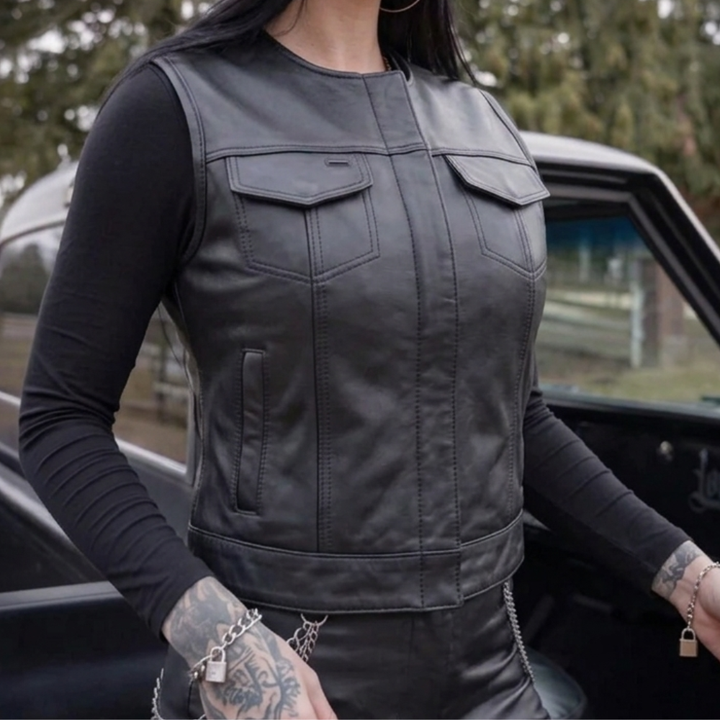


Fall is the season American riders defend hardest. Cool dense air, low humidity, roads emptied out after Labor Day, and light that makes ordinary highway look like something worth photographing. Ask a rider in Ohio or Tennessee or Colorado for their favorite month in the saddle and you will hear September or October far more often than July.
That preference comes down to conditions, and conditions have shaped what American riders wear in the fall for as long as there have been American riders.
Why Fall Wins

Summer riding in most of the country is a negotiation with heat. Fall removes that problem. Highs settle into the sixties and seventies, humidity drops, and the rally crowds have gone home, which means the good roads through the Smokies, the Ozarks, and the Black Hills are quiet again. The engine likes the cooler, denser air, and so does the rider.
What fall gives back in comfort it takes in variability. A ride that starts at 45F outside Asheville can hit 72F by noon and drop back to 50F on the way home. The whole American fall riding tradition, gear included, is built around that swing.
The Gear the Season Built
The classic American fall kit is a layering system, and every piece earned its spot for practical reasons.
The flannel came first, because it was already in the closet. Warm, cheap, tough, and it layers flat under a vest. The riding flannel is one of the few pieces of American motorcycle clothing that came from the worksite rather than the racetrack.
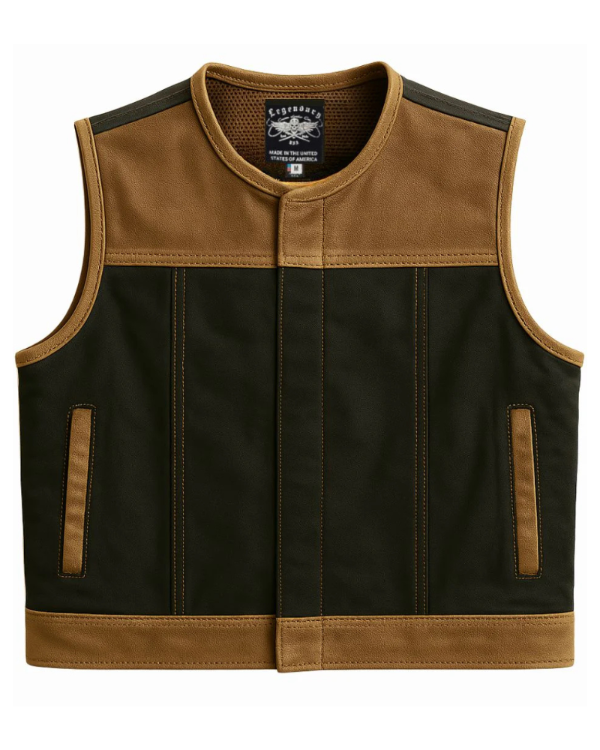
Over it goes the vest. A denim riding vest or a leather one blocks wind across the chest and carries patches, without the heat load of a full jacket on a warming afternoon. That is why vests survive in a category full of technical gear: they solve the middle of the day.
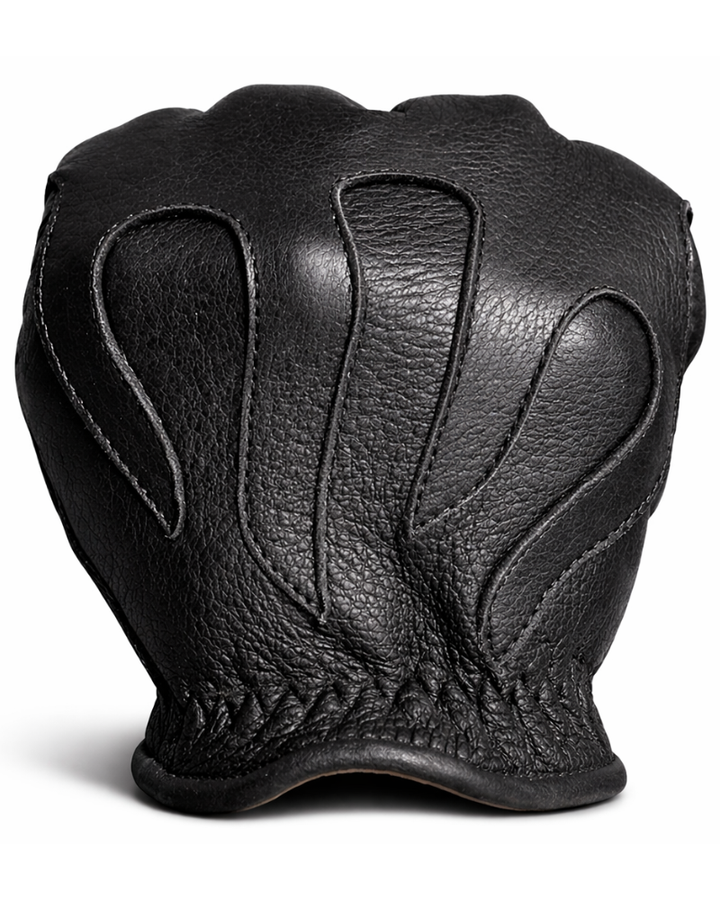
Then the gloves. Summer gloves in America run perforated and unlined for airflow. Fall gloves run solid or fleece-lined, because on a 45F morning at highway speed, hands are the first thing to go. Cold fingers are slow on a brake lever, which is a real argument rather than a marketing one. Compare the options in our Made in USA motorcycle gloves collection.
The Rider Who Keeps Going
There is a specific kind of American rider who shows up in October and November. They are the ones buying lined gloves in September because they intend to be out in December. Legendary USA has been outfitting that rider since 2001, and the pattern repeats every year: orders shift toward warmth in late August, and the people placing them are not asking whether the season is over. They are asking what will get them through it.
In northern states, that run ends with the last ride. Nobody schedules it. It is the day in November or early December when the forecast makes the call, and most riders take the long way around before the bike goes on the tender. Riders in Arizona and Florida will tell you they do not have one. They just add a layer and keep going.
What Fall Asks of Leather
Cold does not ruin leather. It stiffens it. A deerskin glove that feels like a second skin in August feels firmer on a 40F morning, and an unconditioned one feels like cardboard for the first ten miles.
That is why the American fall gear ritual has always included conditioning, usually in late summer while the hide is still warm and takes the product well. It is also why riders who came up around leather learned early not to dry wet gear on a heater. Heat is what cracks leather. Cold just makes it honest about how long it has been since you took care of it. Gear that gets that maintenance lasts decades. Gear that does not gets replaced every few seasons.
The Motorcycle Safety Foundation publishes rider training and gear guidance for riders who want to go deeper.
Frequently Asked Questions
- Why do motorcycle riders say fall is the best riding season?
- Fall gives riders cool dense air, low humidity, empty roads, and long light. Summer traffic thins out after Labor Day, the heat that made leather uncomfortable in July is gone, and the engine runs better in cooler air. Add fall color through the Appalachians, the Ozarks, and the upper Midwest, and you get the conditions most American riders name when asked for their favorite month in the saddle. The catch is temperature swing, which is a gear problem rather than a riding problem.
- What is the best month for motorcycle riding in the United States?
- For most of the country, late September and early October are the peak. Daytime highs land in the sixties and seventies, humidity drops, and the rally season crowds have gone home. Riders in the South and Southwest often extend that window into November, while northern riders in Michigan, Minnesota, and New England are usually watching for the first hard frost by early November.
- What gear do American riders wear in the fall?
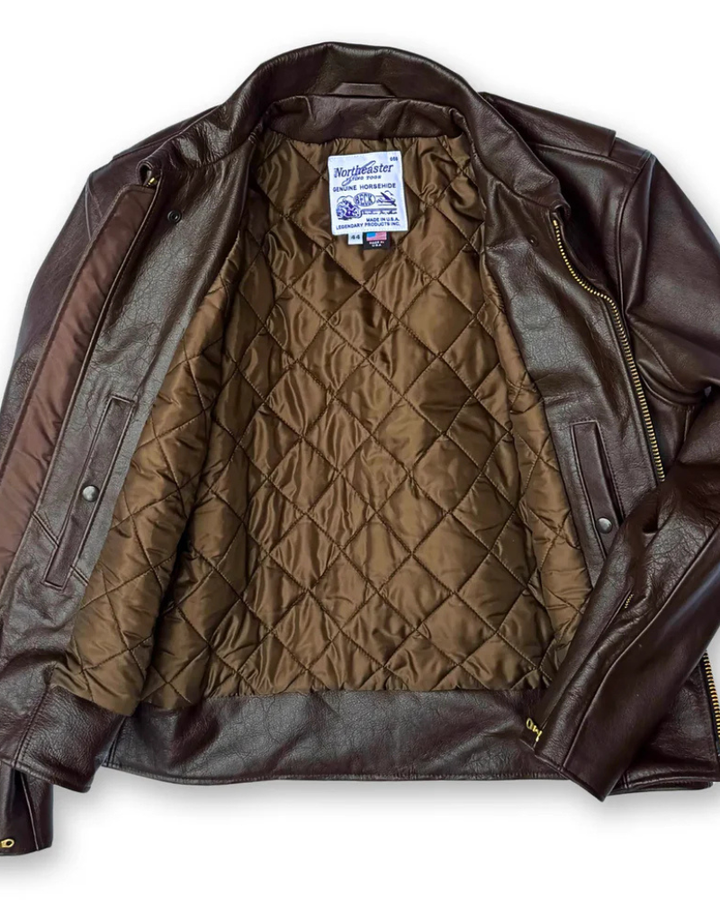
- The traditional American fall kit is a flannel or henley under a leather or denim vest, solid or fleece-lined leather gloves, and a leather jacket for the cold end of the day. It is a layering system rather than a single garment, because a fall ride commonly starts at 45F and ends at 72F. Riders who tour in fall usually carry two pairs of gloves and swap them at the lunch stop rather than committing to one pair for the whole day.
- Why do riders wear flannel under a motorcycle vest?
- Flannel is warm, cheap, hard-wearing, and it layers flat under a vest without adding bulk at the shoulders. It became standard in American riding for practical reasons rather than fashion ones. A flannel under a denim or leather vest handles a cool morning, and it can come off at a gas stop when the afternoon warms up, which a heavy jacket cannot.
- How does cold weather affect leather motorcycle gear?
- Cold stiffens leather. A hide that feels supple at 70F feels noticeably firmer at 40F, which is why unconditioned gloves fight you for the first several miles of a cold morning. The fix is conditioning before the season, not during it, because leather absorbs conditioner best while it is warm. Cold itself does not damage leather. What damages leather is drying it too fast with direct heat after a cold, wet ride.
- What is the last ride of the season?
- In northern riding states, the last ride of the season is the final trip before the bike goes on a battery tender for winter, usually in November or early December. It is an informal tradition rather than an organized event, and many riders make a point of taking the long route. Southern and Southwestern riders often have no last ride at all and simply add layers through January.
The Season Worth Gearing Up For
Fall is when the roads clear, the air sharpens, and the gear in your closet finally gets used the way it was designed to be used. Get the leather conditioned, put a warmer pair of gloves in the rotation, and go collect the best two months of the riding year.