

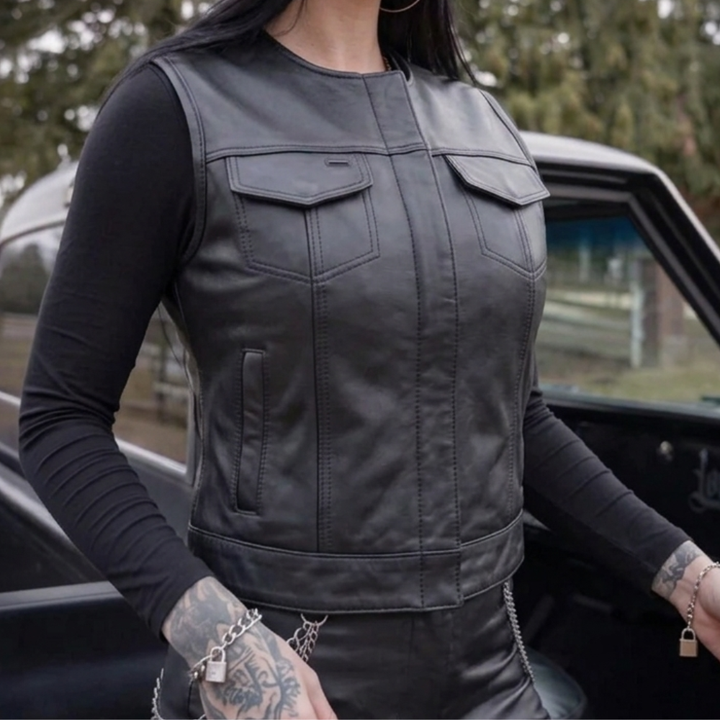


The Problem: Mass-Produced Jackets That Never Improve With Age
Walk into any big-box retailer and you'll find motorcycle jackets made from bonded leather, synthetic blends, and thin cowhide that won't last two seasons. These jackets look decent on the hanger. Then you wear them. The leather cracks at the creases. The color fades unevenly. The hardware rusts. After a few years, you're left with something that looks worse than when you started, not better.
The real problem is cheaper leather can't develop patina. It just deteriorates.
Patina is what happens when quality leather ages gracefully—the leather darkens, creases deepen, scuffs and scratches tell stories of actual use. But cheap leather doesn't have the structure to do that. The tanning process is rushed. The hide selection is poor. The leather breaks down instead of breaking in.
We've been building durable leather motorcycle jackets for 25 years. We see riders come back with jackets that look ten years old but still perform like day one. Then we see the mass-produced stuff come through that's barely hanging together at the seams. The difference isn't luck. It's the material and the craft.
Why Patina Matters to Serious Riders
Patina isn't just aesthetics. It's proof. A well-worn leather jacket tells you exactly where the rider has been, what they've done, and how they've treated their gear. That matters.
For serious riders, a jacket with character is a jacket that's earned its keep. The creases around the elbows show you've been on the bike hundreds of times. The darkened areas where your hands grip the jacket tell you this gear has been trusted. Scuffs and scratches aren't damage—they're records of real riding.
This is why vintage leather jackets command respect. A 30-year-old bomber jacket isn't valuable because it's old. It's valuable because it's survived actual use and looks better for it. The leather has softened. The color has deepened. The overall presence has intensified.
Cheap jackets can't deliver this. They fall apart before they can develop character. You end up replacing them every few years, which means you never build that relationship with your gear. Quality leather invites you to keep it. To maintain it. To make it yours.
Understanding Leather Quality and Durability
Not all leather is created equal. The grade matters. The tanning process matters. The thickness matters. And the way it's finished matters tremendously.
Full-grain leather is the top tier. It keeps the entire surface of the hide intact, including the natural grain and texture. This means it's stronger, more durable, and develops patina more beautifully than anything else. Full-grain hides are also more expensive because there's zero waste—you can't sand away imperfections.
Top-grain leather removes that outer layer to create a uniform surface. It's still quality, still durable, but it won't patina quite as dramatically as full-grain. We use both depending on the application and the look you're after.
The tanning process determines how the leather will age. Chrome tanning is fast and cheap. Vegetable tanning is slower, more expensive, and creates leather that actually improves with time. Vegetable-tanned leather develops deeper color, richer tone, and more interesting texture as it oxidizes and gets handled.
Thickness also matters for durability. We work with hides between 1.2 and 1.8 millimeters. Anything thinner won't hold up to real riding. Anything thicker becomes stiff and uncomfortable. The sweet spot gives you protection without the armor feel.

How Our American-Made Construction Creates Better Patina
We build our jackets to last because we use better materials and we spend more time on construction. That commitment shows in the patina.
Start with the hide selection. We source premium cowhide from tanners we've worked with for decades. We reject hides with blemishes, thin spots, or inconsistent grain. This means we're working with material that's already set up for beautiful aging.
The cutting and pattern work matter. When leather is cut carelessly, it ages unevenly. Stress points develop tears instead of character lines. Our patterns are designed so the leather can move and flex naturally, which allows it to develop patina evenly and organically.
Stitching is everything. We use saddle stitching—hand-stitched or machine-stitched using heavy waxed thread—because it's stronger than single-needle industrial stitching. When a seam breaks on a cheap jacket, the whole thing falls apart. Our seams hold. This means your jacket stays intact long enough to actually patina properly.
Hardware selection matters too. We use solid brass and stainless steel snaps, zippers, and D-rings because they don't rust. Cheap hardware oxidizes and stains the leather around it. That's not patina. That's corrosion. Quality hardware means the jacket ages evenly and beautifully.
When you buy from us, you're buying a jacket built to develop character. Not built to fall apart and be replaced.
The Natural Aging Process: What to Expect
Real patina develops in phases. Knowing what to expect helps you understand that your jacket is working as designed.
Phase one happens in the first month. The leather lightens slightly as surface oils redistribute. You'll notice the color evening out. Creases start forming around high-flex areas—elbows, shoulders, where you grip the collar. The leather begins conforming to your body. This is the break-in period, and it's crucial. Wear the jacket regularly. Don't baby it.
Month two through six is when things get interesting. The leather darkens noticeably. Colors deepen. The creases become more pronounced. Scuffs and scratches from riding appear—and they don't look like damage. They look like proof. The leather starts showing its personality. This is when you realize the color you picked was the right choice.
Year one and beyond, the transformation accelerates. Deep creases develop character lines. The overall tone darkens considerably. Scuffed areas lighten slightly as oils are worn away, creating contrast. The leather becomes softer, more supple, more comfortable to wear. The jacket doesn't look new anymore. It looks lived-in. It looks like it belongs on you.
By year three to five, your jacket has serious presence. The color is rich and deep. The patina is undeniable. New riders will ask you about it. You'll catch yourself noticing how the light hits the creases differently than it did before.
The speed of patina development depends on how much you ride and how you care for the leather. A jacket that gets heavy use every week will patina faster than one that comes out on weekends. That's fine. Both are developing character. Both are earning their story.
Caring for Your Jacket as It Develops Character
Proper care accelerates beautiful patina and prevents premature deterioration.
Start with the basics. Dust off your jacket after every ride. Road dust and salt air are leather's enemies. A soft cloth works fine. You're not trying to polish it. You're just removing surface debris.
Once every few months, condition the leather with a quality leather conditioner. We recommend mink oil or leather conditioner made for motorcycle gear. The goal is keeping the leather from drying out, not making it shiny. Apply a thin coat, let it soak in for an hour, and buff away excess with a clean cloth. Conditioned leather develops patina more evenly and more beautifully than dry leather.
Store your jacket on a proper hanger in a dry place. Not in a plastic bag. Not crumpled in the back of a closet. Leather needs air circulation. Plastic traps moisture and promotes mildew.

If your jacket gets wet, let it air dry. Don't blast it with heat. Don't hang it in direct sunlight. Wet leather will develop water stains if dried too fast. Patience during the drying process prevents damage and keeps patina development on track.
Address spills immediately. If something gets on your jacket—salt spray, mud, grease—clean it while it's fresh. Use a damp cloth for water-based stains, leather cleaner for oils and grease. Quick action prevents permanent discoloration that disrupts the natural patina development.
Small repairs matter. If a seam starts coming loose, have it stitched before it becomes a real problem. A resewn seam takes a few days. A completely torn seam might mean replacing an entire panel. We're here if you need repairs. Just call us.
The Difference Between Cheap Leather and Premium Hides
The difference becomes obvious in year two.
Cheap leather typically comes from industrial tanning operations where speed is the priority. The hides are thin, sometimes even split. Finishing is heavy—heavy dyes, heavy sealants, heavy protective coatings. These coatings prevent the leather from developing patina because they prevent the leather from breathing and oxidizing naturally.
When you wear cheap leather, those heavy finishes crack and peel. The leather beneath isn't strong enough to hold up without that coating. You end up with flaking, peeling leather that looks deteriorated, not aged.
Premium hides start with better raw material. Thicker leather from better cattle. The tanning is slower, which means the leather absorbs the tanning liquor more evenly. Finishing is light—just enough dye and sealant to protect the leather while allowing it to age and develop patina. There's nothing between you and the actual leather.
Over time, premium leather gets better. Cheap leather just gets worse. That's the fundamental difference.
Consider cost per year of use. A cheap jacket might cost $200 and last two years. That's $100 per year. A quality leather touring jacket might cost $800 and last fifteen years. That's roughly $53 per year—and it looks and performs better the entire time.
The real investment isn't the purchase price. It's the years you get out of it.
Building a Legacy Piece, Not a Disposable Purchase
There's a difference between buying a jacket and building a legacy piece.
A legacy piece is something you pass down. Something that improves with time. Something your kid might wear someday and think, "This jacket has a story." That only happens when you start with quality and maintain it properly.
When we build your jacket, we're not making something you'll replace in two years. We're making something that will still protect you and still look good in ten years. That commitment starts with material selection and construction. But it's completed by you—by how you wear it, how you care for it, and how you let it develop into something uniquely yours.
Legacy pieces earn their value. They become part of your identity. Years from now, you won't just remember riding in that jacket. You'll remember specific moments—certain roads, certain seasons, certain people you rode with. The patina will be embedded with those memories.
That doesn't happen with disposable gear. It only happens when you invest in something built to last.
Real Riders Share Their Patina Stories
We hear from riders all the time about how their jackets have evolved.

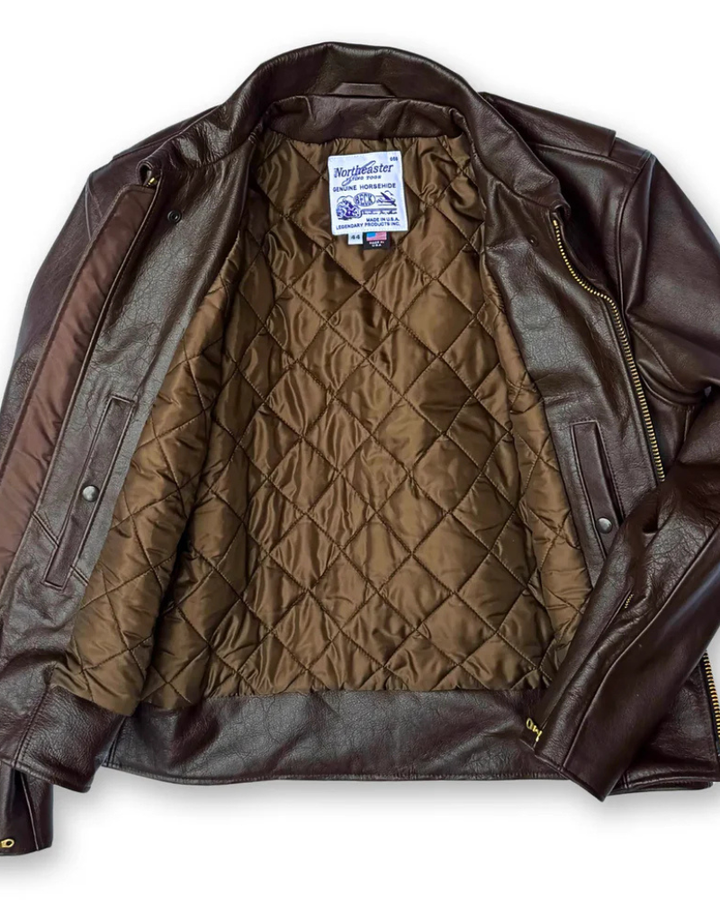
One customer told us his jacket—a premium cowhide touring jacket—looked completely different after five years of regular riding. The original chocolate brown had deepened into almost mahogany in the high-wear areas. The elbows had deep creases. The shoulders showed a worn pattern from his grip. He said it looked better at five years than it did at purchase.
Another rider sent us a photo comparing his jacket year-over-year. The transformation was dramatic. Year one, it was still relatively uniform in color. Year three, it had developed rich depth and character. The color variation alone told the story of where he rode, how he handled the jacket, and how much time he spent in the saddle.
These aren't special jackets. They're just jackets that were built well and cared for properly. Any of our riders with a quality jacket will see similar results if they wear it regularly and maintain it.
The common thread is that these riders didn't need to replace their jackets. They got more attached to them with every ride.
Investing in Leather That Tells Your Story
Your jacket isn't just protection. It's a record of your riding life. It collects stories.
When you invest in quality leather—when you choose a jacket built by people who've been doing this for 25 years and stand behind every product—you're making a choice to build something that matters. Something that improves with time instead of degrading.
We stand behind our gear. If something fails, we fix it. If you need advice on care, we answer the phone and actually talk to you—no script, no runaround. We built our reputation on making jackets that last and backing them completely.
If you're looking to build that legacy piece, start by picking the right jacket. Browse our leather touring jackets or our premium cowhide options. Pick the style that fits your riding. Buy it. Ride it. Let it develop character.
In a few years, you won't have a jacket. You'll have a partner that's been with you on thousands of miles and looks better for every single one.
For further reading: Leather touring jackets, Premium cowhide gear.
Join our Legendary VIP newsletter and save 15% OFF your first purchase https://legendaryusa.com/pages/vip-text-club
Frequently Asked Questions (FAQ)
What makes our leather jackets develop better patina than mass-produced alternatives?
We use full-grain leather from premium American hides that are tanned to develop character naturally over time. Our construction methods preserve the leather's ability to absorb oils from your body and environment, which creates the rich patina that cheap leather simply cannot achieve. Mass-produced jackets use corrected-grain or bonded leather that's designed to resist change rather than embrace it, so they never develop that authentic aging process our riders value.
How should we care for our jacket while it's developing its patina?
We recommend conditioning your jacket every 6 to 12 months with quality leather conditioner to keep the hide supple and accelerate the patina process. Avoid over-cleaning or using harsh chemicals that strip the leather's natural oils. Exposure to sunlight and regular wear actually helps develop character faster, so don't be afraid to ride hard and let your jacket earn its story alongside you.
Will our jacket last long enough to justify the investment?
We've been manufacturing and selling these jackets for over 25 years, and we regularly hear from riders whose jackets have lasted 15, 20, even 30+ years with proper care. Our American-made construction and premium leather are built to outlast cheap jackets by decades, which means you're investing in a piece that becomes more valuable and personal the longer you own it. We stand behind every product we make because we know what quality really looks like.