

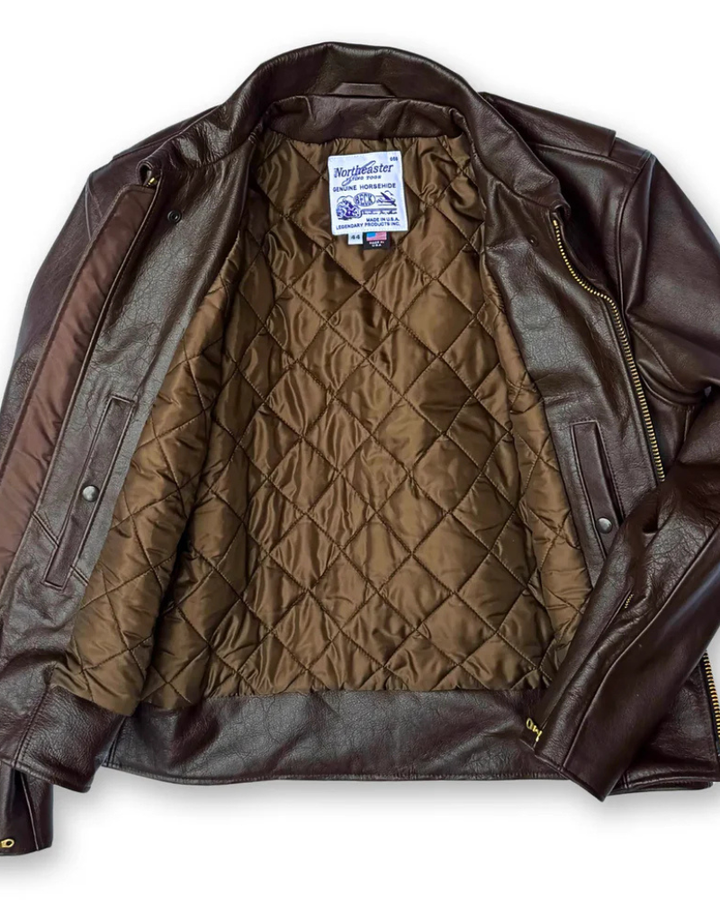
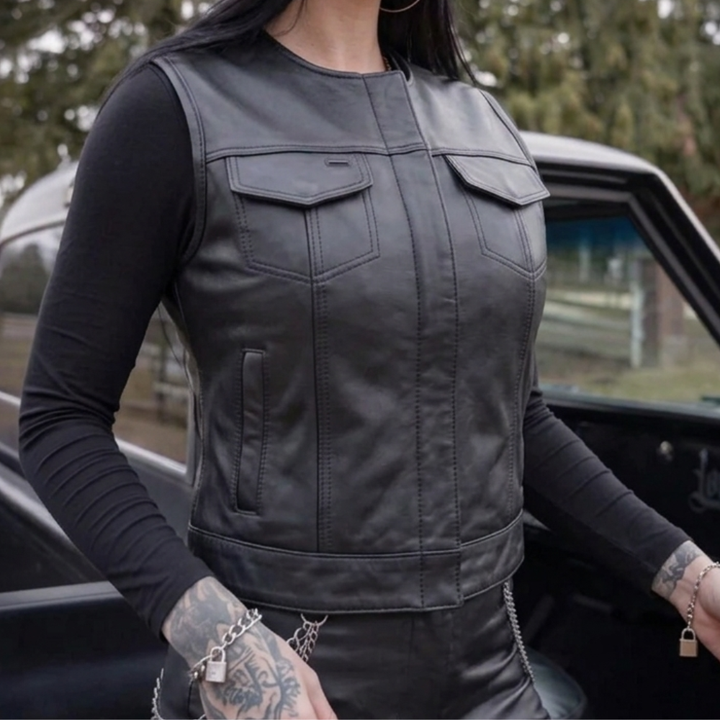


"Leather is too hot for summer" might be the most repeated piece of gear wisdom in motorcycling — and it is mostly wrong. The belief comes from real experiences with the wrong leather: thick, heavily finished, fully lined jackets worn in August. But leather as a material is not the problem. Leather is skin, and skin's entire job was breathing. Understanding why some leather breathes and some doesn't will change how you buy summer gear.
What Breathability Actually Is
When gear people say "breathable," they mean moisture vapor transmission — the rate at which water vapor (your evaporated sweat) passes through a material. Your body cools by evaporating sweat; if the vapor can't escape through what you're wearing, the air inside your gear saturates and cooling stops. Materials with high vapor transmission keep the evaporation engine running. Plastic films sit near zero. Untreated natural hides sit remarkably high.
Why Hide Structure Decides Everything
Leather is a three-dimensional weave of collagen fibers — millions of microscopic channels that water vapor migrates through. How open that weave is varies enormously by animal. Deerskin has one of the loosest, most open fiber structures of any riding leather, which is why it stretches like it does and why vapor moves through it so freely. Cowhide is denser; horsehide denser still — better at blocking wind and weather, slower at passing vapor. None of them, however, is sealed. A hide only stops breathing when people stop it.

The Finish Is the Culprit
Here is where the "hot leather" reputation actually comes from. Budget leather goods are often pigment-coated — sprayed with an opaque finish layer that evens out the hide's appearance and, incidentally, seals those vapor channels shut. Add a polyester lining and a layer of foam, and you have built a garment that happens to contain leather but behaves like vinyl. Aniline and lightly finished leathers — the kind used in quality riding gloves — leave the fiber structure open. The grain you can see and feel is the grain that breathes.
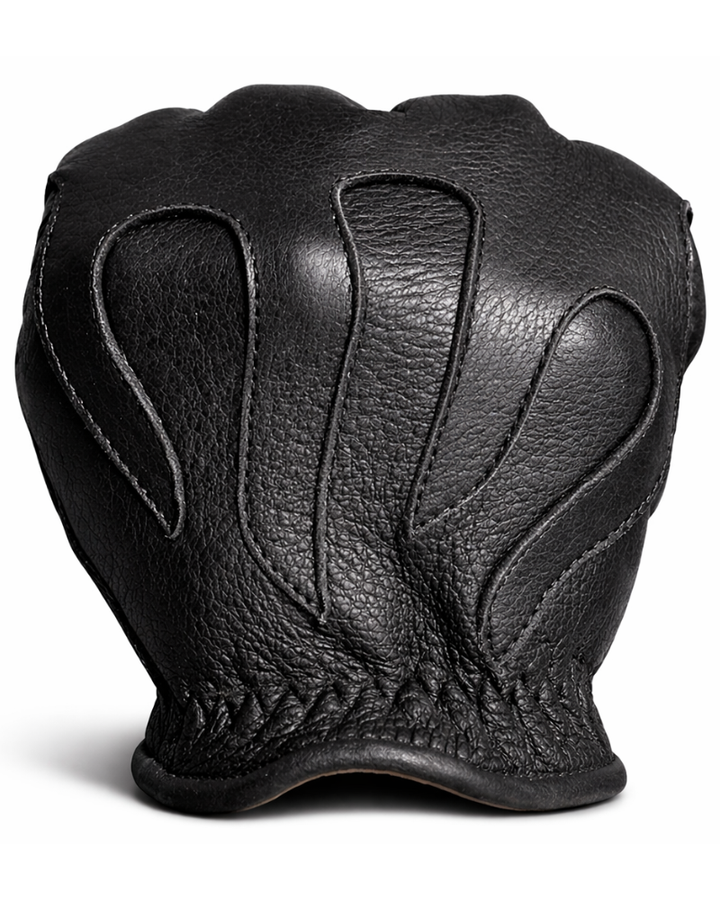
This is why an unlined deerskin glove feels cooler at 90 degrees than a perforated synthetic glove with a sealed back: the deerskin vents through every square inch, the synthetic only through its holes.
What This Means for Your Summer Kit
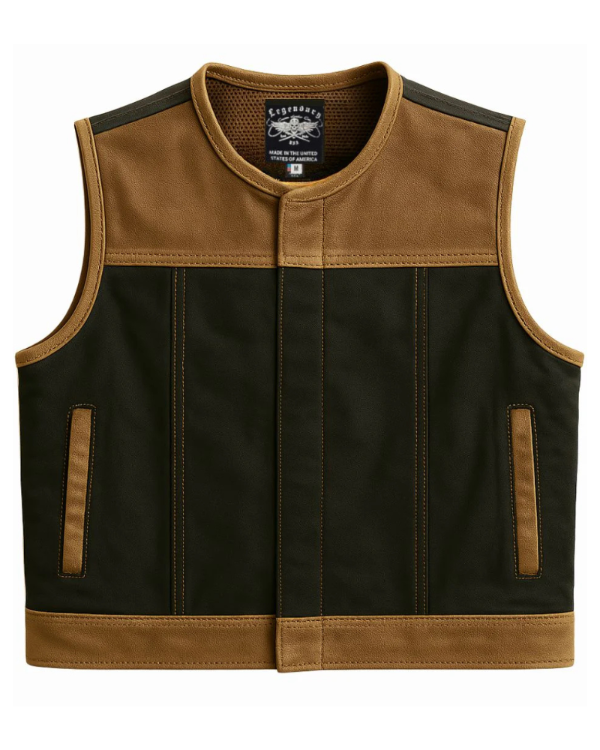
Buy summer leather by three rules. First, favor open-grain hides — deerskin for gloves above all. Second, go unlined where the season allows; every lining layer is a vapor brake. Third, be suspicious of leather that looks perfectly uniform and plastic-smooth — that uniformity is usually a coat of sealant. The gloves in the USA-made collection and the lighter vests in the vest lineup follow all three rules, which is why riders wear them through July without thinking about it.
Leather earned its place on motorcycles through a century of summers, long before synthetic mesh existed. The riders who built that tradition were not suffering for style. Their leather breathed — and chosen well, yours does too.