
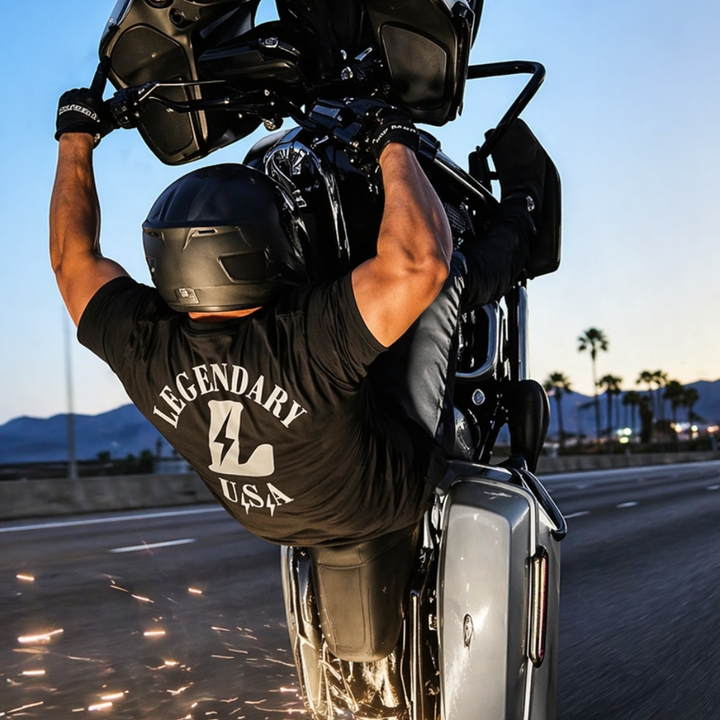
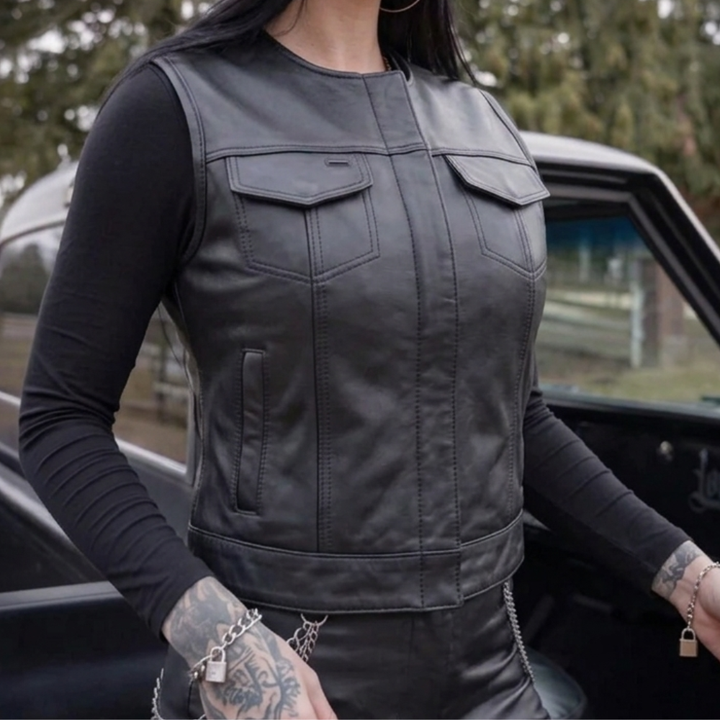


You’ve got the bike. Now you need gear that actually fits the way you ride — not a collection of parts thrown together because someone told you to check boxes. The first kit you build sets the pattern for how you approach every ride that follows, so it’s worth getting the priorities right from the start. This guide covers what to buy first, what can wait, and why American-made leather holds up better over time than the alternative.
Start with What You’ll Touch Most: Gloves

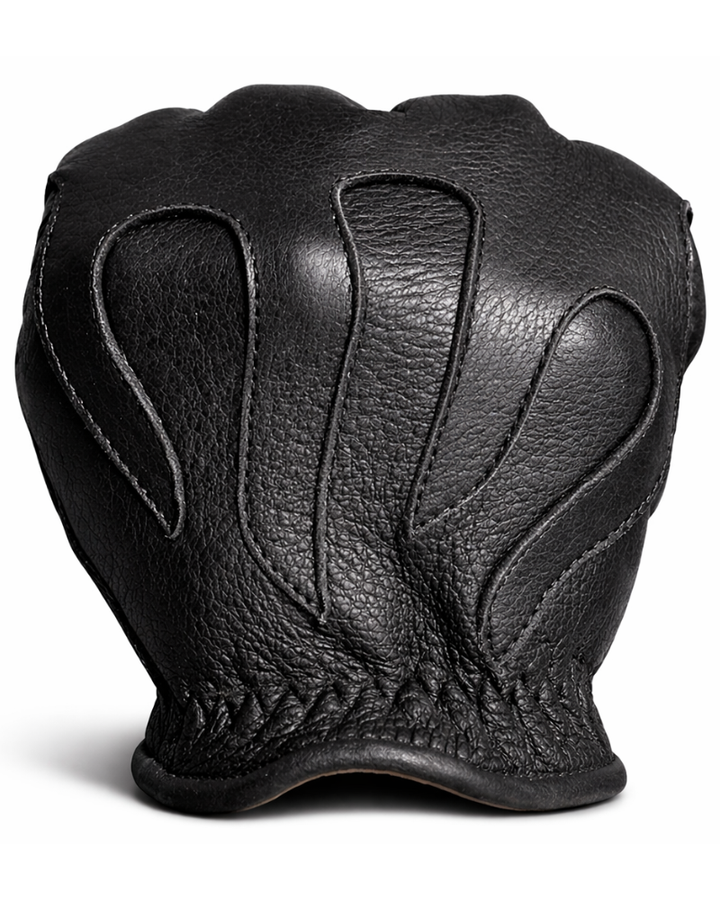
Gloves are the first thing you put on before every ride and the first thing that takes the wind at highway speeds. A poor fit creates fatigue in your hands within an hour; a good pair breaks in to your grip and becomes unremarkable — which is exactly what you want. The material matters here more than most new riders expect.
American whitetail deerskin is the most supple leather available for motorcycle gloves. It conforms to the hand faster than cowhide, breathes well in summer heat, and softens further with each use rather than stiffening. The Legendary Deerskin Short Wrist Touchscreen Gloves are a practical starting point — the short wrist cut works under or over jacket cuffs, and the touchscreen-compatible fingertips mean you’re not pulling gloves off every time you check navigation. If you prefer a classic gauntlet profile, the Legendary Deerskin Classic Touchscreen Gloves offer more wrist coverage with the same deerskin break-in advantage.
Browse the full men’s made-in-USA motorcycle gloves collection if you want to compare cuts before committing. Fit is the deciding factor — gloves that bunch at the knuckles or gap at the wrist aren’t doing their job.
The Jacket Layer
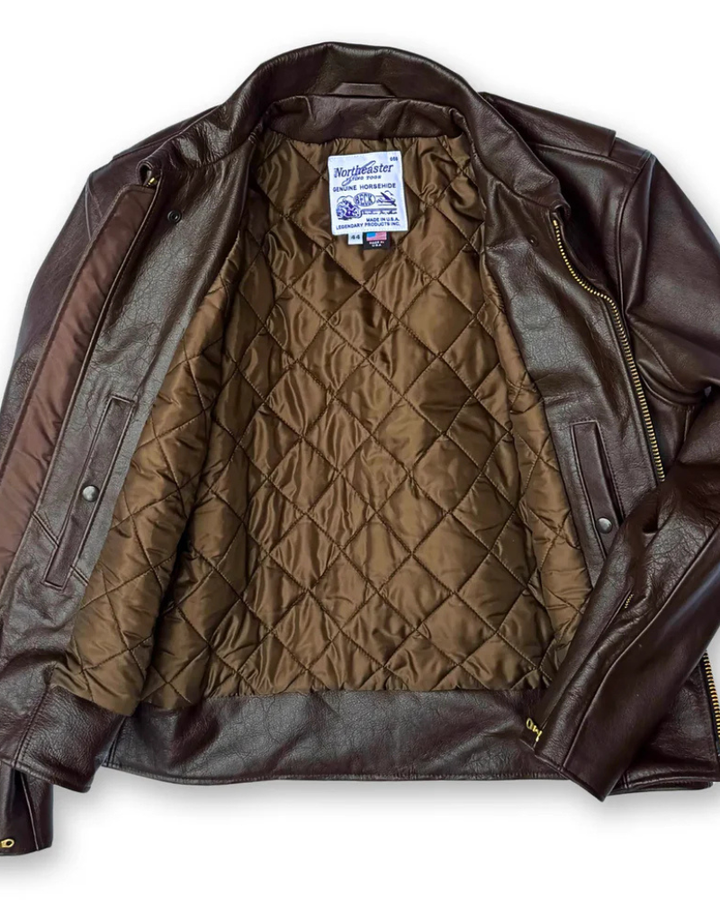
A leather motorcycle jacket is a long-term investment, and the first one you buy will likely outlast several bikes if you choose the right construction. The key variables for new riders are fit through the shoulders and sleeves, pocket placement, and whether the jacket has interior pockets or panels designed for armor inserts. You don’t need the most complex jacket on the market — you need one that fits correctly and is built from leather that will age with use rather than crack under it.
The Legendary Black Hills Men’s Leather Motorcycle Jacket is a straightforward starting point. It’s a classic cut without extra bulk, made from Legendary USA leather, and designed for riders who want a jacket that works on the bike and off it without looking like a costume. The interior is set up for armor inserts at the impact zones — a practical feature for a first riding jacket. See what else is available across the men’s made-in-USA motorcycle jackets collection if you want to weigh a few options before deciding on a silhouette.
Fit check before you buy: sleeves should reach to the base of your thumb when your arms are extended in riding position, not in a standing posture.
Adding a Vest
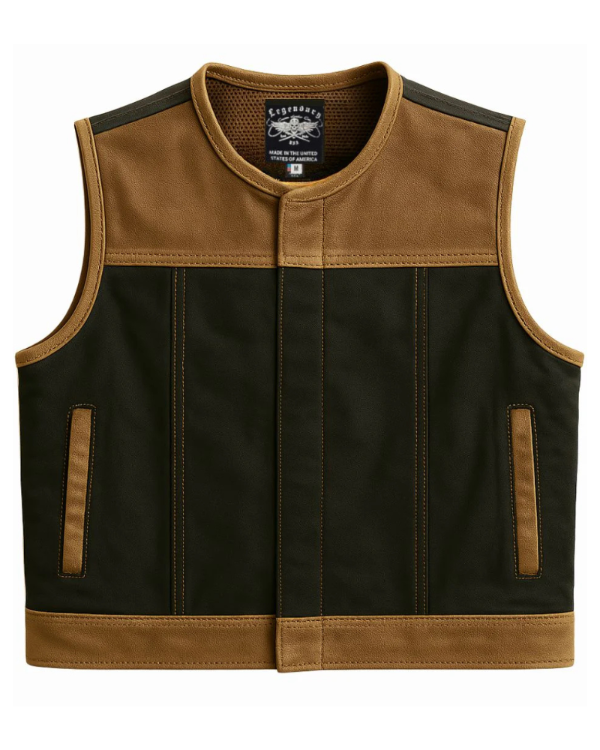
A leather vest isn’t required gear, but it earns a place in the kit quickly. On warm days when a full jacket is too much, a vest gives you leather coverage through the core without trapping heat in your arms. It also works as an outer layer over a light jacket when temperatures drop at the end of a long ride. The practical case for a vest builds up over a season.
The Legendary Club Style Men’s Leather Motorcycle Vest with Lacing has side lacing for a dialed-in fit across different body types — useful when you’re buying online and can’t try it in person. If you’re deciding between a vest and a jacket as your first leather purchase, or want to understand how construction differences affect fit and function, the leather motorcycle vest buying guide covers what to look for before you order.
The Rest of the Stack
Helmet, boots, and pants round out the full gear stack. For helmets, prioritize DOT certification at minimum, and look at SNELL or ECE 22.06 ratings if you want a higher standard — the rating system is standardized regardless of brand, so you can research independently and buy confidently. For boots, motorcycle-specific footwear with ankle protection and oil-resistant soles matters more than the label; look for construction that holds the ankle stable during low-speed maneuvers where most new rider incidents happen.
Riding pants are often the last piece new riders add to the kit and the first piece they wish they’d added sooner. Leather pants or textile pants with integrated knee and hip panels give you protection through the lower body that no amount of layering with regular clothes replicates. Buy them at the same time you buy your jacket if the budget allows — sizing the two pieces together ensures the jacket doesn’t ride up when you’re seated.
Why American-Made Gear Pays Off Over Time
The case for buying American-made motorcycle gear isn’t sentimental — it’s practical. Domestic production means tighter quality control at the source, better access to premium domestic materials like American whitetail deerskin, and construction standards that don’t rely on long supply chains for oversight. You also have better recourse if something isn’t right: domestic brands are reachable, accountable, and built to stand behind what they sell.
Imported gear at a lower price point often looks comparable on a product page and feels different in hand after two seasons. Leather sourced and tanned in the USA doesn’t need to survive global shipping in compressed packaging, which affects how it arrives and how it breaks in. The cost difference between imported and domestic gear compresses significantly when you factor in replacement cycles — a well-made American leather jacket or pair of gloves is a multi-decade piece, not a multi-season one.
New riders who invest in the right gear stack from the first season ride more confidently and replace gear less often. Start with gloves and a jacket, add a vest as your riding style develops, and build the rest of the stack before you stretch your distances. Gear bought once and bought right is always the better equation.