



The N-1 deck jacket is the U.S. Navy's cold-weather work jacket, issued during World War II to sailors who worked long shifts on open ship and carrier decks. Built with a tough cotton shell, a warm alpaca or wool pile lining, and a corduroy collar, it was designed for one thing: keeping deck crews warm and moving in cold, wet, windy conditions. Where the G-1 and A-2 were leather jackets for aviators, the N-1 was honest workwear for the men below them, and that practicality is exactly why it became an American classic.
Born on the carrier deck

To understand the N-1, picture the flight deck of a WWII aircraft carrier in winter. Spray, wind, and cold cut through everything, and the deck crews worked outside for hours around aircraft, cables, and heavy gear. They needed a jacket that was warm enough to survive the exposure, tough enough to take constant abuse, and free enough to let them work. Leather was for the pilots. The deck crew got the N-1: a cotton-shell jacket with a dense pile lining, cut for movement and built to last.
The design reflects that mission down to every detail. The tightly woven cotton outer blocked wind and shed spray. The alpaca or wool pile lining trapped body heat without the bulk of leather. The zip-and-button front sealed against the cold, and the sturdy collar closed up around the neck. Nothing on the jacket was decorative. Every piece answered a problem the Navy had already lived through.
Workwear, not a flight jacket
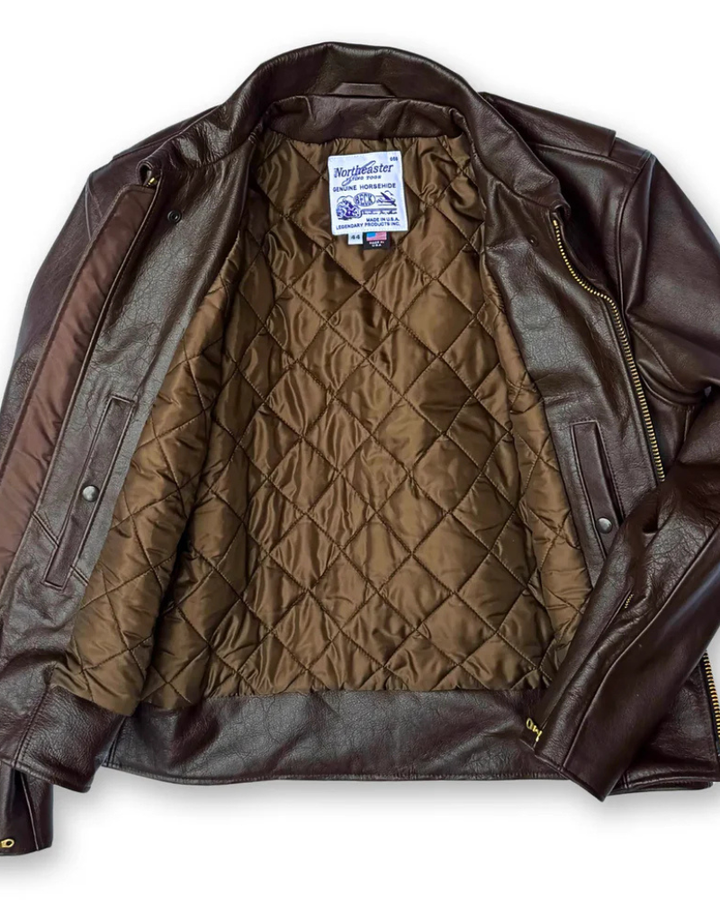
The honest way to place the N-1 is next to the leather flight jackets, because riders shopping military heritage inevitably compare them. The G-1 and A-2 are leather jackets built for aviators, offering leather abrasion resistance and a polished look. The N-1 took a different path: a rugged cotton shell over a warm pile lining, lighter and better suited to physical labor. Neither is better in the abstract. They were built for different men doing different jobs on the same ship.
That distinction is what gives the N-1 its character today. It does not try to be a dress jacket. It is a warm, tough, no-nonsense garment, and people who wear one tend to appreciate exactly that. If you want the leather side of Navy heritage, the mouton-collared G-1 is its natural counterpart, and we cover it in our guide to authentic American-made flight jackets.
Why the N-1 still matters
Most military garments fade into history. The N-1 did not, and the reason is simple: it was designed as honest workwear, and honest workwear never really goes out of style. The same qualities that made it right for a cold carrier deck, warmth without bulk, toughness without fuss, made it right for civilian winters, work sites, and cold rides. Its clean lines and stenciled military markings carry authentic character that no fashion brand can fake, because the N-1 earned its look on the job.
American makers like Cockpit USA keep the original N-1 pattern alive for people who want the real article rather than a costume version. That commitment to building military gear the way it was actually made is the same standard Legendary USA has stood behind for 25 years. We carry heritage pieces because they were built to outlast trends, the same way our own gear is. You can see that made-in-USA philosophy across the full motorcycle gear collection.
Wearing an N-1 on the road
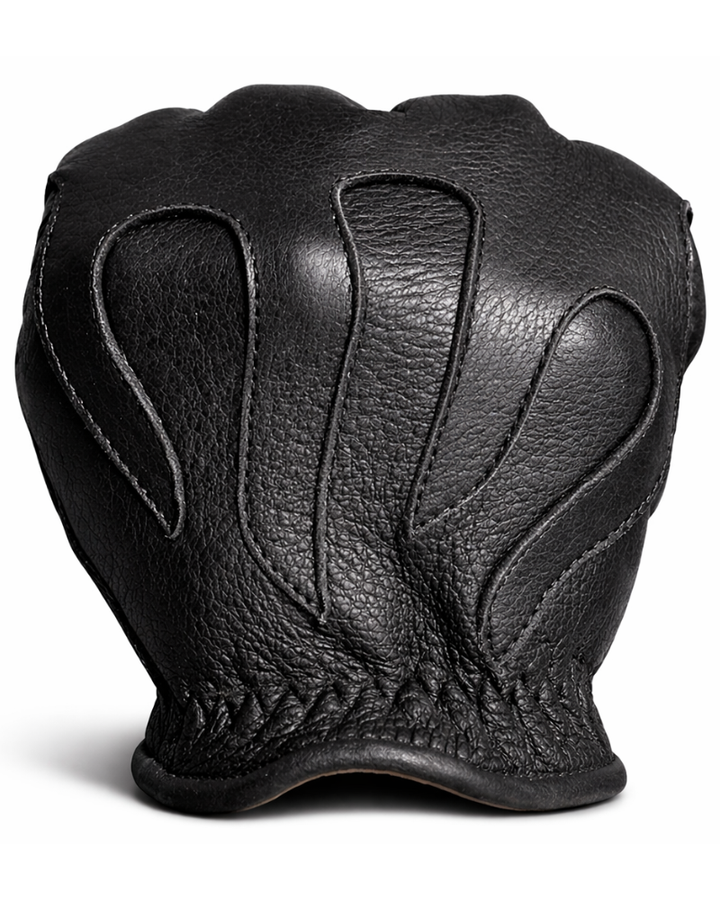
For riders, the N-1 makes a strong cold-weather layer. The tight cotton shell cuts wind and the pile lining holds heat, which is precisely what it did on deck. Be clear on the tradeoff, though: it is heritage workwear, not armored riding gear. It has no CE armor and no leather abrasion panels, so it belongs in the casual cold-weather rotation rather than the track. Riders who love the look wear it for around-town and cruiser miles and add protective gear when they want more. Pair it with warm American-made gloves like our deerskin fleece-lined gloves and you have a cold-morning kit with real heritage behind it.
Frequently asked questions
- What is an N-1 deck jacket?
- The N-1 is a U.S. Navy cold-weather work jacket issued during World War II to sailors working on carrier and ship decks. It has a tough cotton shell, an alpaca or wool pile lining for warmth, a corduroy or knit collar, and a zip-and-button front. Unlike the leather flight jackets, the N-1 was built as rugged deck-crew workwear, which is why it became a durable, no-nonsense American classic.
- What was the N-1 deck jacket used for?
- The N-1 was issued to Navy deck crews who worked long shifts outdoors in cold, wet, and windy conditions aboard ships and aircraft carriers. It had to be warm, wind-resistant, and tough enough to survive constant physical work around aircraft and heavy equipment. The pile lining trapped heat while the tight cotton shell blocked spray and wind, making it the standard cold-weather deck garment of its era.
- What is the difference between an N-1 deck jacket and a leather flight jacket?
- An N-1 is a cotton-shell, pile-lined deck jacket built as Navy workwear, while flight jackets like the G-1 and A-2 are leather jackets built for aviators. The N-1 trades leather for a rugged cotton outer and a warm pile lining, which makes it lighter and better suited to hard physical work. Flight jackets offer leather abrasion resistance and a different look. Each was designed for a different job aboard the ship.
- Why is the N-1 deck jacket still popular today?
- The N-1 endures because it was designed as honest workwear: warm, tough, and simple. That practicality translated straight from the deck to civilian life, where riders, workers, and heritage-gear fans value a jacket that keeps you warm without pretense. Its clean lines and military stencil markings give it authentic character, and American makers like Cockpit USA keep the original pattern alive for people who want the real thing.
- Is an N-1 deck jacket good for motorcycle riding?
- An N-1 works well as a warm, wind-blocking layer for cold around-town and cruiser riding. The tight cotton shell cuts wind and the pile lining holds heat, which is exactly what it was built to do on deck. It is heritage workwear, not armored riding gear, so it has no CE armor and no leather abrasion panels. Riders who love the look wear it for casual cold-weather riding and add protective gear when they want more coverage.
The bottom line
The N-1 deck jacket earned its place in American history the hard way, keeping Navy sailors warm and working through the coldest, wettest shifts of World War II. It was never meant to be glamorous, and that is exactly why it lasts: honest, warm, tough workwear that translates as naturally to a cold ride as it did to a carrier deck. When you wear a real American-made N-1, you are wearing a piece of Navy history that was built to work, and still does.