

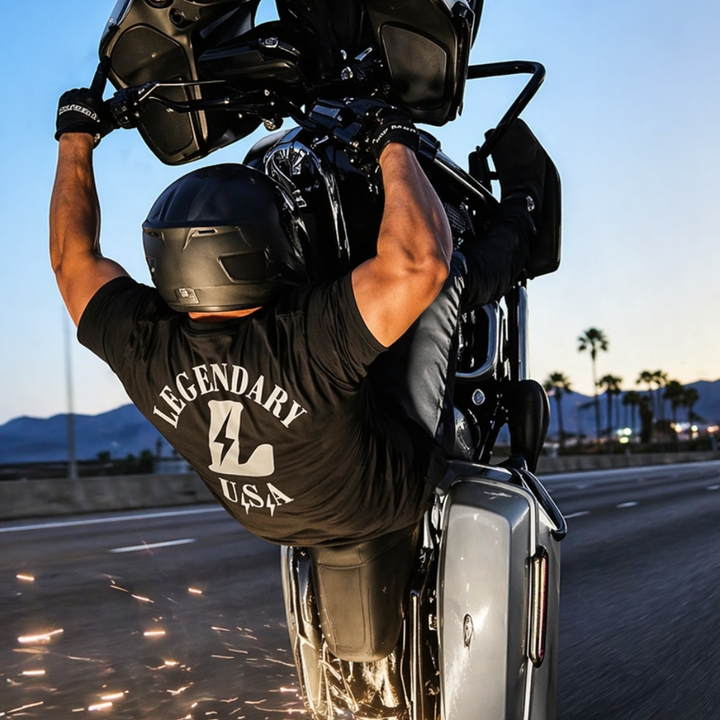


Packing for a motorcycle trip is subtraction, not addition. The bike grants you two saddlebags and maybe a roll bag — perhaps 60 liters against the 200 you would throw in a car trunk. Summer makes it easier in one way (less insulation) and harder in another (sweat means laundry math). Here is a packing method refined by riders who do this every season, organized around one rule: everything earns its space twice.
The Wear-One-Pack-One Rule
For everything that touches your skin, carry exactly two: the one you are wearing and one clean. Two base layers, two pairs of socks, two T-shirts. Wash the day's set in the motel sink each night — wicking synthetics dry by morning, which is half the reason you wear them. This single rule cuts most riders' soft luggage in half and ends the third-day laundry crisis before it starts.
Riding Gear: On the Body or On the Bike
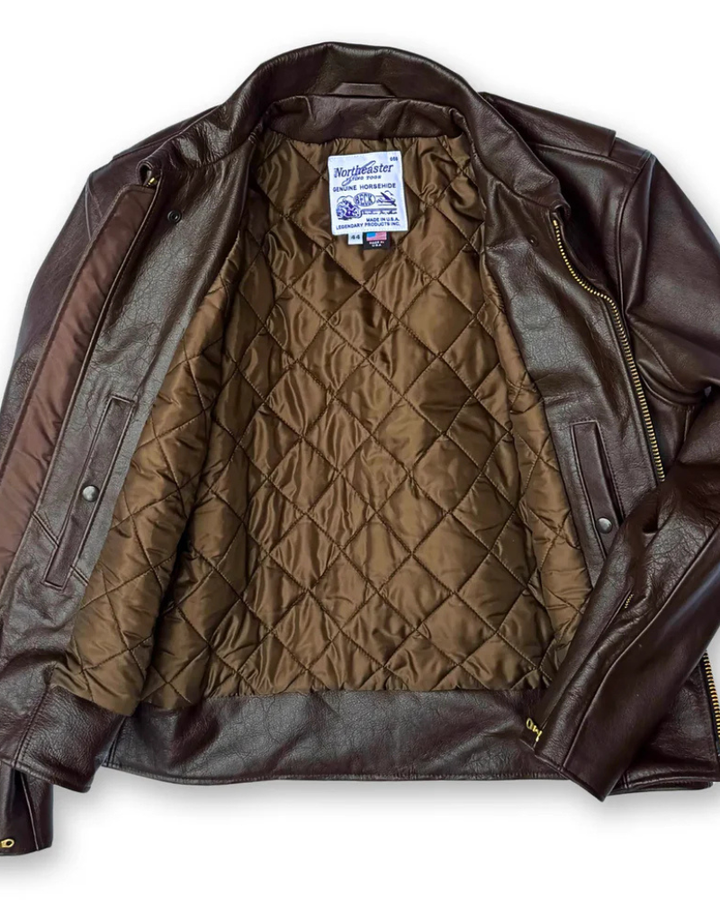
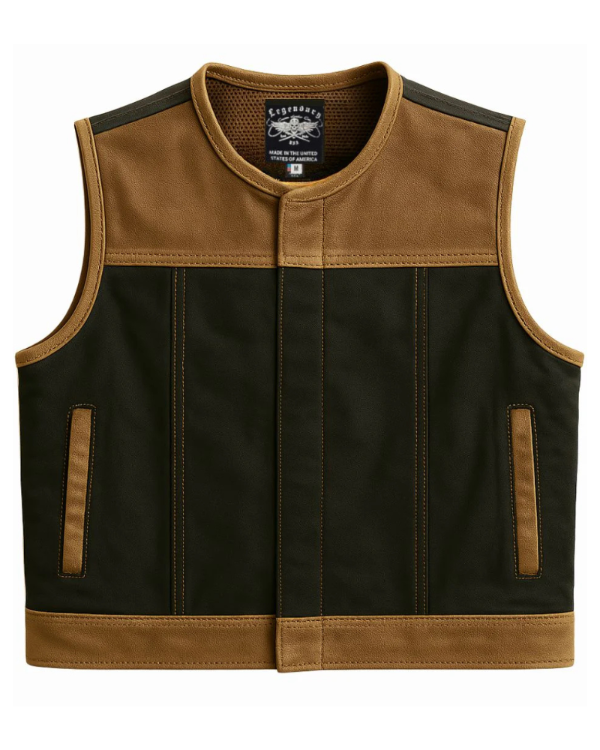
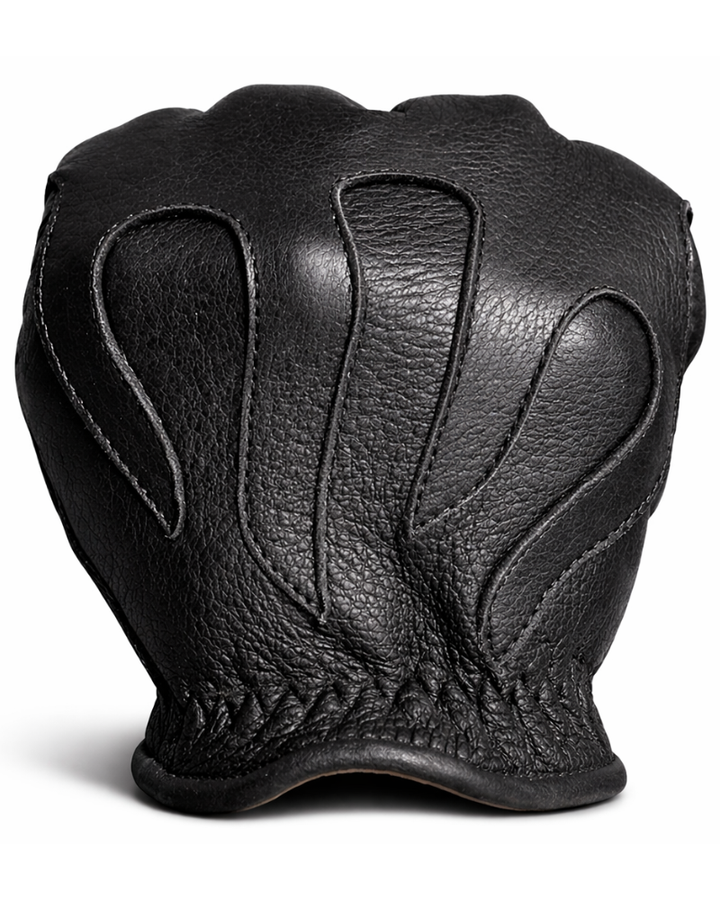
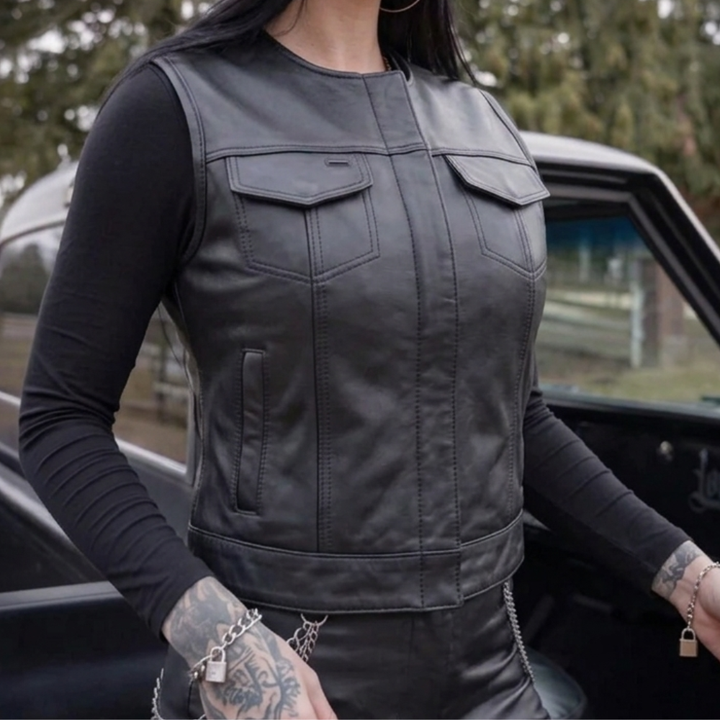
Your leather lives outside the luggage. Vest worn. Gloves worn, with the backup pair — and you should carry a backup pair on any trip past a weekend — flat against a saddlebag wall, where deerskin short wrist gloves occupy roughly the volume of a folded T-shirt. The jacket straps to the sissy bar or rides bungeed on the pillion in a trash-compactor bag that doubles as rain protection for it. Nothing here costs interior space except the spare gloves.

The Left Saddlebag: Clothes
Rolled, not folded: two base layers, two T-shirts, socks and underwear on the two-count, one pair of off-bike pants, one packable warm layer (a light fleece covers every summer evening in the lower 48), swim trunks that double as shorts. One pair of off-bike shoes if you must — lightweight, and accept that they are a luxury item.
The Right Saddlebag: Everything Else
Toiletries in the smallest kit you can tolerate. Tool roll matched to your bike's fasteners, tire plug kit, mini compressor or CO2. First aid basics, sunscreen, and the chamois cloth that wipes the morning dew off the seat. Rain gear lives at the top of this bag, because rain never schedules an appointment. Water bladder or bottles ride outside the bags where you can reach them at speed or strap extras in the desert.
What Stays Home
The third pair of anything. Jeans beyond the one off-bike pair — they are bulky, slow-drying space thieves. Full-size tools the roadside can't use. The "maybe" pile in its entirety: if the trip will work without it, the trip will work without it. Every veteran packer's bags get smaller each year; that is the direction of mastery.
Load It Right
Heavy items low and forward in the bags, weight balanced side to side within a pound or two. Anything you need during the riding day — rain gear, water, spare gloves, sunscreen — packs last, on top. Strap the load once at home, ride ten miles, and re-strap; everything settles. Then stop thinking about it for a thousand miles, which is the whole point. The gear that handles this duty year after year — the leather, the gloves, the vest — lives in the full gear collection, and the vest lineup covers the piece that carries everything else.
Frequently Asked Questions
Should I pack a second pair of motorcycle gloves?
On any trip longer than a weekend, yes. Gloves are the gear most likely to be soaked by rain or left on a diner counter, and a flat-packed spare pair of deerskin costs almost no space against the misery of riding bare-handed for two days.
How do I pack a leather jacket on a summer trip?
Strapped to the bike, not buried in luggage — sissy bar, luggage rack, or across the pillion — inside a heavy plastic bag if rain threatens. You want it reachable at the first cold descent without unpacking anything.
What is the most commonly forgotten item on summer motorcycle trips?
Sunscreen and a warm evening layer, in that order. Riders pack for the heat they expect and forget both the sun exposure that comes with it and the 55-degree mountain evening at the end of the best day of the trip.