



To protect leather motorcycle gloves from rain and snow, keep the leather clean and lightly conditioned, dry wet gloves slowly at room temperature, rinse off road salt and store them dry. No treatment makes leather waterproof, so the goal is to slow moisture damage and keep the hide supple. The steps below follow the order a rider actually meets them across a wet season.
What protection from rain and snow can and cannot do
Leather care slows moisture damage and keeps the hide supple, but it does not make a leather glove waterproof. A conditioned glove sheds a light splash and dries better, and that is the realistic goal. In steady rain or wet snow, expect any leather glove to get damp eventually.
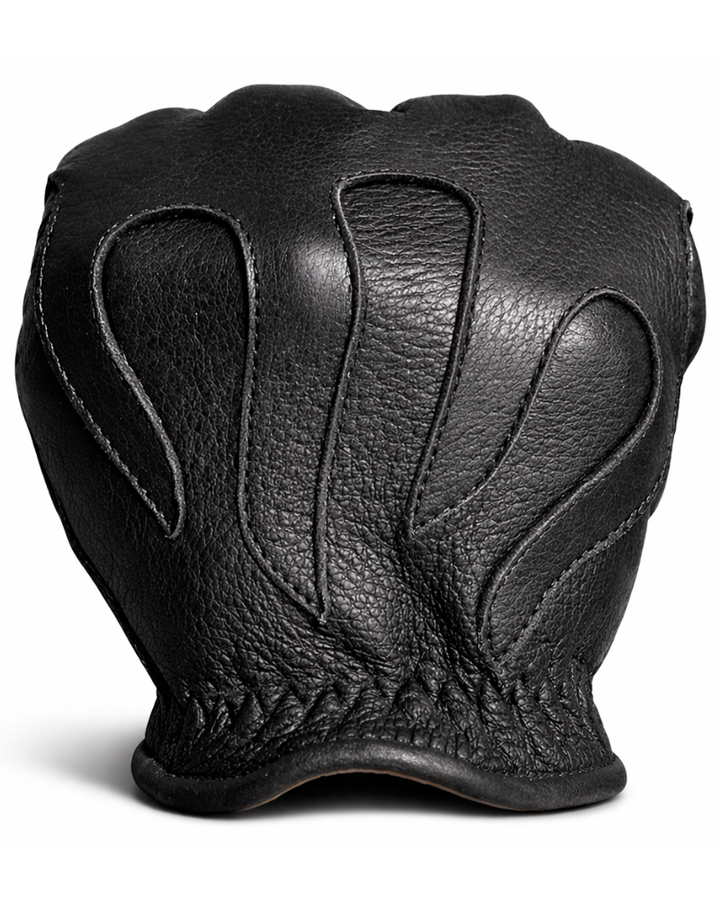
Legendary USA cuts its gloves from American Whitetail deerskin, which stays pliable after repeated wet and dry cycles without conditioning first. That is a real advantage over cowhide, but it is not a reason to skip care. Dirt, salt and heat do their damage whether the hide is deerskin or anything else.
Step 1: Start the season with clean, lightly conditioned leather

Brush off dried dirt first, then wipe the gloves with a barely damp cloth. Let them air dry fully before you add anything. Conditioner pushed into dirty leather just seals the dirt in.
Apply a leather conditioner sparingly with a soft cloth, work it in with your fingertips, and wipe off the excess. Too much conditioner leaves the glove greasy and slick on the grips. Test any product on an inside seam allowance or an inconspicuous spot first, and follow the maker's directions.
Our full walkthrough of leather motorcycle glove care covers cleaning and conditioning in more detail, and keeping leather gloves soft in the cold explains why dry leather cracks faster in winter air.
Step 2: Check the glove before a wet ride
Look at the stitching at the thumb saddle and fingertips, because those are the stress points where moisture and abrasion do the most work. Check the cuff or wrist closure so it sits flat. Check the lining too if your glove has one, since a fleece-lined glove takes longer to dry than an unlined one.
If rain is likely, carry a dry backup pair in a saddlebag or jacket pocket. Putting on a dry glove halfway through a cold ride is better than any spray. An unlined gauntlet such as the Classic Deerskin Gauntlets dries faster than a lined glove, which matters on multi-day rides.
Step 3: Dry wet gloves the slow way
Blot the outside with a towel, then shape the fingers and let the gloves air dry at room temperature. Keep them away from radiators, heaters, hair dryers and direct sun. Heat pulls oils out of leather and leaves it stiff, shrunken and prone to cracking.
Stuffing the gloves loosely with paper towels helps draw moisture out of the fingers, so change the paper when it gets damp. Once the leather is dry but still slightly cool to the touch, work it with your hands and add a thin coat of conditioner if it feels dry. The step-by-step version is in our guide to drying wet leather motorcycle gloves.
Step 4: Deal with road salt before it dries
Road salt leaves white marks and pulls moisture out of leather as it dries. Wipe the gloves with a cloth dampened in clean water, working with the grain, as soon as you can after a ride on salted roads. Then dry them slowly and condition lightly.
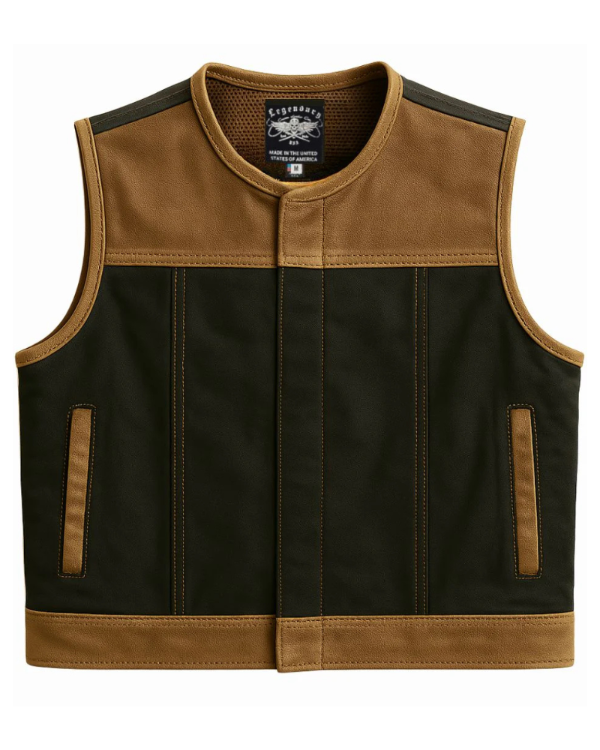
Vests and jackets collect salt too, so treat all of your leather the same way. We cover the method in removing road salt from leather gloves, vests and jackets.
Step 5: Store gloves dry and flat
Never store damp gloves in a saddlebag, a plastic bag or a garage corner that stays cold and wet. Keep them somewhere dry with air moving, away from heat sources. Our guide to storing leather motorcycle gear lays out the full routine for longer storage.
If your winter riding is regular, a second pair makes the whole routine easier because one pair can fully dry while you wear the other. The Fleece-Lined Deerskin Gloves suit cold, damp-air mornings, and the Made in USA motorcycle gloves collection has other options for a rotation.
Common mistakes that shorten a glove's life
The usual mistakes are drying near heat, over-conditioning, storing gloves wet and skipping salt cleanup. Another is trusting a spray to turn leather into a rain glove. For hard rain, our overview of motorcycle gloves in cold rain explains what to expect from leather and when to change your plan.
Protecting leather gloves from rain and snow is mostly routine: keep the leather clean, add conditioner sparingly, dry gloves slowly, rinse off road salt and store them somewhere dry. None of it makes leather waterproof, so carry a dry pair when the forecast is wet. Do it consistently and a good deerskin glove stays soft and keeps its shape for many seasons.
For rider training and general riding practice, the Motorcycle Safety Foundation publishes rider education resources.
Frequently asked questions
- Can you waterproof leather motorcycle gloves?
- Not completely. Conditioning and leather-safe treatments can help a glove shed light moisture and dry better, but they do not make leather waterproof. Legendary USA deerskin stays pliable after wet and dry cycles, which helps, yet steady rain or wet snow will eventually soak any leather glove. Carry a dry spare pair for wet-weather rides.
- How do I dry wet leather motorcycle gloves?
- Blot them with a towel, shape the fingers, and let them air dry at room temperature. Stuff them loosely with paper towels and change the paper as it dampens. Keep them away from heaters, hair dryers and direct sun, because heat pulls oils from leather and leaves it stiff and cracked.
- How often should I condition leather riding gloves?
- Condition when the leather starts to feel dry or stiff, not on a fixed calendar. Use a small amount on clean leather and wipe off the excess. Winter air and repeated drying can dry leather faster, so check your gloves more often in the cold season and after any soaking.
- Does road salt damage leather motorcycle gloves?
- Yes. Road salt leaves white residue and draws moisture out of leather as it dries, which can stiffen the hide and mark the surface. Wipe the gloves with a cloth dampened in clean water soon after the ride, dry them slowly, and add a light coat of conditioner once they are dry.
- Should I wear gloves that are still damp?
- Avoid it when you can. Damp leather feels cold against the hand and can dry stiff if it is worn and left wet. If you must ride in damp gloves, let them dry fully and slowly afterward, and keep a second dry pair so one pair always has time to recover.
- Do fleece-lined gloves take longer to dry?
- Yes. The lining holds moisture, so a lined glove such as the Legendary fleece-lined deerskin glove needs more time than an unlined one. Let it air dry for a full day, keep it away from heat, and turn it so air can reach the inside. Rotating two pairs makes this easy.