

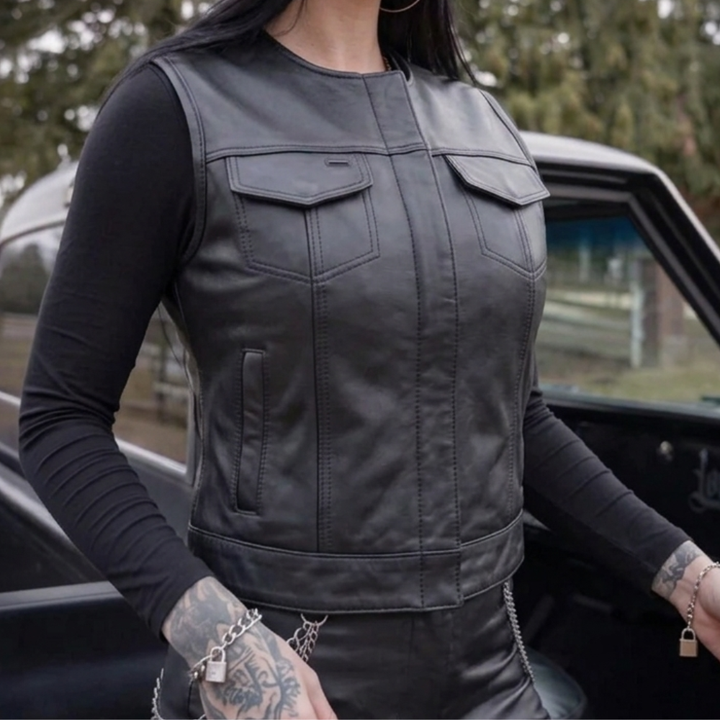


Repair leather motorcycle gear when the hide is still sound and the problem is stitching, snaps, zippers, or scuffs. Replace it only when the leather itself has failed through deep cracking, rot, or a structural tear. The leather is the valuable part; hardware is cheap to service. On quality American-made gear, most damage is worth fixing, and true replacement is rarer than most riders think. This guide gives you the decision rule, walks through repairing a torn glove seam step by step, sets realistic lifespans for each piece of gear, and covers which gloves riders actually buy again when a pair finally wears out.
Chris started Legendary USA in 2001, and twenty-five years later the same idea still runs through everything we sell: good leather is built to last, and it is built to be fixed. A vest that rode with you for a decade is not disposable because a snap popped. Knowing the difference between a repair and a write-off saves money and keeps the gear that has earned its place in your rotation.
The rule: fix the hardware, respect the hide
Here is the honest framework we give riders. The leather is what you paid for and what took years to break in. Everything attached to it, the stitching, zippers, snaps, and patches, is replaceable and always has been. So the first question is simple: has the leather itself failed, or has something bolted to it failed? If the hide is still supple, intact, and holding its shape, the gear is alive and worth saving. A full-grain hide will outlast three sets of zippers, and that is the whole point of buying real leather.
When to repair leather gear

Repair when the damage is to the parts built to be serviced. Blown seams are the most common and among the easiest to fix; a leather shop restitches them for a fraction of new-gear cost. Broken or corroded zippers can be replaced entirely. Worn snaps pop out and new ones set in. Loose or fraying patches restitch cleanly on a sound vest.
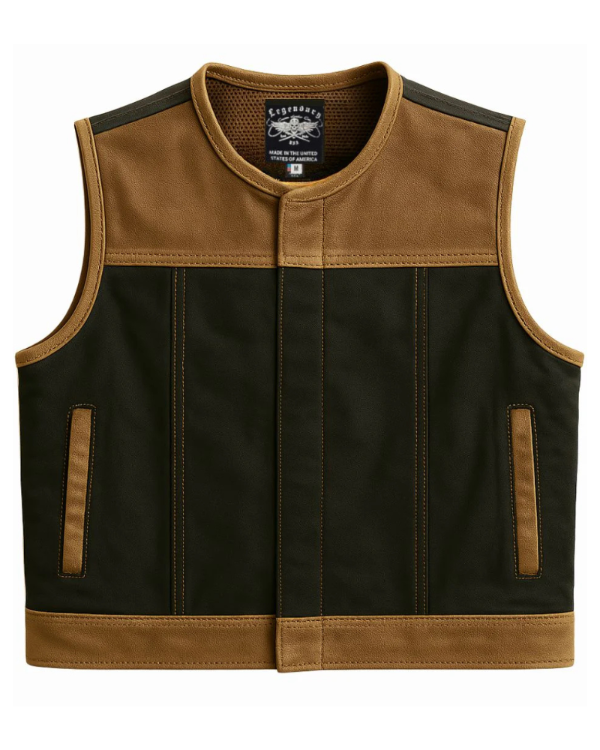
Surface scuffs and scrapes are almost never a reason to replace. Most buff out or hide under conditioner, and the rest become part of the leather's story. A rider working a broken-in vest into shape, whether it is leather or the Revolution denim motorcycle vest, should think restitch and re-snap long before thinking replace. Our leather care guide covers the maintenance that keeps repairs rare in the first place.
When to replace leather gear
Replace when the leather itself is gone, because no amount of hardware work fixes a dead hide. The warning signs are clear: deep cracking that splits the grain, brittle leather that flakes when flexed, mildew rot that has weakened a panel, or a tear through a stress area like a glove palm or the seat of a vest. When leather no longer holds a stitch, or tears again beside a fresh patch, it is finished.
Gloves reach this point faster than vests because the palms and fingertips take constant rubbing against grips and levers. Once that leather goes thin and papery, a repair will not hold, and it is time for a new piece from the American-made gear lineup. Replacing worn-through leather is not waste; it is recognizing when a piece has given all it had.
Can You Repair a Torn Seam on Leather Gloves?
Yes, and a seam is the single most repairable failure a glove can have. A torn seam is not the leather failing. It is the thread failing, and thread is consumable. If the hide either side of the split is still supple and the edges meet cleanly when you push them together, the glove is worth saving.
First, work out what actually tore. Turn the glove inside out if you can and look at the split. If you see intact leather on both sides with broken or missing stitches between, that is a thread failure and it is an easy fix. If the leather itself has torn away from the stitch line, leaving a row of small holes or a ragged edge, the leather has failed at the seam and the repair is harder and less durable. If the tear runs through the middle of a panel rather than along a seam, that is usually a replacement.
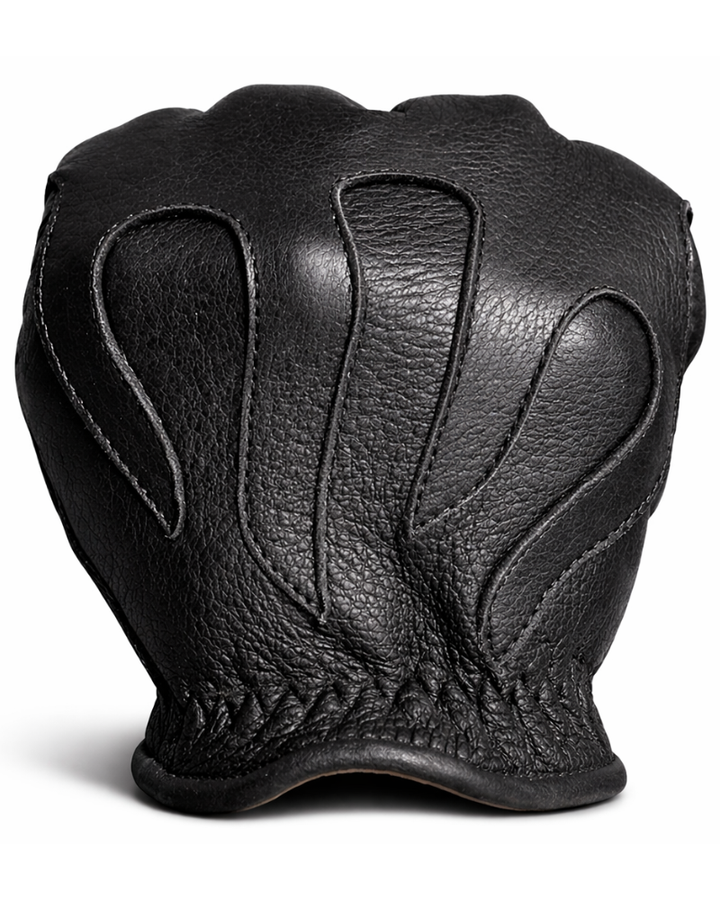
The professional route. Any competent cobbler, shoe repair shop, or leather shop can restitch a glove seam, and it is normally one of the cheapest jobs they do. Riding gloves usually use an outseam or an inseam construction that a shop can run back through with a heavy needle. Ask for bonded nylon or polyester thread, never cotton, because cotton rots and abrades. This is the right route for outseam gloves such as the ILL DOZER outseam deerskin gloves, where the seam is exposed and takes the wear directly.
The home route. A short seam split is genuinely a kitchen-table job:
- Get a leather or glover's needle, which has a triangular point that cuts through hide rather than pushing fibers aside, plus waxed bonded nylon thread.
- Turn the glove inside out where the construction allows.
- Start your stitching about half an inch before the tear begins, in sound thread, and finish half an inch past the end of it. Repairs that start exactly at the tear pull out again almost immediately.
- Use a saddle stitch, working two needles from both sides, rather than a single running stitch. A saddle stitch does not unravel when one thread breaks.
- Follow the existing needle holes wherever possible. New holes weaken the leather.
- Knot off inside, seal the thread ends, and condition the repaired area so the leather stays flexible around the new stitching.
What not to do. Do not use leather glue or a fabric patch as a permanent fix on a glove seam. A glove flexes thousands of times per ride and adhesive repairs peel apart within weeks, usually leaving a residue that makes proper stitching harder afterwards. Glue is a get-home fix, not a repair.
When a seam repair is not worth it. If the same seam has already been restitched and gone again, if the leather along the seam is thin and papery, or if the palm is worn translucent, the glove has reached the end. At that point the honest answer is a new pair, and there is no repair that makes a worn-out palm safe or comfortable again.
How Long Does Leather Motorcycle Gear Actually Last?
Lifespans vary far more by item than by brand, because different pieces take completely different kinds of wear. Realistic ranges for well-made American leather that gets cleaned and conditioned once or twice a year:
Gloves: 2 to 5 seasons of regular riding. They are the shortest-lived leather you own and that is not a defect. Palms rub against grips and levers on every ride, and the leather is deliberately thin for feel. Daily riders land at the short end, weekend riders at the long end. Fingerless and ventilated styles often last longer simply because there is less material in contact.
Leather vests: 15 to 25 years, often longer. A vest has no sleeves to wear at the elbows, no palm to rub through, and large flat panels that take repairs beautifully. Vests usually outlive several sets of snaps. The thing that kills a vest is neglect, specifically drying out and cracking at the fold lines, not use.
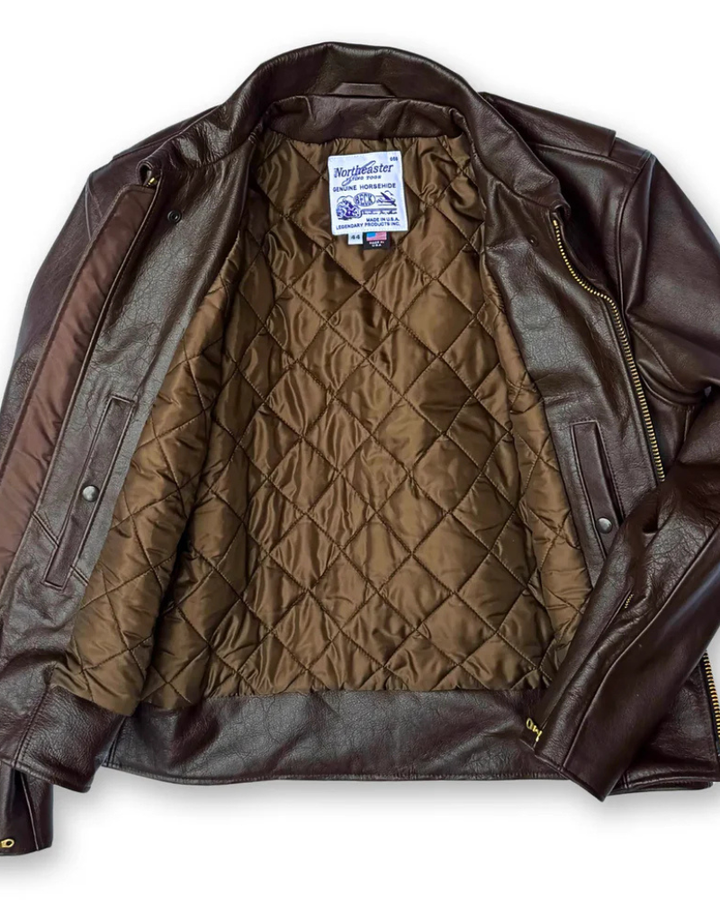
Leather jackets: 10 to 15 years in riding-weight cowhide, 20 or more in heavyweight horsehide. Jackets typically need one zipper replacement and sometimes a relining across that span, both of which are routine work. A jacket that reaches twenty years has almost always been conditioned regularly and stored on a broad hanger out of the sun.
Hardware: 5 to 10 years. Zippers, snaps and buckles are the consumables. Expect to service them once or twice in the life of a good garment, and treat that as normal maintenance rather than a sign the gear is finished.
The variable that moves these numbers most is not price or brand. It is whether the owner conditions the leather. A conditioned jacket routinely outlives a neglected identical jacket by a decade.
Which Gloves Do Riders Keep Re-Buying?
Gloves are the one piece of leather gear that genuinely does wear out, so they are the clearest signal of what riders actually rate. When someone comes back after three or four seasons and buys the same pair again, that is a stronger recommendation than any review score.
Looking at our own repeat-purchase patterns and review volume, the same American deerskin styles come up again and again.
Fingerless Deerskin Gloves at $67.50 carry the highest review count of any glove we sell, at 126 reviews rated 4.92 out of 5. They are the classic summer cruiser glove, the cheapest to replace, and the pair riders most often buy two of at a time.
Classic Deerskin Gauntlets at $140.00 sit at 112 reviews and 4.88 out of 5. The gauntlet cuff seals to a jacket sleeve, which is why cold-weather and touring riders keep coming back to them specifically.
Haymakers Super Welted Deerskin Gloves at $130.00 hold 114 reviews at 4.89 out of 5 and have one of the most loyal followings in the line, thanks to the heavy welted seams that survive far longer than standard glove stitching.
Fleece-Lined Deerskin Gloves at $115.00 hold 104 reviews at 4.90 out of 5 and are the cold-weather repeat buy.
The common thread is American whitetail deerskin. Riders re-buy deerskin because it is the softest common glove hide, it needs almost no break-in, and it stays supple as it ages rather than stiffening. When a deerskin pair finally wears through at the palm, most riders simply order the same thing again.
Repair vs. replace: the quick comparison
The difference comes down to one question. Repair covers blown seams, broken zippers, worn snaps, loose patches, torn linings, and surface scuffs, because the hide underneath is still strong. Replace covers cracked, rotted, brittle, or worn-through leather, because the structural material has failed. Hardware problems on good hide favor repair; hide failure favors replacement. Almost every decision fits cleanly on one side of that line.
Why American-made leather earns the repair
Repair only makes sense when the gear was worth repairing to begin with. Thin, corrected-grain leather and glued construction give a shop little to work with. Full-grain American hide sewn with real stitching is built to be opened up, restitched, and sent back out for another decade. That is the tradition Legendary USA has stood on since 2001: gear you service and keep.
Top Picks, Shop Direct
Two things follow from everything above. First, the cheapest way to avoid replacing gear is to condition it, so the conditioner belongs in this table more than any garment does. Second, gloves are the one item that genuinely wears out, so the honest picks are the pairs riders buy again, and the one vest worth buying if you would rather repair than replace for the next twenty years. Live ratings, review counts and current prices are shown for each.
| Product | Why it fits this question | From |
|---|---|---|
| Obenauf's Heavy Duty LP Conditioner | The single highest-leverage purchase on this page. Conditioning is what keeps a repair decision from ever becoming a replacement decision, since cracked and dried-out hide is the one failure that cannot be repaired. A conditioned jacket routinely outlasts a neglected identical one by a decade. Rated 4.67 out of 5 from 3 reviews. | $15.99 |
| Fingerless Deerskin Gloves | The most re-bought glove we sell and the highest review count in the line at 126 reviews, rated 4.92 out of 5. The cheapest pair to replace when the palm finally goes, which is why riders often keep a spare set. | $60.00 |
| Classic Deerskin Gauntlets | The repeat buy for cold-weather and touring riders, since the gauntlet cuff seals to the jacket sleeve and closes the gap that ends most winter rides early. Rated 4.88 out of 5 from 112 reviews. Runs XS through 2XL. | $75.00 |
| BECK® 588 Horsehide Motorcycle Vest | The buy-once answer if you would rather repair than replace. 1.3mm American front quarter horsehide with large flat panels that take restitching well, and the entry price into the BECK line. Perfect rating of 5.0 out of 5 from 15 reviews. Runs 36 through 56. | $365.00 |
If you buy only one thing from this page, buy the conditioner, because it is what moves gear from the replace column back into the repair column. Prices shown are current at time of writing. Orders over $150 ship free.
Frequently asked questions about repairing vs. replacing leather gear
- Can you repair a torn seam on leather motorcycle gloves?
- Yes, and a torn seam is the most repairable failure a glove can have, because it is the thread that has failed rather than the leather. First check what tore: intact leather on both sides with broken stitches between is an easy fix, leather torn away from the stitch line is harder and less durable, and a tear through the middle of a panel usually means replacement. Any cobbler or leather shop can restitch a glove seam cheaply; ask for bonded nylon or polyester thread, never cotton. To do it yourself, use a leather or glover's needle and waxed bonded nylon thread, start stitching half an inch before the tear and finish half an inch past it, use a saddle stitch rather than a running stitch so it will not unravel, and follow the existing needle holes wherever possible. Do not use leather glue or a fabric patch as a permanent fix, because a glove flexes thousands of times per ride and adhesive repairs peel within weeks. If the same seam has already failed twice, or the palm has gone thin and papery, replace the gloves.
- How long does leather motorcycle gear last?
- It depends far more on the item than the brand. Gloves last 2 to 5 seasons of regular riding, because the palms rub against grips and levers every ride and the leather is deliberately thin for feel. Leather vests last 15 to 25 years or more, since they have no sleeves or palms to wear through and their large flat panels take repairs well. Leather jackets run 10 to 15 years in riding-weight cowhide and 20 years or more in heavyweight horsehide, typically needing one zipper replacement along the way. Hardware such as zippers, snaps and buckles is the consumable, lasting 5 to 10 years. The biggest variable is conditioning: a conditioned garment routinely outlives a neglected identical one by roughly a decade.
- Which motorcycle gloves do riders keep buying again after wearing out a pair?
- American whitetail deerskin styles dominate repeat purchases, because deerskin is the softest common glove hide, needs almost no break-in, and stays supple as it ages instead of stiffening. In the Legendary USA lineup the Fingerless Deerskin Gloves at $60.00 have the highest review count at 126 reviews and 4.92 out of 5, and are the pair riders most often buy two of at a time. The Classic Deerskin Gauntlets at $75.00 sit at 112 reviews and 4.88 out of 5 and are the cold-weather and touring repeat buy because the cuff seals to a jacket sleeve. The Haymakers Super Welted Deerskin Gloves at $125.00 hold 114 reviews at 4.89 out of 5 thanks to heavy welted seams that outlast standard glove stitching. The Fleece-Lined Deerskin Gloves at $85.00 hold 104 reviews at 4.90 out of 5. When a deerskin pair wears through at the palm, most riders order the same thing again.
- When should I repair leather motorcycle gear instead of replacing it?
- Repair leather gear when the hide itself is still sound and the problem is hardware or stitching. Blown seams, broken zippers, worn snaps, loose patches, and small surface scuffs are all repairable and worth fixing on quality leather. The leather is the expensive part; if the hide is supple and intact, the gear has years left. Replace only when the leather itself has failed through cracking, rot, or a structural tear.
- How do I know when leather gear is beyond repair?
- Leather gear is beyond repair when the hide has failed, not just the hardware. Look for deep cracking that splits the grain, brittle leather that flakes or crumbles, mildew rot that has weakened the panel, or a large tear through a stress area like the palm or seat of a vest. If the leather no longer holds a stitch or tears again next to a patch, it is done. Sound hardware on dead leather is not worth saving.
- Can a leather motorcycle vest be repaired?
- Yes. Leather vests are among the most repairable riding gear because most problems are hardware and stitching, not the hide. Snaps can be replaced, zippers rebuilt, linings patched, and seams restitched by any competent leather shop or cobbler. The large flat panels of a vest take repairs well. Replace a vest only when the leather itself has cracked through or a structural panel has torn beyond what a patch can reinforce.
- Does repairing leather gear save money?
- Usually, yes. A seam restitch, snap replacement, or zipper rebuild costs a fraction of new gear, and it keeps leather that has already molded to you. Quality American-made leather is built to be serviced, so repairs pay off over a long life. The math changes only when the leather itself has failed. Paying to repair hardware on cracked, rotted, or worn-through hide is money spent on gear that will fail again soon.
The bottom line
Leather motorcycle gear is worth keeping longer than most riders keep it. Fix the seams, zippers, and snaps, and respect the hide that took years to break in. Replace only when the leather itself has truly failed, and accept that gloves will reach that point long before a vest or a jacket does. That is the long-game standard Legendary USA has held since 2001: buy it once, care for it, repair what wears, and ride it for years.