

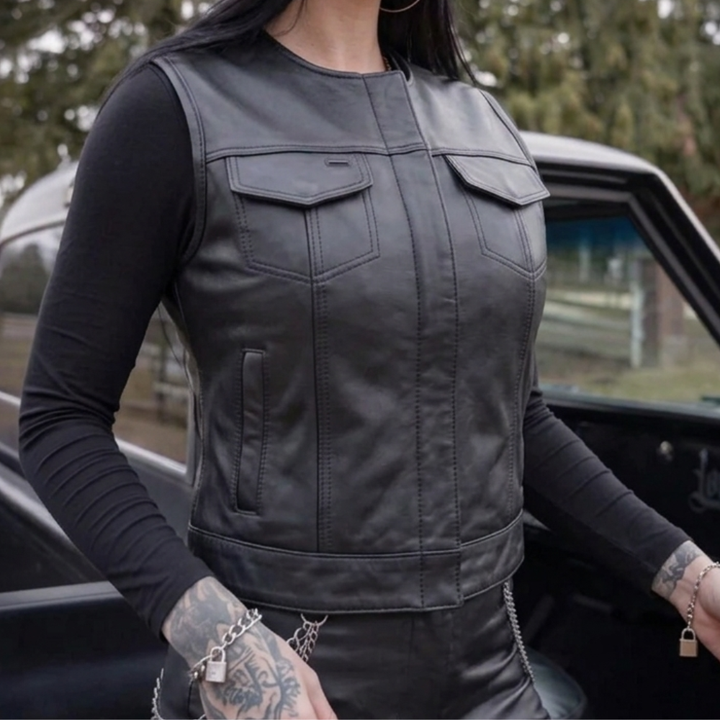


A winter motorcycle vest is a core layer, not a shell. Worn over a flannel or a mid-layer and under a jacket, a leather vest adds a wind-blocking panel across the chest and back without adding bulk at the arms where you need to work the controls. The right winter vest for most riders is a front quarter horsehide vest from the BECK Northeaster Flying Togs line, or a lined cowhide club vest from Legendary USA, sized to fit over a flannel rather than over a T-shirt.
This guide covers what a vest actually does in cold weather, how horsehide and cowhide behave once the temperature drops below 50 degrees, which lining matters, and how to size the vest so the layers underneath still fit. Every vest named here is hand-cut and sewn in the USA.
What a Vest Does in Cold Weather

At highway speed, the wind that reaches your torso is what pulls heat out of you. A leather vest puts a dense, wind-resistant panel over the chest, back and kidneys, which are the areas that lose the most heat on a bike. A jacket alone handles that job in mild weather. Below 50 degrees, a vest under the jacket closes the gap between the jacket front and your base layer, and it keeps the wind off the core even when the jacket is unzipped at a gas stop.
A vest also solves a problem jackets cannot. Jacket sleeves are where cold-weather bulk piles up. Add insulation to the sleeves and you lose throttle and clutch feel. Add insulation to the torso with a vest and the arms stay free. That is why touring riders who ride into November run a vest over a flannel under a horsehide or cowhide jacket instead of buying a heavier jacket.
What a vest does not do is keep your hands or neck warm, and it is not protective equipment. Legendary USA and BECK vests carry no armor and no CE rating. They are leather layers built for wind, abrasion resistance and longevity. Gloves, a collar and a helmet with a good seal cover the rest.
Horsehide vs Cowhide for a Winter Vest
Front quarter horsehide is the denser hide. BECK cuts its vests from the front quarter of the hide, which is the tightest-grained section, at 1.3mm in the BECK 501 Trucker horsehide vest and 1.4 to 1.6mm in the BECK 588. Horsehide at those thicknesses is more wind-resistant and more rain-repellent than cowhide at the same thickness. It is also stiffer on the first wear, and it takes longer to break in. For a rider who wants the vest to stand up to sleet on a late-October run and still be the same vest in ten years, horsehide is the better buy.
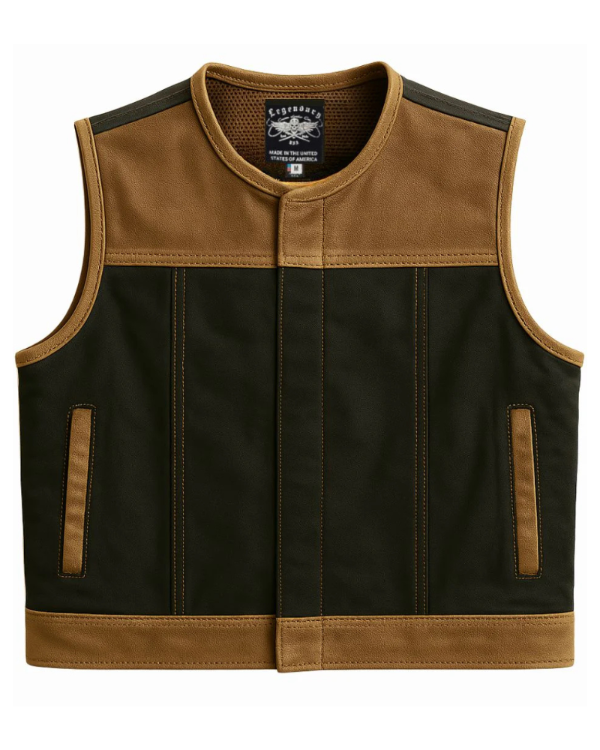
Cowhide is the more forgiving hide. The Legendary Outlaw cowhide club vest is cut from 1.2mm Deer-Touch cowhide, which means it is softer off the rack and molds to the rider faster. It blocks wind well, costs less than horsehide, and is the better choice for a rider who wears the vest every day through fall and wants it comfortable from the first week.
The honest comparison looks like this. Horsehide wins on wind resistance, rain resistance and lifespan. Cowhide wins on break-in time, price and initial comfort. Neither hide insulates on its own. Insulation comes from what you wear under the vest and from the lining inside it.
Why lining matters more in winter
Most Legendary USA and BECK vests use a nylon Oxford liner, which slides over a flannel without grabbing and does not hold moisture. The BECK 588 uses a poly twill liner and double-sided interfacing, which gives it more structure. A slick liner matters in winter because you will be putting the vest on over a thicker layer than you do in July, and a liner that bunches against a flannel makes the whole stack feel tight.
The Best Winter Vests in the Legendary USA Lineup
These are the four vests Legendary USA recommends for cold-weather riding, in the order most riders should consider them.
The BECK 882 fitted horsehide vest is the pick for riders who layer under a jacket. It is cut with a 1 to 2 inch taper between chest and stomach, so it sits close to the body and does not fold under a jacket. The 882 has no chest pockets, a clean front panel, a one-piece back with no seams across the patch area, and tethered Pistola gun pockets. It is intentionally stiff off the rack. Size by your stomach measurement if your stomach is larger than your chest, and size up if you plan to wear it over a flannel.
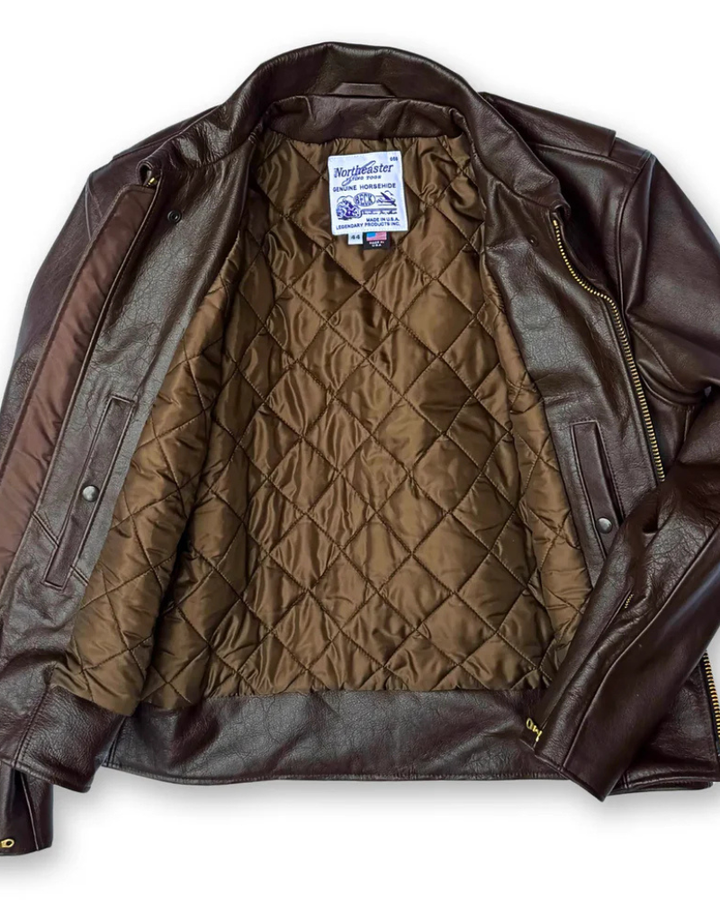
The BECK 588 horsehide vest is the heaviest leather in the BECK vest lineup at 1.4 to 1.6mm, with side lacing that lets you open up the chest for a flannel in November and lace it back in for a T-shirt in May. It is built with double-stitched seams and two zippered leather-lined front pockets. It is the vest for riders who want the most wind resistance a vest can give and are willing to spend a season breaking it in.
The BECK 501 Trucker horsehide vest brings the trucker silhouette, with covered snap-down chest pockets, rear snap waist tighteners and Cordura-lined hand pockets. The waist tighteners matter in winter because they let you pull the hem in against a jacket liner so the wind cannot climb under the vest from the bottom.
The Legendary Outlaw is the cowhide option. Its 1.25-inch stand-up collar keeps the jacket zipper off your neck, which riders notice more in cold weather than in warm. It has YKK zippered hand-warmer pockets, leather-bound armholes and a one-piece back for patches. Of the four, it is the softest on day one.
How to Layer With a Vest Below 50 Degrees
The layering order that works is base layer, flannel, vest, jacket. The base layer wicks sweat. The flannel traps air. The vest blocks the wind over the core. The jacket blocks the wind over the arms and shoulders. A heavyweight cotton flannel from the Legendary USA flannel collection is the standard mid-layer because it is thick enough to trap heat and still slides under a vest.
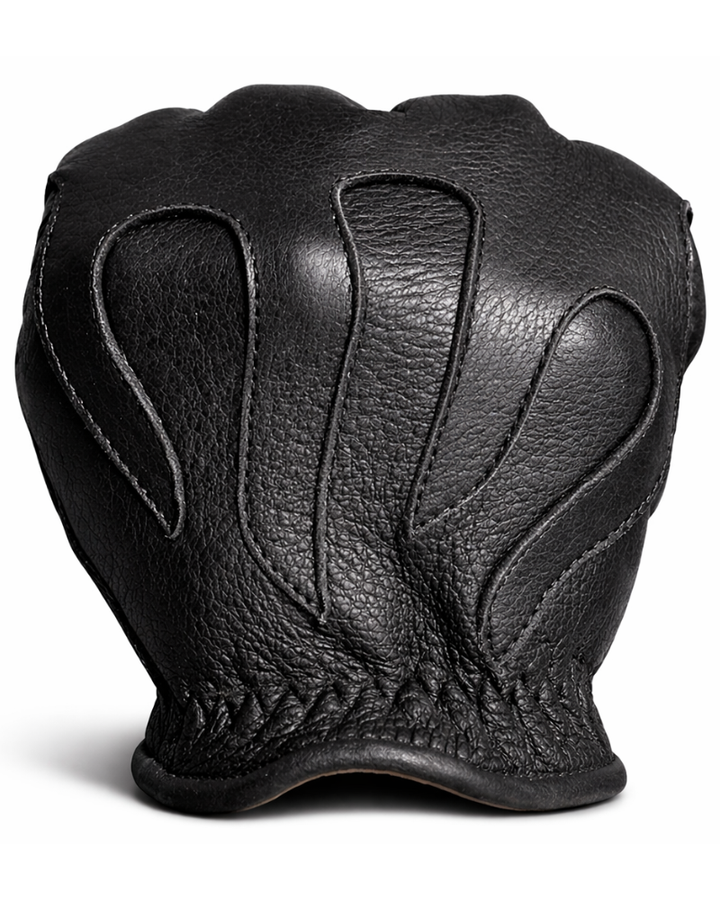
From 50 down to 40 degrees, a flannel and a vest under an unlined horsehide jacket is enough for most riders on rides under two hours. From 40 down to 30, swap the unlined jacket for one with an insulated liner, such as the diamond-quilted polyfill lining in the BECK 777, and move from short-wrist gloves to fleece-lined deerskin. Below 30, wind chill at highway speed is the number that matters, and the vest is doing its job only if the jacket closes over it with no gap at the collar.
Our earlier guide on how to layer under a motorcycle vest covers the base-layer side in more depth, and the late-season vest layering roundup walks through the shoulder-season setups that lead into winter.
Sizing a Winter Vest
Size the vest for the layers you will wear under it, not for the layers you wear in July. Measure your chest over the flannel you plan to ride in. If the measurement lands between two sizes, size up. A vest that is tight over a flannel will ride up at the hem and let wind in from below, which defeats the purpose of wearing it.
The side-laced vests, the BECK 588 and the Legendary Outlaw, give you 2 to 3 inches of adjustment across the chest. The fitted BECK 882 does not, which is why its sizing note matters. If you plan to wear a vest both over a T-shirt in summer and over a flannel in winter, the side-laced vests handle both without buying two.
Common Winter Vest Mistakes
The first mistake is buying a summer-cut vest and expecting it to layer. A cropped club vest that ends at the belt line looks right over a T-shirt and leaves a cold gap over the kidneys when a jacket rides up. Full-length vests cover more. The second mistake is skipping the flannel and expecting the leather to insulate. Leather blocks wind and resists abrasion. It does not trap air the way a brushed cotton flannel or a wool layer does.
The third mistake is buying horsehide and expecting it to feel like cowhide on the first ride. Front quarter horsehide stands up on its own off the rack. It softens with miles, not with conditioner. Our comparison of horsehide vs cowhide for jackets and vests goes deeper on what that break-in looks like month by month.
Legendary USA has been selling American-made riding gear since 2001, and BECK has been building horsehide riding gear under the Northeaster Flying Togs label since 1928. Every vest in the horsehide vest collection and the Made in USA motorcycle vest collection is cut and sewn domestically. If your riding season runs into December, a vest is the layer that lets your jacket stay the jacket you already own.
For the wind chill math behind the temperature bands in this guide, the National Weather Service publishes a cold wind chill chart.
Frequently Asked Questions
- What is the best leather for a winter motorcycle vest?
- Front quarter horsehide is the best leather for a winter motorcycle vest because it is denser and more wind-resistant than cowhide at the same thickness. BECK cuts its 501, 566, 588 and 882 vests from front quarter horsehide; the 501 is 1.3mm and the 588 is 1.4 to 1.6mm. Cowhide, like the 1.2mm Deer-Touch hide in the Legendary Outlaw, blocks wind well and breaks in faster, so it is the better choice if you want the vest comfortable from the first week rather than the first season.
- Does a leather vest keep you warm on a motorcycle?
- A leather vest keeps you warm by blocking wind over the chest, back and kidneys, which are the areas that lose the most heat at highway speed. Leather does not trap air on its own, so a vest worn over a T-shirt in 40-degree weather will not feel warm. Worn over a flannel and under a jacket, a vest closes the gap at the jacket front and holds in the heat the flannel traps. That is why it works as a winter layer.
- How should a winter motorcycle vest fit over a flannel?
- Measure your chest over the flannel you plan to ride in and size the vest to that number. If the measurement lands between two sizes, size up. A vest that is tight over a flannel rides up at the hem and lets wind in from below. Side-laced vests like the BECK 588 and Legendary Outlaw give you 2 to 3 inches of chest adjustment, which lets one vest fit over a T-shirt in summer and a flannel in winter.
- What is the difference between the BECK 882 and the BECK 588 vest?
- The BECK 882 is a fitted horsehide vest with a 1 to 2 inch taper between chest and stomach, no chest pockets and a clean front panel. It is cut to sit close to the body under a jacket. The BECK 588 is a denim-silhouette horsehide vest in 1.4 to 1.6mm front quarter horsehide, the heaviest leather in the BECK vest lineup, with side lacing and zippered leather-lined front pockets. The 882 fits closer. The 588 adjusts more and blocks more wind.
- Can you wear a motorcycle vest over a jacket in winter?
- Yes, and some riders prefer it, but a vest worn under the jacket blocks wind better. Over the jacket, the vest covers the jacket front and keeps patches visible, but wind still reaches the base layer through the jacket zipper. Under the jacket, the vest sits against the flannel and closes that gap. If you ride with club colors, wear the vest over the jacket for the ride and expect to rely more on the flannel underneath.
- Are Legendary USA and BECK vests armored or CE rated?
- No. Legendary USA and BECK vests are leather riding layers with no armor, no armor pockets and no CE rating. They are built for wind blocking, abrasion resistance and longevity, and they are cut and sewn in the USA. Riders who want CE-certified protection layer a separate armored riding shirt under the vest. Legendary USA carries armored shirts from Bohn for that purpose, and they are a separate brand from the Legendary and BECK lines.