



Winter riding in American motorcycle culture has never been a fringe activity. From the horsehide-jacketed riders of the 1920s and 1930s to the toy runs that fill December weekends and the commuters who ride through January in the Sun Belt, a meaningful share of American riders have always refused to park the bike when the temperature drops. The gear that made it possible, dense horsehide, lined leather and a glove that covers the wrist, is the same gear Legendary USA builds in the USA today.
Horsehide, the original winter riding leather

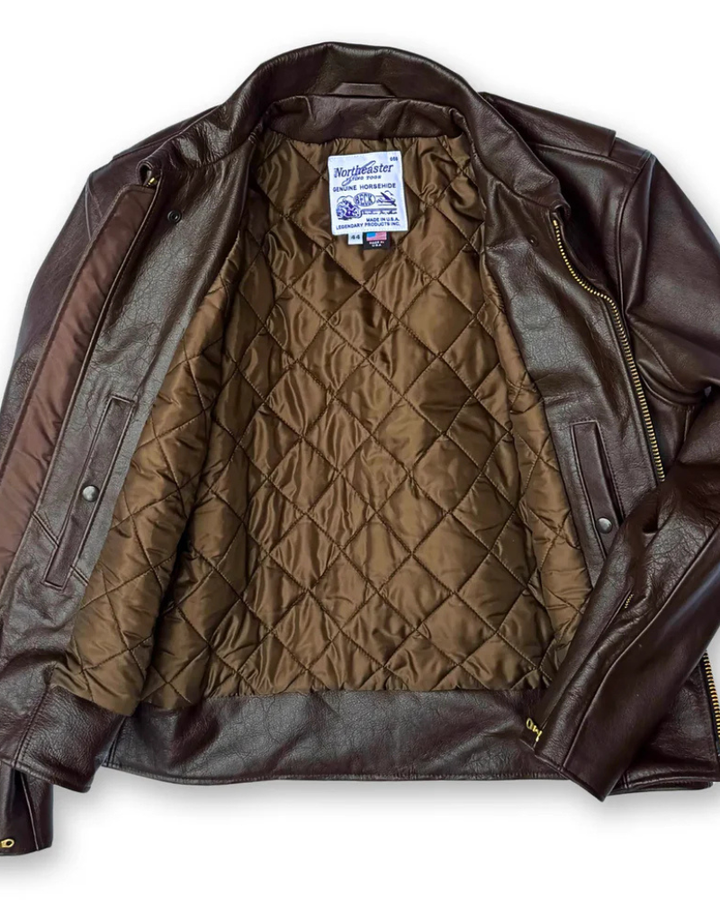
Before synthetic insulation and heated anything, the answer to cold on a motorcycle was a dense hide that blocked wind. Horsehide was that hide. Early American motorcycle jackets used it because it was tight-grained, abrasion-resistant and stiff enough to hold its shape in the wind, and because it was widely available in an era when horses still did a great deal of the country's work. The BECK Northeaster silhouette dates to 1928, and our BECK Northeaster line still cuts it from 1.3mm front quarter horsehide, the densest section of the hide.
The BECK 732 Northeaster Flying Togs jacket shows what a winter riding jacket looked like before it was called one: a snap racer collar to close at the neck, a quilted lining, side buckle tabs that let out for a sweater underneath and cinch for a closer fit at speed, and a bi-swing back so the shoulders move on the bars. Front quarter horsehide at 1.3mm is more wind-resistant than cowhide at the same thickness, and it takes longer to break in. That tradeoff, stiffness now for decades of shape retention later, is one winter riders have been making for a century.
It is a heritage riding jacket, not an armored one, so it carries no CE armor. Riders who want armor under a horsehide jacket wear a separate armored layer beneath it. What the horsehide itself does is block wind, resist abrasion and get better with every cold season.
The glove problem riders have always had
Hands are the first thing to quit on a cold ride. Fingers lose dexterity, the clutch pull gets clumsy, and the ride stops being fun long before it becomes dangerous. American riders solved this the same way for generations: a leather glove that covers the wrist, with a lining when it gets cold enough. The gauntlet glove, with its cuff that closes the gap between glove and sleeve, came to motorcycling from the same practical tradition that put it on cavalry riders and aviators.
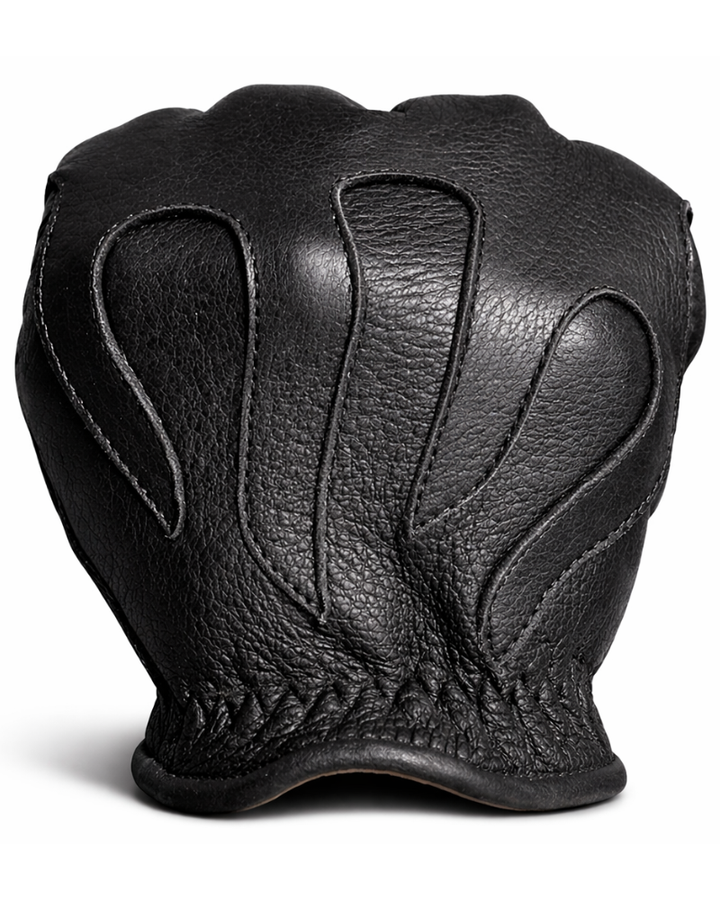
Legendary USA opened in 2001, and 25 years later gloves are still the heart of what we build. The Fleece-Lined Deerskin Gloves are the modern version of the lined winter glove, with an American Whitetail deerskin outer and a thin fleece lining rated for the 30 to 50°F range. Deerskin stays pliable in the cold where cowhide stiffens, which is a difference riders notice at the first cold shift of the morning. The American deerskin riding tradition explains why that hide earned its place in American glovemaking.
Toy runs, polar bear rides and the winter calendar
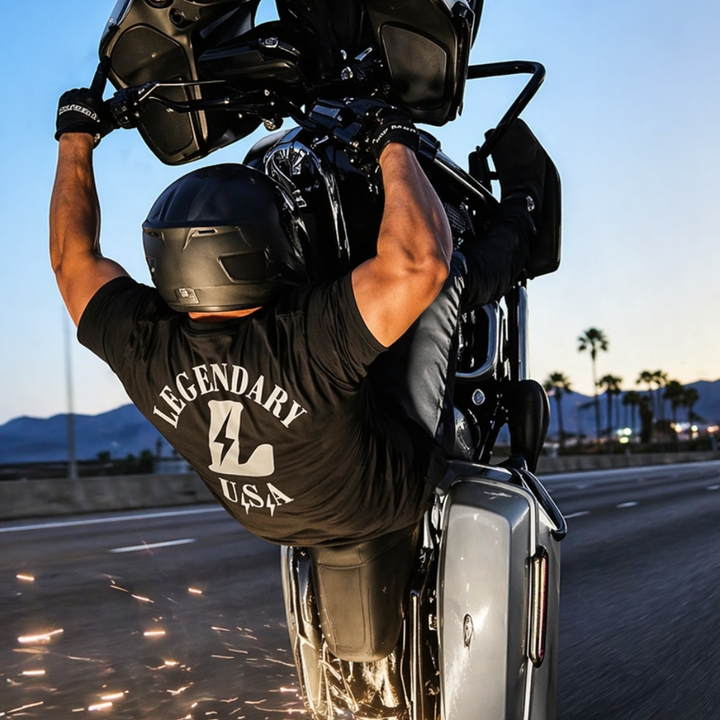
Winter riding in America has its own calendar. December toy runs, where hundreds or thousands of riders deliver gifts to children's charities, are among the largest organized rides many clubs hold all year, and they happen in weather most people would not ride in. New Year's Day rides and so-called polar bear runs turn the first cold ride of the year into a point of pride. In the South and Southwest, winter is simply the pleasant season, and riders in Phoenix, Austin and central Florida log some of their best miles between December and February.
These events matter to the culture because they keep riding social when the weather pushes it indoors. They are also where the gear gets tested honestly. A glove that is comfortable for a 20-minute run to the hardware store is not the same as a glove that works for a 60-mile toy run in 38°F air, and riders who show up every December know exactly which is which.
The year-round commuter
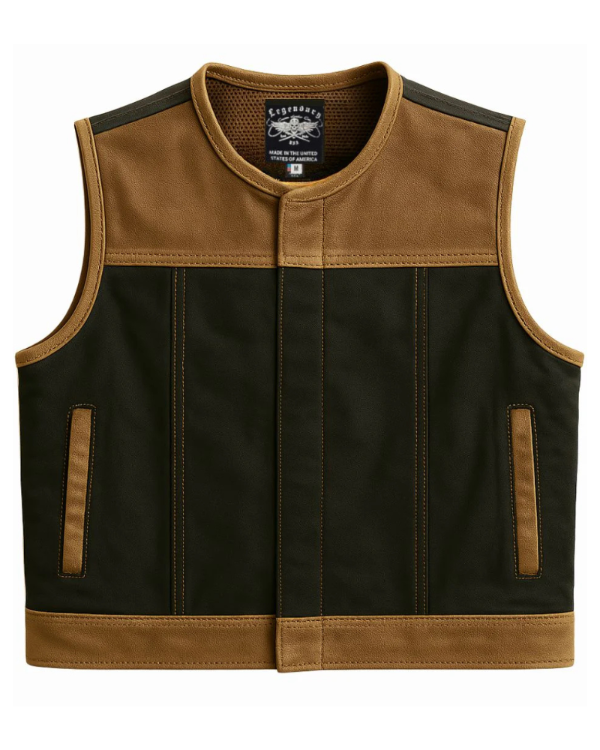
The least celebrated winter rider is the one who does it every weekday. The year-round commuter rides because the bike is the practical choice, the parking is easier or the ride is the best part of the day, and that rider needs gear that works at 7 a.m. in October and at 7 a.m. in February. That rider wants a glove with direct brake feel, a jacket that seals at the neck and a vest that layers over a hoodie without bulk.
The commuter is the customer who teaches a glovemaker the most, because the commuter wears a glove 200 days a year and notices every seam. That is the rider the USA-made motorcycle gloves collection is built for: the one who does not have a second set of gear for nice days.
What has changed, and what has not
Heated grips, better base layers and modern textile rain shells have made winter riding easier than it was in 1930. The leather has changed less than you would expect. Horsehide is still the wind-blocking hide for a riding jacket, deerskin is still the glove leather that stays soft in the cold, and a cuff that covers the wrist is still the single most effective thing a rider can do for cold hands. Legendary USA hand-cuts and stitches that gear in the USA because the riders who use it in January are not casual about it.
Winter riding is part of the American motorcycle story, not a footnote to it. The riders who kept going through the cold built the toy runs, the New Year's rides and the commuter habits that the rest of the culture now takes for granted. Their gear, dense horsehide and lined deerskin, is still the gear that works, and it is still being made here.
Cold-weather riding rewards practice as much as gear. The Motorcycle Safety Foundation publishes rider training and riding guidance for riders at every level.
Frequently Asked Questions
- Why did early American motorcycle jackets use horsehide?
- Early American motorcycle jackets used horsehide because it was tight-grained, abrasion-resistant and stiff enough to block wind and hold its shape at speed, and because horses were still common working animals, which made the hide widely available. The BECK Northeaster silhouette dates to 1928, and Legendary USA's BECK Northeaster line still cuts it from 1.3mm front quarter horsehide, the densest part of the hide.
- Is horsehide warmer than cowhide for winter riding?
- Horsehide is more wind-resistant than cowhide at the same thickness because of its denser grain, and blocking wind is most of what keeps a rider warm at speed. Neither hide is insulation on its own; warmth comes from the lining and the layers underneath. Horsehide takes longer to break in than cowhide and holds its shape for decades, which is the tradeoff winter riders have accepted for a century.
- What is a motorcycle toy run?
- A toy run is an organized group ride, usually in November or December, in which riders collect and deliver toys or gifts to children's charities. Toy runs are among the largest rides many clubs hold all year and are a central part of winter riding in American motorcycle culture. Because they happen in cold weather over real distances, they are also where cold-weather gloves and jackets get tested honestly.
- Do people ride motorcycles in the winter in the United States?
- Yes. In the South and Southwest, winter is the most comfortable riding season, and riders in Arizona, Texas and Florida log many of their best miles between December and February. In colder states, year-round commuters ride through the winter on dry days, and organized events like toy runs and New Year's Day rides draw large groups regardless of temperature. Winter riding has always been part of American motorcycle culture.
- What gloves did winter riders wear before heated gloves existed?
- Winter riders wore leather gloves that covered the wrist, usually a gauntlet, with a lining when the weather demanded it. The gauntlet came to motorcycling from the same practical tradition that put it on cavalry riders and aviators. Legendary USA's Fleece-Lined Deerskin Gloves are the modern version of that lined winter glove, with an American Whitetail deerskin outer that stays pliable in the cold and a thin fleece lining.
- Does a heritage horsehide jacket have armor?
- No. A heritage horsehide jacket like the BECK 732 Northeaster is a heritage riding jacket, not an armored riding jacket, so it has no CE armor. Riders who want armor wear a separate armored layer under the horsehide jacket. What the horsehide itself provides is wind blocking, abrasion resistance and a hide that holds its shape and improves with age.