

The B-3 Bomber Jacket in WWII: Sheepskin Against the Cold
The B-3 bomber jacket is a heavy sheepskin flying jacket made for Army Air Force bomber crews who flew in unpressurized cabins at around 25,000 feet. Its job was warmth in brutal cold, and the shearling wool inside did that job. Today the Cockpit USA B-3 sheepskin bomber is built to the same specification, made in the USA.
Why Bomber Crews Needed Sheepskin
Bomber crews of the Second World War flew in cabins with no pressurization and little reliable heat. Temperatures at altitude fell far below freezing. Sheepskin solved the problem because the shearling traps warmth against the body and the leather exterior blocks the wind. The B-3 was designed for extreme cold at altitude, not for casual wear, and that purpose explains every part of its build.
What Made the B-3 Different
The B-3 is a waist-length jacket with a wide shearling collar, a heavy front zipper and belted waist straps. Cockpit USA's version keeps the double-buckle throat latch for wind protection and a front zipper with an interior wind flap. The jacket was never meant to be slim. It was meant to be warm, and bulk was the cost.
The Lost Finish and Its Revival
According to Cockpit USA, founder Jeff Clyman spent years rediscovering the long-lost WWII leather finish for the B-3 before reviving it in the late 1980s, restoring what had been missing from B-3 reproductions since the war. The result is a nappa-finished exterior that ages. As the jacket wears, the natural shearling develops subtle antiqued highs and lows, echoing the weathered patina of a genuine wartime jacket.
The Early Russet Versions
The early-1942 B-3s were russet and constructed from varied pelts, so no two were identical. The Pearl Harbor Reproduction B-3 follows that pattern with hand-selected antiqued pelts, horsehide-reinforced sleeves, a single horsehide map pocket, heavy latigo straps and an Army Air Force decal on the left sleeve. It is a deliberate copy of how those first jackets were put together.
The B-3 Honors More Than Pilots
Cockpit USA also builds a women's B-3 sheepskin bomber honoring the WASPs, the Women Airforce Service Pilots who flew military aircraft during WWII. It uses the same plush double-faced shearling construction in a women's cut with a 22-inch body length.
From Bomber Crews to American Riders
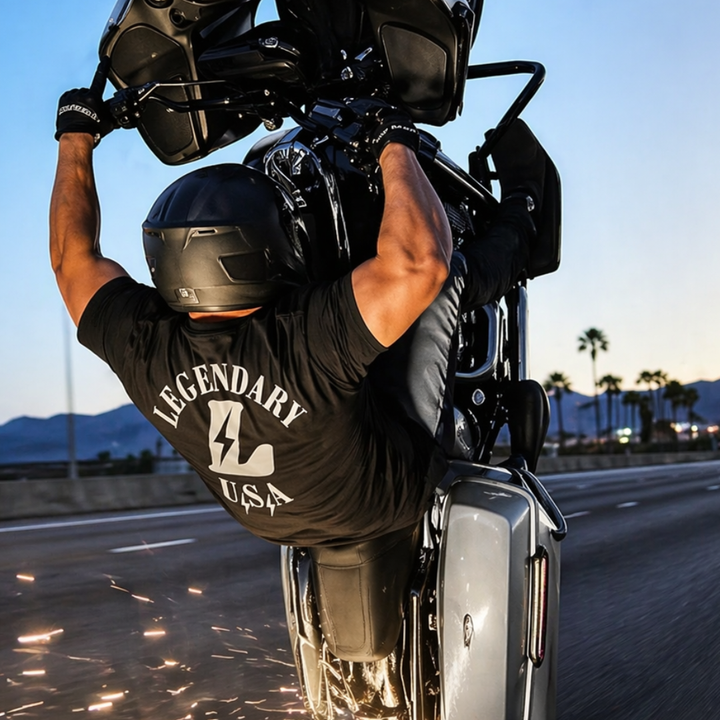
Riders took to the B-3 for the same reason crews did: wind and cold. Leather over wool blocks a highway headwind well, and the heavy build suits a rider who wears the jacket at rallies, gas stops and cold mornings. It is not an armored jacket, and it is bulky enough that many riders save it for low-speed, cold-weather use. The honest tradeoff is warmth versus bulk.
Veterans Day and the Legacy of American Military Leather
As Veterans Day approaches on November 11, the B-3 stands as a reminder of the crews who wore the original. Compare it with other flight styles in our military leather jackets roundup, or read our guide to choosing a B-3.
Conclusion
The B-3 earned its place by solving a hard problem in a hard place. A modern reproduction, built in the USA to the same specification, honors that history and still works in a cold wind. See the full range in the Cockpit USA collection.
Frequently Asked Questions
- What is a B-3 bomber jacket?
- A B-3 bomber jacket is a heavy sheepskin flying jacket with the shearling wool on the inside and a leather exterior. It was made for Army Air Force bomber crews in WWII and designed for extreme cold at altitude. Cockpit USA builds modern reproductions in the USA.
- Why was the B-3 jacket made from sheepskin?
- Sheepskin traps heat against the body through its shearling wool while the leather exterior blocks wind. Bomber crews flew unpressurized aircraft at roughly 25,000 feet where temperatures were far below freezing, so the B-3 was designed around that kind of dependable, wind-blocking warmth.
- What is the difference between a B-3 and a G-1 jacket?
- The B-3 is a heavy shearling sheepskin jacket for extreme cold, while the G-1 is a Navy style leather jacket with a quilted lining and fur collar. The B-3 is much warmer and bulkier. The G-1 is lighter and easier to wear across more seasons.
- Who was the Cockpit USA B-3 revival credited to?
- Cockpit USA says its founder, Jeff Clyman, spent years rediscovering the long-lost WWII leather finish for the B-3 and revived it in the late 1980s. That finish is the nappa-finished exterior found on the current Cockpit USA B-3 jackets, which age with antiqued highs and lows in the wool.
- Is the B-3 jacket good for motorcycle riding?
- The B-3 blocks wind and holds heat well, so riders use it in cold weather. It is heavy and bulky, and it is not sold as impact-rated or abrasion-rated armor. Many riders save it for low-speed rides, rallies and cold mornings.