

Best Motorcycle Gloves for Harley Riders: A Practical Roundup by Riding Style and Season
Harley riders put a specific set of demands on motorcycle gloves. The bars are wide. The vibration from the engine transmits directly into your palms over long miles. Most Harley riding positions — whether that's a touring setup or a stripped-down bobber — leave your hands exposed to wind, sun, and temperature shifts in a way that a sport-bike tuck doesn't. The gloves that work for this kind of riding need to balance feel and protection without adding bulk that kills throttle feedback. Here's how to think through the options by riding style and season.
What Harley Riders Actually Need From a Glove
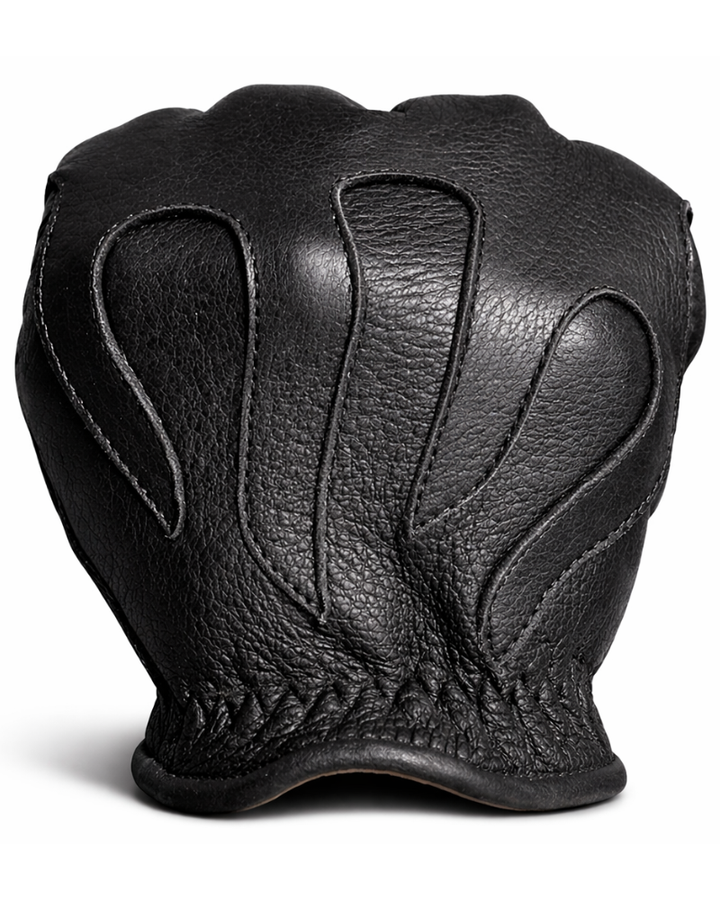
The basics: grip, feel, and durability over long hours in the saddle. Harley engines produce vibration that is part of the riding character, but that vibration concentrates at the palm and the heel of the hand over extended time. A glove with thin, well-fitted leather at the palm — rather than padded synthetic material — transmits that character while reducing the fatigue of raw vibration. That's one reason deerskin and goatskin have always been popular in this segment. They're thin enough to feel the bars without being flimsy.
Fit matters more than most riders account for. A glove that bunches at the knuckles or gaps at the cuff will shift during riding, creating pressure points over long miles. Take sizing seriously — see our motorcycle glove fit guide before ordering if you're between sizes. And consider that Harley riding often means longer time in the glove than shorter sport rides — comfort at mile 200 is not the same as comfort at mile 20.
For Warm-Weather Touring and Cruising
The challenge with summer gloves on a Harley isn't protection — it's keeping your hands comfortable over distance in the heat. Full leather with no ventilation becomes a sweat trap by midday. Two approaches work well here.
The first is perforated deerskin. The Ill Dozer perforated deerskin gloves move air across the hand while retaining the softness and grip of full deerskin. The outseam construction keeps the seam off the palm and fingers, which matters on long rides where seam pressure accumulates. These are a solid choice for riders doing highway miles in summer heat who don't want to sacrifice feel for ventilation.
The second option is the ventilated deerskin short-wrist gloves, which combine deerskin palm zones with ventilated panel construction for airflow without going fully fingerless. For riders who want coverage but need breathability on warm days, these sit in a practical middle ground.
For Everyday Riding and Mixed Conditions
If you're putting on gloves for an everyday ride — commuting, weekend errands, shorter runs — you want something that fits quickly, works across a range of temperatures, and holds up to regular use. This is where goatskin earns its reputation.
The Bad Billy black goatskin gloves are a direct, no-frills choice for everyday riding. Goatskin is denser than deerskin, so it handles more frequent use and friction without wearing at the palm as quickly. The short-wrist cut works under jacket sleeves without bunching. For riders who want the same construction in a more natural finish, the tan goatskin version is the same build.
Goatskin takes longer to break in than deerskin but holds its shape better over time. For a daily-use glove that sees weather, sun, and regular wear, that durability is worth the initial break-in period.
For Cold-Weather Riding
Cold weather on a Harley is a specific challenge. The upright riding position exposes your hands more than a tucked sport-bike position, and cold hands lose grip feel and throttle control faster than you might expect. A liner glove that's truly warm rather than just marketed as winter-capable is worth the investment if you ride through fall and into early winter.
The deerskin fleece-lined gloves add a fleece liner to American deerskin construction. The liner adds warmth without the bulk of an insulated textile glove, and the deerskin exterior maintains the grip and feel at the palm that matters when your throttle hand needs to work precisely. These are a practical choice for Harley riders who extend their season into cooler months rather than parking the bike when temperatures drop.
For Riders Who Want Touchscreen Access
Modern touring setups — GPS units, phone mounts, intercom systems — mean riders are interacting with screens on the road more than they used to be. The deerskin aramid-lined touchscreen gloves address this directly: deerskin exterior with an aramid-reinforced liner and touchscreen-compatible fingertips. The aramid lining adds abrasion resistance on the interior without making the glove thick or clunky.
For touring Harley riders who are managing navigation and audio on longer rides, the touchscreen capability removes the need to pull the glove off every time you need to adjust a route. That's a practical convenience worth having on a cross-country tour.
For Fingerless Riding (Summer Stoplight and Short Rides)
Fingerless gloves are a fixture in Harley culture. They're not the right choice for highway speeds or technical riding where full finger coverage matters, but for low-speed urban riding, stoplight-to-stoplight commuting in summer heat, or simply around-town use, they remain popular. The deerskin fingerless gloves use American deerskin for the palm and knuckle zones, where protection matters most in a fingerless design.
Be clear-eyed about the tradeoff: fingerless gloves leave the finger skin exposed. In a low-speed tip-over or contact with pavement, that exposure is real. For the riding context where fingerless gloves are actually used — slow speed, controlled environments, summer days — that tradeoff is something most riders consciously accept.
Gauntlets for Full Wrist and Lower-Arm Coverage
Some Harley riders — especially those doing longer touring runs in variable weather — prefer a gauntlet-style glove that extends coverage over the wrist and lower forearm. The Classic American Whitetail Deerskin Gauntlets are the full-coverage option in the Legendary lineup. Whitetail deerskin with a traditional gauntlet cuff means no gap between glove and jacket sleeve, which matters in cold or wet conditions.
Gauntlets add some bulk at the wrist relative to short-wrist styles, and they're less convenient for on-and-off use in town. For long-haul touring where you're staying in the gloves for hours, the coverage is worth that tradeoff.
Matching the Glove to the Ride
The best motorcycle gloves for Harley riders aren't a single model — they're the model that matches what you're actually doing. Summer touring in heat calls for perforated or ventilated options. Daily mixed-condition riding favors goatskin durability. Cold-weather riding needs a lined glove. A rider doing long gauntlet-covered tours has different requirements than a rider doing summer errands in town. Browse the full men's USA-made motorcycle gloves collection with your specific riding style in mind, and the right choice becomes clearer.
For more context on how American-made gloves are built and what distinguishes domestic construction from imported alternatives, the post on the best deerskin motorcycle gloves made in the USA is worth reading before you buy. And if you've been putting miles on the same pair for years and are wondering whether the leather is telling you something, the post on 24 years of motorcycle gloves covers what experienced riders look for in gear that holds up over time.