

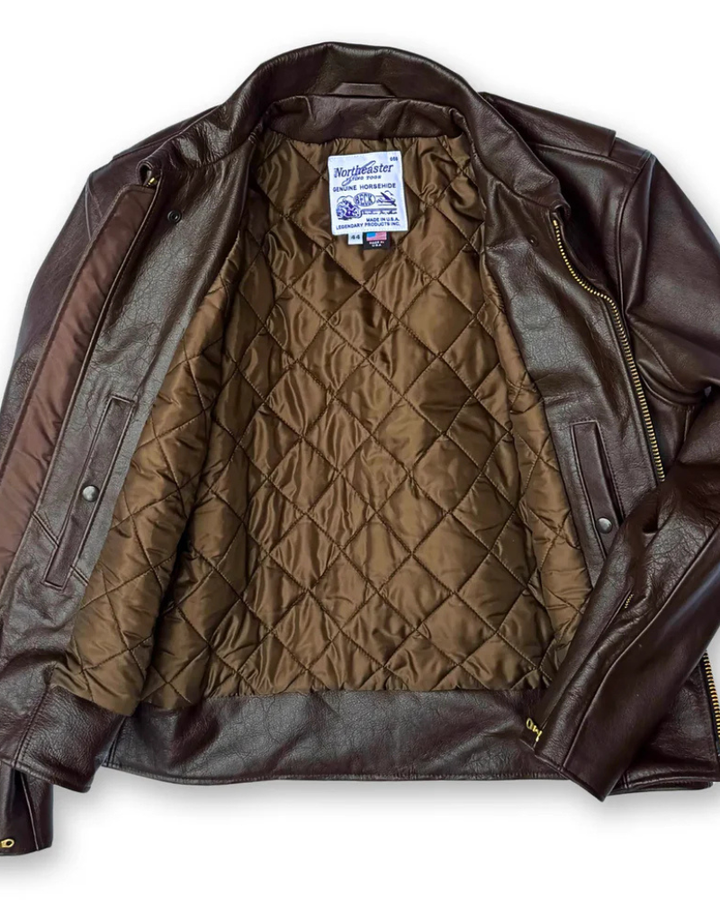
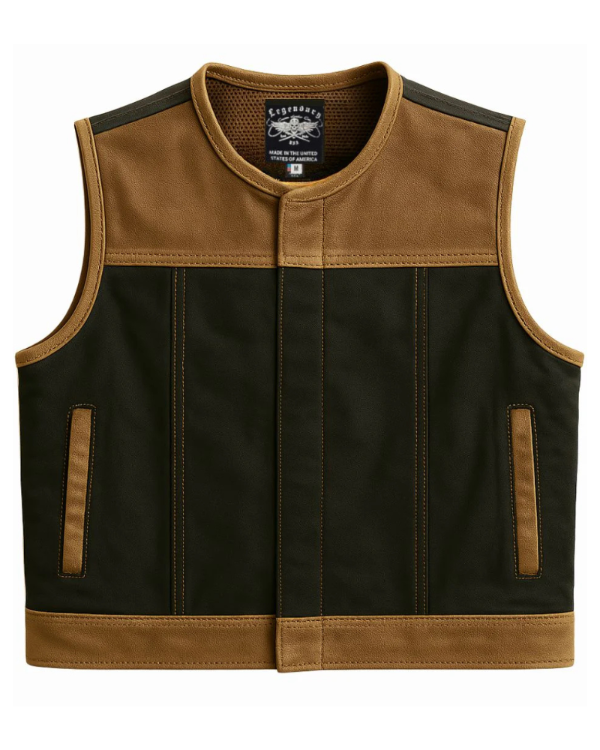
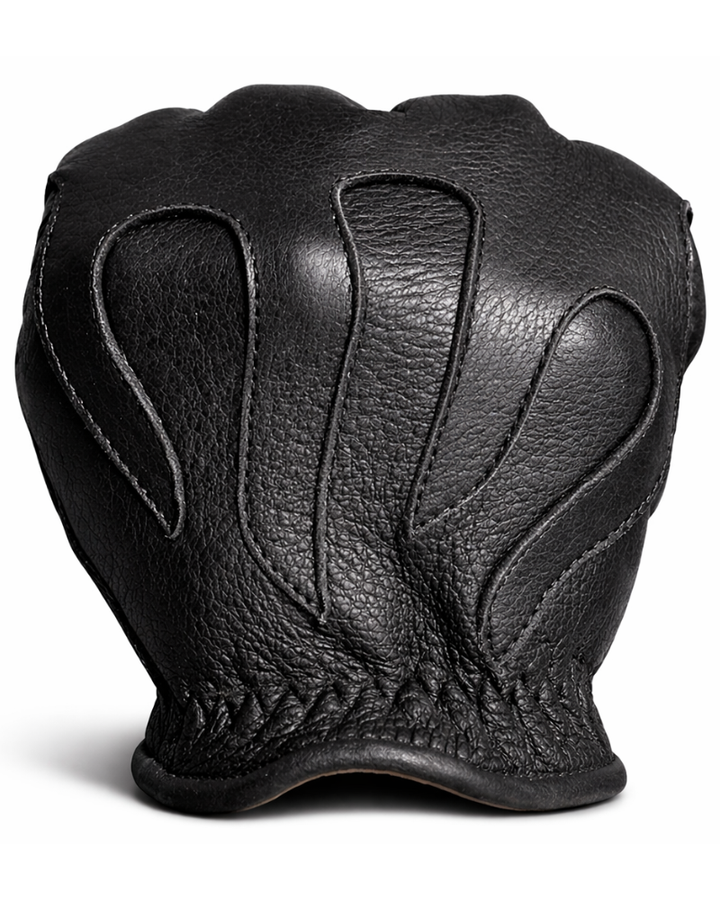
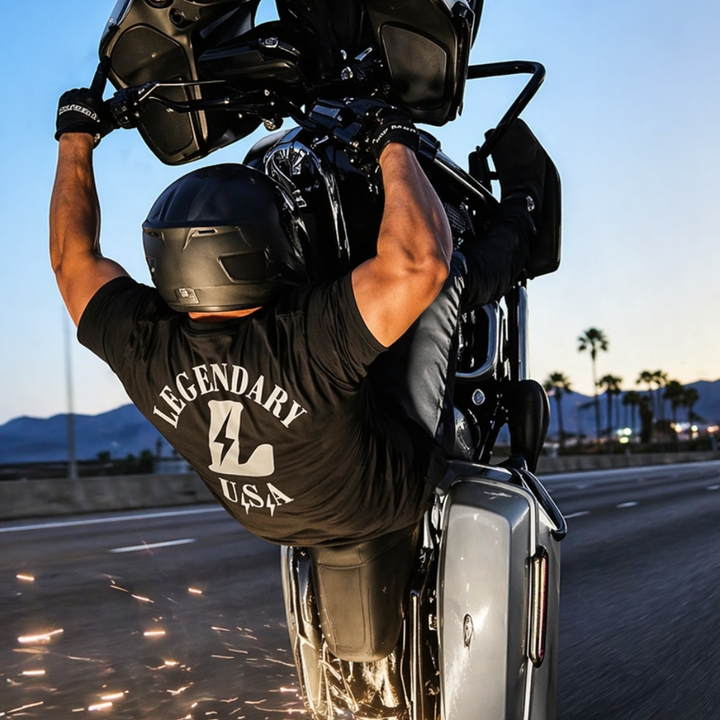


The best motorcycle gloves for new riders are full-finger leather gloves — deerskin if you want comfort and a fast break-in, goatskin if you want maximum durability for daily miles. Fit matters more than any feature: a snug glove keeps your hands relaxed on the controls, and relaxed hands make you a smoother, safer rider. This guide walks through the leather, the fit, and the construction details worth paying for, with American-made picks Legendary USA has built for 25 years.
Top Picks, Shop Direct
| Product | What it is | From |
|---|---|---|
| Bad Billy Black Goatskin Gloves | Legendary USA. Rated 4.93 from 129 customer reviews. | $69.00 |
| Fingerless Deerskin Gloves | Legendary USA. Rated 4.92 from 126 customer reviews. | $91.00 |
| Classic Deerskin Gauntlets | Legendary USA. Rated 4.88 from 112 customer reviews. | $129.00 |
| Gold Short Wrist Cuff Deerskin Gloves | Legendary USA. Rated 4.91 from 108 customer reviews. | $94.00 |
Prices shown are current at time of writing. Orders over $150 ship free.
Why Your First Gloves Should Be Leather

Leather does three jobs for a new rider that synthetics struggle to match. It resists abrasion, it molds to your hand so grip feel improves over time, and it lasts long enough that a first pair can carry you years into riding. Legendary USA hand-cuts gloves from full-grain American deerskin and goatskin because full-grain hide keeps its strength where thinner split leathers wear through.
New riders spend their first seasons learning clutch feel, brake pressure, and throttle control. A broken-in leather glove transmits all of that through the palm without the numbness of a padded synthetic. That direct feel is why working riders have defaulted to leather gloves for a century.
Deerskin vs. Goatskin: The First-Glove Decision
Deerskin is the softer hide. It breaks in within two to three weeks of regular riding, stays flexible in heat and cool mornings, and recovers its shape after getting damp. For a new rider who wants gloves that disappear on the hand, deerskin is the answer. The honest tradeoff: deerskin is supple riding leather, not hard armor, and it will show scuffs sooner than denser hides.
Goatskin is the workhorse. It is more abrasion-resistant than deerskin, shrugs off daily wear, and holds its structure over years of commuting. It takes longer to break in and never gets quite as soft. If your riding is a daily commute in traffic, goatskin's durability wins. For a full breakdown, read our deerskin vs. goatskin comparison.
Fit: The Part New Riders Get Wrong
Most first-time buyers order gloves a half size too big. Leather stretches with wear, so the right fit out of the box is snug — light pressure across the knuckles, fingertips just touching the ends, no loose leather in the palm. A glove that bunches in the palm will fold under the grip and raise a blister by the end of a long ride.
Measure your hand around the widest part of the palm, not the fingers, and check it against the size chart before ordering. Our motorcycle glove sizing guide covers measuring step by step, including what to do if you land between sizes.
Construction Details Worth Paying For
Two construction features separate a real riding glove from a work glove. The first is outseam stitching: seams sewn on the outside of the glove so no ridge of thread presses into your palm at the grip. The second is a keystone thumb, a separately set thumb panel that lets the thumb move naturally on the bars instead of fighting the leather.
Legendary USA sews these details into its gloves because they change how a glove feels at hour three of a ride, not minute three of a try-on. New riders rarely know to look for them. Riders on their third pair rarely buy anything without them.
Three American-Made Gloves That Work for New Riders
The ILL Dozer perforated deerskin gloves are the warm-weather pick: short-wrist, outseam construction, and perforated deerskin that moves air across the back of the hand in summer traffic. Perforation means airflow, not insulation — these are not cold-morning gloves.
The Bad Billy black goatskin gloves are the durability pick for riders logging daily miles. Goatskin's density makes it the hide that takes a beating and keeps its shape. For riders who want deerskin comfort with modern convenience, the deerskin aramid-lined touchscreen gloves add an aramid lining and touchscreen-compatible fingertips for navigation at fuel stops.
Every pair in the Made in USA motorcycle gloves collection is cut and sewn in the United States from full-grain hides.
Common First-Glove Mistakes
Buying too big is the most common mistake, and buying fingerless as a first pair is the second. Fingerless gloves breathe well in summer, but they leave your fingers uncovered while you are still learning the controls — save them for later. The third mistake is buying a heavily insulated glove in summer because it feels substantial; you will sweat through it by June and lose grip feel doing it.
The last mistake is skipping break-in. Wear new gloves for short rides and around the house before a long day. Our guide on breaking in leather motorcycle gloves covers how to do it without damaging the hide.
Frequently Asked Questions
- What motorcycle gloves should a new rider buy first?
- A new rider's first pair should be full-finger leather gloves that fit snug through the palm and fingers. Deerskin is the easiest leather to start with because it conforms to your hand within a few weeks of regular riding and stays comfortable on long days. Goatskin is the tougher, more abrasion-resistant option if you commute daily. Skip fingerless gloves for a first pair — learn the controls with your fingers covered.
- How should motorcycle gloves fit a new rider?
- Motorcycle gloves should fit snug, not tight. You want light, even pressure across the palm with no bunching at the fingertips and no loose leather at the base of the fingers. Leather stretches as it breaks in, so a glove that feels roomy on day one will feel sloppy by month two. If you are between sizes, size down in deerskin and stay true to size in goatskin, which stretches less.
- Are deerskin motorcycle gloves good for beginners?
- Yes. Deerskin is soft off the shelf, breaks in within a few weeks of regular riding, and keeps its shape without going stiff after rain. That short break-in matters for new riders because a comfortable glove keeps your hands relaxed on the bars, and relaxed hands mean better throttle and brake control. The tradeoff is that deerskin is a supple hide, not hard armor — it is riding leather, not crash protection gear.
- What is the difference between deerskin and goatskin gloves?
- Deerskin is softer, breaks in faster, and stays flexible through temperature swings, which makes it the comfort pick. Goatskin is denser and more abrasion-resistant, holds up better to daily wear, and costs less to own over years of commuting. Legendary USA cuts both from full-grain American hides. If you ride weekends, start with deerskin. If you ride every day, goatskin earns its keep.
- Do new riders need gauntlet gloves or short-wrist gloves?
- Most new riders do better with short-wrist gloves. They are easier to get on and off, work with any jacket sleeve, and stay cooler in summer traffic where new riders log most of their early miles. Gauntlet gloves cover the wrist and jacket cuff, which pays off at highway speed and in cold or wet weather. Buy short-wrist first, add gauntlets when you start riding longer distances.
- How long do leather motorcycle gloves take to break in?
- Deerskin gloves break in within two to three weeks of regular riding. Goatskin takes longer — often a month or more of steady use — because the hide is denser. The fastest break-in method is simply wearing them: on the bars, around the house, running errands. Avoid soaking leather in water or oil to speed things up; that shortens the life of the hide and can shrink the glove.
Your first gloves set the pattern for every pair after them. Start with full-grain American leather in the right size, put in the break-in miles, and the glove will teach you what good gear feels like. Legendary USA has been cutting gloves for first-year riders and forty-year riders alike since 2001 — the leather does not care how long you have been riding, only that you ride.