

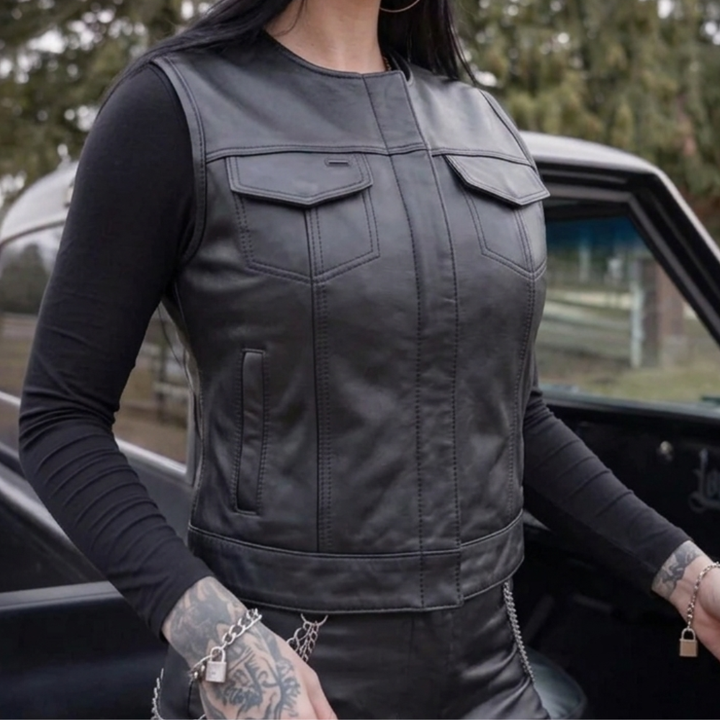


Cold weather motorcycle gear by temperature runs from ventilated deerskin gloves in the 50s to a fleece-lined glove, a liner and a gauntlet cuff near freezing. This guide breaks the range into four bands and names the Legendary USA gear that fits each one. The only temperature range we state as a product claim is the 30 to 50°F positioning for the Fleece-Lined Deerskin Gloves; the rest is general layering guidance, not a guarantee.
How to Read This Temperature Guide

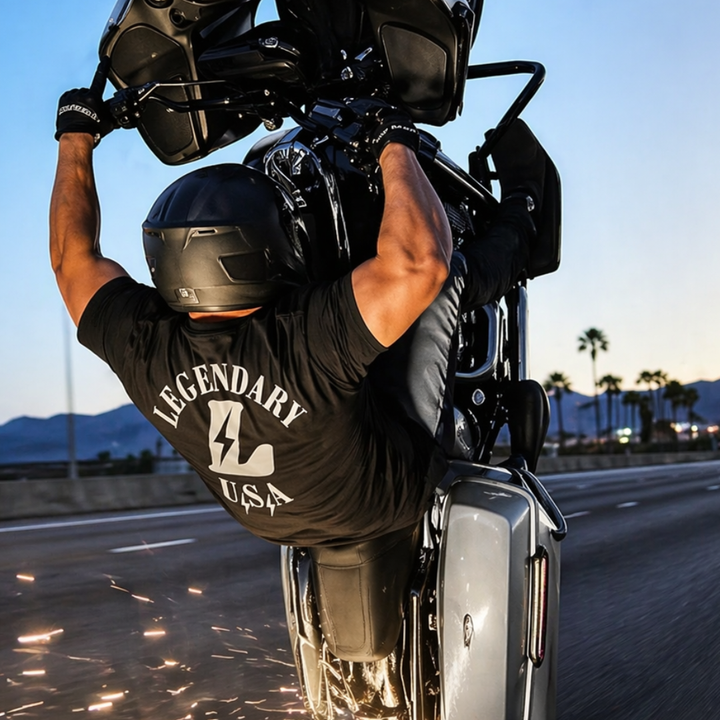
Air temperature is only half the story on a motorcycle. Speed adds wind across your hands and chest, so a 45°F morning feels colder at 65 miles per hour than it does in the driveway. Treat the bands below as starting points, then adjust for your route, your speed, and how long you ride.
55°F and Up: Ventilated and Lightly Layered
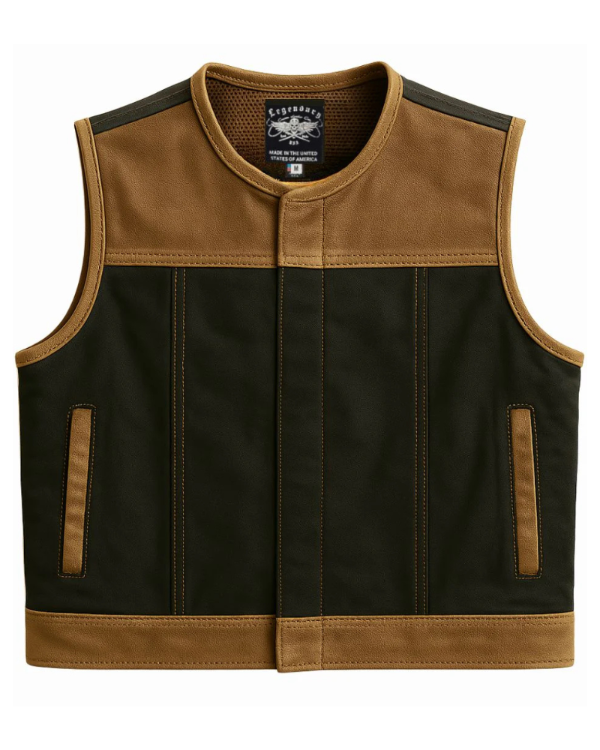
In the mid-50s and warmer, airflow matters more than insulation. The Ventilated Short Wrist Touchscreen Deerskin Gloves are a ventilated option for this band. A Revolution black denim vest over a flannel adds a layer to your torso without turning the outfit into winter gear.
45 to 55°F: Unlined Deerskin and a Real Layer
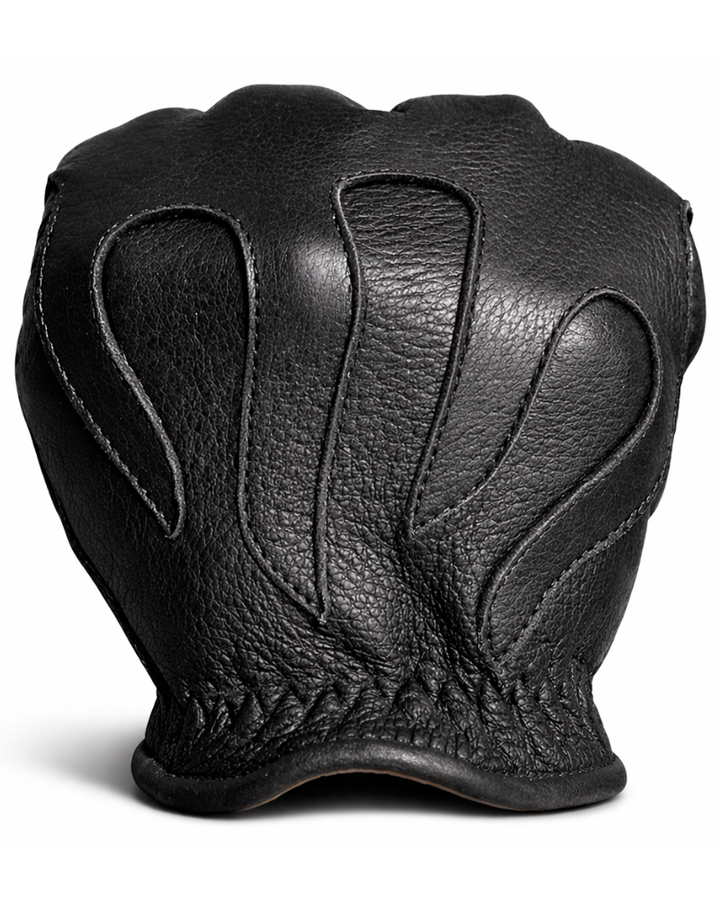
This is the first band where cold hands show up. An unlined deerskin glove with a longer cuff, such as the Classic Deerskin Gauntlets, closes the wrist gap, and a liner in your pocket covers the cold start. For the torso, our guide to layering under a motorcycle vest in cold weather shows how to build a stack that handles a 20-degree swing.
35 to 45°F: Lined Gloves Become the Default
The fleece-lined short wrist glove is positioned for 30 to 50°F on the product page, with a 3M Thinsulate 40-gram lining. This is the band where that glove earns its place. Add Gators Skin Glove Liners if you ride at speed or start before sunrise, and remember to size up one for the lining.
Our roundup of gloves for cold morning rides under 45°F goes deeper on this band, and the list of cold-weather gear under $125 helps if you are building on a budget.
Below 35°F: Stack the Layers or Reconsider the Tool
Near freezing, a lined glove alone runs out of margin on the highway. Combine the lined glove with a liner, choose a long cuff that seals the wrist, and keep rides short. If you regularly ride at freezing for hours, a heated glove is a fair tool, and our guide to heated glove alternatives covers the tradeoffs.
Cold-Weather Gear by Temperature Range at a Glance
| Temperature | Hands | Torso | Note |
|---|---|---|---|
| 55°F and up | Ventilated short wrist deerskin | Denim vest over a flannel | Airflow matters more than insulation |
| 45 to 55°F | Unlined deerskin with a longer cuff, liner in a pocket | Vest over a flannel or hoodie | Cuff coverage starts to matter |
| 35 to 45°F | Fleece-lined deerskin, add a liner at speed | Vest plus an insulating layer | Lined glove is the default |
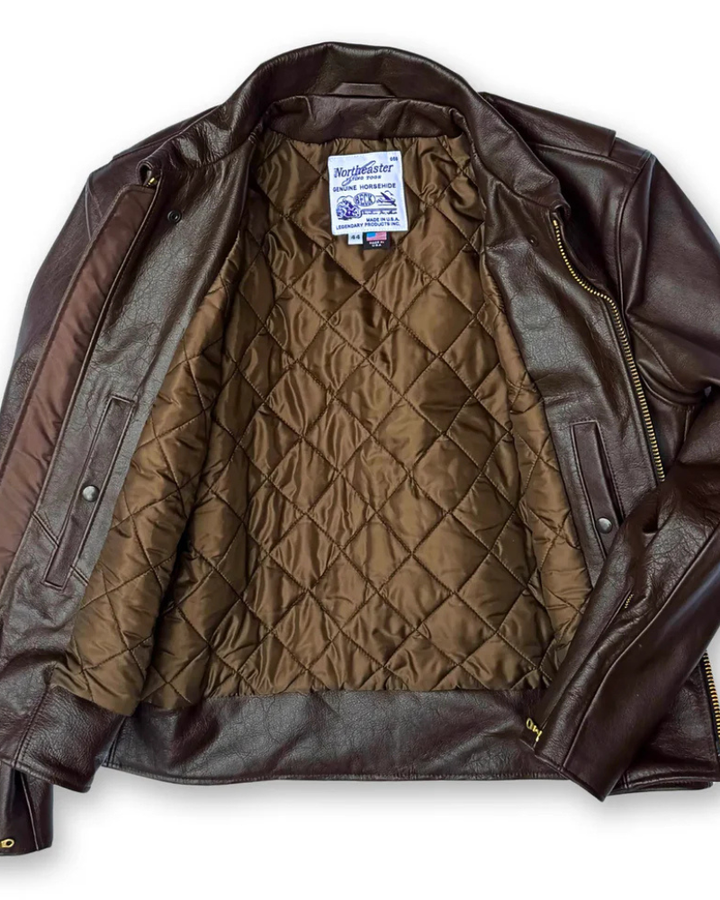
| Below 35°F | Fleece-lined plus liner, long cuff | Jacket over insulating layers | Consider heated gloves for long rides |
Match the Gear to the Temperature, Not the Calendar
The mistake is dressing for the date instead of the ride. Check the temperature, factor in your speed, and pack a liner so you can adjust. Browse our Made in USA motorcycle gloves and Made in USA motorcycle vests to build the layers that fit your route.
The National Weather Service publishes a cold wind chill chart that shows how air temperature and wind speed combine.
Frequently Asked Questions
- What motorcycle gloves should I wear at 40 degrees?
- At 40°F, most riders want an insulated glove or an unlined glove with a thin liner. The Legendary Fleece-Lined Deerskin Gloves are positioned for 30 to 50°F on the product page. Wind at speed makes 40°F feel colder, so add a liner or a longer cuff if you ride at highway speeds.
- What should I wear on a motorcycle at 50 degrees?
- At 50°F, an unlined deerskin glove with a long enough cuff is a common choice, plus a jacket or a vest over a flannel. If the ride starts cold and warms up, carry a thin liner in a pocket. Wind chill still matters at this temperature, especially on the highway.
- How do I layer for motorcycle riding in cold weather?
- Start with a base layer that wicks moisture, add an insulating layer, and finish with a wind-blocking outer layer such as a leather vest or jacket. Add a liner inside your gloves when the temperature drops. Keep each layer snug but not tight, so circulation stays good.
- Is wind chill a factor on a motorcycle?
- Yes. Riding speed adds to the wind across exposed skin, which makes the air feel colder than the thermometer says. The National Weather Service publishes a wind chill chart that shows how air temperature and wind speed combine, so check it before you decide what to wear for a highway ride on a cold morning.
- Do I need a heated glove below freezing?
- For short rides, an insulated glove with a liner may be enough. For long rides at or below freezing, a heated glove can add warmth that insulation alone cannot. The tradeoff is power and wiring, which some riders prefer to avoid, so weigh how long you ride against how much hardware you want on the bike.
- Are ventilated gloves good for cool weather?
- Ventilated gloves are designed to move air, so they suit warm riding better than cool riding. Choose them for mild days in the upper range and switch to a lined or liner-equipped setup as the temperature falls. Our Ventilated Short Wrist Touchscreen Deerskin Gloves are a warm-weather option.