



Cold weather motorcycle gear by temperature range is simpler than most riders make it: unlined deerskin gloves and a vest down to 50 degrees, fleece-lined deerskin gloves and a horsehide jacket from 50 to 40, a gauntlet with a liner and a layered jacket from 40 to 30, and heated grips below that. The thermometer is only half the number. Wind at 60 mph makes 45 degree air feel close to freezing, so every band below assumes highway riding and should be read a notch warmer for in-town speeds.
60 to 50 degrees: unlined deerskin and a vest
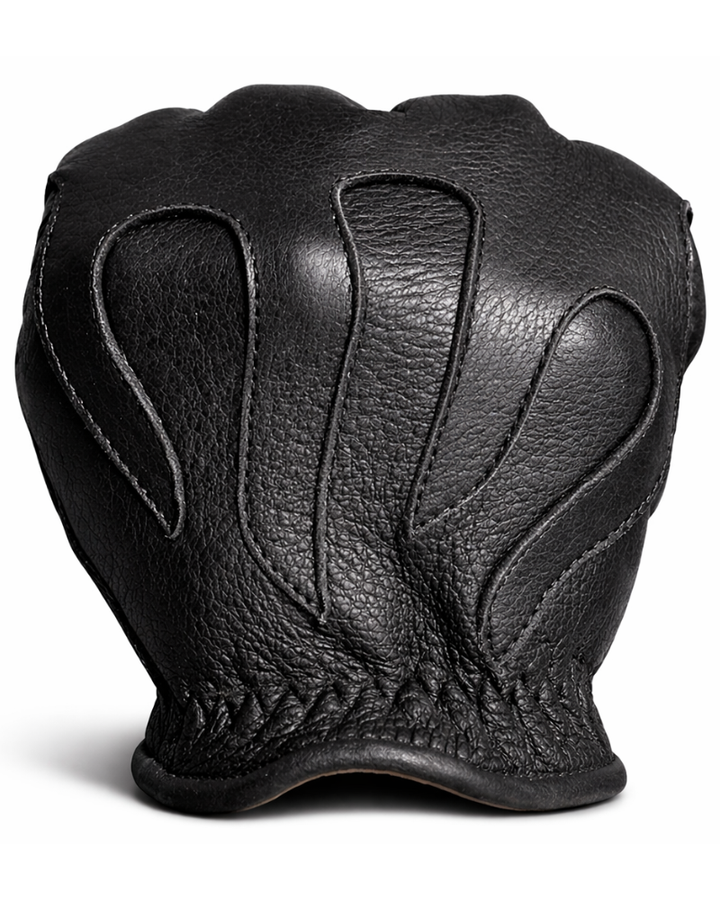
At 50 to 60 degrees the goal is wind blocking, not insulation. An unlined deerskin glove is enough for most riders, and this is the last band where a goatskin short-wrist like the Bad Billy still works for an in-town ride. The Classic American Whitetail deerskin gauntlets are the better pick if the ride includes highway miles, because the long cuff closes the sleeve gap that a short-wrist glove leaves open. They are unlined, so throttle feel is direct.
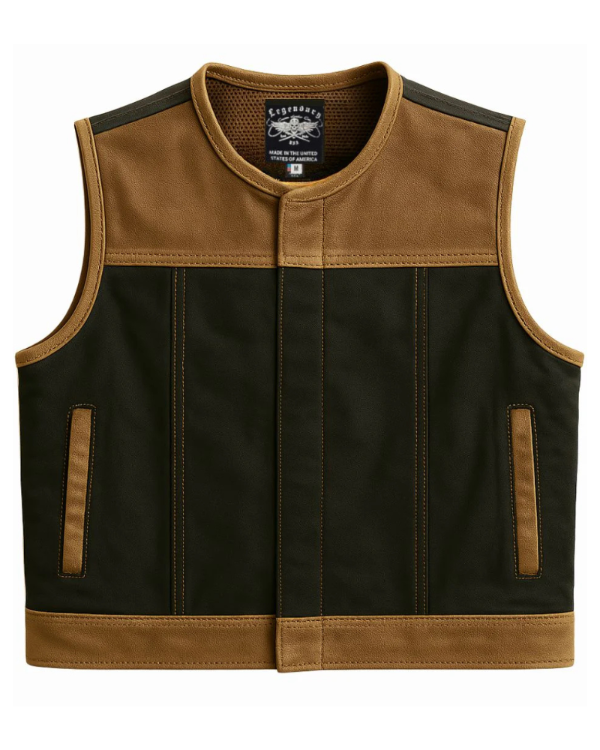
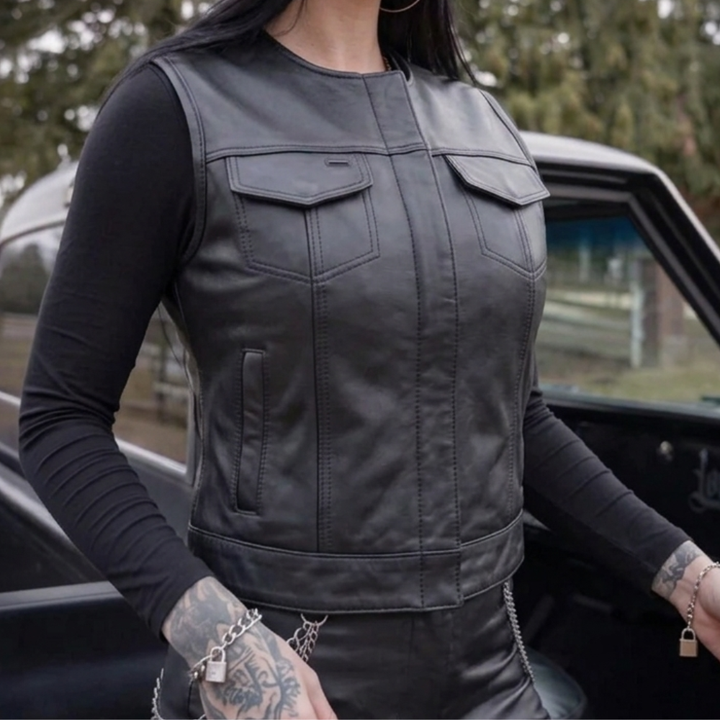
On the body, a leather or denim vest over a flannel is the traditional answer and still the right one. A vest blocks wind across the chest and back, the two places cold air steals heat fastest, and leaves the arms free. The USA-made motorcycle vests collection covers horsehide, cowhide, bison, and denim, and any of them does this job.
50 to 40 degrees: fleece-lined gloves and a horsehide jacket
From 40 to 50 degrees the unlined glove starts to lose. This is the band the fleece-lined deerskin short-wrist gloves were built for: 100 percent American Whitetail deerskin outside, a 3M Thinsulate 40-gram fleece lining inside, and a glove that still weighs less than an unlined cowhide winter glove. Size up one from your unlined Legendary USA size so the lining has room to loft.
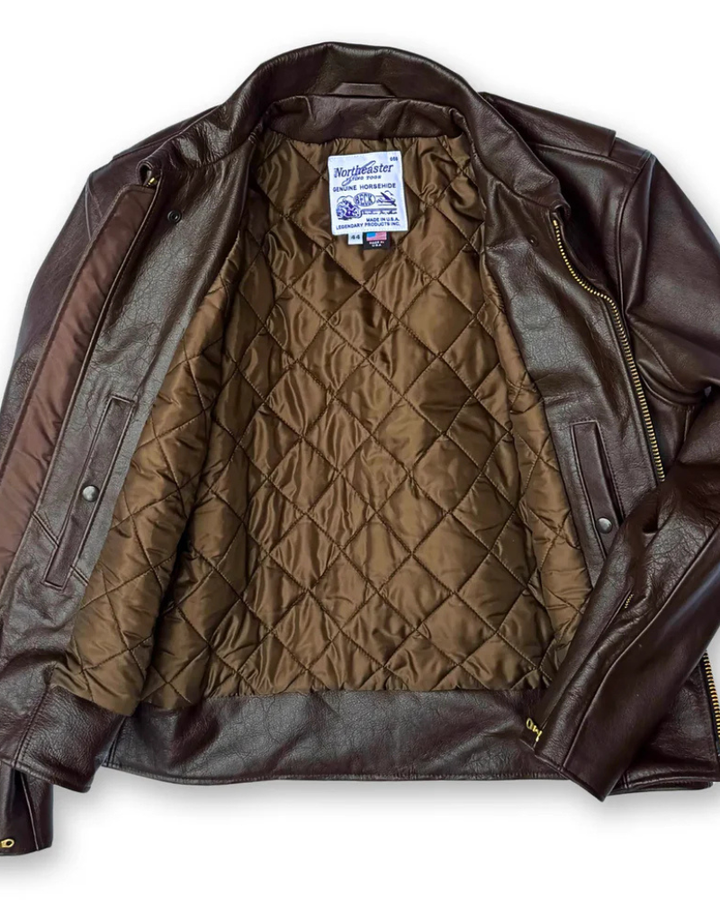
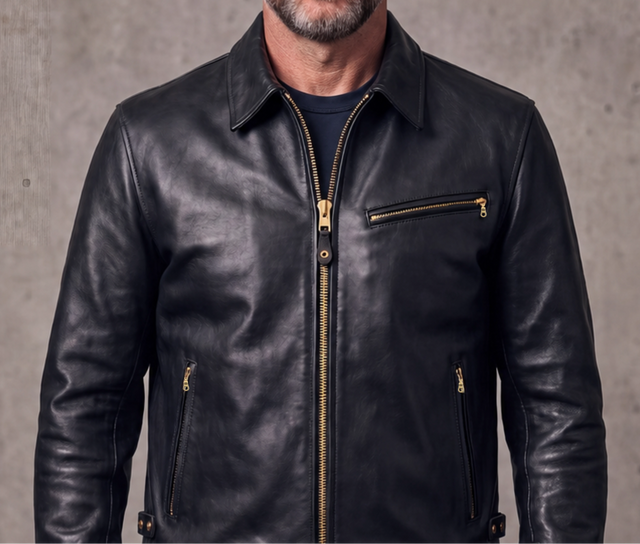
The jacket question gets serious here too. Horsehide is denser and more wind-tight than most cowhide, which is why the BECK 777 Northeaster Flying Togs horsehide jacket is the one Legendary USA sends riders to for cold weather. It is 1.3mm front quarter horsehide with a cotton cavity lining, and it stops the wind that makes you cold. It is a heritage riding jacket, not an armored riding jacket, so it has no CE armor; riders who want armor wear a separate armored layer under it, such as a Bohn armored shirt. Leather does not insulate much by itself, so the warmth under a horsehide jacket comes from the flannel and vest you layer beneath.
Horsehide is stiff at first and takes longer to break in than cowhide. A rider who plans to wear one in January should be wearing it in October.
40 to 30 degrees: gauntlet plus liner, or short-wrist under the cuff
From 30 to 40 degrees at highway speed, passive leather insulation reaches its practical ceiling, and there are two ways to get there. The first is the unlined deerskin gauntlet with a thin knit liner underneath, which covers roughly 25 to 40 degrees on rides under two hours and keeps the cuff sealed over or under the jacket sleeve. The second is the fleece-lined short-wrist tucked under a jacket cuff with a snug wrist closure. The gauntlet route is warmer on the highway; the short-wrist route is easier on and off for a commute with stops.
Under the jacket, this is the band for three layers: a base layer, a flannel, and a vest, all under the horsehide. Most riders in a BECK horsehide jacket with a flannel, a vest, and fleece-lined gloves are comfortable to about 30 degrees on rides under two hours. The chest is what gets cold first, so the vest matters more than a second layer on the arms. Perforated anything stays home.
Sizing is where this band goes wrong. A liner under a gauntlet needs the gauntlet sized for it, and a fleece-lined glove does not take a second liner at all. Legendary USA's guide to sizing motorcycle gloves for liners has the measurements.
Below 30 degrees: heated grips and honest limits
Below about 30 degrees at sustained highway speed, no single leather glove keeps up. Wind chill at 60 mph takes 30 degree air into the teens on exposed skin, and a 40-gram lining cannot replace that much heat. Heated grips are the practical answer, and they turn a fleece-lined deerskin glove or a gauntlet with a liner into a glove that works at 20 degrees, because the heat comes from the bar and the leather only has to hold it.
Heated grips work better with a thinner glove than a thicker one, since the heat has less to pass through. That is one more reason deerskin, at roughly half the weight of cowhide, is the right shell for a cold-weather rider. For a full look at the tradeoffs, see Legendary USA's roundup of heated motorcycle glove alternatives.
The full range at a glance
| Highway temperature | Gloves | Body |
|---|---|---|
| 60 to 50 degrees | Unlined deerskin short-wrist or gauntlet | Flannel plus leather or denim vest |
| 50 to 40 degrees | Fleece-lined deerskin short-wrist | Flannel, vest, horsehide jacket |
| 40 to 30 degrees | Deerskin gauntlet with thin liner, or fleece-lined under the cuff | Base layer, flannel, vest, horsehide jacket |
| Below 30 degrees | Fleece-lined or gauntlet plus heated grips | Same layers; limit ride length |
Every glove in the table comes from the cold-weather deerskin motorcycle gloves collection. For the glove-by-glove detail behind the table, read the winter motorcycle gloves buying guide.
Mistakes that cost riders a season
The first is buying cold-weather gear in December. Deerskin breaks in over two to three weeks of riding and horsehide over months, so gear bought when the cold arrives is still stiff when the cold is worst. The second is treating the thermometer as the number; the highway number is 10 to 15 degrees lower. The third is stacking liners inside a lined glove until nothing insulates. The fourth is riding a goatskin or perforated summer glove into November because it is tough, when toughness and warmth are different properties.
Cold-weather riding gear works in bands, and each band adds one thing: a vest at 50, a lining and a horsehide jacket at 40, a liner or a cuff tuck at 30, and a heated bar below that. Legendary USA cuts the deerskin gloves and the BECK horsehide jackets in those bands here in the USA, and none of them pretends to be a winter system on its own. Buy the next band before you need it, and the season does not have to end in October.
For the wind chill math behind these temperature bands, the National Weather Service publishes a cold wind chill chart.
Frequently asked questions
- What motorcycle gloves should I wear at 40 degrees?
- At 40 degrees on the highway, wear fleece-lined deerskin gloves or an unlined deerskin gauntlet with a thin knit liner. The fleece-lined short-wrist from Legendary USA uses a 3M Thinsulate 40-gram lining and covers the 30 to 50 degree range. The gauntlet with a liner seals the sleeve gap and is warmer at sustained speed. For in-town riding at 40 degrees, the fleece-lined short-wrist tucked under a jacket cuff is enough. Size up one for the lining.
- How cold is too cold to ride a motorcycle in leather gloves?
- Below about 30 degrees at sustained highway speed, passive leather insulation stops keeping up. Wind chill at 60 mph takes 30 degree air into the teens on exposed skin, and no single leather glove replaces that much heat. Below 30 degrees, heated grips are the practical answer, and a fleece-lined deerskin glove or a gauntlet with a liner over heated grips works at 20 degrees. Above 30 degrees, layered deerskin gloves handle the cold on rides under two hours.
- Is a horsehide jacket warm enough for winter riding?
- A horsehide jacket blocks wind better than most cowhide because horsehide is denser, but leather itself does not insulate much. The warmth comes from what you layer under it. A BECK 777 Northeaster horsehide jacket over a flannel and a vest is comfortable to about 30 degrees on rides under two hours. It is a heritage riding jacket with no CE armor, and it takes months to break in, so buy it in October rather than December.
- What is the difference between wind chill and air temperature for riders?
- Air temperature is what the thermometer reads. Wind chill is what exposed skin feels when moving air strips heat away, and at motorcycle speeds the gap is large. Forty-five degree air at 60 mph feels close to freezing, and 30 degree air at 60 mph feels like the teens. Riders should plan gear for the wind chill number on any ride with highway miles and read the bands about one notch warmer for in-town speeds.
- Should I wear a vest or a jacket in cold weather?
- Both. A vest blocks wind across the chest and back, which are where cold air steals heat fastest, and it layers under a jacket without adding bulk at the arms. From 50 to 60 degrees a leather or denim vest over a flannel is enough on its own. Below 50 degrees, wear the vest under a horsehide jacket. Below 40 degrees, add a base layer under the flannel. The chest gets cold first, so the vest matters more than a second layer on the arms.
- Can I use heated grips with deerskin gloves?
- Yes, and deerskin is a good match for heated grips. Heated grips work better with a thinner glove because the heat has less material to pass through, and deerskin weighs roughly half what cowhide does at equivalent thickness. A fleece-lined deerskin short-wrist or a deerskin gauntlet with a thin liner over heated grips keeps hands working at 20 degrees. The leather only has to hold the heat from the bar rather than generate warmth on its own.