



Cold weather motorcycle gloves work by blocking wind, adding a warm lining, and sealing the wrist, all while keeping enough flexibility that you never lose grip feel. The trick is matching the glove to the temperature you actually ride in, then sizing it so warmth and circulation both survive. This guide walks through lining, gauntlet coverage, sizing for a liner, and the small habits that keep your hands warm when the mercury drops.
Cold hands are more than uncomfortable. They slow your reactions on the controls and pull your focus off the road. Getting your glove choice right is a real riding decision, not just a comfort upgrade.
Top Picks, Shop Direct
| Product | What it is | From |
|---|---|---|
| Classic Deerskin Gauntlets | Legendary USA. Rated 4.88 from 112 customer reviews. | $140.00 |
| Fleece-Lined Deerskin Gloves | Legendary USA. Rated 4.9 from 104 customer reviews. | $115.00 |
| Aramid Touchscreen Deerskin Gloves | Legendary USA. Rated 4.93 from 102 customer reviews. | $120.00 |
| Deerskin Insulated Mittens | Legendary USA. Rated 4.83 from 80 customer reviews. | $115.00 |
Prices shown are current at time of writing. Orders over $150 ship free.
Start With the Lining

The single biggest factor in a cold weather glove is what is inside it. A fleece-lined deerskin glove adds warmth while keeping the soft, flexible feel that makes deerskin comfortable in the first place. That flexibility matters, because a stiff, over-padded glove kills the grip feel you need most when your hands are cold.
The Deerskin Fleece-Lined Short Wrist Gloves are built for the common cold-weather range: chilly mornings, shoulder-season rides, and cool descents off elevation. Fleece lining runs warmer and fits snugger than an unlined glove, so plan your sizing around that. Here is the honest limit: no single leather glove replaces heated grips or a full winter system in sustained sub-freezing wind. But for most of the cold that riders actually meet, a lined deerskin glove is the practical answer.
Decide Between Gauntlet and Short-Wrist
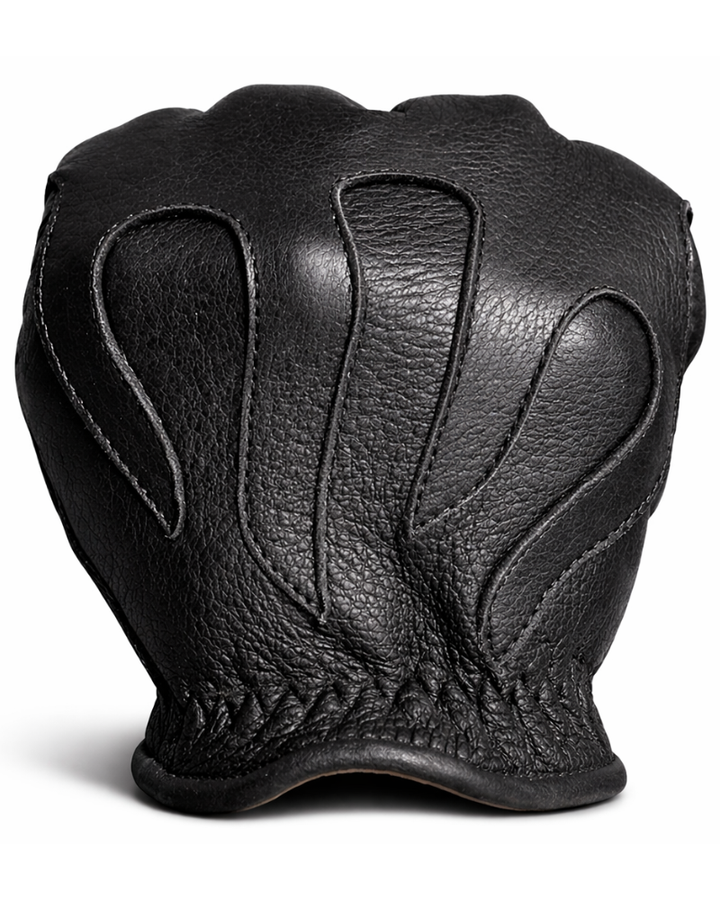
Coverage is the second lever. Gauntlet gloves extend up over the wrist and lower forearm, sealing the gap where cold air sneaks in at speed. On a long, exposed cold ride, that sealed wrist keeps your whole hand warmer, which is why the Classic American Whitetail Deerskin Gauntlets earn their place in a cold-weather kit.
Short-wrist gloves stop at the wrist. They are faster on and off, they layer neatly under a jacket cuff, and for mild cold they are often warm enough on their own. The tradeoff is an exposed wrist that lets wind pull heat away. For the coldest rides, go gauntlet. For a brisk morning that warms up by noon, a fleece-lined short-wrist glove usually does the job. Browse the full Made in USA motorcycle gloves collection to compare both styles.
Size for Warmth, Not Just Fit
Sizing a cold weather glove is different from sizing a summer glove, and the mistake most riders make is going too tight. Blood flow is what keeps your fingers warm, so a glove that squeezes your hand will actually feel colder than a slightly roomier one. A fleece or fabric lining also fills more of the glove, so a lined pair fits snugger than an unlined pair in the same size.
Aim for close but not tight: fingertips reaching the end of each finger, no hard pressure at the seams, and enough room that circulation stays open. If you ride with thin liner gloves underneath on the coldest days, account for that extra layer when you choose your size. Because deerskin breaks in and molds to your hand, a glove that starts snug settles into a custom fit. Read our guide to breaking in leather gloves so your cold-weather pair is ready before the first frost.
Small Habits That Keep Hands Warm
Gear is only half of it. Keep your core warm, because when your body is cold it pulls blood away from your extremities first, leaving your fingers to freeze no matter how good the gloves are. Seal the wrist against wind. Avoid gloves so tight they choke circulation. And if you regularly ride into real winter, pair lined leather gloves with heated grips for a system that beats any glove alone. Cold weather riding is manageable when your gloves block wind, hold warmth, and still let you feel the bars.
Frequently Asked Questions
- How do I choose cold weather motorcycle gloves?
- Choose cold weather motorcycle gloves by matching lining and coverage to the temperature you actually ride in. For chilly mornings and shoulder-season cold, a fleece-lined deerskin glove adds warmth while keeping the soft feel that preserves grip. For sustained cold and wind, add gauntlet coverage that seals the wrist. Size for the lining, because a lined glove fills more of the hand than an unlined one. Legendary USA builds fleece-lined deerskin gloves from full-grain American hides for exactly this range.
- Are fleece-lined gloves warm enough for winter riding?
- Fleece-lined deerskin gloves are warm enough for cold mornings, shoulder-season riding, and cool descents, which covers most of what riders face outside of deep winter. They add real warmth while keeping the flexibility that unlined gloves have, so grip feel stays honest. In sustained sub-freezing wind, no single leather glove replaces heated grips or a full winter system, but for the common cold-weather range fleece lining is the practical, comfortable answer.
- Should cold weather gloves be gauntlet style?
- Gauntlet gloves help in cold weather because they extend over the wrist and lower forearm, sealing the gap where cold air and rain otherwise reach your skin at speed. That coverage keeps the whole hand warmer on long, exposed rides. Short-wrist gloves are quicker on and off and layer under a jacket cuff, but they leave the wrist more exposed. For the coldest rides, gauntlet coverage is the warmer choice; for mild cold, a fleece-lined short-wrist glove is often enough.
- How should I size gloves for a warm lining?
- A fleece or fabric lining takes up room inside the glove, so a lined glove fits snugger than an unlined one in the same size. Size so the glove is close but not tight, with your fingertips reaching the end of each finger without pressing hard into the seam. Leave enough room that circulation is not cut off, because tight gloves actually make hands colder. If you ride with liner gloves underneath, account for that extra layer when you choose your size.
- Why do my hands get cold even in thick gloves?
- Cold hands in thick gloves usually come from two causes: gloves so tight they cut circulation, and wind reaching an exposed wrist. Blood flow is what keeps fingers warm, so a glove squeezing your hand will feel colder than a slightly roomier one. Wind hitting the wrist gap pulls heat away fast, which is why gauntlet coverage helps. Make sure the glove is snug but not choking, seal the wrist against wind, and keep your core warm so your body sends blood to your hands.
- Can I ride in leather gloves in the cold?
- Yes. Full-grain leather is a natural wind block, and a lined leather glove is a proven cold weather choice for riders. Deerskin in particular stays flexible in the cold rather than going stiff, which keeps grip feel honest when your hands need control most. A fleece-lined deerskin glove blocks wind, adds warmth, and breaks in to a custom fit. For deep winter, pair leather gloves with heated grips, but for most cold riding, lined leather does the job.