

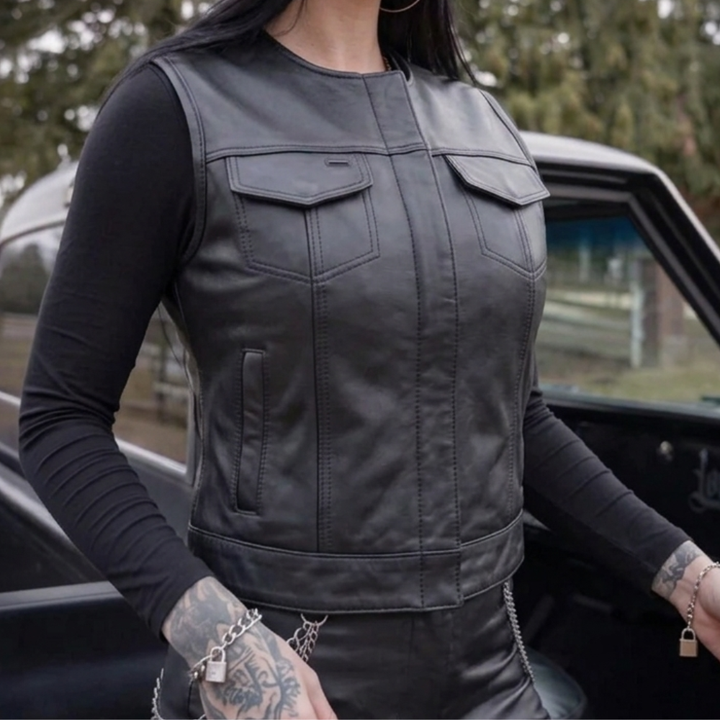


Horsehide leather was the hide American riders were raised on. Denser and more tightly grained than cowhide, it shrugged off wind and weather, outwore everything else in the closet, and aged into a gloss no other leather could match. This is the story of how horsehide rose with American work and war, nearly vanished with the working horse, and survives today in gear like the BECK vests Legendary USA still sells.
The Working Hide of a Working Country

In the first decades of the twentieth century, the horse was American infrastructure — it plowed fields, hauled freight, and pulled the milk wagon. That meant hides, and tanneries put them to work. Horsehide went into work boots, mitts, jackets, and the gear of men who spent their days outdoors, because it did what work leather has to do: resist abrasion, shed weather, and hold together year after year.
The hide's character comes from its density. Horsehide fibers pack tighter than cowhide's, so the leather starts stiff — famously stiff — and gives ground slowly. What a wearer gets in exchange is a hide that molds precisely to one body, wears slick and glossy at the stress points, and keeps going long after softer leather has quit. Early motorcyclists, riding open machines through wind, grit, and rain, took to it for exactly those reasons.
War Service: Horsehide Earns Its Legend
Horsehide's reputation was sealed at altitude. When the Army Air Forces issued the A-2 flight jacket, many of them were cut from horsehide — a dense, wind-stopping hide that could take the abuse of a cockpit and a flight line. The pilots who wore those jackets over Europe and the Pacific brought them home, and the jackets kept working for decades. A hide that could do that didn't need advertising. Cockpit USA still builds horsehide A-2 jackets in the USA to that tradition, and we covered the jacket's full story in our military flight jacket guides.
The Decline: When the Horses Left
What nearly killed horsehide wasn't a better leather. It was the tractor. As machines replaced working horses through the 1940s and 1950s, America's horse population collapsed, and the steady supply of hides that had fed the tanneries collapsed with it. Cowhide — abundant wherever people ate beef, cheaper to buy, easier to process at industrial scale — took over the gear business almost completely.
Horsehide became what it remains today: a specialty hide, handled by fewer tanneries, at real cost. Most riders went years without ever handling a piece of it. The riders who had it, kept it — which tells you most of what you need to know.
Horsehide vs Cowhide: Why the Old-Timers Argued
The comparison is simple and honest. Cowhide is the practical hide: softer sooner, easier to find, easier on the wallet, and plenty durable for a lifetime of riding if you care for it. Horsehide is the patient rider's hide: stiffer for the first season, costlier, and then — once it has molded to you — denser against wind, tougher against wear, and aging into a patina cowhide can't reach. Neither choice is wrong. One is comfort now; the other is character later. We break the decision down in detail in horsehide vs cowhide.
Where the Tradition Lives Now
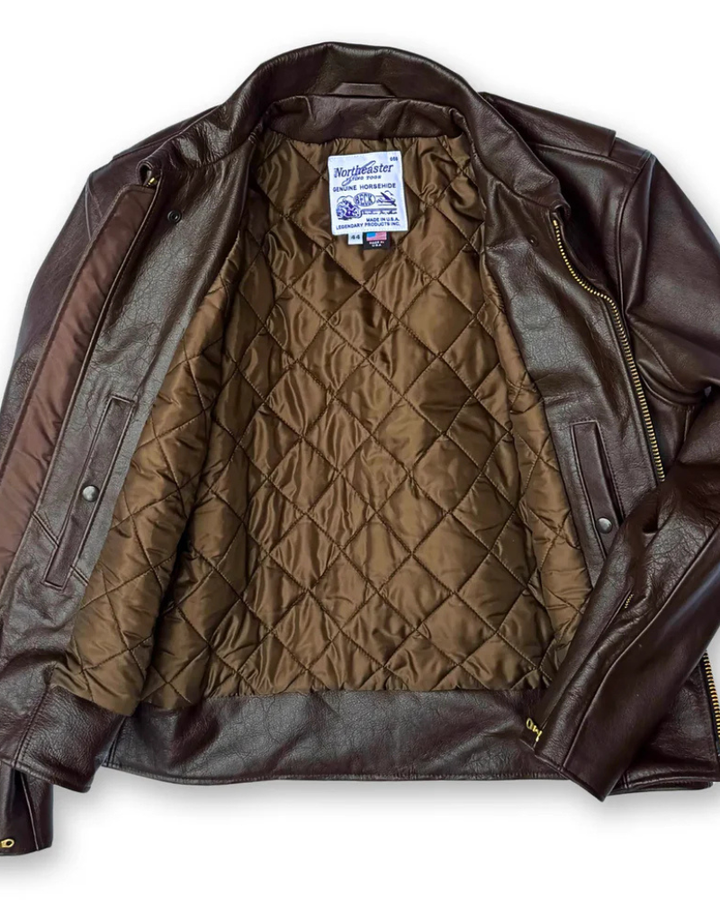
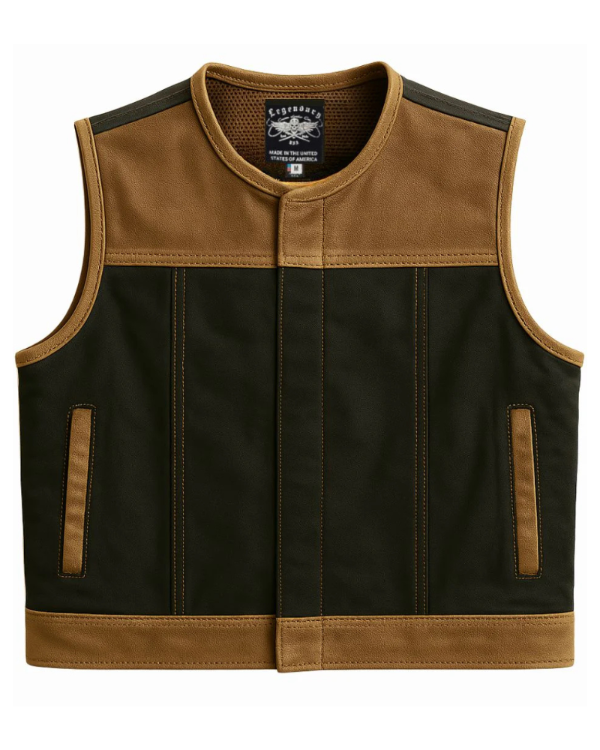
Horsehide riding gear never became nostalgia — it just became rare. BECK horsehide vests, like the BECK 588 Horsehide Motorcycle Vest, are still cut from dense horsehide and built in the USA the traditional way: heavy hide, heavy stitching, a break-in measured in seasons, and a working life measured in decades. How they stack up against the rest of the field is its own story — see BECK horsehide jackets vs other horsehide jackets — and the full range of American-built leather is in our USA-made motorcycle vest collection.
Frequently Asked Questions
- What is horsehide leather?
- Horsehide is leather tanned from horse hides. Its fibers are packed more densely than cowhide's, which makes it stiffer out of the box, more resistant to abrasion and moisture, and slower to break in. As it ages, horsehide develops a hard-won gloss and molds to its wearer in a way riders prize. It was a standard hide for American work and riding gear through the first half of the twentieth century.
- Why was horsehide used in WWII flight jackets?
- Horsehide offered the combination military contractors needed: dense grain that resisted wind, abrasion, and weather, in a hide that was widely available in pre-war America. Many A-2 flight jackets issued to Army Air Forces pilots were cut from horsehide, and the jacket's reputation for toughness is part of why the hide still carries mystique today. Cockpit USA continues to make horsehide A-2 jackets in the USA.
- Why did horsehide become rare?
- The supply dried up. As tractors and automobiles replaced working horses through the mid-twentieth century, American horse populations fell sharply, and the steady stream of hides that fed tanneries fell with them. Cowhide — abundant, cheaper, and easier to process at scale — took over gear manufacturing. Horsehide never disappeared, but it became a specialty hide handled by fewer tanneries at higher cost.
- Is horsehide better than cowhide for motorcycle gear?
- Horsehide is denser, more weather-resistant, and longer-wearing; cowhide is softer sooner, more available, and less expensive. A horsehide vest starts stiff and takes a season of riding to mold to you, then outlasts nearly anything else in your closet. Cowhide reaches comfort in weeks. Neither is simply better — horsehide is the patient rider's hide, cowhide the practical one.
- Who still makes horsehide motorcycle gear in the USA?
- American horsehide riding gear survives with a handful of makers. Legendary USA carries BECK horsehide motorcycle vests and jackets — including the BECK 566 and 588 vests and the 666 distressed horsehide jacket — along with Cockpit USA horsehide A-2 flight jackets, all made in the USA. These pieces are built the traditional way: dense hide, heavy stitching, and a break-in measured in seasons rather than days.
The Bottom Line
Horsehide earned its place in American riding the hard way — on wagon seats, flight lines, and highways — and lost its dominance to nothing more dramatic than the tractor. The hide itself never stopped being what it was: dense, weatherproof, stubborn, and better at fifty years old than at five. Riders who put a season into breaking in a horsehide vest join a line that runs straight back through the A-2 pilots to the working men who wore this leather first. Some traditions survive because somebody keeps building them. This one does.