

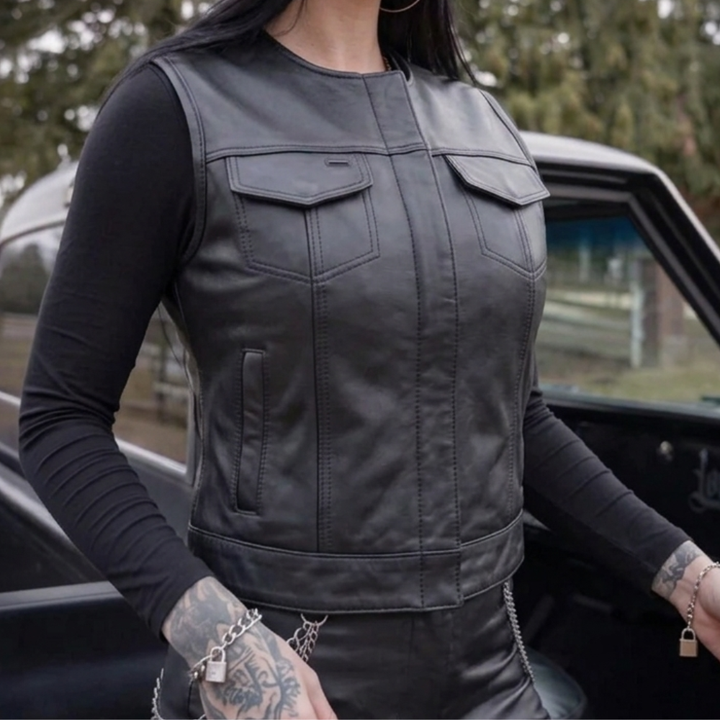
Horsehide Motorcycle Vests: The Heritage Behind the Leather
Horsehide is one of the oldest leathers in American riding history. Before cowhide dominated the market, horsehide outfitted military aviators, working tradesmen, and the first generation of motorcycle riders. It is denser, tighter-grained, and more abrasion-resistant than most cowhide — and it is significantly harder to find today. Here's where horsehide comes from, why it matters in motorcycle vests, and what makes it different from the leather that replaced it.
What Is Horsehide Leather?
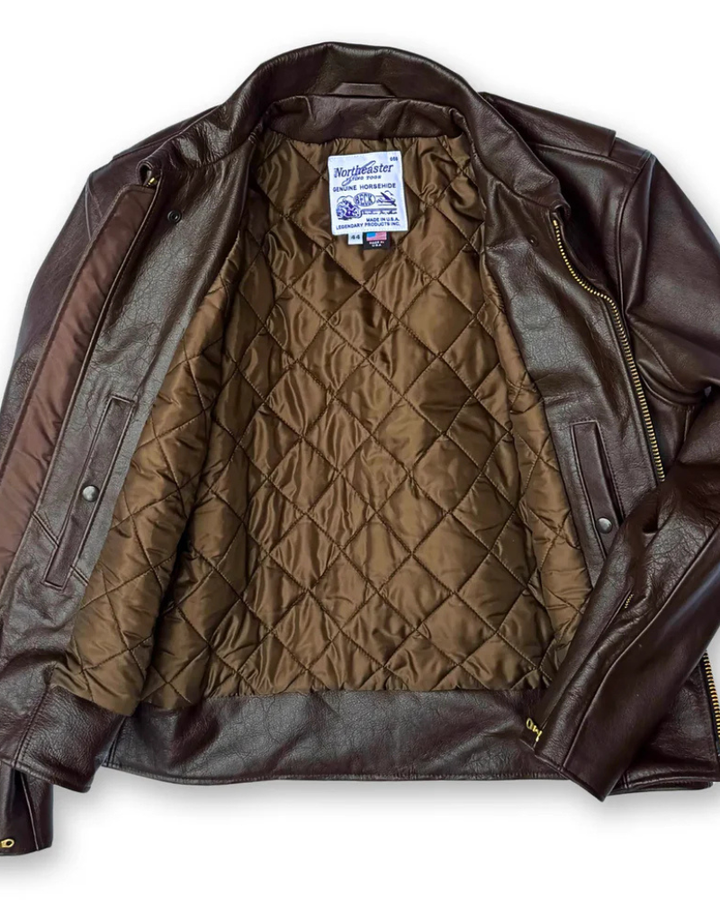
Horsehide is leather tanned from the hide of horses. The grain is tighter and denser than cowhide, which gives the finished leather exceptional abrasion resistance and a distinctive surface character. Horsehide does not stretch as much as cowhide under stress, which means it holds its shape well over years of hard use.
One defining characteristic of horsehide is how it ages. New horsehide is stiff — stiffer than most riders expect — and the break-in period is longer than cowhide. But once it softens and conforms to the wearer's body, the patina it develops is distinctive: a deep, rich surface that tells the story of miles ridden and gear worn. That characteristic aging is part of why horsehide has maintained its reputation among serious riders and gear collectors long after cowhide became the commercial standard.
Horsehide in American Riding History
The early American motorcycle gear market leaned heavily on horsehide. When riders in the 1910s, 1920s, and 1930s needed clothing tough enough for the road, horsehide was a natural choice. It resisted abrasion, wind, and the elements better than wool, canvas, or soft cowhide. The American work and military gear industries were already producing horsehide gloves, boots, and jackets — the infrastructure to produce quality riding gear was already in place.
Military aviation gear of the same era — the A-2 flight jackets, the B-3 bombers, the early G-1s — also leaned on horsehide and related heavy leathers for the same reasons. American servicemen and American riders shared a common gear vocabulary built around tough, American-tanned leather that could take punishment and last for years.
As the mid-20th century progressed, cowhide production scaled up dramatically. Cowhide was more available, easier to work with in large commercial runs, and cheaper to produce. The motorcycle gear market gradually shifted. By the 1960s and 1970s, most production motorcycle clothing was cowhide. Horsehide became a specialty item — still prized by those who knew it, but no longer the standard.
Why Horsehide Vests Are Harder to Find Today
The reason horsehide is rare today is straightforward: there are fewer horses. Horsehide is a byproduct of the horse industry. As working horses were replaced by machines through the 20th century, horse populations declined sharply in the US and Europe. Fewer horses means fewer hides. The tanning process for horsehide is also more labor-intensive than cowhide, adding cost at every step.
The result is that genuine horsehide motorcycle gear — when you find it — commands a premium price. This is not marketing. It reflects the actual supply constraint and tanning cost. A manufacturer who commits to horsehide for their production line is making a deliberate choice to work with a material that is harder to source and more expensive to process. That commitment usually reflects a certain seriousness about the product.
What Sets Horsehide Apart from Cowhide in a Vest
When comparing horsehide and cowhide in a motorcycle vest, several differences stand out in use:
Grain density. Horsehide has a tighter, finer grain than most cowhide. This makes it more resistant to abrasion and gives it a smoother initial surface. Under the same riding conditions, horsehide tends to show less surface wear over time.
Break-in time. Horsehide is stiff when new. A horsehide vest may take a full riding season to reach the point where it feels fully broken in. Cowhide vests typically soften within a few weeks of regular wear. Riders who want a gear item that's comfortable from day one often prefer cowhide. Riders who are willing to invest in the break-in process tend to report that horsehide rewards that patience.
Patina. Horsehide ages differently than cowhide. The patina that develops on horsehide — the creases, the depth of color, the way it takes on the shape of the rider — is considered by many riders and collectors to be more distinctive than cowhide. This is a subjective preference, but it is a consistent one among experienced riders.
Shape retention. Because horsehide is denser and stretches less, a horsehide vest tends to retain its cut and structure longer than a comparable cowhide vest of the same weight. The vest holds its shape through years of use rather than gradually sagging or losing its form.
For riders interested in the tradition of American leather riding gear, the full range of American-made motorcycle vests at Legendary USA represents that heritage in every piece. All Legendary USA gear is built in the USA.
Horsehide and the 25-Year Legendary USA Standard
Legendary USA has been building American motorcycle gear since 2001. In 25 years of working with riders and leather, the consistent feedback on horsehide is the same: it takes longer to break in, it costs more, and riders who own it rarely want to go back to cowhide. The material earns its reputation through use, not marketing. That's the only standard that matters to a rider who puts real miles on their gear.
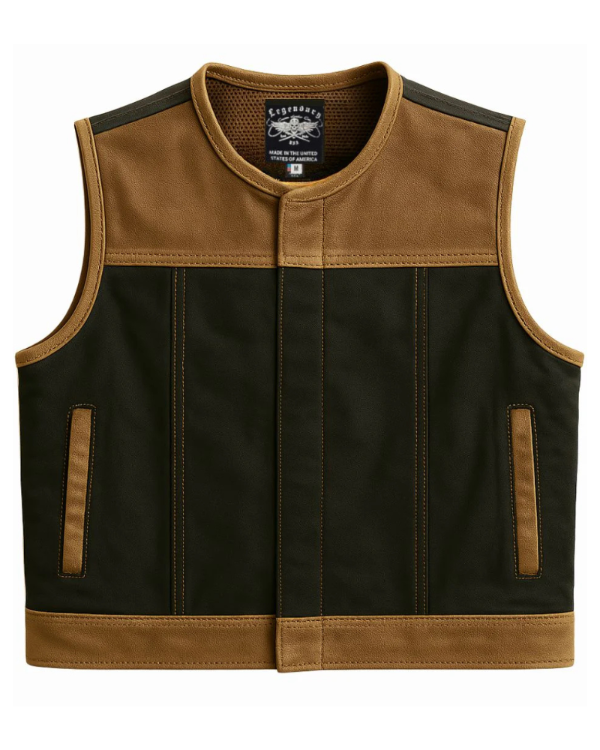
Whether you're looking for a traditional vest in cowhide or exploring horsehide options, the Legendary Black Jack Lightweight Motorcycle Vest is a good starting point to understand the construction standards Legendary USA builds toward. And if you're comparing leathers across different gear categories, the deerskin vs. cowhide breakdown in our gloves guide covers how different American hides behave across all types of riding gear.
Frequently Asked Questions
- What is horsehide leather?
Horsehide is leather made from the hide of horses. It is denser and tighter-grained than most cowhide, which gives it exceptional abrasion resistance and a distinctive surface that develops a deep patina over time. Horsehide was widely used in American work gear, military gear, and motorcycle clothing through the mid-20th century before cowhide became the dominant commercial leather.
- Why was horsehide used in early motorcycle gear?
Horsehide was one of the most durable leathers available to early American manufacturers. Its tight grain resisted abrasion and wind penetration better than many alternatives, and it was widely available before synthetic materials existed. Early motorcycle riders, military aviators, and working tradesmen all relied on horsehide for its toughness and longevity.
- How does horsehide compare to cowhide in motorcycle vests?
Horsehide is generally denser, tighter-grained, and more abrasion-resistant than cowhide. It holds its shape well over years of wear and develops a distinctive patina many riders find more character-rich than cowhide. The trade-off is that horsehide breaks in more slowly and is more expensive due to limited supply. Cowhide is more available, easier to work with, and comes in a wider range of finishes.
- Why is horsehide leather harder to find today?
Horsehide is a byproduct of the horse industry, which has declined significantly compared to its peak in the early 20th century. Fewer working horses means fewer hides available for tanning. The tanning process for horsehide is also more involved than for cowhide. These factors make horsehide significantly more expensive and limited in supply, which is why most modern motorcycle gear is made from cowhide instead.
- Does horsehide break in like cowhide?
Horsehide breaks in more slowly than cowhide due to its denser grain structure. A horsehide vest or jacket will feel quite stiff out of the box and may take a full riding season to soften and conform to your body. The payoff is that once broken in, horsehide conforms exceptionally well and the patina it develops is richer and more character-forward than most cowhide leathers.
- Is horsehide better than cowhide for motorcycle riding?
Horsehide is not objectively better, but it offers specific advantages. Its tight grain provides excellent abrasion resistance and it holds up extremely well to long-term wear. Cowhide is more available, more affordable, breaks in faster, and comes in more style options. Riders who prioritize long-term durability and a distinctive patina tend to prefer horsehide; riders who want faster break-in and more variety tend to choose cowhide.
Leather That Earns Its Reputation on the Road
Horsehide didn't build its reputation in gear shops or catalogs. It built it on the road, in the cockpits of military aircraft, and in the hands of American workers who needed gear that would last. That history is real, the material differences are real, and the premium price reflects real scarcity. If you find a horsehide motorcycle vest that fits and is built well, it will likely outlast every synthetic alternative and most cowhide gear in your collection. That's not a marketing claim — that's what riders who wear it consistently report after years of use.