



Leather Motorcycle Glove Care: A Buyer's Guide to Keeping American-Made Gloves in Top Condition
American-made leather motorcycle gloves are built to last — but only if you take care of them. Deerskin softens and molds to your hand over time. Goatskin holds up under daily friction. Cowhide forms a tough outer shell that sheds wind and light abrasion. Each leather type rewards regular maintenance and punishes neglect in its own way. This guide covers what you need to know about leather motorcycle glove care so your investment stays functional, comfortable, and road-ready.
Why Leather Glove Care Matters More Than Most Riders Think
Leather is a natural material. It has moisture, oils, and fiber structures that keep it pliable and strong. When those are depleted — by sun, sweat, road salt, or just time — leather stiffens, cracks, and loses grip on seams. A pair of gloves that cost real money and fit perfectly after break-in can be ruined by a single season of neglect. That's not a scare tactic; it's the practical reality of working with natural hide.
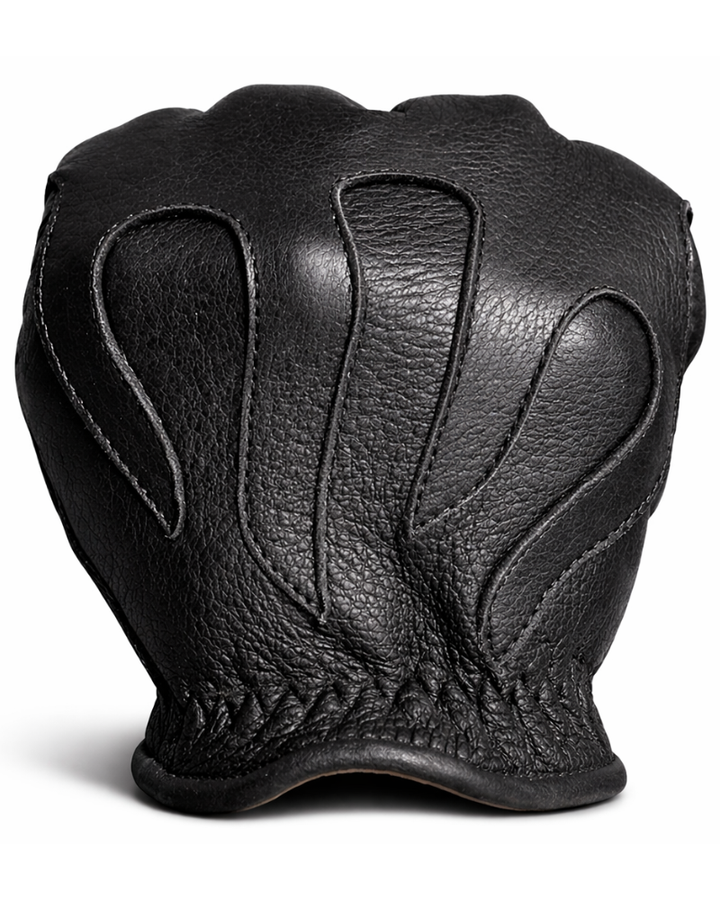
The good news: leather glove maintenance isn't complicated. It takes maybe 10 minutes every few months, longer if you've been riding hard in wet or cold conditions. If you own the Ill Dozer perforated deerskin gloves or something similar from our American-made lineup, that small time investment keeps them performing the way they're supposed to for years.
Understanding Your Leather Type Before You Start
Not all leather conditioners work the same on every hide. Matching your conditioner to your leather is the first step in proper glove care.
Deerskin
Deerskin is the softest and most permeable of the common motorcycle glove leathers. It absorbs conditioner quickly, which is both an advantage and a risk. Apply too much product and you'll oversaturate the hide, leaving it greasy and weakening the fiber structure over time. Light, frequent conditioning works better than heavy, infrequent applications. Deerskin is also more prone to water spotting than goatskin — blot moisture quickly and let the gloves dry naturally before conditioning.
Goatskin
Goatskin is denser and more tightly grained than deerskin. It resists water and abrasion better out of the box, and it doesn't absorb conditioner as fast. That means you can use slightly heavier conditioners without worrying as much about oversaturation. The Bad Billy goatskin gloves have a durable, close-grained surface that takes conditioning well and holds its color over time with regular care.
Cowhide
Cowhide is the most forgiving of the three when it comes to conditioning frequency. It's thicker and stiffer at first, and it benefits from conditioning during break-in as well as routine maintenance. Full-grain cowhide can handle beeswax-based conditioners and heavier products that would be too aggressive on softer hides.
What to Use: Conditioners, Oils, and What to Avoid
The conditioner market for leather is large and often confusing. Here's a simple framework for motorcycle gloves specifically.
Recommended Products
Leather conditioners with lanolin or beeswax as the primary ingredient are the safest choice for most motorcycle glove leather. They restore moisture without over-softening the grain structure. Neatsfoot oil works well on cowhide but should be used sparingly on deerskin — it can make the leather too soft and reduce its natural grip. Mink oil is serviceable but darkens leather more than most riders want, especially on natural tan finishes.
What to Avoid
Silicone-based products seal the surface and prevent the leather from breathing — they create a short-term shine at the cost of long-term hide health. Petroleum-based products like WD-40 or chain lube should never touch your gloves. Dish soap and saddle soap work for cleaning but will strip oils if used without conditioning afterward. Never put leather gloves in the dryer or use a heat gun to speed drying — that degrades the fibers fast.
Step-by-Step: How to Clean and Condition Leather Motorcycle Gloves
This process applies to most full-grain and top-grain leather gloves. Do this at the start of riding season, at the end, and any time the leather starts to look or feel dry.
Step 1: Remove Surface Dirt
Use a lightly damp cloth to wipe down the exterior of the glove. For deeper grime — road tar, bug splatter, dried sweat — a small amount of leather cleaner on a cloth works well. Work in small circles and don't saturate the leather. Let the gloves air dry completely before moving to conditioning. This might take 30–60 minutes depending on humidity.
Step 2: Apply Conditioner
Use a clean cloth or applicator pad — not your bare hands, which add skin oils that can interfere with absorption. Apply a thin, even coat of conditioner to the entire exterior surface. Work it into the seam areas, the knuckle zones, and the cuff. Use less product than you think you need. You can always add a second thin coat; you can't remove an over-applied one easily.
Step 3: Let It Absorb
Give the conditioner 15–30 minutes to soak in. The leather should look slightly richer or darker. If it still looks dry in spots, apply a second thin coat only to those areas. Don't rush this step by using heat.
Step 4: Buff Off the Excess
Use a clean dry cloth to buff off any remaining surface conditioner. This prevents the gloves from feeling greasy during your next ride and keeps them from picking up dust and debris.
Dealing with Wet Gloves: What to Do After a Rain Ride
Wet leather that dries improperly is one of the fastest ways to destroy a pair of gloves. If your gloves get soaked — whether from rain, a stream crossing, or just heavy sweat — follow this process.
First, shake out excess water but do not wring or twist the leather. Stuff the gloves loosely with newspaper or a dry cloth to help them hold their shape while drying. Set them in a dry spot at room temperature — not in direct sunlight, not near a heat vent, and not in a wet gear bag. Let them dry completely over 12–24 hours. Once dry, condition them. Wet-then-dried leather almost always needs conditioning immediately to prevent stiffening.
If you're riding in wet conditions regularly, a light application of a water-repellent leather treatment (not a waterproof sealer) applied a few times per season can reduce how much water the hide absorbs. This works better on goatskin and cowhide than on deerskin, which is more permeable by nature. Browse our full lineup of men's USA-made motorcycle gloves to see which materials best match your riding conditions.
Storing Leather Gloves Between Riding Seasons
If you're putting your gloves away for the winter, do a full clean-and-condition cycle first. Store them in a cool, dry place out of direct sunlight — a breathable cloth bag works better than a sealed plastic bag, which traps moisture and can encourage mildew. Don't stack heavy gear on top of them; flat storage or hanging is better for maintaining glove shape.
Bring them out in spring, check for any spots that dried out further in storage, condition lightly if needed, and they should be ready to ride. For riders who put serious miles on deerskin gloves like the ventilated deerskin short-wrist gloves, a mid-season conditioning pass is worth doing even if you ride through warmer months.
When to Replace Instead of Repair
Good leather care extends glove life, but it doesn't make leather immortal. Watch for these signs that a pair is past maintenance and into replacement territory: seam separation that has spread past the palm or finger junctions, leather that has cracked through the grain (not just surface checking), palm zones worn down to the backing material, or any structural failure in wrist closures and buckles that can't be repaired. If you're using gloves from a domestic maker with a warranty or repair program, contact them first — good American gloves are often worth repairing rather than replacing outright.
For a broader look at how American-made gloves are built to take this kind of long-term use, the post on the best deerskin motorcycle gloves made in the USA covers construction quality and what separates durable domestic gloves from cheaper alternatives.
The Short Version
Leather motorcycle glove care comes down to three habits: clean off road grime before it sets, condition the hide before it dries out, and dry wet gloves slowly at room temperature. Do those three things on a reasonable schedule and a quality pair of American-made gloves will outlast several pairs of cheaper alternatives. The leather in your gloves was built to last — the maintenance is what keeps that promise.