

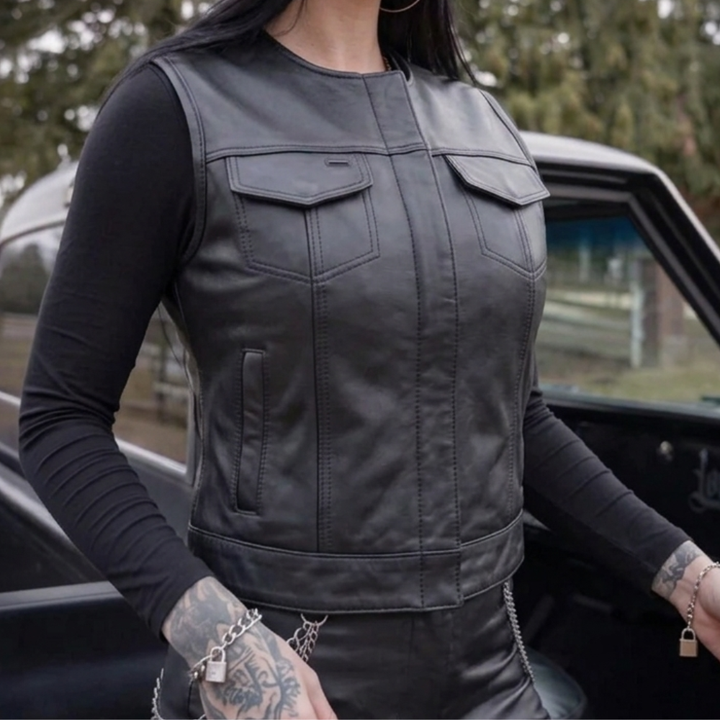


A multi-day motorcycle ride needs two pairs of gloves, a vest layer you can add or shed at a fuel stop, a small leather care kit, and far fewer street clothes than most riders pack. The gear that fails on long trips is almost never the expensive stuff. It is the single pair of gloves that got soaked on day two and never dried, and the one heavy jacket that was wrong at 6 a.m. and wrong again at 2 p.m.
This is the checklist Legendary USA builds around for riders heading out on rally week, a week-long tour, or any trip where you are living out of a saddlebag. It is organized by what actually goes wrong on the road, not by what looks good in a packing photo.
The short version: what to pack

Here is the whole list before we get into why.
- Two pairs of riding gloves, one warm-weather and one cooler-weather
- A vest layer that works over a shirt and under a jacket
- One long-sleeve base layer, even in August
- A wind or rain shell that packs down small
- A small tin of leather conditioner and a clean cloth
- Newspaper or paper towels for drying wet gloves and boots
- Eye protection for both day and night
- Fewer street clothes than you think
Everything below explains the reasoning, because the reasoning is what lets you adapt the list to your own trip.
Gloves: bring two pairs, not one
Two pairs of gloves is the most useful change most riders can make to how they pack. A multi-day ride crosses a wide temperature band — a 6 a.m. departure in the 50s and a 2 p.m. stretch in the 90s can happen on the same tank of fuel. One glove cannot cover that range honestly.
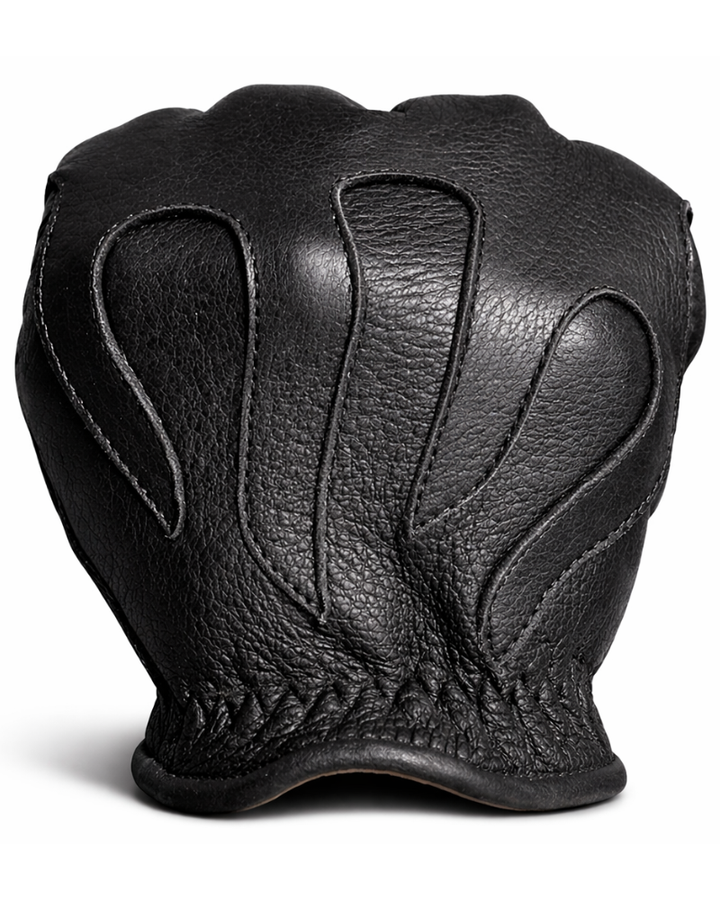
The warm-weather pair should move air. The Legendary ILL Dozer perforated short-wrist deerskin gloves are built for exactly this job: perforated deerskin across the back of the hand for airflow, outseam construction so the seams sit on the outside instead of pressing into your fingers over long hours on the bars. Outseam matters more on a five-day trip than on a Sunday ride, because inseam pressure points that you barely notice in an hour become hot spots by hour six.
The deerskin short-wrist ventilated gloves are the other side of the same idea, using open ventilation panels rather than perforated hide. Perforated leather keeps more continuous coverage across the hand. Ventilated panels generally move more air. Neither is a cold-weather glove, and both are honest about that.
The second pair is your morning and weather glove. A solid, unperforated pair in black goatskin, like the Bad Billy short-wrist, blocks wind that perforated leather lets straight through. Goatskin is naturally more abrasion-resistant than deerskin and holds its shape well, though it does not feel as soft in the hand from day one. Deerskin is the softer, more forgiving hide. Goatskin is the tougher one. On a long trip there is a real argument for carrying one of each.
The practical payoff of two pairs is drying time. Leather gloves that get rained on need a full night at room temperature to dry properly, and if they are your only pair you will put them on damp the next morning. Rotating pairs means each one gets a real rest. If you are unsure about fit before you buy, our motorcycle glove sizing guide walks through measuring your hand and what snug should actually feel like.
The vest layer earns its space
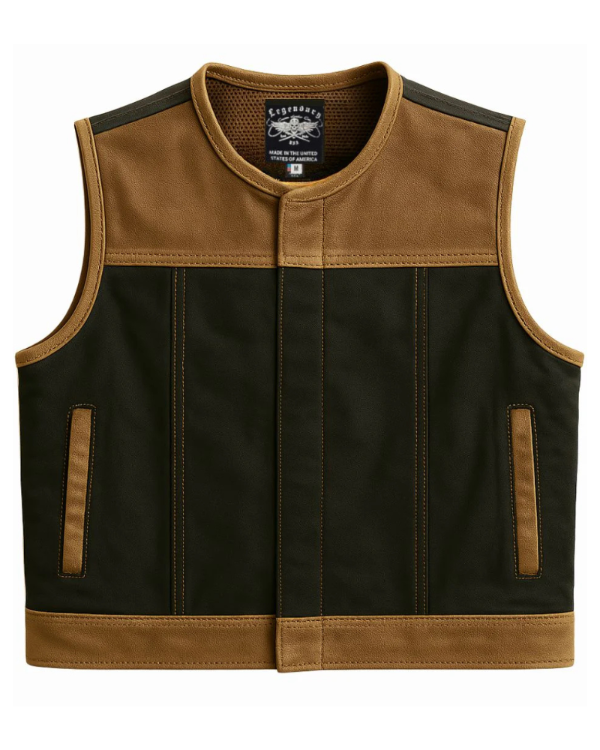
A vest is the most efficient layer in a saddlebag because it adds core warmth without adding bulk at the shoulders or restricting your reach to the bars. On a multi-day ride it does three jobs: it cuts chest wind in the morning, it carries your patches, and it packs flatter than a second jacket.
A lightweight vest like the Black Jack lightweight motorcycle vest is the version that makes sense for hot-weather touring, where a heavy leather vest is more than the day calls for. Denim options such as the Revolution denim motorcycle vest breathe well and shrug off road dust. Browse the full range of USA-made motorcycle vests to match the weight to your route.
The honest tradeoff: a vest does nothing for your arms. It is a core layer and a patch platform, not weather protection from the elbow down. Pair it with a long-sleeve shirt or a jacket depending on the forecast.
Layering for the temperature swing
Pack thin layers you can stack, not one thick thing. The temperature range on a single riding day in August routinely spans 40 degrees. A base long-sleeve, a vest, and a packable wind shell cover that entire range in three pieces that together take less saddlebag space than one heavy jacket.
The order that works: base layer against the skin, vest over it for core warmth, wind shell outermost when it is cold or wet. Peel outward as the day heats up. Every layer should come off without unpacking anything else, because if it is a hassle you will not stop to do it, and riding overheated is how people get careless.
A leather care kit that fits in a jacket pocket
Leather takes more abuse in five days on the road than in three months of weekend riding. Sun bakes it, wind pulls moisture out of it, and rain soaks it. A small tin of conditioner and a clean cloth is enough to keep gloves and vest from drying out mid-trip.
Apply a thin coat every few days, and always after a day that ended wet. Thin is the operative word — a heavy coat sits on the surface, attracts road grit, and can leave leather feeling greasy rather than supple. If gear does get soaked, stuff gloves with paper and let them dry slowly at room temperature. Never use a heater, a hair dryer, or direct sun, all of which stiffen and crack leather. Our guide to packing leather gear for a rally covers the packing side of this in more detail.
What most riders overpack
Riders overpack street clothes and underpack layers. Five civilian outfits and one jacket is the classic mistake, and it produces a trip where you are cold every morning and overheated every afternoon while carrying clothes you never wear.
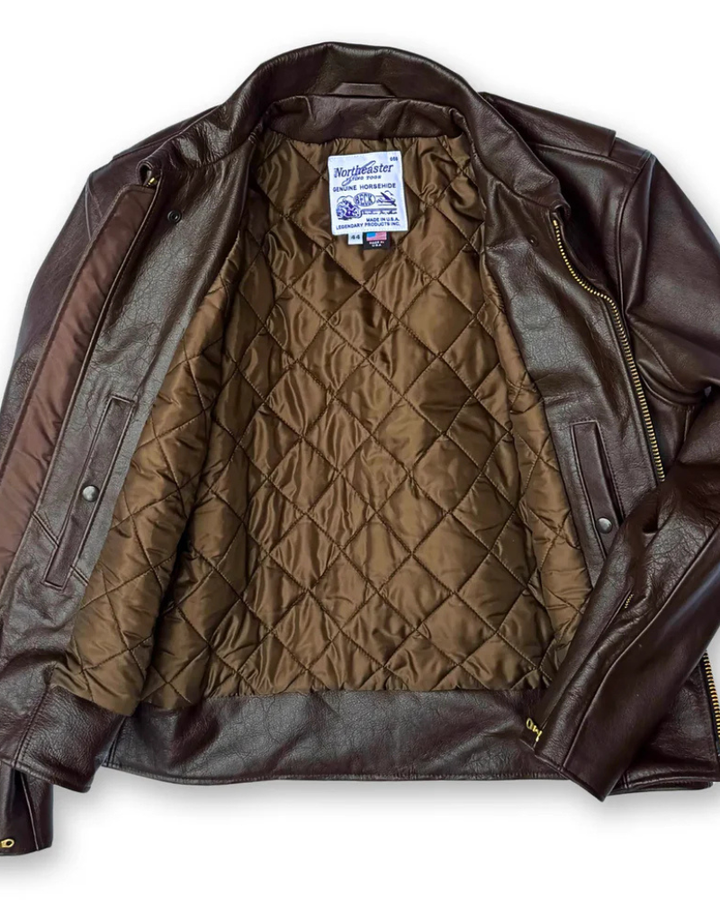
The other common overpack is redundant heavy leather. Two leather jackets is almost never the right call. One jacket plus a vest covers more range and weighs less. And unless you are riding into genuine cold, a heavy insulated glove is dead weight in August — the gloves that work best for Sturgis week are the ones that breathe.
Break everything in before you leave
Nothing on this list should be brand new on day one. Leather gloves need two to three weeks of regular riding to soften and take the shape of your hand. A new vest needs a few rides to sit right over your shoulders. Boots need longer than either.
New gear on a long trip turns a small fit issue into a five-day problem you cannot escape. Order early, wear it locally, and let the leather do its work before the miles start counting. Legendary USA has been selling gear to riders since 2001, and the most common thing we hear after a rough trip is that the gear was fine — it just never got worn in.
Frequently asked questions
- How many pairs of gloves should I bring on a multi-day motorcycle ride?
- Bring two pairs. One perforated or ventilated pair for hot afternoon miles, and one unlined or lined pair for cold mornings and evening rain. A single pair has to do everything, and if it gets soaked on day two you ride the rest of the trip in wet leather. Two pairs also let each one dry fully overnight, which is the single biggest factor in how long riding gloves last on a long trip.
- What is the difference between perforated and ventilated motorcycle gloves?
- Perforated gloves have small holes punched through the leather panels, usually across the back of the hand, so air moves through the hide itself. Ventilated gloves use open panels, gussets, or mesh sections to move air. Perforated leather keeps more coverage across the whole hand. Ventilated designs usually move more air but leave more of the glove open. Both run cooler than solid leather, and neither is a cold-weather glove.
- How do I keep leather gear from drying out on a long motorcycle trip?
- Carry a small tin of leather conditioner and apply a thin coat every few days, or after any day the gear got soaked or spent hours in direct sun. Sun, wind, and rain all pull moisture out of leather faster on the road than in your closet. Never dry wet leather on a heater, in direct sun, or with a hair dryer. Stuff the gloves with paper, keep them at room temperature, and let them dry slowly overnight.
- Should I break in new motorcycle gloves before a long ride?
- Yes. Break new leather gloves in for at least two to three weeks of regular riding before a multi-day trip. New deerskin and goatskin both soften and mold to your hand, but that process is uncomfortable if it happens on day one of a 500-mile day. Wear them on short local rides, grip the bars, and let them take the shape of your hand before you leave. Never start a long trip in gloves you have not worn.
- What do riders most often overpack for a multi-day ride?
- Riders overpack street clothes and underpack layers. Most people bring five days of civilian outfits and one jacket, then spend the trip cold in the morning and overheated at noon. Flip it. Bring fewer changes of clothes and more thin layers you can add and remove at a fuel stop. A vest, a long-sleeve shirt, and a wind layer cover a wider temperature range than a single heavy jacket does.
- Are fingerless gloves a good choice for long-distance riding?
- Fingerless gloves are comfortable and cool for short summer runs, but they are a poor only-pair choice for a multi-day trip. They leave your fingers exposed to sun, wind, and weather for hours at a time, and sunburned knuckles on day one make days two through five miserable. Many riders carry a fingerless pair as a second option for around-town riding at the rally and run full-finger gloves for the long highway miles.
The bottom line
A good multi-day packing list is short, broken in, and built around layers rather than single heavy pieces. Two pairs of gloves, a vest, a base layer, a wind shell, and a small care kit will carry you through a week of riding across a wide range of weather. Everything past that is comfort, and comfort you can buy on the road. Gear that fits and has already taken the shape of your hands is the part you have to bring with you.