


A squadron patch on a WWII A-2 flight jacket told everyone on the flight line which unit a man flew with, and a back patch on a riding vest does the same job on the road. Both turn a piece of leather into a record of who you stand with. On Veterans Day, that shared habit is worth a closer look.
Why November 11 matters

Veterans Day falls on November 11 because the armistice that ended the fighting of the First World War took effect at the eleventh hour of the eleventh day of the eleventh month of 1918. Congress made November 11 a legal holiday in 1938 as Armistice Day. In 1954 the word Armistice was replaced with Veterans, and the day became one to honor American veterans of all wars.
That change matters for this story. The men who wore A-2 jackets in the Second World War were the veterans the new name was meant to include, and many of them came home and kept riding, working and wearing leather.
The squadron patch on the A-2
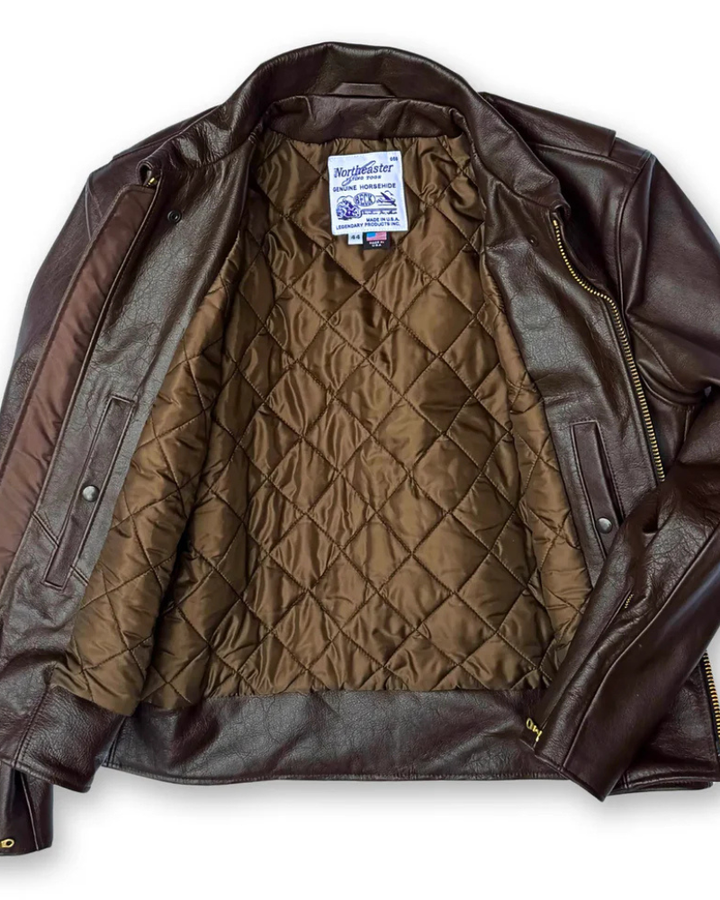
The A-2 was the Army Air Forces' leather flight jacket through the Second World War, a plain brown jacket with a knit waistband, knit cuffs and a snap-down collar. Plain did not last. Aircrews added leather name tags, sewed squadron insignia to the chest and shoulders, and painted the backs with aircraft art and mission markers.
Those additions were not decoration for its own sake. A patch said which unit you belonged to, a painted back said which aircraft you crewed, and the jacket became a personal record that went home with the man. That is a large part of why surviving A-2s are studied and collected today.
The blood chit
Some aircrews carried a blood chit, a cloth panel printed with a flag and a message asking local people to help a downed American flyer. Pilots of the American Volunteer Group in China, the Flying Tigers, are the best-known example, and the chit was often sewn to the back of the jacket. The Cockpit USA Flying Tigers Horsehide A-2 carries a blood chit patch and flags on its back panel in that tradition.
Patches on reproduction jackets are tributes, not earned insignia. The Cockpit USA Tokyo Raiders Horsehide A-2 wears an embroidered squadron patch on the chest the same way, and it should be worn as a nod to the men who flew, not as a claim to their record.
From the flight line to the riding vest
After the war, the habit of wearing your group on your leather showed up again on American motorcycles. Riders sewed club names, rockers and emblems to the backs of vests and jackets, and the back panel became the place where a rider said who he rode with. The parallel to a painted A-2 back is easy to see, even if no single line connects them.
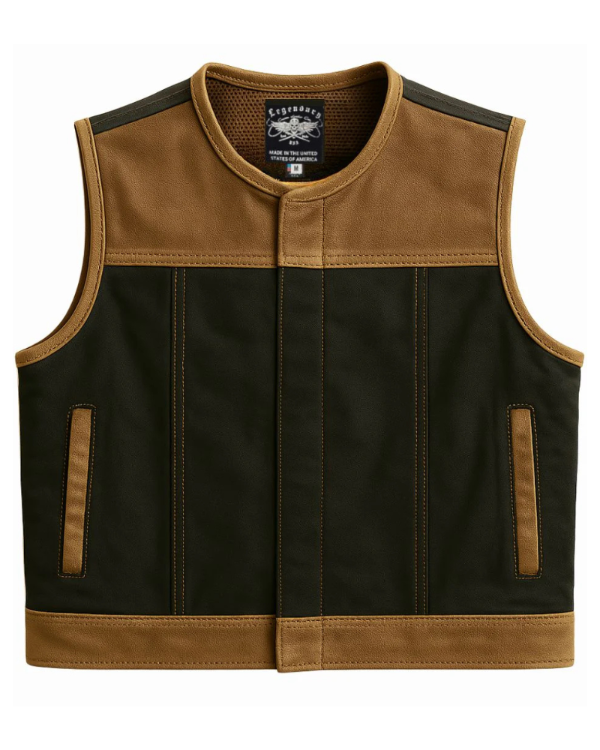
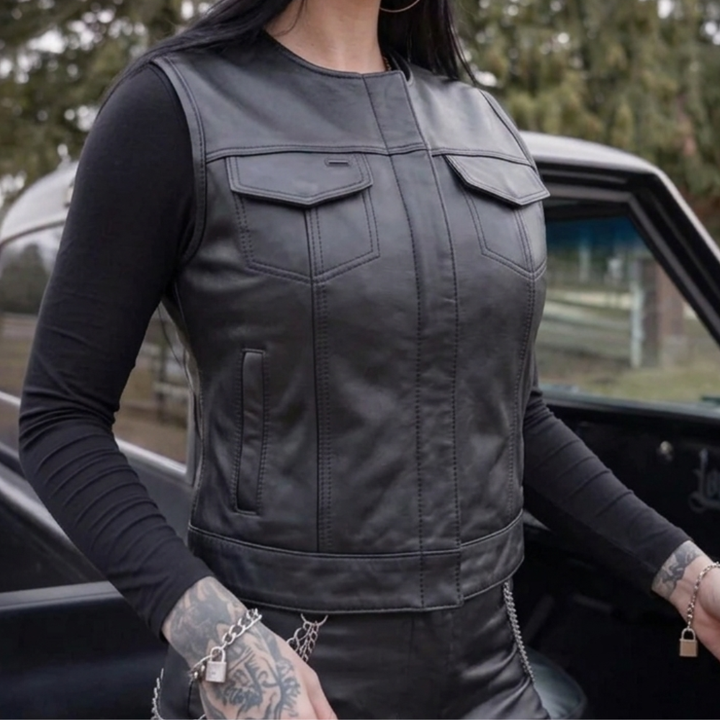
That is why patch-minded riders care about the back of a vest. A vest like the Legendary Outlaw Leather Motorcycle Vest is built with a one-piece back panel so a large patch sits flat without a seam running through it. The squadron patch and the back patch ask the same thing of the leather: give the insignia a clean place to live.
The rule both traditions share
Both traditions run on one rule. You wear what you earned or what you were given the right to wear. A unit patch belonged to the men in that unit, and club colors belong to the members of that club.
For veterans who ride, that rule is familiar from service. For riders who did not serve, it is the honest line to follow on Veterans Day and every other day: honor the insignia, and do not wear a record that is not yours.
The A-2 story is told in full in our post on the A-2 flight jacket and American military heritage, and veterans who ride picks up the thread after the war. To see current A-2 cuts, browse the A-2 leather flight jackets.
A squadron patch and a back patch are the same idea in two eras. Each one turns plain leather into a statement of belonging, and each one carries a duty to wear it honestly. On November 11, that is worth remembering every time you zip up.
For the history of the holiday itself, the U.S. Department of Veterans Affairs publishes a history of Veterans Day.
Frequently asked questions
- Why is Veterans Day on November 11?
- Veterans Day is on November 11 because the armistice ending the fighting of the First World War took effect at the eleventh hour of the eleventh day of the eleventh month of 1918. The date became a legal holiday called Armistice Day in 1938, and in 1954 it was renamed Veterans Day to honor American veterans of all wars.
- What patches were worn on WWII A-2 flight jackets?
- Aircrews commonly wore leather name tags and squadron insignia on the chest and shoulders, and many painted aircraft art and mission markers on the back. Some, including American Volunteer Group pilots in China, wore a blood chit on the back. The plain issue jacket often became a personal record of a man's unit and service.
- What is a blood chit on a flight jacket?
- A blood chit is a cloth panel printed with a flag and a message asking local people to help a downed American airman. The Flying Tigers in China are the best-known example of flyers wearing one, often sewn to the back of the jacket. Reproduction A-2s like the Cockpit USA Flying Tigers carry one as a tribute.
- Is it okay to wear a flight jacket with military patches if I did not serve?
- A reproduction jacket with historical patches is generally worn as a tribute to the men who flew, not as a claim to their record. The respectful line is not to present unit insignia, rank or decorations as your own service. If a patch implies you earned something you did not, leave it off.
- Why do riders want a one-piece back panel on a vest?
- A one-piece back panel gives a large back patch a flat, uninterrupted surface. Seams across the upper back run through the area where rockers and center patches sit, which makes the patch pucker or sit unevenly. The Legendary Outlaw vest is built with a one-piece back panel for this reason.