

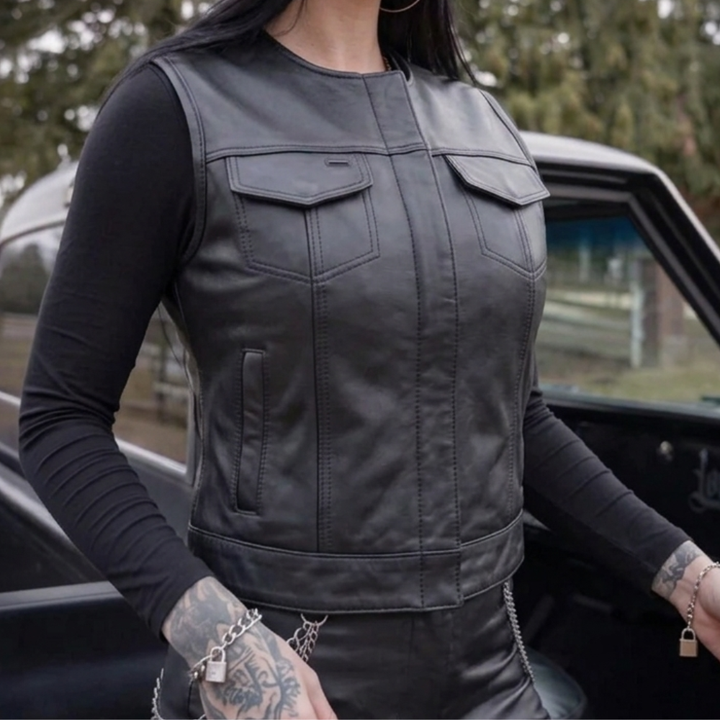


To store leather motorcycle gear for winter, clean it, condition it lightly, dry it fully at room temperature, and hang it on a wide hanger in a closet that stays between roughly 50°F and 70°F with normal indoor humidity. Never store leather in a plastic bag, a damp basement, an unheated garage or a hot attic. That one paragraph covers what most riders get wrong. The rest of this guide explains why each step matters and how Legendary USA handles deerskin gloves, horsehide BECK jackets and vests, and cowhide differently when they go into storage.
Why Leather Needs Prep Before It Sits for Months

Leather is skin. It holds a small amount of oil and moisture in its fibers, and that is what keeps it flexible. Over a riding season, road grime, sweat and rain pull some of that oil out and leave salt and dirt behind. Put a jacket away dirty and the dirt keeps drawing moisture out of the hide for five months while the salt stiffens the surface. Put it away damp and the fibers stay wet long enough for mildew to start. Put it away in a hot attic and the oils cook out, which is how a jacket comes out of storage cracked at the elbows.
Storage prep is not complicated, but it has to happen in order: clean, condition, dry, then hang. Skipping the drying step and conditioning a wet hide seals moisture in, which is worse than doing nothing.
Step 1: Clean Every Piece Before It Goes Away
Wipe the outside of jackets, vests and gloves with a cloth dampened with plain water, working in the direction of the grain. For road grime that water will not lift, use a leather cleaner made for garment leather, applied to the cloth rather than the hide, and test it first on an inside hem. Avoid saddle soap on riding gear. It is built for tack and strips more oil than a garment needs to lose.
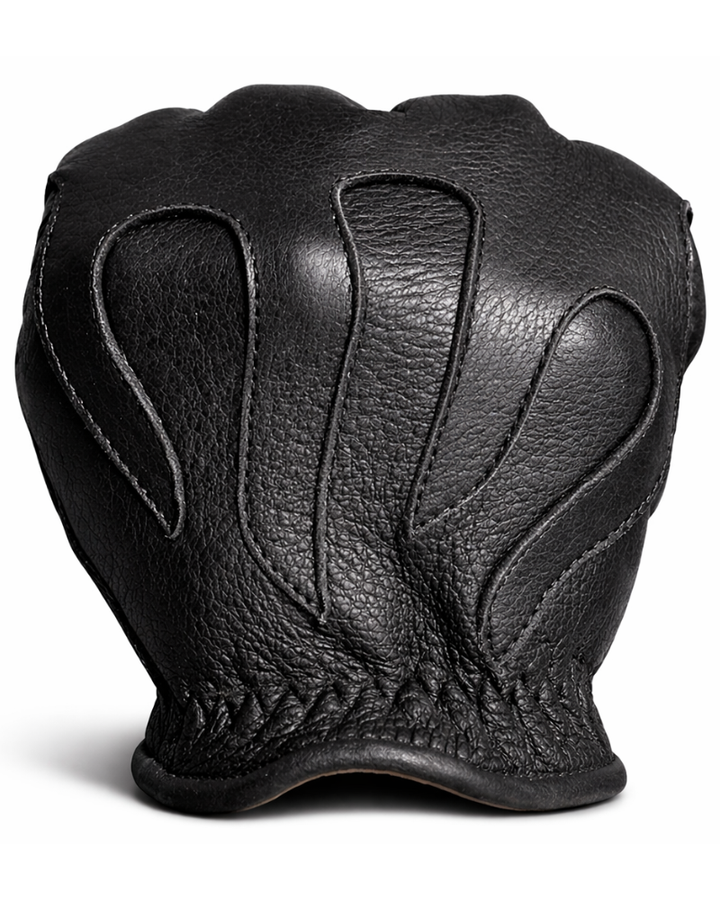
Gloves get the most sweat and the least attention. Turn the cuff back, wipe the inside with a barely damp cloth, and let them air out for a day before conditioning. Deerskin gloves like the Fleece-Lined Deerskin Gloves have a lining that holds moisture longer than unlined gloves, so give them two full days before they go in the drawer.
Empty every pocket. A forgotten gas receipt or a wad of cash in a BECK Pistola pocket will leave an outline pressed into the horsehide by spring.
Step 2: Condition Lightly, and Not Everything
Conditioning before storage replaces oil the season pulled out. The mistake is overdoing it. A heavy coat of conditioner sits on the surface, attracts dust and can go tacky in a warm closet. Apply a thin coat with a soft cloth, let it absorb for a few hours, and buff off anything that has not soaked in.
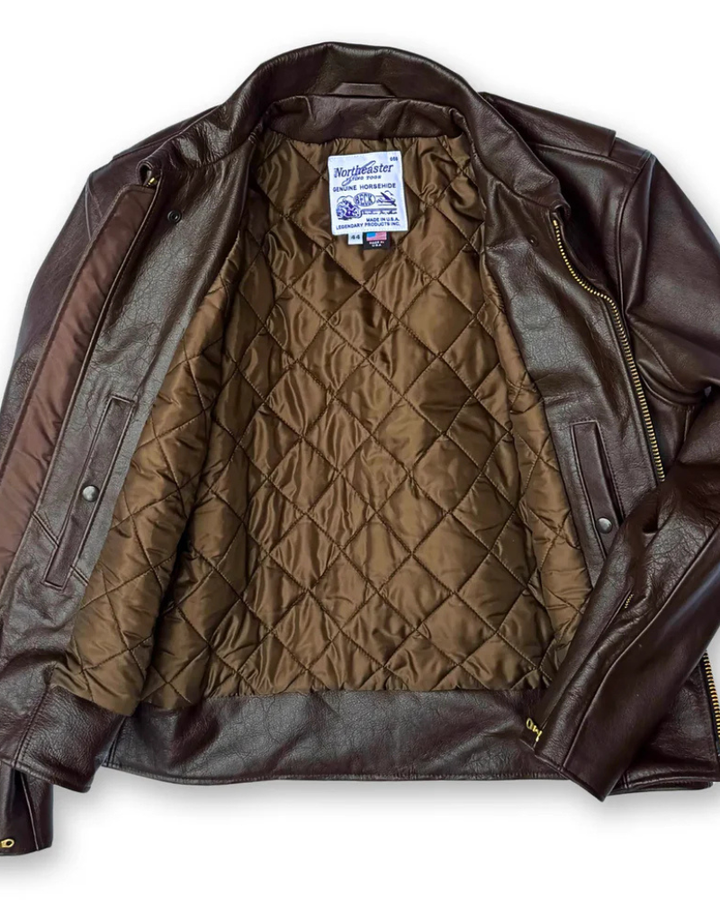
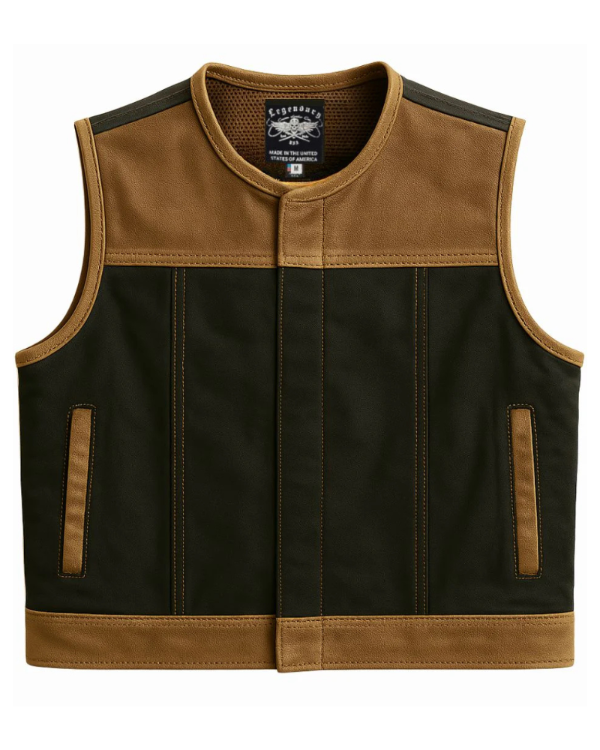
Horsehide takes less conditioner than cowhide. The front quarter horsehide on a BECK 777 Northeaster Flying Togs jacket is dense and tightly grained, which is why it resists rain in the first place, and it does not drink conditioner the way a softer hide does. One light pass is enough. A BECK horsehide vest such as the 882 or 566 gets the same treatment on the outside, and nothing on the nylon Oxford liner beyond a wipe.
Deerskin gloves usually need no conditioner at all. American Whitetail deerskin stays pliable after repeated wet and dry cycles without conditioning, and conditioner on a glove palm can make it slick on the grip. Condition deerskin only if it has gone visibly dry, and keep it off the palm.
Legendary USA's guide to conditioning leather motorcycle gear before winter goes deeper on products and technique.
Step 3: Dry Completely at Room Temperature
Everything you cleaned and conditioned needs to be dry to the touch inside and out before it is put away. Room temperature, out of direct sun, with air moving around it. Never a radiator, a space heater, a hair dryer or a dryer vent. Heat drives moisture out of leather faster than the fibers can adjust, and the result is a stiff hide that cracks along the folds the first time it bends.
A jacket hung in a doorway overnight is dry by morning. Lined gloves and a vest with a liner take longer. If you are unsure, give it another day. There is no rush; the bike is not going anywhere either.
Step 4: Hang Jackets and Vests, Lay Gloves Flat
Jackets go on a wide, shaped hanger that supports the shoulders. A wire hanger puts the whole weight of a horsehide jacket on two points and leaves dents in the shoulder leather by March. Zip the jacket and snap the collar so it holds its shape. Leave the side buckle tabs on a BECK jacket loose rather than cinched.
Vests hang the same way, zipped or snapped closed. A horsehide vest like the BECK 882 Fitted Horsehide Vest is cut with a taper through the body and will hold that shape better hanging than folded. If a vest carries patches, hanging also keeps the one-piece back panel flat so the patches do not crease.
Gloves lie flat in a drawer or on a shelf, fingers straight, not balled up or stuffed inside a helmet. Stuffing a glove into a helmet for the winter crushes the keystone thumb into a fold and the glove comes out in April with a crease you will feel on the grip for a month.
Where to Store It: Temperature and Humidity
The right place for leather riding gear is an interior closet in the living part of the house. It stays between about 50°F and 70°F, the humidity tracks normal indoor air, and nothing hot or damp is nearby. The wrong places are the ones most riders use: the garage, which swings from freezing to humid; the basement, which is damp; and the attic, which cooks everything in it.
Leave space around each piece so air moves. Do not pack a jacket between two heavy coats. Do not cover it in plastic. A plastic garment bag traps whatever moisture is left in the hide and holds it against the surface, and the dry-cleaner bag is the single most common cause of a mildewed jacket in spring. If you want to keep dust off, use a breathable cotton garment bag or an old bedsheet draped loose.
Check on the gear once a month. Open the closet, look at the surface, bend a sleeve. Five minutes in January catches a problem that would take a week to fix in April.
Deerskin, Horsehide and Cowhide in Storage
The three leathers Legendary USA sells store differently, and knowing which one you own changes the prep.
Deerskin is the most forgiving. It holds its oils well, stays soft through wet and dry cycles, and rarely needs conditioner. The risk with deerskin gloves in storage is shape, not dryness, which is why they lie flat.
Horsehide is the densest of the three and the most resistant to water, which also means it absorbs the least conditioner. A BECK horsehide jacket or vest needs a light conditioning pass and a wide hanger, and will come out of storage closer to how it went in than any other leather in the closet.
Cowhide sits in between. It takes conditioner readily, which is useful because it also loses oil faster than horsehide. A cowhide piece such as the Black Hills Leather Motorcycle Jacket benefits from the full clean, condition, dry, hang sequence more than any other piece you own.
Taking Gear Out of Storage
In spring, pull everything out a week before the first ride. Hang the jacket and vest in a room with moving air for a day, then put each piece on and move in it. If anything feels stiff, a second light conditioning pass now, followed by a day of wear around the house, brings it back. Gloves get flexed by hand for a minute before the first ride so the keystone thumb and palm settle back into shape.
Done this way, a BECK horsehide jacket or a pair of Legendary USA deerskin gloves goes through a dozen winters without any of the cracking and stiffness riders blame on the leather. The leather was fine. The storage was the problem. Every piece referenced here is in the Legendary USA motorcycle gear collection.
For rider training and general gear guidance beyond leather care, the Motorcycle Safety Foundation publishes rider education resources.
Frequently Asked Questions
- How should I store a leather motorcycle jacket for the winter?
- Clean it, apply a thin coat of leather conditioner, let it dry fully at room temperature, then hang it zipped on a wide, shaped hanger in an interior closet. Keep it out of the garage, basement and attic, and never store it in a plastic bag. Leave room around it so air circulates, and check it once a month. A horsehide BECK jacket needs only a light conditioning pass; cowhide takes a bit more.
- Can I store leather motorcycle gear in the garage?
- No. A garage swings from below freezing to warm and humid, and that cycling pulls oil out of the hide and invites mildew. An unheated garage is also where exhaust fumes, gasoline vapor and road salt collect. Store leather gear in an interior closet in the living space of the house, where temperature stays roughly between 50°F and 70°F and humidity tracks normal indoor air.
- Should I condition leather before storing it?
- Yes, lightly, and only after it is clean. A thin coat of conditioner replaces oil the riding season pulled out of the hide. Apply with a soft cloth, let it absorb for a few hours, and buff off any excess. Horsehide needs very little. Deerskin gloves usually need none, and conditioner on a glove palm can make it slick, so keep it off the palm if you use any at all.
- Is it bad to store leather in a plastic garment bag?
- Yes. Plastic traps whatever moisture remains in the leather and holds it against the surface, and it blocks the air movement leather needs. The dry-cleaner plastic bag is the most common reason a jacket comes out of storage mildewed. If you want to keep dust off, use a breathable cotton garment bag or drape an old cotton sheet loosely over the hanger instead.
- How do I store deerskin motorcycle gloves over the winter?
- Wipe them inside and out with a barely damp cloth, let them air dry for a day or two, then lay them flat in a drawer with the fingers straight. Do not stuff them inside a helmet or ball them up, because deerskin holds a crease and the keystone thumb will fold. Deerskin rarely needs conditioner before storage; it stays pliable through wet and dry cycles on its own.
- Does horsehide need different storage than cowhide?
- The steps are the same, but horsehide needs less conditioner because its dense, tight grain absorbs less and resists water better. One light pass is enough on a BECK horsehide jacket or vest. Cowhide loses oil faster and takes conditioner readily, so a cowhide jacket benefits more from a full clean, condition, dry and hang sequence before it goes away for the winter.