



BECK Northeaster Flying Togs: The Horsehide Jacket Buying Guide
BECK Northeaster Flying Togs builds horsehide leather jackets for riders who've done the research and know what they want. Horsehide is not cowhide. It has a tighter grain, higher natural tensile strength, and a break-in arc that rewards patience with a patina and drape that cowhide can't replicate. This guide covers every BECK model available at Legendary USA, what distinguishes each one, and who each is built for.
What Makes Horsehide Different
The difference between horsehide and cowhide is structural. Horsehide fibers run parallel to the skin's surface in a tight, dense weave. Cowhide fibers are looser and more perpendicular. The practical result: horsehide is harder to cut, harder to abrade, and slower to take on moisture. It requires more break-in time but develops a distinctive patina — a depth of character and a specific way of draping at creased stress points — that cowhide doesn't match.
For motorcycle riding specifically, horsehide's abrasion resistance is a meaningful advantage. For riders who wear their jacket most days of the year, horsehide's durability translates to a jacket that looks better at year five than it did at year one, and still functions well at year fifteen.
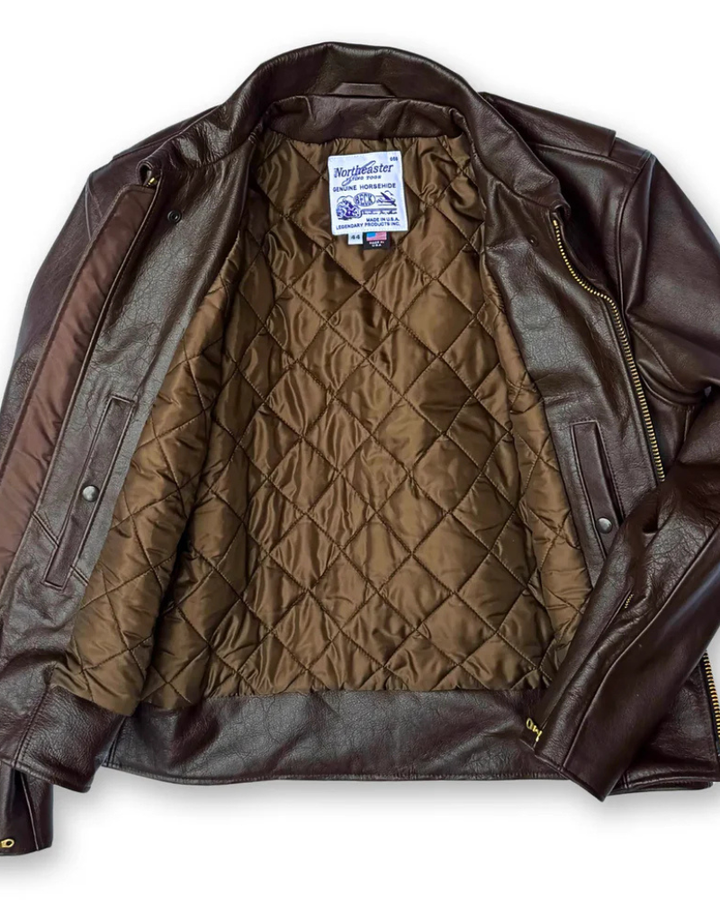
The BECK 732 Northeaster: The Flagship Horsehide Jacket
The BECK 732 Northeaster in black is the core of the BECK lineup. It's a motorcycle-specific cut — not a flight jacket or work jacket adapted for riding, but a jacket designed around how riders move and what riders need. Key features:
- Genuine horsehide leather throughout
- Motorcycle-specific cut with extra length in back for coverage when seated
- Snap closure with wind flap
- Multiple pocket configuration suited to riding use
- Heavy-gauge hardware
The 732 runs true to size in chest measurement. If you're between sizes or plan to layer a heavy mid-layer underneath, size up. The jacket will break in to your body over the first month of regular wear, so fit precision at purchase is important — unlike cowhide that softens quickly, horsehide holds its shape through the break-in.
The 732 Northeaster in chestnut brown uses the same specification as the black version. Brown horsehide ages differently than black — the patina develops in lighter, more visible tonal variation at the stress points, giving a worn-in quality that becomes increasingly distinctive over years of use. Brown is the choice for riders who want their jacket to look lived-in within two riding seasons.
The BECK 666 Distressed Horsehide Cafe Racer
The BECK 666 is a cafe racer silhouette in distressed horsehide. Where the 732 Northeaster is a traditional motorcycle jacket with a structured look, the 666 starts with an already-distressed finish that gives it an immediately lived-in character. The cafe racer cut is shorter and more fitted than the 732 — a cleaner silhouette that works on cafe-style and standard motorcycles and reads as motorcycle gear without announcing it.
The distressed horsehide on the 666 has been treated to simulate early-stage break-in, but the underlying material is the same horsehide that gives BECK jackets their durability reputation. Over time, the 666 develops its own character on top of the initial distress treatment.
The BECK 566 Horsehide Vest
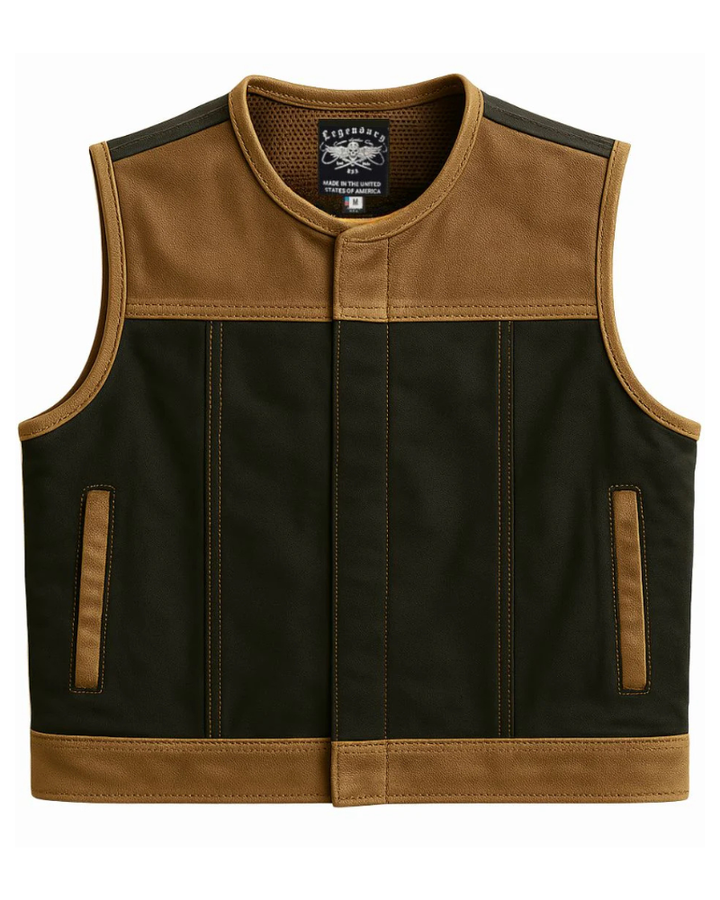
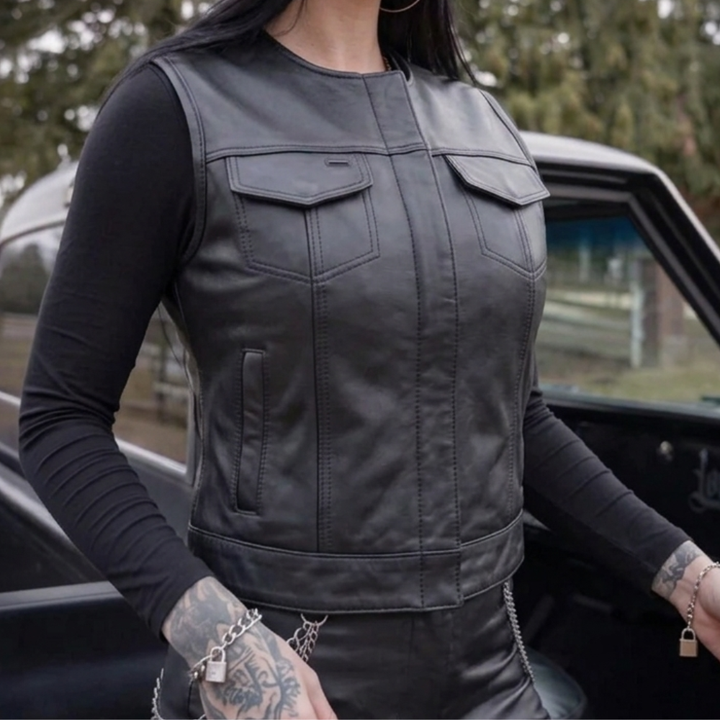
The BECK 566 Horsehide Vest is a premium rider's vest in genuine horsehide. Most leather vests on the market use cowhide. The 566 uses BECK's horsehide, which means it carries the same durability and aging characteristics as their jackets in a layering-friendly format.
For riders who want a vest that matches the quality level of a BECK jacket — whether layering under the 732 in cold weather or wearing the vest standalone in warmer conditions — the 566 is the correct answer. It's a vest for riders who don't want to downgrade their material standards when they reach for a vest.
Black vs. Brown: Which Color to Choose
Both the black and brown 732 Northeaster use identical horsehide and construction. The choice comes down to how you want the jacket to age and what you ride.
Black horsehide develops a subtle blue-gray sheen at creased points over time — a darkening of the crease lines that gives the jacket visual depth. It reads as classic and works across a wide range of motorcycle types and riding styles.
Chestnut brown develops more visible tonal contrast as it ages — the stress points lighten to a natural tan while the body stays medium brown. It photographs well and reads as a heritage piece. It pairs naturally with Harley-Davidson, British, and cafe-racer style bikes.
How BECK Sizing Runs
BECK jackets are cut for a riding position — slightly longer in back, with sleeve length calibrated for arms forward on bars. Measure your chest at its widest point and use BECK's size chart as your primary reference. Most riders find BECK sizing accurate to their chest measurement. If you're between sizes, size up: horsehide doesn't stretch the way cowhide does, and a jacket that's slightly too small will remain slightly too small through the break-in.
Frequently Asked Questions
Is BECK horsehide worth the premium over cowhide motorcycle jackets?
For riders who wear their jacket heavily and plan to keep it for five or more years, yes. Horsehide outlasts cowhide in abrasion resistance and develops a distinctive patina over time that cowhide doesn't replicate. The break-in is longer and the initial feel is stiffer, but the long-term result — a jacket that looks better and still performs at year ten — is a meaningful difference. Riders who replace their jacket every two to three years may not see the same return on the investment.
What's the difference between the black and brown BECK 732 Northeaster?
The construction and leather specification are identical. The difference is entirely in color and aging character. Black horsehide develops subtle blue-gray sheen at creased stress points. Brown horsehide develops visible tonal contrast — the stress points lighten while the body stays medium brown, giving a more dramatic visual patina over time. Both are correct choices; the decision is about how you want the jacket to look after five years of riding.
How does BECK sizing compare to standard sizing?
BECK jackets are cut to riding-position measurements — longer in back, calibrated sleeve length. Chest measurement is the primary sizing reference and generally runs accurate. If you're between sizes, size up. Horsehide does not stretch during break-in the way cowhide does, so a jacket that feels snug at purchase will still feel snug after break-in. When in doubt, contact Legendary USA before ordering — we can help with sizing based on your measurements.
What distinguishes horsehide from cowhide in everyday riding use?
In everyday riding, the primary differences are break-in time, wind resistance, and aging character. Horsehide takes 30 to 60 hours of wear to fully conform to your body — cowhide breaks in much faster. Once broken in, horsehide is notably more wind-resistant than cowhide of the same weight due to its tighter grain. And over years of wear, horsehide develops a patina — a depth of finish and a distinctive drape at the stress points — that cowhide doesn't achieve to the same degree.
The Right BECK Jacket for Your Riding
If you ride regularly and want a jacket you'll keep for a decade or more, any jacket in the BECK lineup earns its place. The 732 Northeaster is the most versatile — the cut works across riding styles and the horsehide handles everything from spring commuting to fall touring. The 666 Cafe Racer is the choice for riders with a more specific aesthetic and a preference for a fitted, shorter silhouette. The 566 Vest is for the rider who wants BECK quality in a layer rather than a jacket.
Read more about horsehide leather care and maintenance in the complete horsehide care guide, or explore the full leather jacket collection at Legendary USA.