





How to Care for Horsehide Leather: A Complete Maintenance Guide
Horsehide leather is more resistant to moisture, abrasion, and daily wear than cowhide, but that durability is not unconditional. Proper maintenance keeps horsehide supple, prevents surface cracking, and preserves the patina that makes a well-worn horsehide jacket irreplaceable. This guide covers the full maintenance routine for horsehide jackets and vests, from the first conditioning after purchase through long-term storage.
Why Horsehide Care Differs from Cowhide Care
Horsehide's tighter grain structure means it absorbs conditioner more slowly than cowhide. This is an advantage — it means horsehide is less prone to over-saturation — but it also means you need to give conditioner more time to penetrate before evaluating whether the leather needs more. Apply, wait, assess. Don't layer conditioner on top of conditioner that hasn't yet absorbed.
Horsehide also resists moisture more effectively at the surface than cowhide, which means that light rain exposure doesn't require immediate intervention. However, sustained moisture exposure — riding through heavy rain, soaking the jacket — still requires the correct drying and reconditioning process.
Step 1: The Initial Conditioning After Purchase
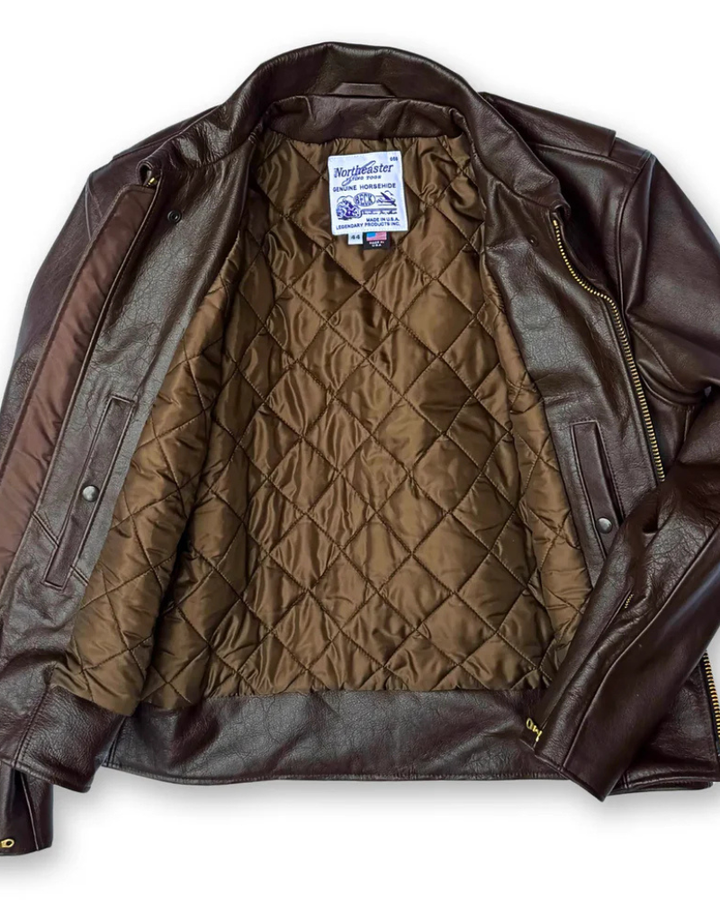
When your BECK Northeaster or other horsehide jacket arrives, it has likely been in storage or transit and the leather may be drier than ideal. Before the first serious wear, apply a thin, even coat of quality leather conditioner.
Recommended conditioners for horsehide:
- Leather Honey — penetrates deeply, extends color correctly, no surface residue
- Bick 4 — lighter formula, safe for finished and semi-finished horsehide
- Chamberlain's Leather Milk — gentle, good for initial conditioning before break-in
Apply with a soft cloth in a thin layer, working it into the leather with circular motions. Pay attention to high-wear areas: collar, elbows, cuffs, and the front panel where the jacket folds when worn. Let absorb for a minimum of three hours before wearing. Buff lightly with a clean dry cloth to remove any surface residue.
Step 2: The Break-In Conditioning Schedule
During the break-in period — typically the first four to eight weeks of regular wear for horsehide — condition once per month. The leather is adapting to your body and your movement patterns during this period, and conditioning supports that process without forcing it.
Do not condition more frequently than monthly during break-in. Horsehide that's over-conditioned during break-in can soften unevenly, which affects how the patina develops long-term.
Step 3: Ongoing Maintenance Schedule
Once fully broken in, a horsehide jacket in regular riding use needs conditioning three to four times per year. A practical schedule:
- Spring: Condition before the riding season opens, particularly if the jacket was stored over winter
- Midsummer: Condition if the jacket has been through significant heat exposure or any rain events
- Fall: Condition before temperatures drop and riding frequency decreases
- Pre-storage: Always condition before putting the jacket away for any extended period
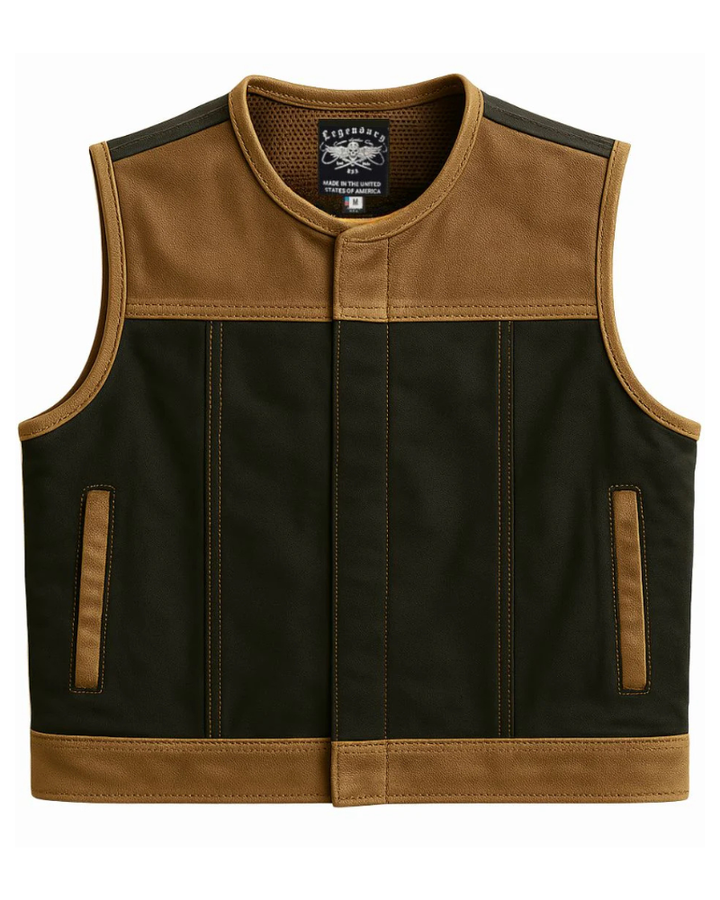
Inspect the stitching and hardware at each conditioning session. Horsehide leather outlasts most thread, and early identification of stitching wear prevents small repairs from becoming structural issues. The BECK 566 horsehide vest follows the same schedule.
Handling Rain and Moisture Exposure
Light rain: if the horsehide surface beads water, you don't need to intervene beyond letting the jacket dry naturally after the ride. This is horsehide's natural resistance doing its job.
Heavy rain exposure:
- Remove the jacket and hang on a wide, padded hanger immediately — never fold wet leather
- Allow to dry at room temperature, away from radiators, heat vents, or direct sunlight
- Full drying takes 12 to 24 hours depending on how saturated the leather became
- Once completely dry, apply a conditioning treatment
- Do not accelerate drying with a hairdryer or any heat source — heat causes surface cracking
What to Avoid on Horsehide
Mink oil: Mink oil over-softens horsehide by disrupting the tight fiber structure that gives it abrasion resistance. It can also darken the leather more than intended and may turn rancid in warm storage. Avoid it entirely on horsehide.
Neatsfoot oil: Similar risks to mink oil. Historically used on saddle leather and work boots, not appropriate for motorcycle-grade horsehide jackets.
Silicone sprays: Create a surface coating that prevents future conditioner from penetrating. Once silicone is applied to leather, the leather is effectively sealed from proper conditioning indefinitely.
Petroleum-based products: Can break down the leather's natural oils and cause long-term surface degradation.
Storage Best Practices
For storage longer than two to three weeks:
- Condition the jacket before storing
- Hang on a wide, padded hanger — wire hangers distort shoulders
- Use a breathable fabric garment bag, not plastic
- Store in a cool, dry location out of direct light
- Avoid compression — do not store other items on top of or pressing against the jacket
Frequently Asked Questions
Can I use mink oil on my horsehide jacket?
No. Mink oil is not appropriate for horsehide motorcycle jackets. It over-softens the leather by disrupting the tight grain structure that gives horsehide its abrasion resistance and distinctive feel. It can also darken the leather more than intended and may turn rancid over time in warm storage. Use a balanced conditioner like Leather Honey or Bick 4 instead — these hydrate the leather without compromising its structural integrity or aging characteristics.
How often should I condition my horsehide jacket?
During break-in (first four to eight weeks of regular wear), condition once per month. After full break-in, condition three to four times per year: before the riding season, mid-season if the jacket has been through heavy use or rain, before temperatures drop in fall, and before any extended storage. Horsehide is more resistant to drying out than cowhide, so erring slightly toward less frequent conditioning is preferable to over-conditioning.
My horsehide jacket got soaked in a rainstorm. What do I do?
Hang it immediately on a wide padded hanger and let it dry at room temperature for 12 to 24 hours. Do not use a hairdryer, radiator, or any heat source to accelerate drying — heat causes leather to dry unevenly and can create permanent surface cracking. Once the jacket is completely dry, apply a conditioning treatment to restore moisture lost during the drying process. If the jacket has stiffened after drying, it will soften again as you wear it — this is normal.
The Long View
A horsehide jacket maintained correctly is a decades-long investment. The conditioning schedule is minimal — a few hours per year total. The result is a jacket that performs better at year ten than it did at year one, with a patina that records your actual riding history.
For guidance on choosing the right BECK horsehide jacket, read the BECK Northeaster buying guide. Browse the full selection of leather motorcycle jackets at Legendary USA.