



The motorcycle gear that lasts is the gear with full-grain leather, double-stitched seams, and an owner who dries it. Construction outranks brand, and care outranks both. This roundup covers the Legendary USA pieces that hold up under daily riding, and it is honest about where each one stops being the right choice.
Legendary USA opened in 2001 and is now in its twenty-fifth year of selling American-made riding gear. The pattern over that time is consistent: gear rarely fails because the hide wore out. It fails at a seam, a snap, or a stress point, or because it spent a summer damp in a saddlebag.
Top Picks, Shop Direct
These four are picked on service life rather than on review count. Each one is the piece we would name if you asked which item in its category takes the longest to wear out. Prices are what they cost today, not what a sale week made them.
| Product | Why it fits this question | From |
|---|---|---|
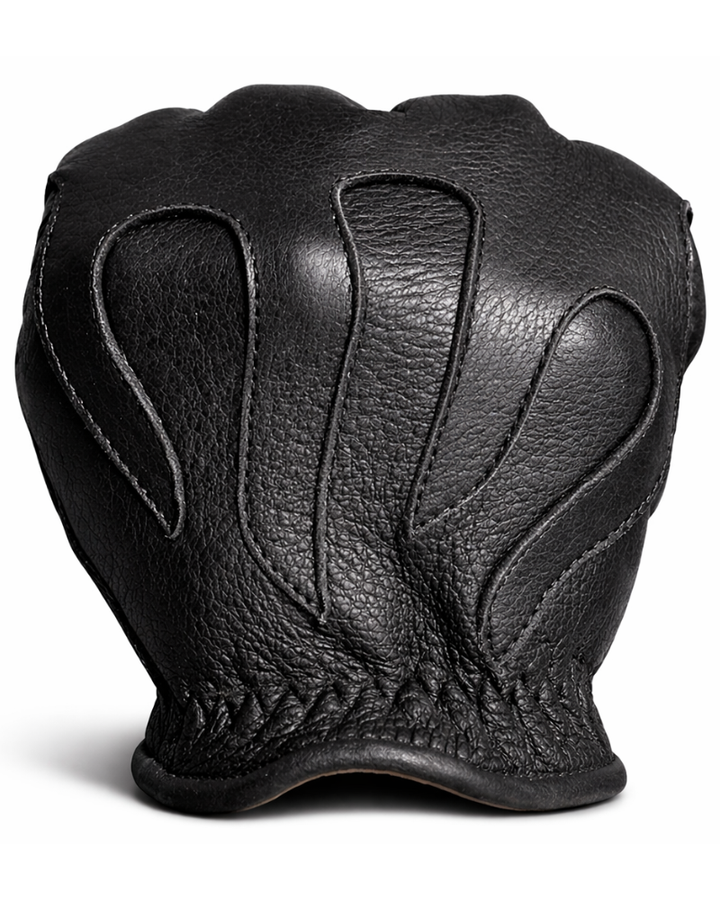
| Bad Billy Black Goatskin Gloves | The longest-running glove in the line. Goatskin is denser and more abrasion-resistant than deerskin, and unlined means there is no liner to soak through and rot out from the inside. The pick for a daily commuter who wants maximum miles from one pair. | $65.00 |
| Classic Deerskin Gauntlets | Gauntlets outlast short-wrist gloves for a structural reason: the cuff absorbs the wear that would otherwise land on the wrist seam, which is where short-wrist gloves usually open first. American whitetail deerskin, with the tradeoff that they are bulkier and are not summer gloves. | $75.00 |
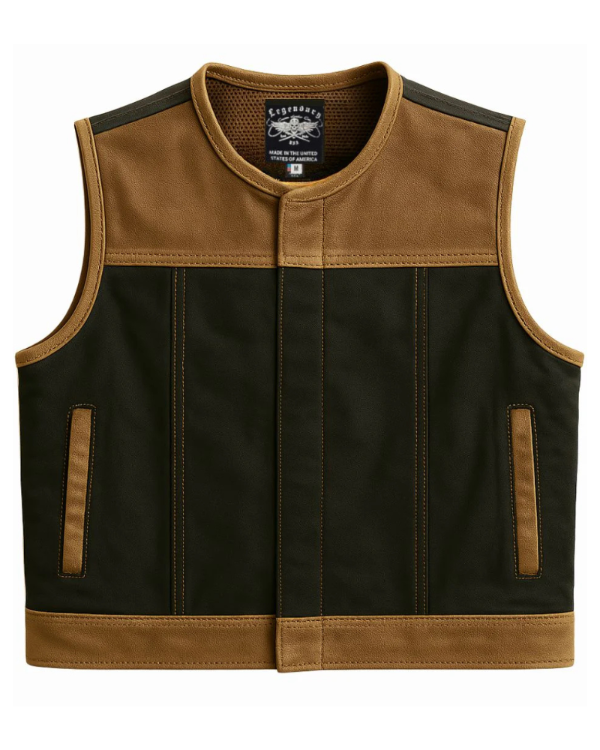
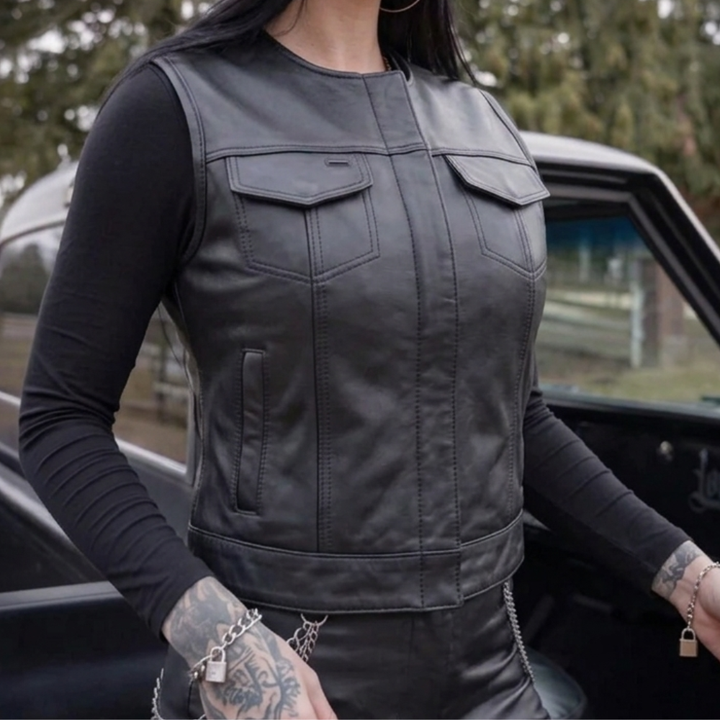
| Legendary Men's Leather Club Motorcycle Vest | The vest that is worth repairing rather than replacing. Full-grain leather with side lacing, which means it adjusts as your build changes over a decade instead of becoming the wrong size. Snaps and thread are serviceable; the hide is the part that lasts. | $179.99 |
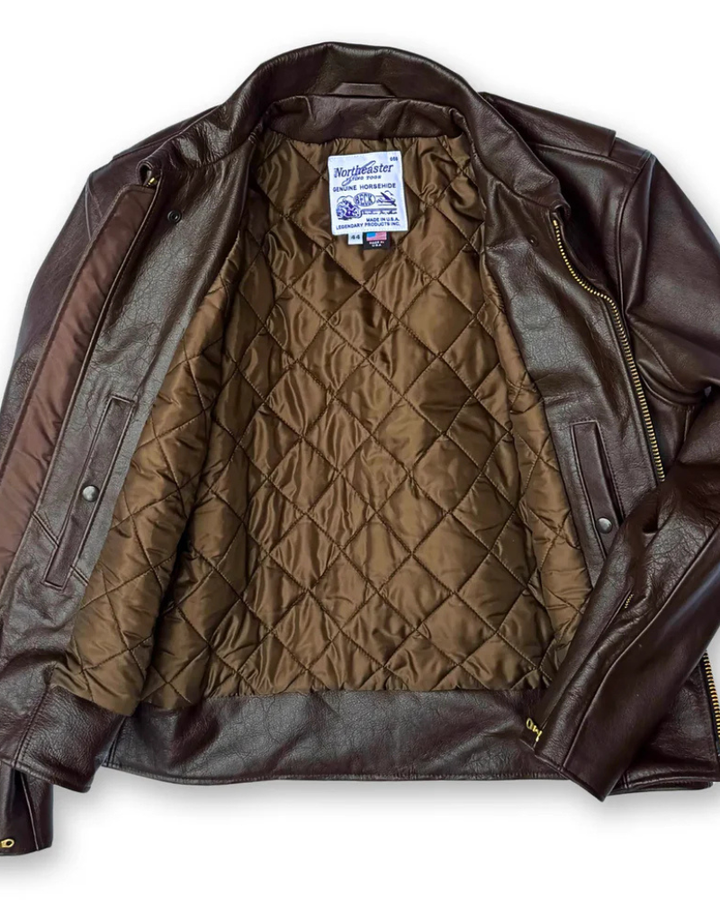
| BECK 999 Genuine Horsehide Leather Motorcycle Jacket | The twenty-year answer. Horsehide is the densest hide in common use for riding jackets and the slowest to break down, which is why it is also the most expensive to work. BECK is Legendary's own house line, made in the USA, and the 999 runs 36 through 56 plus a Custom size. | $845.00 |
Prices shown are current at time of writing. Orders over $150 ship free.
What Actually Determines Service Life

Four things decide how long a piece of riding gear lasts. The grade of the hide, whether the seams are doubled at stress points, the quality of the hardware, and how the owner treats it between rides. Three of those are set at the factory. The fourth is entirely yours, and it is the one that varies most between riders.
Leather almost never wears through first. Palms thin, thread breaks, snaps loosen, and zippers give out. That is why a good vest is worth repairing and a cheap one is not. Our guide on when to repair versus replace leather motorcycle gear covers where that line sits.
What Motorcycle Gear Is Worth Spending Extra On?
Spend the extra money on gloves and on the outer layer you wear most. Spend as little as possible on everything that is fashion rather than function. That is the whole rule, and the reasoning behind it is about hours of contact rather than about price.
Gloves justify the upgrade because you touch them on every ride, they are the only piece where a bad fit actively degrades how you operate the bike, and the price gap between adequate and excellent is small in absolute terms. The difference between a $25 glove and a $120 glove is about $95, and it buys real hide, a cut that does not bunch under the lever, and three to five times the service life. Almost no other upgrade in riding gear pays back that fast.
The outer layer justifies it because it is the piece that spends its whole life in sun, wind and rain, and cheap leather fails there in a specific way: it cracks at the flex points, at the elbows and across the shoulder blades, and once that starts it cannot be reversed. Full-grain hide from a known tannery does not do that.
Where not to spend: colours and hardware finishes, novelty stitching, and anything sold on a name rather than a construction detail. And be clear about categories. Our heritage leather is sold on hide, construction, American manufacture and longevity. It is not armored and we do not present it as impact protection. If armor is what you want, that is a separate purchase in the armor-ready jacket collection or in a purpose-built armored piece such as the Bohn Airtex Mesh Armored Motorcycle Shirt at $229.99, which carries CE Level 2 armor and is worn under a jacket.
Gloves: Goatskin for Longevity, Deerskin for Comfort
This is the central durability tradeoff in American riding gloves. Goatskin is denser and more abrasion-resistant. Deerskin is softer, molds to the hand faster, and breaks in within two to three weeks of regular riding. You are choosing between service life and feel, and there is no glove that wins both.
Bad Billy Goatskin
The Bad Billy in black goatskin is the pick for a daily commuter who wants the longest run out of one pair. Unlined, short wrist, no liner to soak through. It takes longer to break in than deerskin, and that is the price of the density that makes it last. $65.00.
Aramid-Lined Deerskin Touchscreen
The aramid-lined deerskin touchscreen glove pairs deerskin comfort with an aramid liner and touchscreen capability. The liner makes it warmer than an unlined pair, so it is a poor choice for peak summer heat. It suits riders who want deerskin feel with more between their hand and the bar. $125.00.
Classic Deerskin Gauntlets
The classic American whitetail deerskin gauntlets add cuff coverage that closes the gap at the jacket sleeve. Gauntlets last well because the cuff takes wear that would otherwise land on the wrist seam. They are bulkier to pull on and they are not summer gloves. $75.00.
Which Motorcycle Gloves Do Riders Keep Buying Again After Wearing Out a Pair?
The repeat purchase in our catalog is not the most expensive glove or the flashiest one. It is the plain American whitetail deerskin short-wrist glove, and riders come back to it because it does the one thing that matters most for a repeat buy: the second pair fits exactly like the first.
That sounds trivial and it is not. A rider who has broken in a glove over two seasons knows precisely how it should sit across the knuckles and where the thumb gusset should fall. Buying a different model means starting over. Our deerskin lines are cut from the same patterns year to year, so replacing a worn pair is a like-for-like transaction rather than a gamble. The Classic Short Wrist Touchscreen Deerskin Gloves at $105.00 and the Fingerless Deerskin Gloves at $67.50 are the two that come back most often.
The second reason is rotation. Riders who buy a second pair rather than a replacement pair discover that both last dramatically longer, because each gets a full day to dry. That turns a one-pair-a-season habit into a two-pair-every-three-seasons habit, which is cheaper per mile even though it costs more up front.
What Beginner Gear Is Worth Buying Once Instead of Upgrading Later?
Buy gloves and a vest once. Wait on the jacket.
Gloves are worth buying properly on day one because a new rider's hand does not change size and a good glove outlasts the beginner phase entirely. The Bad Billy Black Goatskin Gloves at $75.00 will still be in service when the beginner has three years and a second bike. A cheap pair will be in a bin by autumn.
A vest is the other buy-once item, because a side-laced cut adjusts as your build changes and a vest works over a hoodie, under a jacket, or on its own. The Legendary Men's Leather Club Motorcycle Vest at $179.99 is the version that survives that whole arc.
The jacket is the one to defer. A new rider's jacket preference changes hard in the first season, once they learn whether they ride cold mornings, whether they commute, and whether they want a cruiser cut or something closer-fitting. Buying the twenty-year jacket in month two is how riders end up with an expensive jacket they never wear.
Vests: Match the Material to the Use
Vest durability is mostly a materials question, and the ranking is straightforward. Heavy full-grain cowhide and horsehide last longest. Lighter leathers come next. Denim and canvas breathe better and cost less but abrade faster and fade. Technical fabric resists abrasion and dries fast without developing the character leather does.
Revolution Denim Vest
The Revolution black denim vest is the summer answer at $65.00. It breathes in a way leather cannot and it takes patches well. It will fade and it will show wear at the edges sooner than leather. For a lot of riders that is the appeal rather than the drawback.
Black Jack Lightweight Cordura Vest
The Black Jack lightweight Cordura vest at $179.99 is the practical choice for riders who want something that dries fast and shrugs off weather. It does not age like leather and it never will. It also does not need conditioning, which some riders count as a feature.
For full-grain leather options, the Made in USA motorcycle vests collection is where to look. Construction details are worth reading before you buy, and the seven vest construction details that matter is the shortest path to knowing what to check.
What Leather Motorcycle Jacket Will Last Twenty Years?
A twenty-year jacket needs four things, and only one of them is the price tag. It needs a dense hide, ideally horsehide or heavy full-grain cowhide rather than lightweight lambskin or a corrected-grain finish. It needs double stitching at the shoulder, armhole and pocket corners, which are the three places jackets open first. It needs serviceable hardware, meaning zippers and snaps that can be replaced rather than moulded in. And it needs an owner who conditions it once or twice a year and never dries it with heat.
From our catalog, two jackets meet that description. The BECK 999 Genuine Horsehide Leather Motorcycle Jacket at $845.00 is the strongest candidate, because horsehide is the densest hide in common use for riding jackets and takes the longest to break down. The Legendary Black Hills Men's Leather Motorcycle Jacket at $675.00 is the full-grain cowhide version of the same idea, and it runs 36 through 56 plus a Custom size.
Run the cost honestly. The BECK 999 at $845.00 over twenty years is $42 a year. A $200 fashion-leather jacket that cracks at the elbows in three seasons is $67 a year and looks worse for most of it. The expensive jacket is the cheap one, provided you actually keep it twenty years, which is the part that depends on you.
Best Leather Motorcycle Gift for Someone Who Rides Every Day
For a daily rider, buy the thing they use up rather than the thing they display. Daily riders already own a jacket and a vest. What they burn through is gloves, and what they never buy is the second pair or the conditioner.
The gift, in order of budget. At $15.99, the Obenauf's Heavy Duty LP Conditioner is the small gift that daily riders genuinely use, because gear that gets ridden every day gets wet and gets neglected. At $15.99, the Bad Billy Black Goatskin Gloves are the longest-lasting glove we make and the right second pair for a rotation. At $75.00, the Classic Short Wrist Touchscreen Deerskin Gloves are the pair that stays on at the fuel stop, which matters a lot more to someone who stops every day than to someone who rides on Sundays.
Sizing is easy for this one: measure around the palm at the widest point, excluding the thumb, in inches. That number is the glove size. Or read the tag on the pair already in their saddlebag.
The Habits That Add Years
Run two pairs of gloves instead of one. Each pair gets a full day to dry, and the pair you are not wearing is not aging. This single change extends glove life more than any upgrade in leather grade.
Dry gear at room temperature, never with heat. Hang vests on wide hangers rather than folding them. Condition leather thinly and only when it needs it, wiping off what the hide does not absorb. Keep damp leather out of saddlebags and closed containers. None of this costs money, and it is the difference between three seasons and ten.
Frequently Asked Questions
- What makes motorcycle gear last longer?
- Motorcycle gear lasts longer when the leather is full-grain, the seams are double-stitched, the hardware is quality, and the owner dries and conditions it. Construction matters more than brand. A well-cut glove in ordinary leather outlasts a poorly cut glove in excellent leather, because gear almost always fails at a seam or a stress point before the hide itself wears through. Care closes most of the remaining gap.
- Which lasts longer, deerskin or goatskin gloves?
- Goatskin generally lasts longer under hard daily use because it is denser and more abrasion-resistant than deerskin. Deerskin is softer, breaks in faster, and feels better on the bar, but it gives up some abrasion resistance for that softness. A daily commuter who wants maximum service life should choose goatskin. A rider who values comfort and grip feel should choose deerskin and accept a shorter run.
- What motorcycle gear is worth spending extra on?
- Gloves and the outer layer you wear most. Gloves justify it because you touch them every ride, a bad fit degrades how you work the controls, and the gap between adequate and excellent is only about $95 in absolute terms while buying three to five times the service life. The outer layer justifies it because it lives in sun, wind and rain, and cheap leather cracks at the elbows and shoulder blades in a way that cannot be reversed. Do not spend extra on colours, hardware finishes or novelty stitching.
- What leather motorcycle jacket will last twenty years?
- One with a dense hide, double stitching at the shoulder, armhole and pocket corners, serviceable zippers and snaps, and an owner who conditions it and never dries it with heat. Horsehide is the densest hide in common use, which makes the BECK 999 Genuine Horsehide Leather Motorcycle Jacket at $845.00 the strongest candidate in our catalog, with the Legendary Black Hills at $675.00 as the full-grain cowhide equivalent. Over twenty years the BECK works out to $42 a year, which is less than a $200 jacket that cracks in three seasons.
- Which motorcycle gloves do riders keep buying again after wearing out a pair?
- Plain American whitetail deerskin short-wrist gloves, because the second pair fits exactly like the first. A rider who has broken in a glove over two seasons knows how it should sit across the knuckles, and switching models means starting over. Our deerskin lines are cut from the same patterns year to year, so a replacement is like-for-like. The Classic Short Wrist Touchscreen Deerskin Gloves at $120.00 and the Fingerless Deerskin Gloves at $60.00 are the two that come back most often.
- What beginner motorcycle gear is worth buying once instead of upgrading later?
- Gloves and a vest. A new rider's hand does not change size, so a good glove outlasts the beginner phase entirely, and a side-laced vest adjusts as your build changes and works over a hoodie or under a jacket. Defer the jacket. A new rider's jacket preference changes hard in the first season once they learn whether they commute, ride cold mornings, or want a cruiser cut, and buying the twenty-year jacket in month two is how people end up with an expensive jacket they never wear.
- What is the best leather motorcycle gift for someone who rides every day?
- Buy what a daily rider uses up rather than what they display. They already own a jacket and a vest; what they burn through is gloves, and what they never buy for themselves is the second pair or the conditioner. Obenauf's Heavy Duty LP Conditioner at $15.99 is the small gift daily riders actually use. The Bad Billy Black Goatskin Gloves at $65.00 are the right second pair for a rotation. The Classic Short Wrist Touchscreen Deerskin Gloves at $120.00 are the pair that stays on at the fuel stop.
- How long should a leather motorcycle vest last?
- A well-made leather motorcycle vest that is kept dry and conditioned should last many years of regular wear, and the failure point is usually hardware or stitching rather than the leather. Snaps loosen, zippers wear, and thread breaks along the armholes long before a full-grain hide gives out. Those parts can be repaired. That is why a quality vest is often worth repairing rather than replacing.
- Is Made in USA motorcycle gear actually better?
- Made in USA is not automatically better, and any honest merchant will tell you so. What domestic manufacturing gives you is a shorter chain between the hide and the finished piece, easier accountability when something is wrong, and access to American hides like whitetail deerskin. The construction still has to be good. Judge the glove or the vest on its seams, its leather, and its fit before you judge it on the label.
- How often should I replace motorcycle gloves?
- Replace motorcycle gloves when the palm leather thins to the point that you can feel the grip texture through it, when a seam opens, or when the fit has stretched enough that the glove moves on your hand. There is no fixed interval. A rider running one pair daily through a full season will get through them far faster than a rider rotating two pairs, which is one more argument for a rotation.
- What is the most durable motorcycle vest material?
- Among common vest materials, heavy full-grain cowhide and horsehide are the most durable, followed by lighter leathers, then denim and canvas. Denim breathes better and costs less but abrades faster and fades. Cordura and similar technical fabrics resist abrasion well and dry quickly, though they do not develop the character leather does. Choose based on how the vest will actually be used rather than on durability alone.
The Bottom Line
Buy goatskin if you want the longest run out of a glove and deerskin if you want the best feel. Buy leather if you want a vest that outlives the bike and denim or Cordura if you want something that breathes and dries. Then dry it, hang it, and rotate it. The gear on this list will hold up. Whether it holds up for three seasons or fifteen is mostly decided in your garage, not ours.