

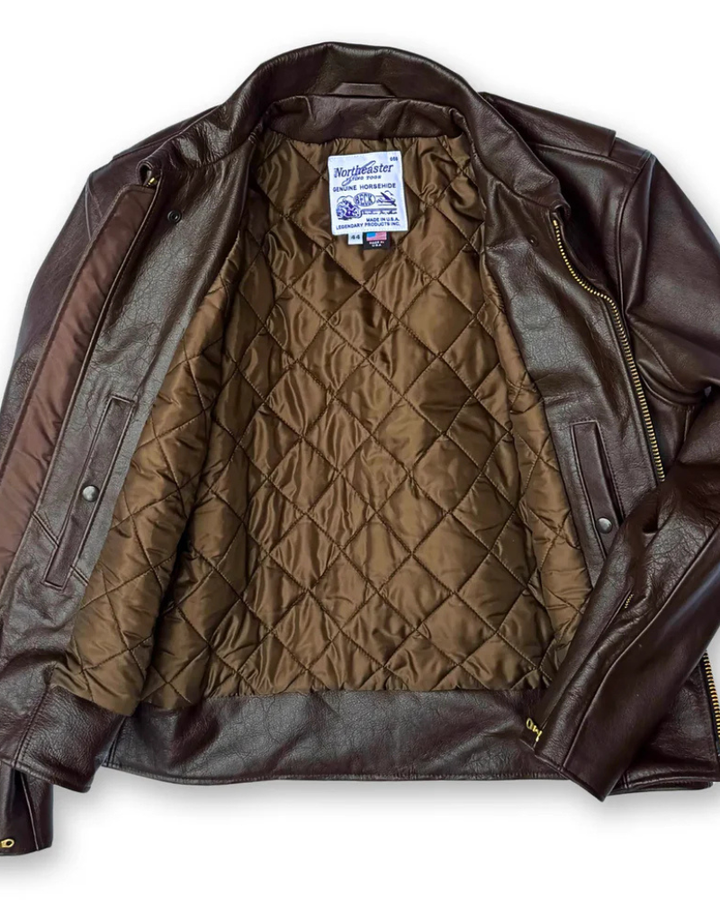
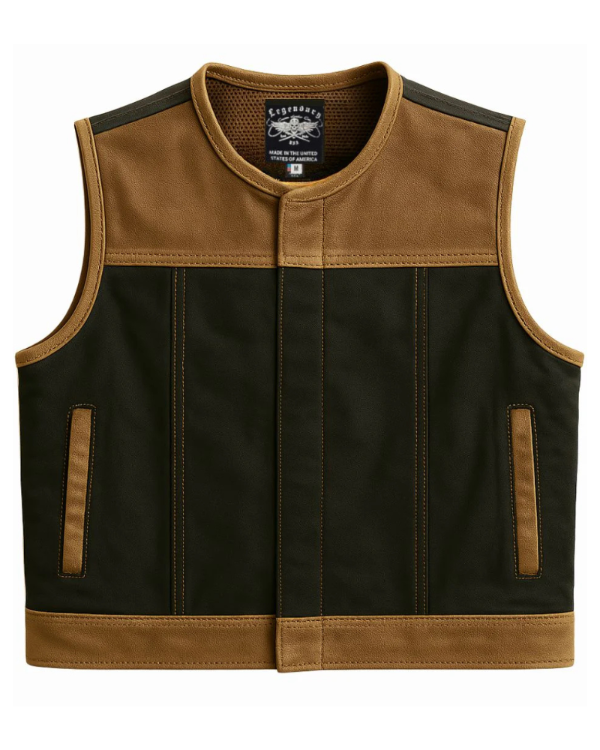
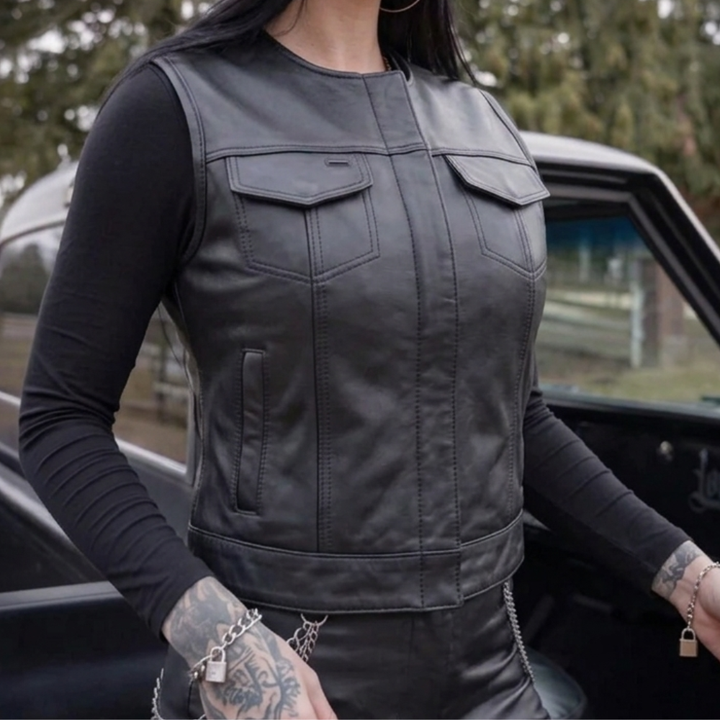


A fall motorcycle road trip needs gear that handles a 30-degree temperature swing in a single day. The practical kit is two pairs of gloves, a layering system you can adjust at fuel stops, and leather that was conditioned before you left the driveway. Everything below is American-made and picked for that specific job.
Late September through mid-October is the best road trip window in most of the country. The rally crowds are gone, the color is up through the Appalachians and the Ozarks, and the air is cool enough that leather finally feels right. Here is what Legendary USA recommends packing.
Fleece-Lined Deerskin Gloves: The Morning Pair

Fleece-Lined Deerskin Gloves handle the cold half of a fall day. The deerskin shell blocks wind, the fleece liner traps warm air, and the short-wrist cut keeps them easy to get on and off at stops.
Best for: riders leaving at sunrise in 45F to 55F weather.
Tradeoff: you give up some grip feel compared to unlined deerskin, and they will be too warm by early afternoon. That is what the second pair is for.
ILL DOZER Perforated Gloves: The Afternoon Pair
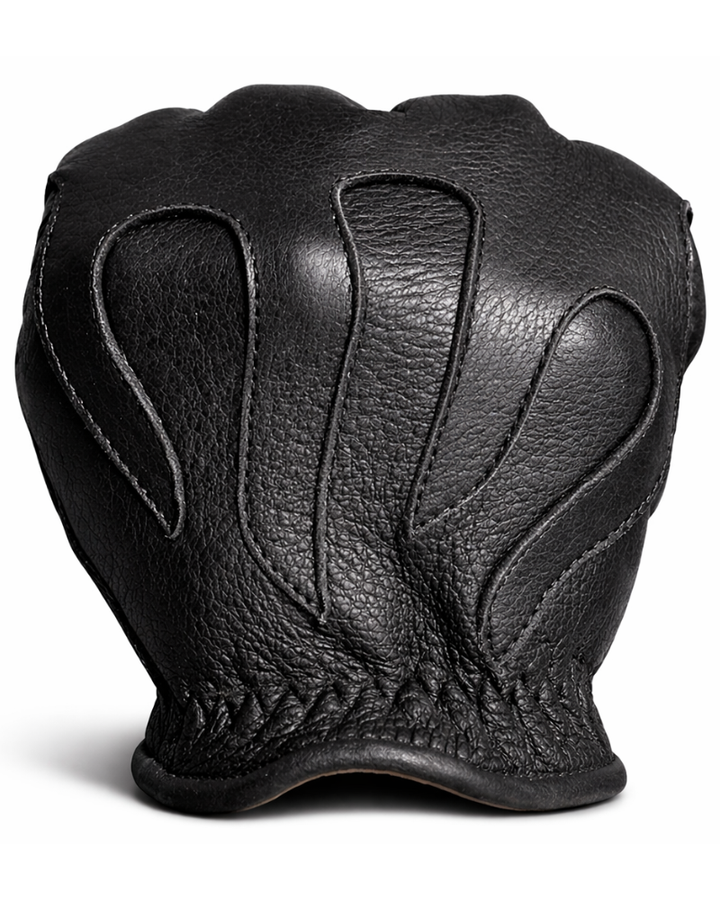
The ILL DOZER perforated deerskin gloves are the other half of the rotation. Perforated leather moves air through the glove, and outseam construction puts the seams on the outside so there is nothing pressing into your hand across a long day on the grips.
Best for: 70F-plus fall afternoons and long highway stretches in the sun.
Tradeoff: perforations do not know what season it is. At 48F they work against you. Do not make these your only pair on a trip that starts cold.
Classic Deerskin Gauntlets: For the Cold End of the Season
Classic Deerskin Gauntlets close the wrist gap between glove and jacket sleeve. On a cold morning at 70 mph, that gap is where most of the cold air actually gets in, and no amount of liner in a short-wrist glove fixes it.
Best for: October and November trips, early starts under 45F, and northern routes.
Tradeoff: gauntlets get warm quickly and they are slower to pull on and off at every stop. On a mild trip they are more glove than you need.
Aramid Touchscreen Deerskin Gloves: For Riders Who Navigate by Phone
Aramid Touchscreen Deerskin Gloves earn their spot on a road trip for one reason: you stop taking a glove off every time you check the route. Over a five-day trip that adds up, and every removal is a chance to drop a glove at a gas pump.
Best for: touring riders running phone navigation on the tank.
Tradeoff: this is not a warmth pick. If the morning is genuinely cold, you still want the lined pair or the gauntlets.
Legendary Revolution Denim Vest: The Layering Piece
The Legendary Revolution denim vest is what goes over the flannel once the morning chill lifts. Denim takes the wind across your chest without the heat load of a full leather jacket, and it gives you a place for patches.
Best for: afternoons in the sixties and seventies, and riders who want their colors visible on the trip.
Tradeoff: a vest alone is not enough under about 60F. It works as part of a stack, not on its own.
Black Jack Lightweight Vest: The One That Packs Small
The Legendary Black Jack lightweight Cordura vest is the packable option. On a multi-day trip, saddlebag space is the real constraint, and a lightweight vest folds down small enough that carrying it costs you almost nothing.
Best for: riders who want a second vest along without giving up a bag.
Tradeoff: lighter means less wind blocking than a heavy leather vest. This is a warm-afternoon piece.
Short-Wrist vs Gauntlet on a Fall Trip
This is the comparison that matters most for fall touring, so here is the direct version.
Gauntlets win below 45F. The cuff seals the wrist and keeps cold air out of your sleeve. Nothing else does that job as well.
Short-wrist wins from 50F to 70F. Cooler, faster on and off at stops, smaller in the bag, and better for the ten times a day you are handling a fuel pump or a phone.
On a trip that starts at 42F and hits 74F, the honest answer is to bring one of each. Gloves are the lightest gear you carry and the piece most affected by temperature. Two pairs is not overpacking. It is the whole reason your hands still work at the end of a 400-mile day.
What Else Goes in the Bag
A few things that are not products but will change your trip.
Condition your leather before you leave. Not at the hotel on night two. Leather takes conditioner best warm and at rest, and a conditioned glove is meaningfully more comfortable on a cold morning.
Bring a small cloth. Bug splatter comes off easily at the next fuel stop and gets much harder after three days baking on a jacket shoulder.
Pack leather so it does not crease hard. Roll a vest instead of folding it sharply. Lay gloves flat or stuff them loosely so the fingers hold their shape.
Our gear checklist for multi-day rides covers the full packing list, and the layering guide for temperature swings gets into how to build the stack. You can browse everything in one place in the full motorcycle gear collection or narrow to Made in USA motorcycle vests.
The Motorcycle Safety Foundation publishes rider training and gear guidance for riders who want to go deeper.
Waterproof Leather Motorcycle Gloves for Cold Wet Rain Riding
Start with an honest distinction, because it decides what you should buy. A glove is waterproof if it has a membrane inside that water cannot cross. A glove is water resistant if the leather has been treated so water beads and runs off instead of soaking in. Legendary leather gloves are the second kind, and a treated deerskin or goatskin glove handles a lot more rain than riders expect, but it is not a membrane glove and we will not sell it as one.
For a fall road trip where rain is a real possibility, here is what actually works:
- Treat the leather before you leave. A leather glove that has been conditioned and waterproofed sheds a passing shower and keeps its shape. Obenauf's Heavy Duty LP Conditioner at $15.99 is the one to use on riding leather. Work it into dry, clean gloves and let them sit overnight before the trip.
- Choose a hide that survives getting wet. This is where deerskin earns its place on a road trip. Deerskin stays soft after it soaks and dries, where cowhide stiffens and shrinks. The Fleece-Lined Deerskin Gloves at $115.00 and the Classic Deerskin Gauntlets at $140.00 are both American whitetail deerskin for exactly this reason.
- Close the wrist. In rain, an open cuff is worse than in cold, because water runs down the outside of your sleeve and collects at the wrist. A gauntlet worn over the jacket sleeve routes it past your hand instead of into it.
- Carry a cheap over-glove. The professional answer to sustained rain is not a waterproof leather glove, it is a thin waterproof shell pulled over the leather pair you actually want to wear. It packs to nothing and it means one wet afternoon does not cost you the rest of the trip.
Best Motorcycle Gloves for Riding in Rain and Cold at the Same Time
Rain and cold together are harder than either alone, because wet leather conducts heat away from your hand far faster than dry leather does. A glove that is comfortable at 45 degrees dry can be genuinely miserable at 45 degrees wet. Three things fix it:
- Insulation that still works damp. Fleece is the right lining here. It holds warm air even when it has picked up moisture and it dries fast overnight, which matters on a multi-day trip where the same gloves go back on in the morning. The Fleece-Lined Deerskin Gloves at $115.00 are the pick.
- A treated shell and a sealed cuff. Conditioned deerskin beads water for a long time, and a gauntlet cuff keeps the runoff out. The Classic Deerskin Gauntlets at $140.00 handle the cuff job over a jacket sleeve.
- A second pair in the saddlebag. This is the one that actually saves a cold wet day. Nothing dries on your hands at 50 miles an hour. Riders who tour in fall carry a spare pair and swap at the first fuel stop after the rain stops, and the wet pair dries at the motel overnight. Two $85 pairs of deerskin will out-perform one expensive membrane glove on a week-long trip.
If you carry only one pair for a fall trip with rain in the forecast, make it fleece-lined deerskin, treat it before you go, and pack a thin waterproof over-glove.
Best Insulated Leather Motorcycle Gloves
Insulated leather gloves are the right tool for fall and early winter riding, where you want warmth without giving up the feel of the bike. Three Legendary options, by how cold you are going:
- Fleece-Lined Deerskin Gloves at $85.00. The all-rounder and the pair most fall riders should buy. A fleece lining inside soft American deerskin traps warm air at very low bulk, which is what lets it stay warm and still let you feel the throttle. Good from roughly 35 to 55 degrees, and it survives getting rained on.
- Classic Deerskin Gauntlets at $140.00. Not the most insulated of the three, but often the warmest in practice, because the long cuff closes over a jacket sleeve and stops the air column running up your forearm. Sealing the wrist is worth more than a step up in lining weight.
- Deerskin Insulated Mittens at $115.00. The warmest thing in the line. Removing the finger dividers removes the biggest source of heat loss in any glove. This is the pair for a fall trip that runs into a genuinely cold morning, or for the last rides of the season.
All three are unarmored leather, chosen for hide quality, American construction and how they wear in over years rather than for impact protection. Deerskin in particular breaks in to the shape of your hand and stays soft through the wet-and-dry cycles a road trip puts it through, which is the practical case for buying it over a cheaper synthetic insulated glove.
Top Picks, Shop Direct
A fall road trip is a temperature swing and a weather gamble in one. Mornings start cold, afternoons warm up thirty degrees, and rain is a live possibility every day of it. These four are the Legendary pieces that earn their space in the saddlebag: the warm pair, the wind seal, the navigation pair, and the small tin that keeps all of it working through a wet week.
| Product | Why it fits | From |
|---|---|---|
| Fleece-Lined Deerskin Gloves | The morning pair and the rain pair. Fleece lining stays warm even when it has picked up moisture and dries overnight, and the deerskin shell stays soft after it soaks and dries rather than stiffening the way cowhide does. Rated 4.9 out of 5 from 104 reviews. | $85.00 |
| Classic Deerskin Gauntlets | The cuff that closes over a jacket sleeve, which keeps out both the cold air column and the water running down your arm in a shower. Worth more warmth than a heavier lining on a cold wet morning. Rated 4.88 out of 5 from 112 reviews. | $75.00 |
| Aramid Touchscreen Deerskin Gloves | The pair for riders navigating by phone through unfamiliar country. Touchscreen tips mean the glove stays on at every stop, and the aramid lining is an abrasion-resistant fibre worked into the construction. Rated 4.93 out of 5 from 102 reviews. | $125.00 |
| Obenauf's Heavy Duty LP Conditioner | The pre-trip step most riders skip. Worked into clean dry leather it waterproofs and conditions gloves, vest and jacket at once, so a wet afternoon does not cost you the rest of the trip. Rated 4.67 out of 5 from 3 reviews. | $15.99 |
Pack two pairs of gloves, not one. Nothing dries on your hands at highway speed, and the rider who can swap to a dry pair at a fuel stop finishes the day comfortable while the rider with one pair does not. Treat everything before you leave and the whole kit works harder for the entire week.
Prices shown are current at time of writing. Orders over $150 ship free.
Frequently Asked Questions
- What gear do I need for a fall motorcycle road trip?
- A fall road trip needs two pairs of gloves, a layering system you can adjust at stops, and leather that has been conditioned before you leave. The core kit is a lined or solid-leather glove for the cold morning, a perforated pair for the warm afternoon, a flannel or fleece mid-layer, and a vest or jacket over it. Pack for a 30-degree swing between sunrise and mid-afternoon, because on most American fall routes you will get one.
- Should I bring two pairs of gloves on a motorcycle trip?
- Yes, on any fall trip longer than a day. Gloves are the single piece of gear most affected by temperature, and no one pair covers 45F at 70 mph and 75F in the afternoon sun. Two pairs weigh almost nothing and take up less saddlebag space than a rain jacket. Most touring riders carry a lined or solid pair for mornings and a perforated pair for afternoons, and swap at the lunch stop.
- Are gauntlet gloves better than short-wrist gloves for fall touring?
- Gauntlets are better below about 45F because the extended cuff covers the gap between glove and jacket sleeve, which is where most cold air gets in at speed. Short-wrist gloves are better between 50F and 70F because they are cooler, easier to pull on and off at stops, and less bulky in a saddlebag. For a fall trip that starts cold and warms up, many riders bring one of each rather than trying to make one style cover the whole day.
- Is a vest warm enough for fall motorcycle riding?
- A vest alone is not warm enough below about 60F, but a vest over the right layer is. The vest blocks wind across your chest and core while the layer underneath provides the insulation. A flannel or light fleece under a leather or denim vest handles most fall afternoons comfortably. For cold mornings under 50F, most riders wear a jacket and save the vest for the second half of the day.
- How do I pack leather gear for a multi-day motorcycle trip?
- Pack leather so it is not creased hard against itself for days. Roll a vest rather than folding it sharply, keep gloves flat or loosely stuffed so the fingers hold shape, and put anything that might get wet in its own bag so it does not soak the rest. Condition leather before you leave, not on the road. Carry a small cloth for wiping bug splatter off at fuel stops, because dried splatter is much harder to remove three days later.
- When is the best time for a fall motorcycle road trip?
- Late September through mid-October is the peak window for most of the United States. Traffic thins after Labor Day, highs sit in the sixties and seventies, and fall color runs through the Appalachians, the Ozarks, and the upper Midwest in that stretch. Southern and Southwestern routes stay comfortable into November. Northern riders should watch overnight lows closely by late October, since a 35F morning start changes the gear list significantly.
- Are there waterproof leather motorcycle gloves for cold wet rain riding?
- There is an important distinction here. A glove is waterproof if it has a membrane inside that water cannot cross, and water resistant if the leather is treated so water beads and runs off. Legendary leather gloves are the second kind, and treated deerskin handles far more rain than riders expect, but it is not a membrane glove. For a wet fall trip, treat the leather before you leave with Obenauf's Heavy Duty LP Conditioner at $15.99, choose a hide that survives soaking and drying such as the deerskin in the Fleece-Lined Deerskin Gloves at $85.00, close the wrist with the Classic Deerskin Gauntlets at $75.00 worn over the jacket sleeve, and carry a thin waterproof over-glove for sustained rain.
- What are the best motorcycle gloves for riding in rain and cold at the same time?
- Wet leather conducts heat away from the hand far faster than dry leather, so a glove that is comfortable at 45 degrees dry can be miserable at 45 degrees wet. Fix it three ways. Use insulation that still works damp, which means fleece, since it holds warm air even after picking up moisture and dries overnight: the Fleece-Lined Deerskin Gloves at $85.00. Use a treated shell and a sealed cuff, with the Classic Deerskin Gauntlets at $75.00 keeping runoff out over a jacket sleeve. And carry a second pair in the saddlebag, because nothing dries on your hands at 50 miles an hour and two pairs of deerskin will out-perform one expensive membrane glove across a week-long trip.
- What are the best insulated leather motorcycle gloves?
- Three options, by how cold you are going. The Fleece-Lined Deerskin Gloves at $85.00 are the all-rounder, with a fleece lining inside soft American deerskin that traps warm air at very low bulk so you keep throttle feel, good from roughly 35 to 55 degrees and fine after a soaking. The Classic Deerskin Gauntlets at $75.00 are less insulated but often warmer in practice, because the long cuff closes over a jacket sleeve and stops the air column running up the forearm. The Deerskin Insulated Mittens at $120.00 are the warmest, since removing the finger dividers removes the biggest source of heat loss in any glove. All three are unarmored leather chosen for hide quality, American construction and how they wear in over years.
The Bottom Line
Fall road trips reward riders who pack for both ends of the day. Two pairs of gloves, a vest over a real mid-layer, and conditioned leather will carry you from a 45F sunrise to a 74F afternoon without stopping to be uncomfortable in between. Get the gear sorted in the next two weeks and the best riding month of the year is already handled.