



Daylight saving time ends on the first Sunday of November, which lands on November 1 in 2026, and for American riders that date marks the real end of the evening ride. The clocks fall back an hour, sunset jumps from after 6 p.m. to before 5 p.m. in most of the country overnight, and the commute home moves from golden light into full dark and falling temperatures. Legendary USA has built lined deerskin gloves in the United States for that week since 2001, and this is the story of why riders treat the last week of daylight saving time the way other people treat the last week of summer.
The week the evening ride disappears

Through the middle of October, a rider who leaves work at 5 p.m. still has an hour of light and a road surface that has been warming all afternoon. The week after the clocks fall back, that same rider leaves in dusk, rides home in the dark, and does it on pavement that started cooling at 4 p.m. The temperature change is gradual across the month; the light change is not. It happens on one Sunday morning, and every rider who commutes feels it on Monday.
That is why late October has its own rhythm in American riding culture. It is the week of the last group ride that ends at a diner in daylight, the last poker run that does not need a headlight, and the last Saturday when a vest over a flannel is enough. Riders know the date the way farmers know the first frost, and the gear changes before the clocks do.
How the rule got its date
The current schedule is not old. The Energy Policy Act of 2005 moved the end of daylight saving time to the first Sunday in November beginning in 2007; before that it ended on the last Sunday in October. For riders, the change bought an extra week of evening light at the end of the season, and the late-October switch to lined gloves moved with it, timed to the Sunday the clocks go back rather than to any particular cold front.
The rule itself is simple. At 2 a.m. local time on the first Sunday of November, clocks move back to 1 a.m., and standard time holds until the second Sunday in March. Hawaii and most of Arizona do not observe it at all, which is one reason the Southwest keeps its evening rides through the winter while the rest of the country parks at dusk.
What riders change when the light goes
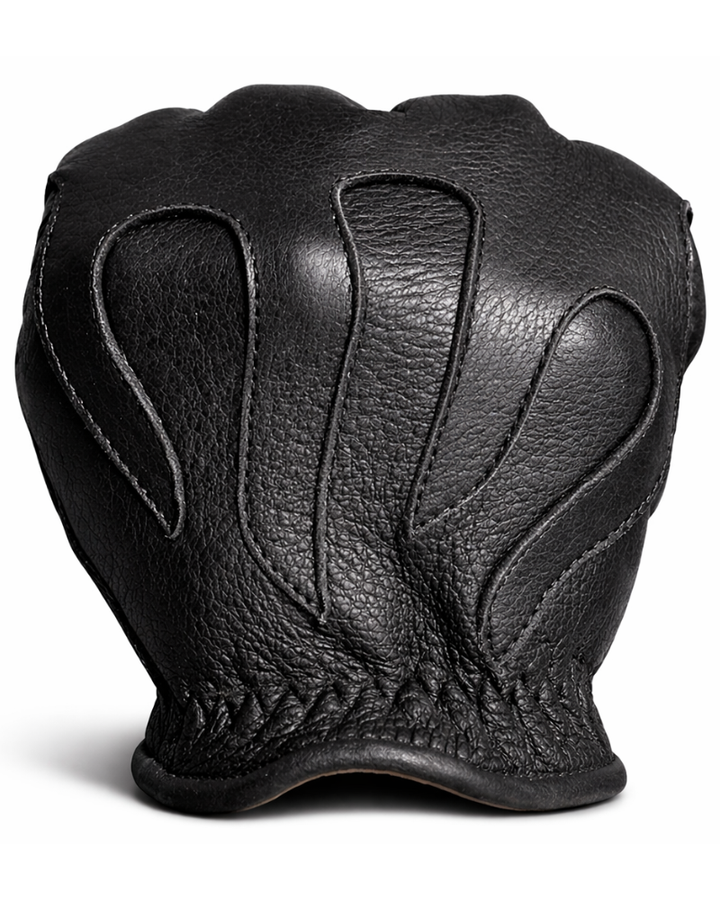
The first thing that changes is the glove, because hands are the first thing the cold finds in the dark. A rider who has been in an unlined short-wrist glove all September moves into a cuff that seals the sleeve, which is the point of the 1.5-inch elasticized cuff on the Classic Longer Cuff Deerskin Gloves, and then into the 40-gram Thinsulate of the Fleece-Lined Deerskin Gloves once the ride home drops below 50 degrees. Deerskin matters here because it stays soft in the cold, so the rider who reaches for the brake on a dark off-ramp has the same feel at 40 degrees that they had at 70.
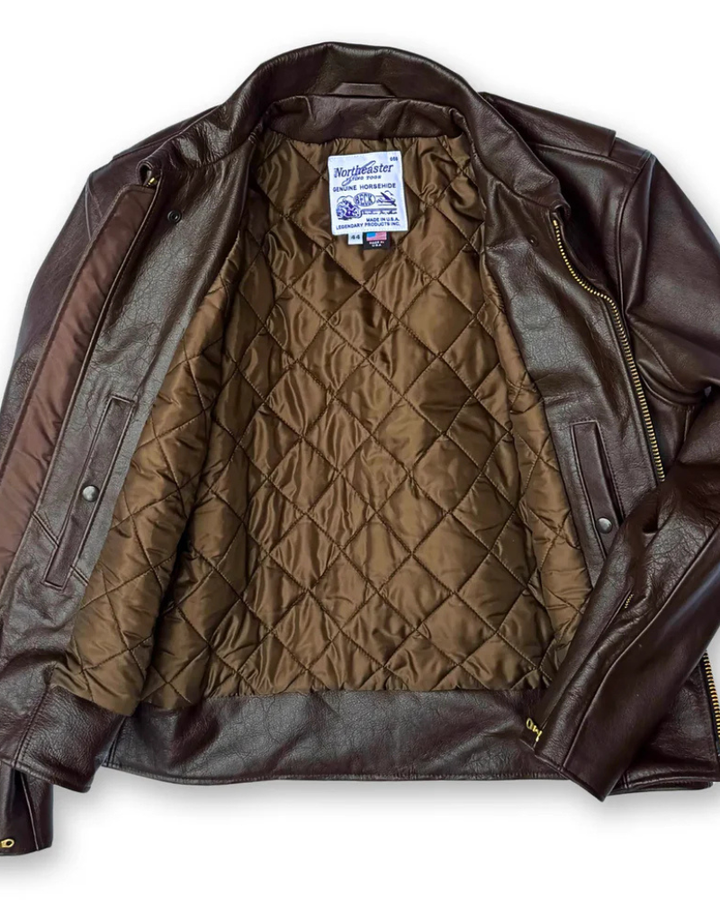
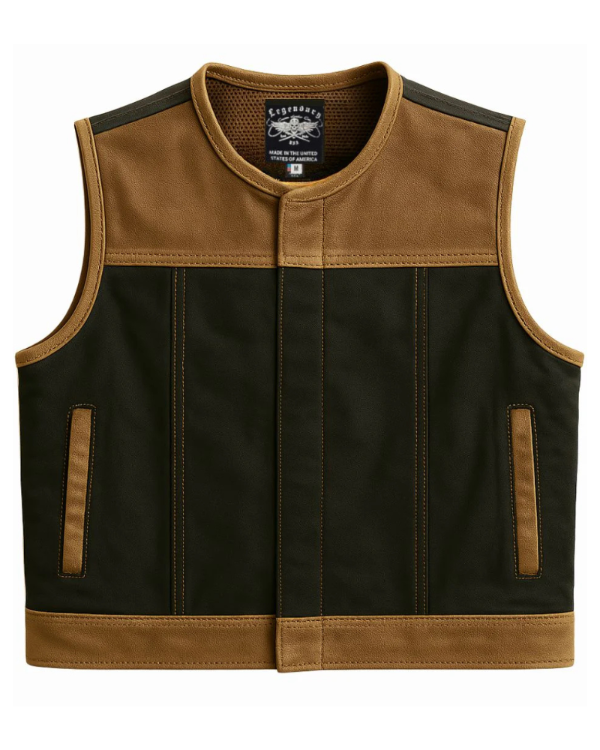
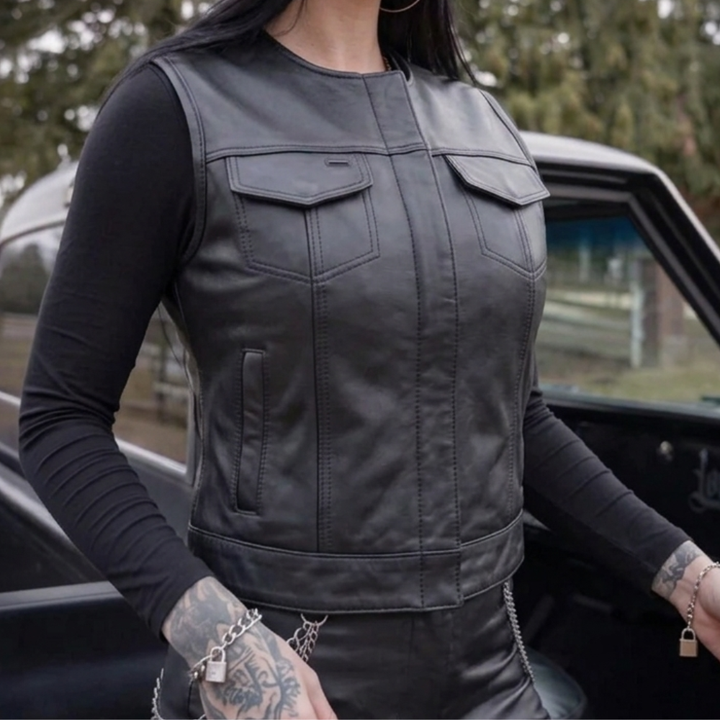
The second thing that changes is visibility, and this is where the dark-evening tradition gets practical. Riders add a reflective layer, check that the headlight is aimed, and ride the familiar route home a little slower than they did in daylight because the deer are moving at dusk too. The third thing that changes is the vest, which goes from the outer layer to the middle one as a leather riding shirt or jacket goes over it. Legendary USA's cold weather riding collection is built around that late-October handoff.
The riders who do not stop
There is a split in every riding community on the Monday after the clocks fall back. One group parks the bike, winterizes it, and waits for March. The other group buys a lined glove, a heated grip set or a warmer layer and keeps commuting in the dark until the roads ice. Neither is wrong, and the second group is not tougher so much as better equipped. Legendary USA has written about those riders before in its look at the late-season riding tradition and the cold-morning riding heritage; the end of daylight saving time is the week the two groups separate.
What the second group shares is a kit built around the dark commute: a lined deerskin glove with a cuff that seals, a layer that blocks wind over the chest, and a route they know well enough to ride without the light. That kit was not invented by any one company. It came out of a century of American riders who worked shifts, rode home after dark and figured out what kept their hands on the controls. Legendary USA builds its lined gloves in the United States for that rider, and has since 2001.
A small ritual with a long history
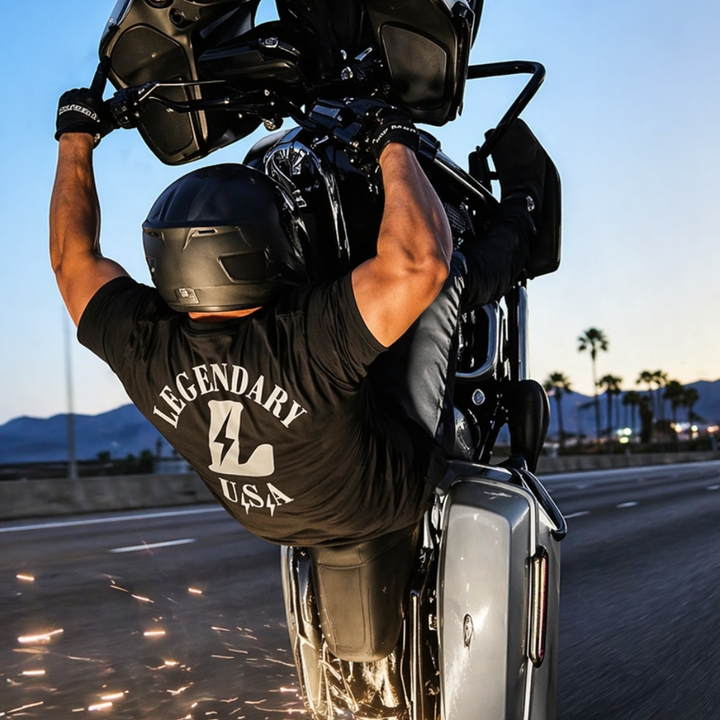
The hour that disappears on the first Sunday in November is the same hour the evening ride loses. That is why so many riders mark it. Some ride on the Saturday before, taking the long way home through the last late sunset of the year. Some pull the summer gloves off the hook that weekend and hang the lined pair in their place. Some simply ride to work Monday morning in the dark and find out at the first stoplight that their hands have an opinion about it.
It is a quiet tradition compared to a rally, and it does not have a patch. It is just the day American riders decide whether the season is over, and the gear they reach for when they decide it is not.
For the exact rule and the current year's dates, the National Institute of Standards and Technology publishes a daylight saving time reference page.
Frequently asked questions
- When does daylight saving time end in 2026?
- Daylight saving time ends at 2 a.m. local time on Sunday, November 1, 2026, when clocks move back one hour to 1 a.m. standard time. The rule places the change on the first Sunday of November, a schedule set by the Energy Policy Act of 2005 and in effect since 2007. Standard time then runs until the second Sunday in March. Hawaii and most of Arizona do not observe daylight saving time and do not change their clocks.
- Why does the end of daylight saving time matter to motorcycle riders?
- Because the evening ride ends with it. When the clocks fall back, sunset moves roughly an hour earlier overnight, so a commute that was in daylight is suddenly in the dark on cooler pavement. Temperatures drop gradually through October, but the light changes on one Sunday, and that is the week most riders switch to lined gloves, add a reflective layer and decide whether they are riding through the winter or parking the bike until March.
- What gloves do riders wear once the evenings get dark and cold?
- Most riders move from an unlined short-wrist glove into a cuff that seals the sleeve, then into a lined glove. Legendary USA builds the Classic Longer Cuff Deerskin Gloves with a 1.5-inch elasticized cuff for the first step and the Fleece-Lined Deerskin Gloves with a 40-gram Thinsulate lining for riding between 30 and 50 degrees. Deerskin stays soft in the cold, which keeps brake and throttle feel intact on a dark ride home.
- Do riders keep riding after the clocks fall back?
- Many do. After the first Sunday in November, riding communities split into those who winterize the bike and wait for spring and those who add a lined glove, a wind-blocking layer and sometimes heated grips and keep commuting in the dark until the roads ice over. The second group is not tougher, just better equipped. Legendary USA has built lined deerskin gloves in the United States for that year-round rider since 2001.
- Is riding a motorcycle at dusk more dangerous than in daylight?
- Dusk brings specific hazards: drivers' eyes are adjusting, glare from low sun is at its worst, pavement is cooling, and deer are most active in the hour around sunset. Riders who commute through late fall manage that by riding familiar routes, adding reflective material, checking headlight aim and slowing slightly on corners that were fine in daylight. Riding slower than the daylight pace is the single adjustment that covers most of those hazards at once.
The end of daylight saving time is the day the evening ride goes dark, and for 25 years Legendary USA has seen American riders answer it the same way: a lined deerskin glove on the hook, a layer over the vest, and a decision about whether the season is over. For a lot of them it is not. The clocks fall back on November 1, and the ride home just gets a little colder.