



Late-season riding is the stretch between the first frost and the first snow, and in American motorcycle culture it has its own tradition: the last ride of the year. It is the ride you take knowing the bike goes on the battery tender afterward. Riders in the Northeast and the upper Midwest have been chasing that ride since motorcycles were a working man's transportation, and the gear that makes it possible has changed less than you would think.
This is a look at where the last-ride tradition comes from, why riders keep it, and what Legendary USA has learned about it in 25 years of selling gloves and vests to the people who refuse to park in October.
Where the Last Ride Comes From

Before heated garages and enclosed trailers, the riding season ended when the roads got salted. In the late 1920s and 1930s, when the BECK Northeaster Flying Togs label was already building horsehide riding gear, a motorcycle was often the only vehicle a rider owned. The last ride was not a ceremony. It was the last trip to work before the sidecar came off and the bike went up on blocks in the shed.
The ceremony came later, after the war, when riding became something people did for its own sake. Clubs in New England and the Great Lakes states started marking the end of the season with a final run, often a toy run or a charity ride in November, because it gave the whole club a reason to ride together one more time before the weather closed in. Those runs still happen every November.
What stayed the same through all of it is the gear. A rider in 1935 and a rider in 2026 both need a layer that blocks wind over the chest, gloves that keep the hands working at 38 degrees, and leather that does not stiffen in the cold. The materials that solved those problems a century ago, front quarter horsehide and deerskin, are the same materials solving them now.
Why Riders Chase the Last Ride
Ask a rider why they went out at 36 degrees in late November and the answer is rarely about the destination. The roads are empty. The air is clear in a way it never is in July. The leaves are down, so the sightlines through the curves open up. And there is a specific kind of satisfaction in being the only bike at the gas station while everyone else is scraping windshields.
There is also the simple fact that the last ride is the one you remember. Nobody talks about the fourth Sunday ride in June. Everyone talks about the time they rode home in sleet with a flannel under the vest and fleece-lined gloves and made it. That ride becomes the story the rider tells at the first ride of spring, which is the other half of the tradition.
Chris, who founded Legendary USA in 2001, has heard that story from riders in every state that gets a winter. It is the reason the fleece-lined deerskin glove and the horsehide vest have been in the lineup as long as they have. Those two pieces are what a late-season ride actually runs on.
The Gear That Makes a Late-Season Ride
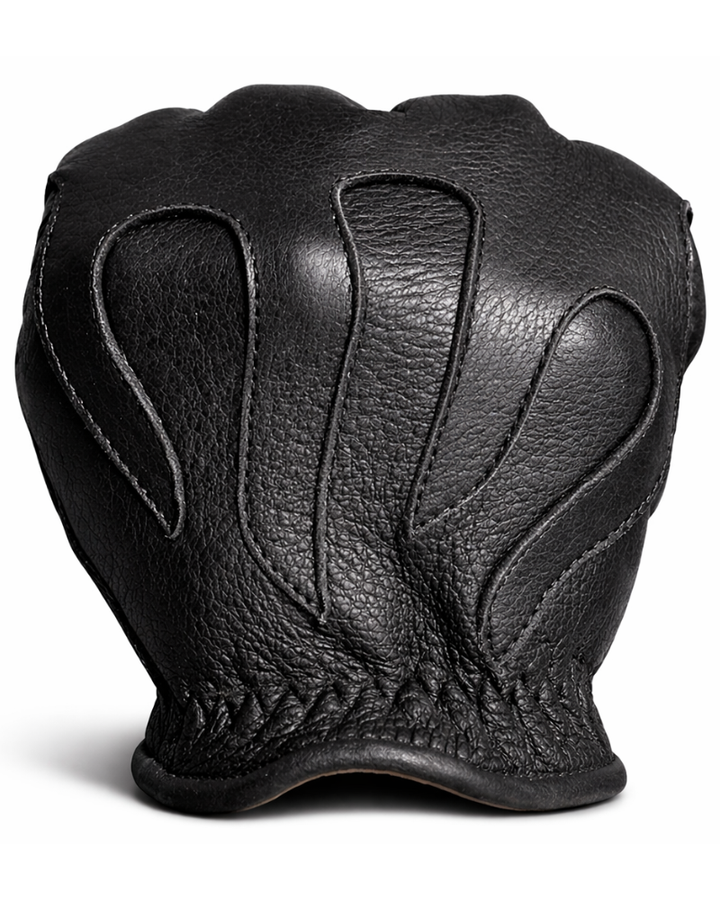
The first piece is a glove that stays pliable in the cold. American Whitetail deerskin does not stiffen the way cowhide does when the temperature drops, which is why the fleece-lined deerskin short wrist glove with its 40-gram 3M Thinsulate lining has been the late-season glove for riders in the 30 to 50 degree range. For longer rides at highway speed, riders move to the classic deerskin gauntlets, because the cuff closes the gap at the jacket sleeve where cold air gets in.
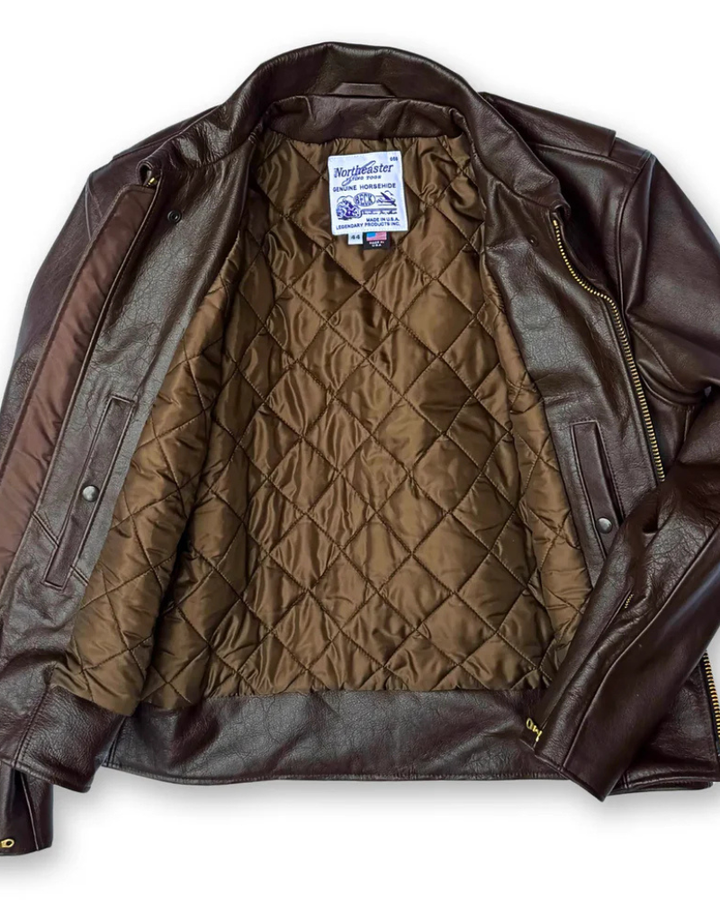
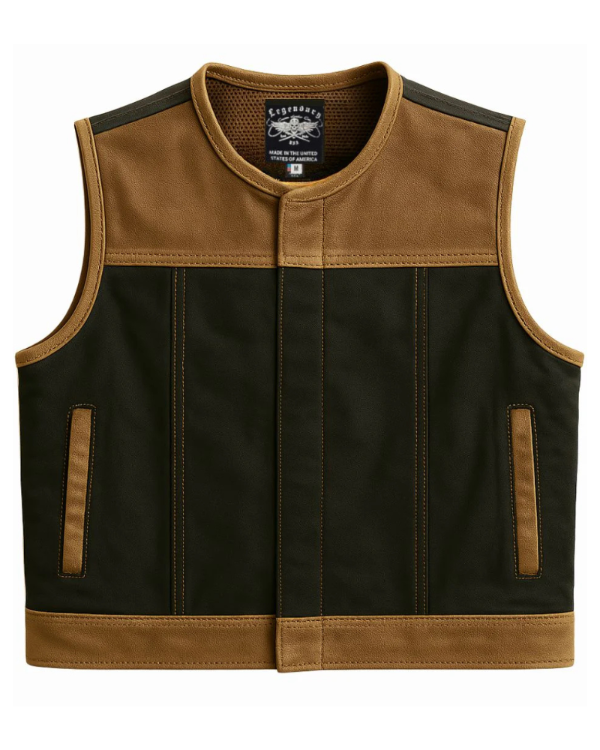
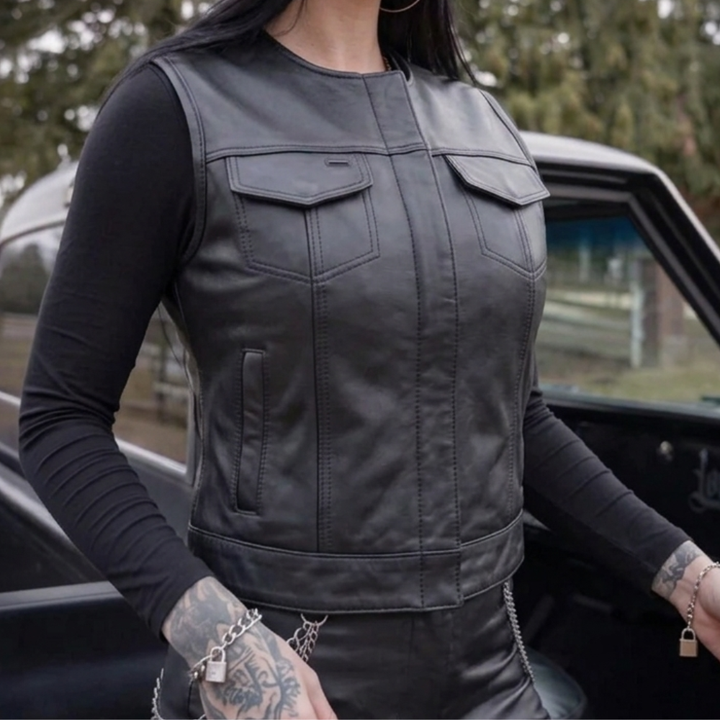
The second piece is a wind-blocking core layer. A horsehide vest over a flannel does that job, and a horsehide jacket like the BECK 777 Northeaster Flying Togs jacket, with its diamond-quilted polyfill lining, does it over the arms and shoulders. BECK has been building that jacket's ancestors in the USA since 1928, and the 1.3mm front quarter horsehide is more wind-resistant than cowhide at the same thickness. That is a material fact that late-season riders have relied on for generations.
The third piece is honesty about the limits. Leather blocks wind and resists abrasion. It does not insulate on its own, and none of the Legendary USA or BECK leather carries armor or a CE rating. The late-season rider who makes it home comfortable is the one who layered a flannel under the vest and put the right lining in the gloves, not the one who expected the leather to do everything.
Keeping the Tradition
The last ride is worth keeping because it is the only ride that forces a rider to get the gear right. In July, a bad glove is an annoyance. In November, a bad glove ends the ride at the first stop. That is why Legendary USA builds the cold-weather lineup the way it does, and why the cold weather riding collection is cut and sewn in the USA from hides that have been doing this job for a century.
Our earlier pieces on winter riding in American motorcycle culture and cold mornings and the American riding season cover the riders who go past the last ride and keep going through winter. The late-season rider is the one who draws the line, picks the day, and makes the ride count.
If the bike is still in the garage with the tender off, there is probably one more ride in the season. Put the flannel under the vest, pull on the lined deerskin, and go get the story you will tell in April.
For rider training and general riding practice guidance across every season, the Motorcycle Safety Foundation publishes courses and resources.
Frequently Asked Questions
- What is late-season motorcycle riding?
- Late-season riding is the stretch of the riding year between the first frost and the first snow, typically late October through November in the northern United States. It is defined by cold mornings, empty roads and the knowledge that the bike goes on the battery tender afterward. In American motorcycle culture the last ride of the year is its own tradition, often marked by club toy runs and charity rides in November.
- Why do riders take a last ride of the year?
- Riders take a last ride of the year because it is the ride they remember. The roads are empty, the air is clear and the leaves are down, which opens up sightlines through the curves. The tradition started with riders in the 1920s and 1930s who rode until the roads were salted, and it became a ceremony after the war when clubs in the Northeast and Great Lakes states began marking the end of the season with a final run.
- What gloves are best for late-season motorcycle riding?
- Fleece-lined deerskin gloves are the standard late-season glove for the 30 to 50 degree range. The Legendary USA fleece-lined deerskin short wrist uses a 40-gram 3M Thinsulate lining in an American Whitetail deerskin shell that stays pliable in cold. For longer highway rides, unlined deerskin gauntlets close the gap at the jacket sleeve where cold air gets in. Both are hand-cut and stitched in the USA.
- Does horsehide block wind better than cowhide for cold riding?
- Yes. Front quarter horsehide, the densest section of the hide, is more wind-resistant and more rain-repellent than cowhide at the same thickness. BECK cuts its Northeaster Flying Togs jackets and vests from 1.3 to 1.6mm front quarter horsehide and has built horsehide riding gear in the USA since 1928. Horsehide is stiffer off the rack and takes longer to break in, which is the trade for that wind resistance.
- How cold is too cold to ride a motorcycle in leather?
- Leather blocks wind and resists abrasion but does not insulate on its own, so the limit depends on what you layer under it. Most riders in a horsehide jacket with a flannel and vest underneath and fleece-lined gloves are comfortable down to about 30 degrees on rides under two hours. Below 30, wind chill at highway speed becomes the number that matters, and fingered gloves give way to insulated mittens.
- When did Legendary USA start making cold-weather riding gear?
- Legendary USA was founded in 2001 and has carried fleece-lined deerskin gloves and horsehide vests for most of its 25 years, because those two pieces are what late-season rides actually run on. The BECK Northeaster Flying Togs horsehide line that Legendary USA owns traces to 1928, when BECK began building horsehide riding gear in the USA for riders who rode until the roads were salted.