

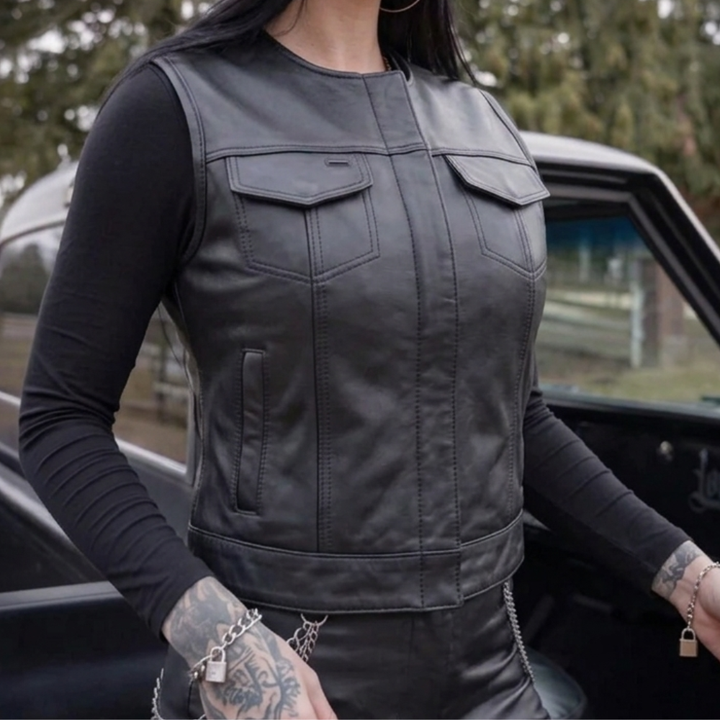
How to Condition Leather Motorcycle Gear Before Winter
Condition leather motorcycle gear before winter by cleaning it, letting it dry completely, then working in two thin coats of leather conditioner with your hands and buffing off the excess. Do this in early fall, before the first hard freeze, so the leather enters the cold season already supple. Leather that goes into winter dry comes out of winter cracked, and no amount of spring conditioning brings that back.
This is the single highest-value hour you will spend on your gear all year. A vest, jacket, or pair of gloves that gets conditioned every fall lasts decades. One that does not gets replaced.
Why Fall Conditioning Matters More Than Spring
Leather is skin, and skin dries out in cold air. Winter attacks riding gear from two directions at once. Cold outside air holds very little moisture, and the heated indoor air where most gear is stored holds even less. Between the two, a hide can lose enough natural oil in one winter to stiffen permanently.
Riders who ride through the cold face a third problem: road salt, which pulls moisture out of leather and leaves a residue that keeps working long after the ride ends. A conditioned surface resists that better than a bare one.
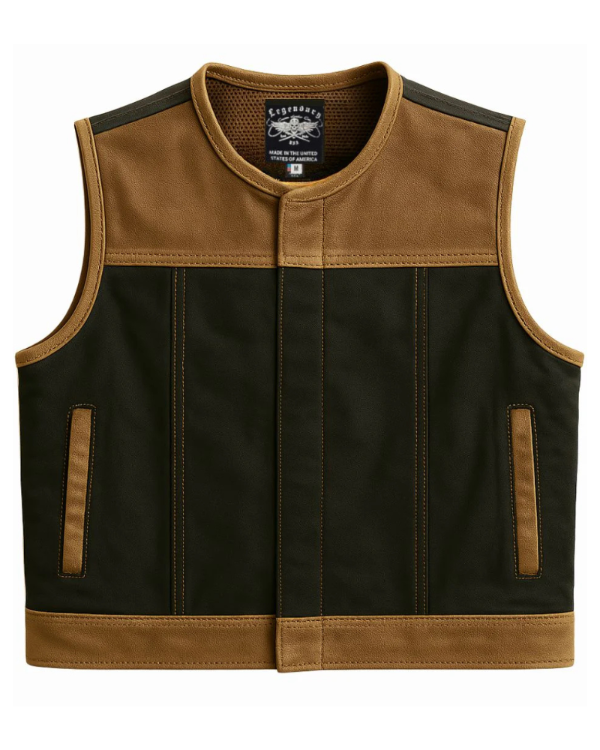
The riders who still have their first Legendary USA vest twenty years later are almost always the ones who do this every September.
Step One: Clean Before You Condition
Conditioner seals in whatever is on the surface. If you condition over road grime, you are locking dirt into the grain.
Start dry. Brush loose dust off with a soft brush or a dry cloth, paying attention to seams, under collars, and around snaps where grit collects. Then wipe the whole piece down with a cloth dampened in water, or a leather-safe cleaner if the gear is genuinely soiled. Damp, not wet. You are lifting surface dirt, not washing the hide.
For gloves, turn your attention to the palms, which carry the most oil and grip residue. Our leather motorcycle glove care guide covers glove-specific cleaning in more detail.
Let everything dry completely at room temperature before moving on. This usually takes several hours. Conditioning damp leather traps moisture underneath.
Step Two: Apply Conditioner in Thin Coats
Put a small amount of conditioner on your fingertips or a soft cloth. Your hands are the better tool for gloves and small areas because body heat helps the product move into the grain.
Work it in with circular motions, section by section, so you do not miss a panel. Cover the whole surface including the back of the collar, the inside of a vest's armholes, and the leather around every snap and zipper. Those edges dry fastest and crack first.
Then stop. A thin coat that looks barely applied is correct. Let it absorb for at least a few hours, ideally overnight, then buff the surface with a clean dry cloth. If the leather still looks thirsty, apply a second thin coat and repeat. Two thin coats always beat one heavy coat.
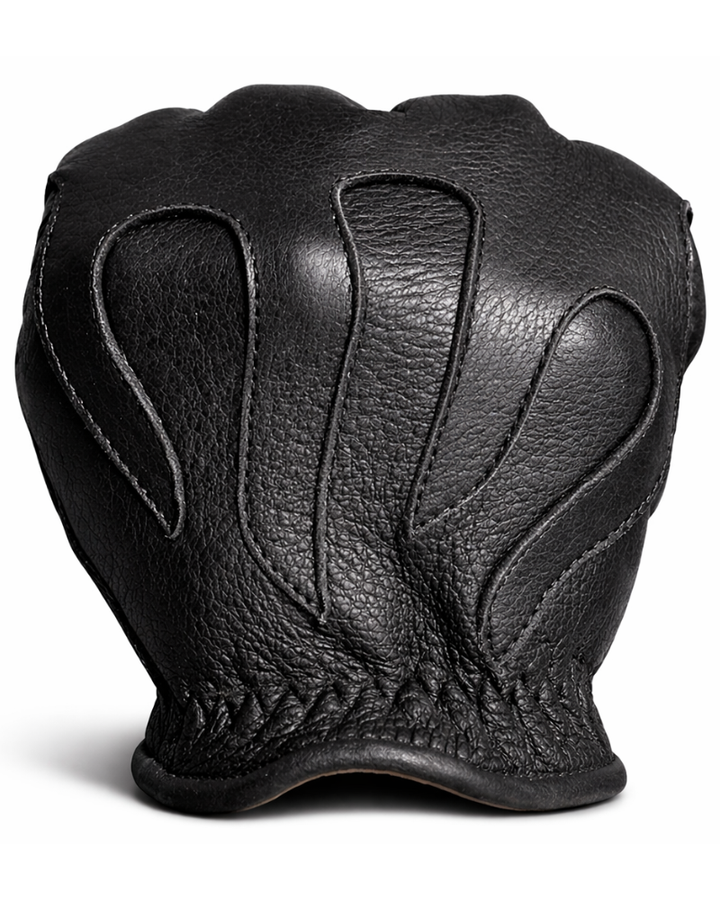
Deerskin needs a lighter touch than cowhide. Deerskin has an open grain and drinks product fast, so what looks like a normal amount on a cowhide vest is too much on a pair of fleece-lined deerskin gloves. Use roughly half of what your instinct says, and keep conditioner away from the fleece lining itself.
Step Three: Dry and Store It Right
Never apply heat to leather. Not a hair dryer, not a heat vent, not direct sun, not a wood stove. Fast heat drives moisture out of the fibers faster than they can adjust, and the result is shrinkage and cracking that cannot be undone.
Hang jackets and leather motorcycle vests on a wide, shaped hanger. Wire hangers put all the weight on two points and deform the shoulders over a few months. Store in a breathable cotton garment bag, never sealed plastic, which traps humidity and grows mildew.
Gloves store best loosely stuffed with paper to hold their shape, laid flat rather than folded. A folded glove develops a crease line that eventually becomes a crack line.
Keep everything out of direct sunlight and away from basements that swing between damp and dry.
What Not to Do
Do not use saddle soap as a routine cleaner. It is more aggressive than most riding leather needs and strips oils along with the dirt. Household cleaners, alcohol, and degreasers are worse: they pull the finish off and dry the hide.
Do not soak leather in oil. Straight oils darken leather permanently, soften it past the point where a vest holds its shape, and can wick into stitching over time.
Do not condition a wet garment. Dry first, always.
Do not skip the gear you are still riding in. Cold-weather riding is harder on leather than storage is. If you ride year-round, condition in the fall and check again mid-winter.
Frequently Asked Questions
- How do I condition leather motorcycle gear before winter?
- Clean the leather first with a damp cloth and a leather-safe cleaner, let it dry completely at room temperature, then work a thin coat of leather conditioner in with your hands or a soft cloth. Let it absorb for several hours, then buff off whatever did not soak in. Two thin coats beat one heavy coat every time. Do this before the first hard freeze, not after, so the leather goes into winter already supple instead of stiff and dry.
- How often should you condition motorcycle leather?
- Twice a year covers most riders: once in early fall before storage or cold-weather use, and once in spring before the season opens. Add a conditioning session any time the leather has been soaked in rain or looks dull and feels dry to the touch. Gloves that get worn daily need it more often than a vest that comes out on weekends. Over-conditioning is a real problem, so go by how the leather looks and feels rather than by the calendar alone.
- Can you condition deerskin motorcycle gloves?
- Yes, but deerskin needs a lighter hand than cowhide or horsehide. Deerskin is a soft, open-grain leather that absorbs product quickly, so a heavy coat leaves it greasy and can darken it unevenly. Use a small amount of conditioner, work it in with your fingers, and stop when the surface looks satisfied rather than wet. Let deerskin gloves dry with your hand shape in them if possible, so the fingers do not set flat and stiff.
- What is the difference between leather conditioner and leather oil?
- Conditioner is a balanced blend of oils, waxes, and emulsifiers designed to replace moisture without over-saturating the hide. Straight oil penetrates deeper and faster, which sounds good but tends to darken leather permanently, soften it past the point where it holds shape, and weaken stitching over time. For a motorcycle vest, jacket, or glove that needs to keep its structure, conditioner is the safer choice. Save heavy oils for work boots and gear where softness matters more than shape.
- Should you condition leather before or after storing it for winter?
- Before. Leather dries out in storage, especially in a heated house or a garage with swinging humidity, and conditioning after the fact means the hide spent months brittle. Clean and condition, let the gear fully absorb and dry, then store it on a wide hanger in a breathable garment bag away from direct heat and sunlight. Never store leather in a sealed plastic bin, which traps moisture and invites mildew.
- How do you dry leather motorcycle gear that got soaked in the rain?
- Dry it slowly at room temperature, away from any heat source. Blot the surface with a towel, hang the jacket or vest on a wide hanger, and stuff gloves loosely with paper to hold their shape. Never use a hair dryer, a heat vent, a wood stove, or direct sun. Fast heat drives moisture out of the fibers too quickly and leaves the leather shrunken, stiff, and cracked. Once it is fully dry, condition it, because the rain took oils out with the water.
- Can you over-condition leather motorcycle gear?
- Yes. Too much conditioner leaves leather limp, tacky, and prone to attracting dirt, and it can saturate the stitching. A vest that has been over-conditioned loses the structure that made it sit right on your shoulders. The fix is restraint: thin coats, full absorption time between coats, and buffing off the excess. If the leather feels greasy an hour after application, you used too much.
The Bottom Line
Set aside an evening in early September. Clean everything, condition it in thin coats, let it absorb overnight, buff it, and store it properly. That is the whole job. Do it every fall and a Legendary USA vest or a pair of American deerskin gloves outlasts the bike you bought them for. Skip it a few years running and you will be shopping for replacements you did not need to buy.