

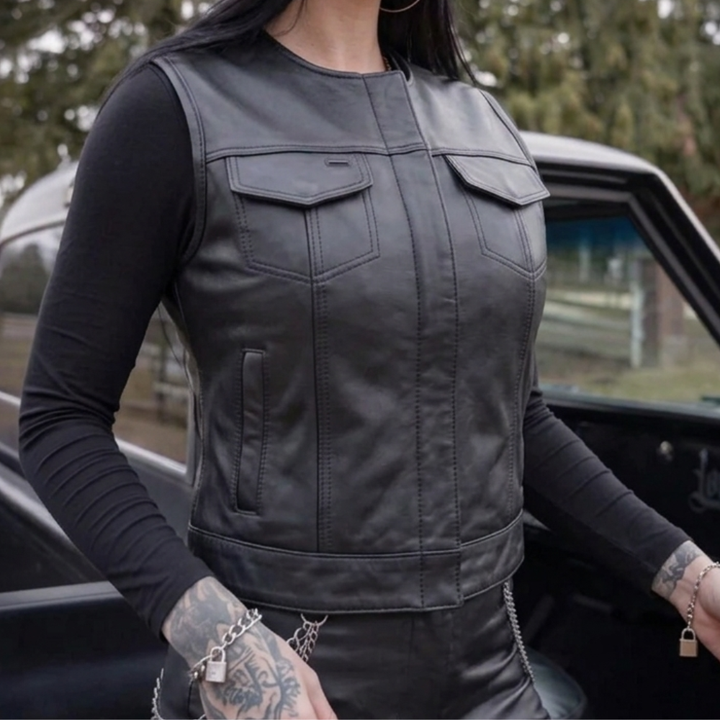


Learning how to layer for summer motorcycle riding is about managing airflow, not adding warmth. Build three light layers that move air: a moisture-wicking base, an optional breathable mid layer, and a lightweight vest or vented leather on top. Add perforated gloves, and you stay covered without cooking in the heat.
Summer layering runs backward from winter. In cold weather you trap heat; in summer you route it away from your body while keeping enough coverage to ride safely. Here is how to build a summer system that breathes.
Start with a wicking base layer
Your base layer sets the tone for the whole system. A thin synthetic or merino wool shirt pulls sweat off your skin and moves it to the surface, where wind can evaporate it and cool you down. Cotton does the opposite: it soaks up sweat, stays wet, and leaves you clammy and hot. Skip the cotton tee and start with a wicking base on any ride over 80 degrees.
The base layer also protects your skin from chafe under a vest or jacket, so it earns its place even on short rides. Keep it snug but not tight, so air can still move between the layers above it.
Choose vented leather for the top layer

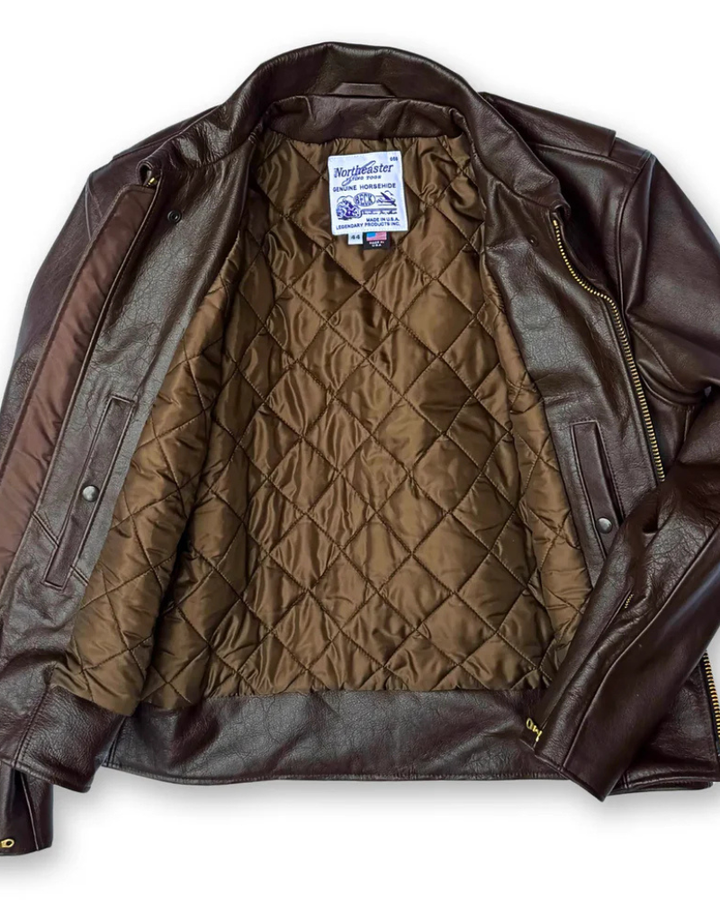
Coverage still matters when it is hot, so the goal is leather that breathes rather than no leather at all. Perforated leather has hundreds of small punched holes that let air pass through to your skin, which dramatically improves cooling at speed. A short-wrist cut and ventilated panels do the same job on gloves and vests.
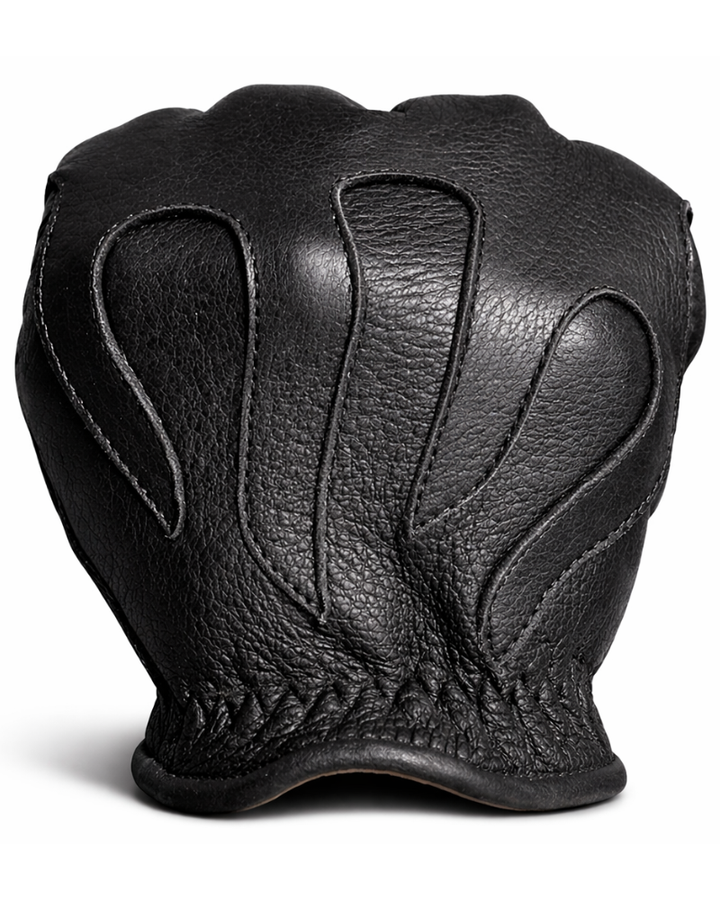
Perforated versus solid leather is the key summer comparison. Perforated flows air and keeps you cooler on long, hot days; solid blocks wind and light rain but runs warmer. For peak heat, reach for perforated gloves like the ILL Dozer perforated deerskin gloves, then keep solid leather in the bag for cool mornings.
Use a lightweight vest instead of a jacket
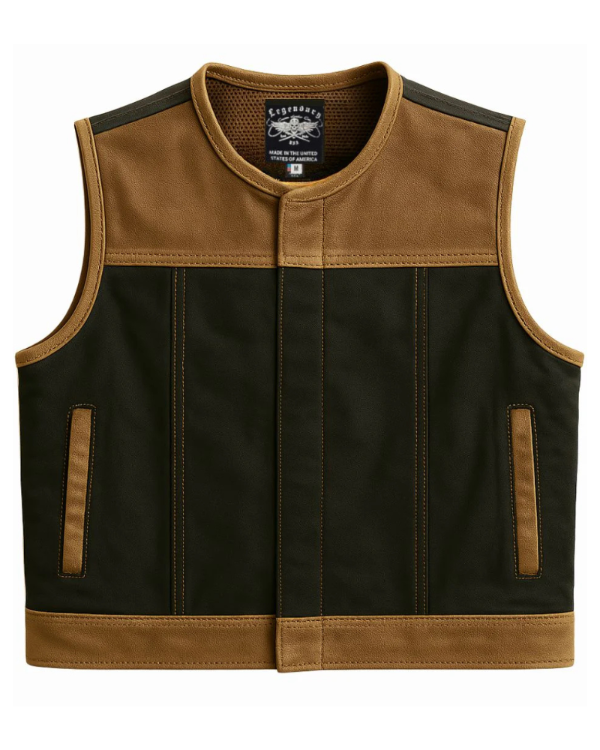
A vest is the summer rider's core layer. It covers your chest and back and blocks the wind blast on your torso while leaving your arms open to move air, so you get coverage without the heat of full sleeves. A lightweight vest also layers cleanly over your base shirt and lets you shed heat fast at stops.
The Black Jack lightweight motorcycle vest is built for exactly this role, trimming weight and bulk so it works in the heat. Browse more options in the men's USA-made motorcycle vests collection to match the cut to your ride.
Plan for temperature swings
Summer heat is not constant. Early mornings, canyon shade, and mountain passes can run 20 degrees below midday, so plan for the coldest point of the ride, not the hottest. Carry one packable layer you can slip under your vest, then peel it off as the day warms.
Vents and zippers do the fine-tuning. Open them to dump heat when the sun climbs, close them when the wind picks up. Managing swings is about adjustable airflow, not hauling a second wardrobe. A vest with easy on-off and vented gloves covers most of the range you will see in a day.
Finish with gloves that breathe
Your hands sit in direct wind, so vented or perforated gloves make a bigger comfort difference than any other single piece in summer. They keep coverage on the part of your body most likely to hit the ground while still flowing air across your skin. For more on the options, read the guide to the best perforated motorcycle gloves for summer.
Frequently asked questions
- How do I layer for summer motorcycle riding?
- Build three light layers that move air. Start with a moisture-wicking base shirt that pulls sweat off your skin. Add a breathable mid layer or skip it on the hottest days. Top it with a lightweight vest or vented leather that blocks wind blast without trapping heat. Finish with perforated or ventilated gloves. The goal in summer is airflow and coverage, not insulation, so every layer should breathe and none should be bulky.
- Should I still wear leather in hot weather?
- Yes, coverage still matters when it is hot. The trick is choosing leather built for airflow: perforated or ventilated gloves, a short-wrist cut, and a lightweight vest instead of a heavy jacket. Perforated leather lets air pass through hundreds of small holes while still covering skin. Bare skin cools fast but offers no protection, so most riders keep light, vented leather on even in summer heat.
- What is the difference between perforated and solid leather for summer?
- Perforated leather has hundreds of small punched holes that let air flow through to your skin, which dramatically improves cooling at speed. Solid leather blocks all airflow, so it runs hotter but sheds wind and light rain better. For summer riding, perforated gloves and vented panels keep you cooler on long, hot days. Solid leather makes more sense for cooler mornings, wind protection, and shoulder-season rides.
- Why does a vest work better than a jacket in summer?
- A vest covers your core and blocks wind blast on your chest and back while leaving your arms open to move air. That keeps your torso protected from the elements without the heat buildup of full sleeves. A lightweight vest also layers cleanly over a base shirt and lets you shed heat fast at stops. On the hottest days, a vest plus a wicking base and vented gloves is a common summer setup.
- How do I handle temperature swings on a summer ride?
- Plan for the coldest point of the ride, not the hottest. Early mornings and mountain passes can drop 20 degrees below midday heat. Carry one packable layer you can add under a vest, and choose a vest that layers easily. Vents and zippers let you dump heat as the day warms without stopping to change clothes. Managing swings is about adjustable airflow, not carrying a second wardrobe.
- Do I need a base layer in summer?
- A moisture-wicking base layer helps more in summer than most riders expect. It pulls sweat off your skin and moves it to the surface where airflow can evaporate it, which cools you and prevents the clammy, soaked-cotton feeling. A thin synthetic or merino base under a vented vest keeps you drier on long, hot rides. Cotton tees hold sweat and stay wet, so they are the worst choice for heat.
Summer layering is a system: wick the sweat, vent the leather, cover the core with a light vest, and keep your hands in breathable gloves. Get those four right and you can ride through July heat covered and comfortable, adjusting airflow as the day changes instead of fighting it.