

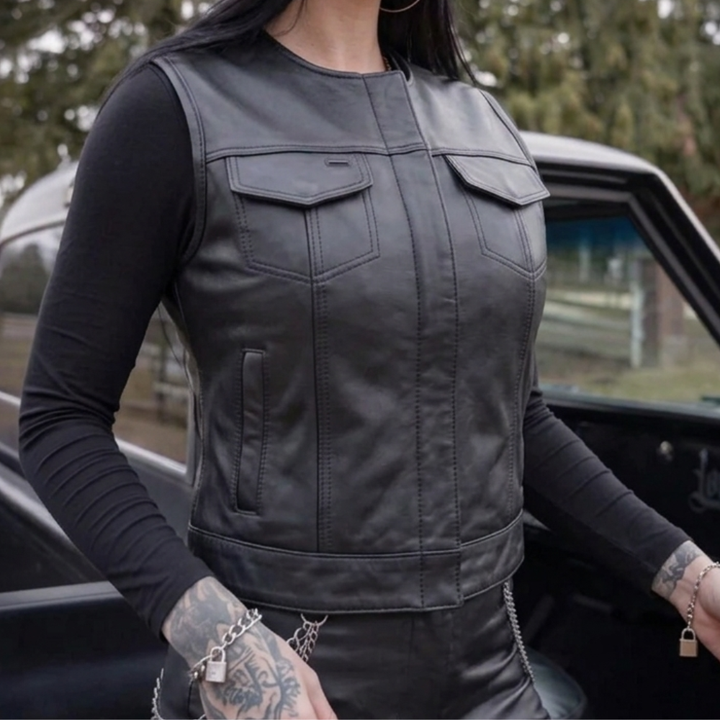
How to Size a Motorcycle Vest: The Fit Guide for Riders
A motorcycle vest that fits correctly stays put on the bike, lays flat across your chest, and doesn't ride up above your waist. The starting point is a single chest measurement. From there, length, side laces, and how you plan to layer all factor in. Here's exactly how to size a motorcycle vest so you get it right the first time.
Step 1: Measure Your Chest
Chest circumference is the foundation of motorcycle vest sizing. Measure at the fullest point of your chest — typically just under your arms and straight across your pecs. Keep the tape measure level, snug but not compressed. Take the measurement over a t-shirt, not over a jacket or heavy layer, unless you plan to always wear a thick layer underneath.
Write down that number in inches. Most motorcycle vest sizing charts are built directly around chest circumference, so this measurement gets you to the right size in the majority of cases. A rider with a 44-inch chest sizes into a 44 or a size Large depending on how the brand labels their sizes — always check the specific size chart for the vest you're buying.
If you're at the upper end of a size range — say, 44 inches and the size runs 42–44 — go up if you plan to wear layers, stay at that size if you typically wear just a t-shirt underneath.
Step 2: Check the Length
Chest measurement gets you the right width. Length determines whether the vest stays down while you're riding.
In the riding position — leaning slightly forward, arms extended toward the handlebars — a vest will naturally rise 1–2 inches from where it sits when you're standing. A vest that hits at your natural waist while standing will likely ride up above your belt while on the bike. That exposes your lower back and is uncomfortable on long rides.
Look for a vest that sits slightly below your natural waist when standing. This accounts for the rise in the riding position and keeps you covered on the bike. If you're between vest lengths, go longer. Shorter vests look fine standing still but can be frustrating to wear on the road.
Step 3: Understand Side Laces
Most motorcycle vests include side lace panels — adjustable laces on either side of the vest that let you customize the fit around your torso. Cinching the laces tighter brings the vest in close and eliminates excess fabric at the sides. Loosening them adds room for heavier layers or a broader build.
Side laces can bridge the gap between sizes. If you're a true 43-inch chest and the vest only comes in 42 and 44, you can often make the 44 work with the laces cinched properly. The key is that the front panels still need to close correctly — side laces adjust the torso width, not the chest opening.
When checking side lace fit, cinch them the way you'd actually wear the vest and then sit in the riding position. The vest should feel snug but not restrictive. You should be able to take a full breath without the vest pulling tight across your chest.
Sizing When You Wear Layers
Layering changes the equation. A vest sized to your bare chest measurement will feel tight over a thick hooded sweatshirt. If you regularly ride in cold weather with a heavy base layer or mid-layer under your vest, add the thickness of that layer to your sizing decision and go up one size.
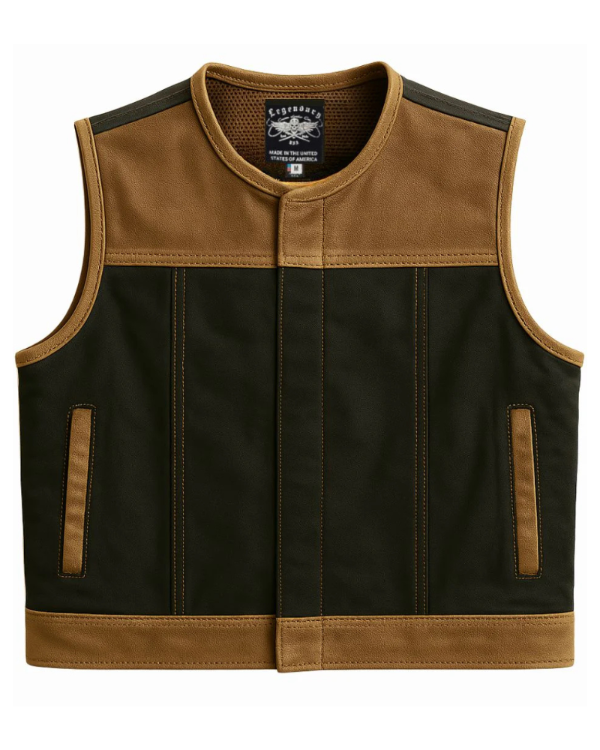
For three-season riders who sometimes go light and sometimes layer up, side lace vests are the most versatile option. Buy to your actual chest measurement, cinch the laces for summer rides, loosen them for fall layers. The Legendary Black Jack Lightweight Motorcycle Vest is built with this kind of adjustability in mind — a lightweight leather vest that works well across a range of layering situations.
Common Fit Mistakes Riders Make
Buying too large because it feels comfortable in the shop. A vest that feels loose and comfortable standing in a store will flap, shift, and frustrate you on the highway. The riding position tightens things up. What feels right standing needs to feel right in the riding position too.
Ignoring length. Most riders focus entirely on chest width and overlook length. A vest that's too short is just as problematic as one that's too wide — it rides up, exposes your lower back, and creates constant adjustment stops on long rides.
Not accounting for armhole position. In the correct size, the armholes should sit at your natural shoulder line without digging in or restricting shoulder movement. If the armholes are too tight or too low, you'll feel it on every long ride. This is a hard problem to solve after purchase — armhole position is fixed at the seam, unlike width which can be adjusted with laces.
Skipping the riding position check. Always try on a vest and assume the riding position before buying. Lean forward slightly, extend your arms. The front panels should stay flat. The hem should stay at your waist. The armholes should feel unrestricted. If something feels off standing upright, it won't improve on the bike.
For riders who carry concealed, fit is even more critical — see the full CCW motorcycle vest guide for details on how pocket placement and fit interact for concealed carry.
Leather vs. Denim vs. Canvas: Does Material Affect Sizing?
Material affects how much a vest will give over time. Full-grain leather motorcycle vests will break in and conform to your body after regular wear — they may feel slightly snug out of the box but will loosen up at the chest and shoulders with time. Denim and canvas vests have much less break-in; what you see is what you get from day one.
If you're buying a leather vest, it's acceptable to buy to your exact chest measurement even if it feels slightly firm at first. The leather will move with you. For denim or canvas vests like the Legendary Revolution Denim Motorcycle Vest, size with a little more breathing room if the fit feels borderline, since these materials won't loosen up the way leather does.
Browse the full range of American-made motorcycle vests at Legendary USA to compare styles, materials, and construction.
Frequently Asked Questions
- How do I measure myself for a motorcycle vest?
Measure your chest at the fullest point, typically just under your arms and across your chest. Keep the tape measure level and snug but not tight. Use this chest measurement as your starting size. Most motorcycle vest sizing charts are built around chest circumference, so this single measurement gets you to the right size in most cases.
- Should a motorcycle vest be tight or loose?
A motorcycle vest should fit snug but not restricting. In the riding position — arms forward on the bars — the vest should stay flat across your chest without bunching or pulling open. You should be able to take a deep breath without the vest feeling tight. Too loose and it flaps in the wind and shifts; too tight and it restricts movement.
- What if I am between sizes in a motorcycle vest?
If you're between sizes, consider how you ride. If you ride in a heavy jacket or layers underneath, size up. If you typically wear just a t-shirt or light shirt under your vest, take the smaller size for a cleaner fit. Many leather vests have side lace panels that let you adjust width by an inch or two, which can bridge a half-size gap.
- How do I know if a motorcycle vest fits correctly?
Sit in the riding position — lean slightly forward, arms extended as if on the handlebars. The vest should lay flat across your chest, not pull open at the front. The hem should not ride up above your belt. The armholes should not dig into your arms or restrict shoulder movement. If it fits well seated, it will fit well riding.
- Should I size up in a motorcycle vest if I wear layers?
Yes. If you plan to wear a hooded sweatshirt, heavy flannel, or a thick base layer under your vest, size up by one. A vest worn over a thick layer needs that extra inch of chest room to close properly and sit flat. If you mainly wear a t-shirt or light shirt under the vest, stick with your measured chest size.
- Why does my motorcycle vest ride up when I am on the bike?
A vest that rides up is usually too short, too large in the chest, or both. When the vest is too large, excess material bunches and lifts with body movement. When it's too short, there's not enough length to stay at the waist in the riding position. Try a longer vest or the correct chest size. Side laces cinched properly also help keep the vest from shifting.
- What do side lace panels on a motorcycle vest do?
Side lace panels are adjustable laces on each side of the vest that let you customize the fit around your torso. Loosening the laces adds room; tightening cinches the vest close. They allow one vest to fit a range of body shapes and let riders fine-tune the fit for different riding seasons or layering choices.
Get the Fit Right Before You Ride
Motorcycle vest sizing comes down to one honest measurement and a reality check in the riding position. Measure your chest, match it to the size chart, check the length, and sit down in the vest before you buy. If something feels off standing still, it will not improve on the highway. Get the fit right once and you'll wear that vest for years without thinking about it — which is exactly how gear is supposed to work.